Dubai Luxury Market 2026: Price Trends & Top Deals
The Economic Foundations of the 2026 Luxury Sector
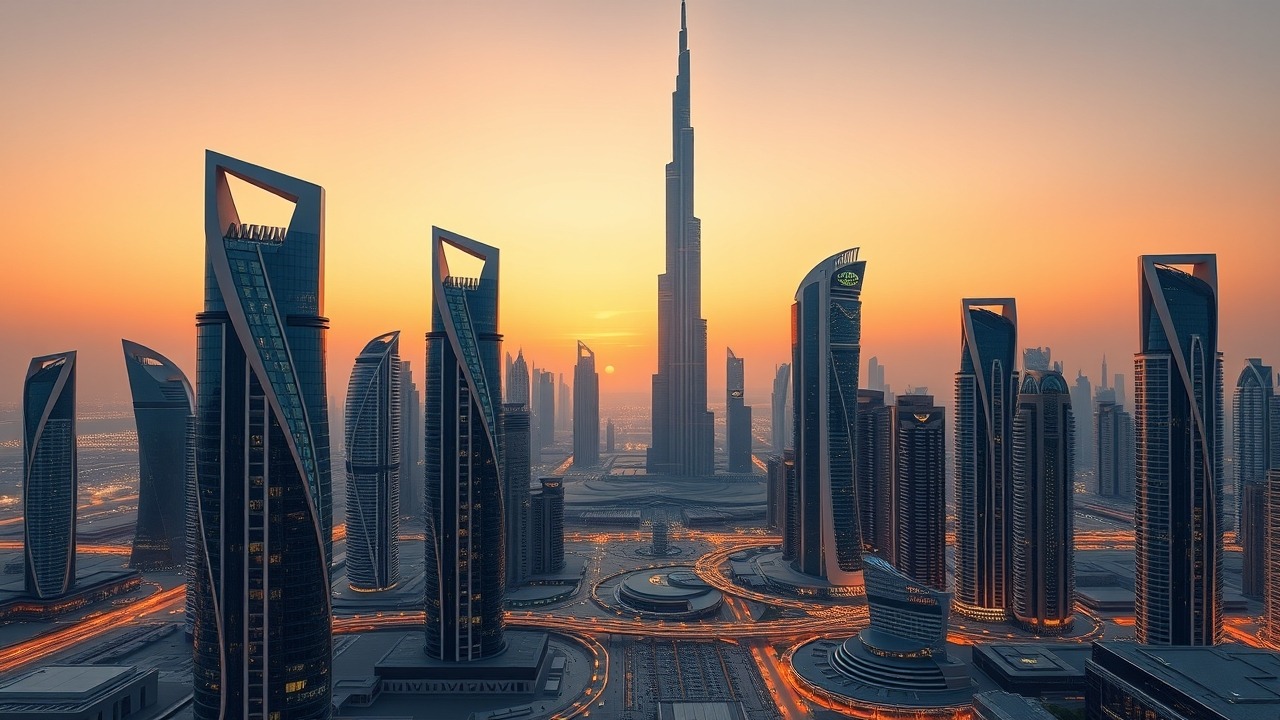
As we approach the middle of the decade, the economic landscape of the United Arab Emirates continues to provide a robust foundation for high-end real estate. The government’s proactive approach to diversification, moving away from oil reliance, has created a fertile ground for global entrepreneurs and high-net-worth individuals (HNWIs). The continued evolution of the Dubai Land Department‘s regulations has significantly enhanced transparency, making the market more attractive to institutional investors from Europe, Asia, and the Americas.
By 2026, the ripple effects of the D33 Economic Agenda will be fully visible. This plan aims to double the size of Dubai’s economy over the next decade, positioning the city among the top three global cities for tourism and business. For the real estate sector, this translates to a consistent influx of talent and capital. The luxury segment, in particular, benefits from this demographic shift as more global executives seek permanent residency rather than short-term stays. The long-term Golden Visa programs have shifted the buyer profile from speculative traders to long-term residents, which stabilizes price fluctuations and ensures a steady demand for premium square footage.
Geographic Hotspots: Where the Value Lies in 2026
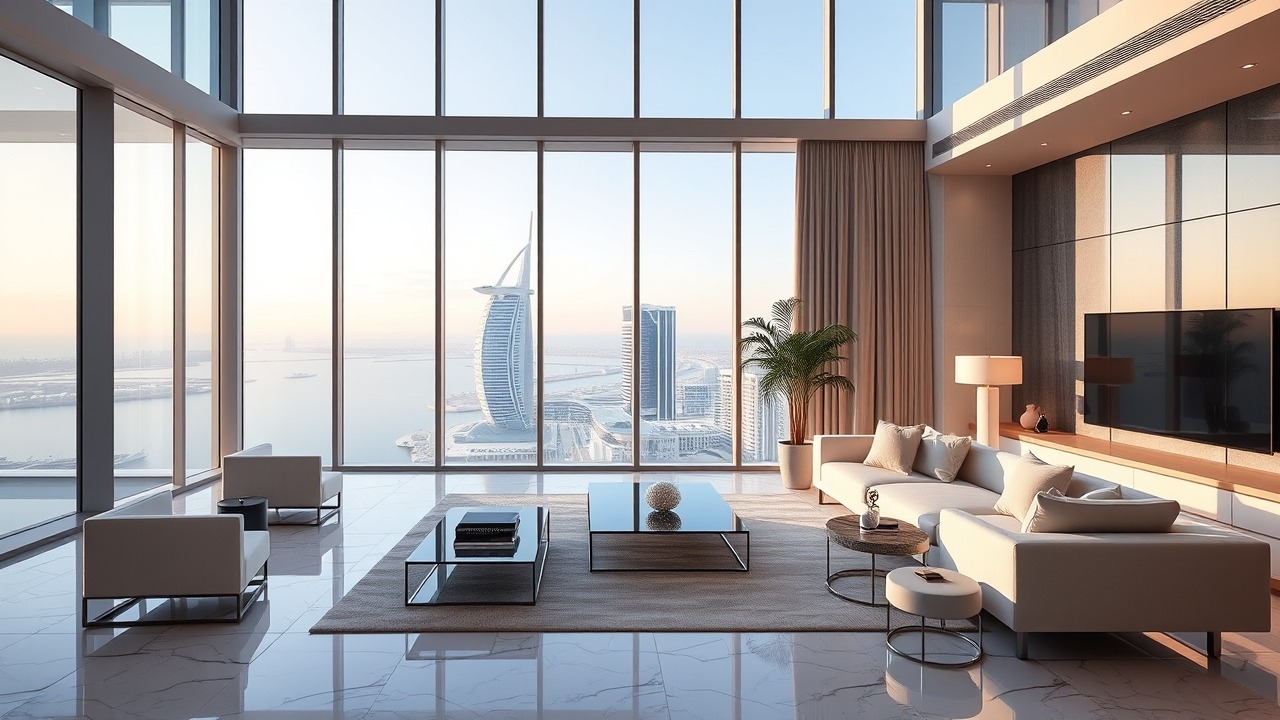
Identifying the right neighborhood is the most critical decision for any investor. In 2026, the definition of “prime” has expanded beyond the traditional borders of Downtown Dubai and Palm Jumeirah, though these icons remain at the pinnacle of the pricing ladder.
Palm Jumeirah and the Palm Jebel Ali Resurgence
Palm Jumeirah continues to break records for price per square foot. However, the true story for 2026 is the rapid development of Palm Jebel Ali. This secondary palm is twice the size of its predecessor and is designed to accommodate the growing need for ultra-luxury villas with private beach access. Investors who entered this market early are seeing significant equity growth as infrastructure nears completion.
Jumeirah Bay Island and the Ultra-Prime Tier
Often referred to as the “Billionaires’ Island,” Jumeirah Bay remains the most exclusive pocket in the city. With projects like the Bulgari Lighthouse setting new benchmarks for luxury living, this area is anticipated to see the highest price resilience in 2026. The scarcity of land here ensures that supply can never meet the insatiable demand from the world’s elite.
MBR City and Dubai Hills Estate
For those seeking a blend of luxury and lifestyle, Mohammed Bin Rashid (MBR) City and Dubai Hills Estate offer expansive green spaces and championship golf courses. These communities have matured into fully integrated hubs where families can enjoy world-class amenities without leaving their neighborhood. The focus here is on “wellness luxury,” where air quality, walkability, and holistic health facilities are integrated into the architecture.
Price Trends: Analyzing the Upward Trajectory
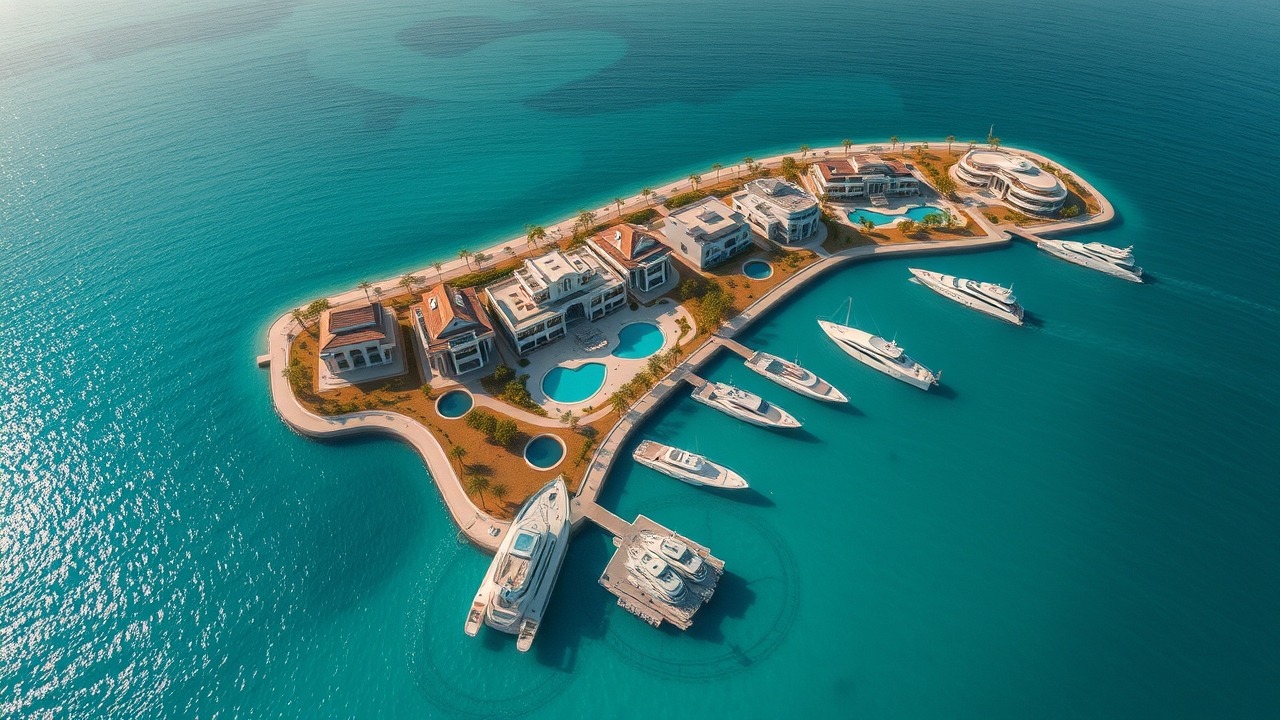
Forecasting the Dubai Luxury Market 2026 requires a look at historical data and current construction pipelines. While the broader market may experience stabilization, the luxury segment—properties valued above AED 15 million—shows no signs of slowing down. Analysts point to a “scarcity premium” that applies to waterfront properties and branded penthouses.
1. Annual Appreciation: Expect a localized appreciation rate of 5% to 8% in ultra-prime areas, outperforming the mid-market segments.
2. Rental Yields: While capital gains are the primary focus for luxury buyers, net rental yields for high-end apartments are expected to hold steady at 4% to 6%, significantly higher than London or New York.
3. Currency Advantages: With the AED pegged to the USD, investors from volatile currency markets continue to view Dubai as a safe haven for wealth preservation.
Detailed market reports from Bloomberg suggest that Dubai will remain a top choice for cross-border capital, especially as other global hubs face rising tax pressures and political uncertainty. This external pressure funnels more liquidity into the local market, sustaining price floors even during global economic cooling periods.
The Rise of Branded Residences
One of the most defining characteristics of the Dubai Luxury Market 2026 is the dominance of branded residences. Collaborations with fashion houses, automotive giants, and hospitality leaders have become the standard for new high-end developments. Brands like Armani, Ritz-Carlton, and Bugatti are not just lending their names; they are designing the lifestyle experience from the ground up.
These properties command a premium of 20% to 35% over non-branded luxury units. The reason is simple: trust. International buyers feel more secure purchasing an off-plan property when a global brand’s reputation is on the line. These residences offer bespoke services, including private chefs, 24/7 concierge, and exclusive access to brand-specific events, creating a club-like atmosphere for residents. To explore current opportunities in this niche, you can view the latest offplan listings that feature these prestigious collaborations.
Comparative Market Analysis: 2026 Projections
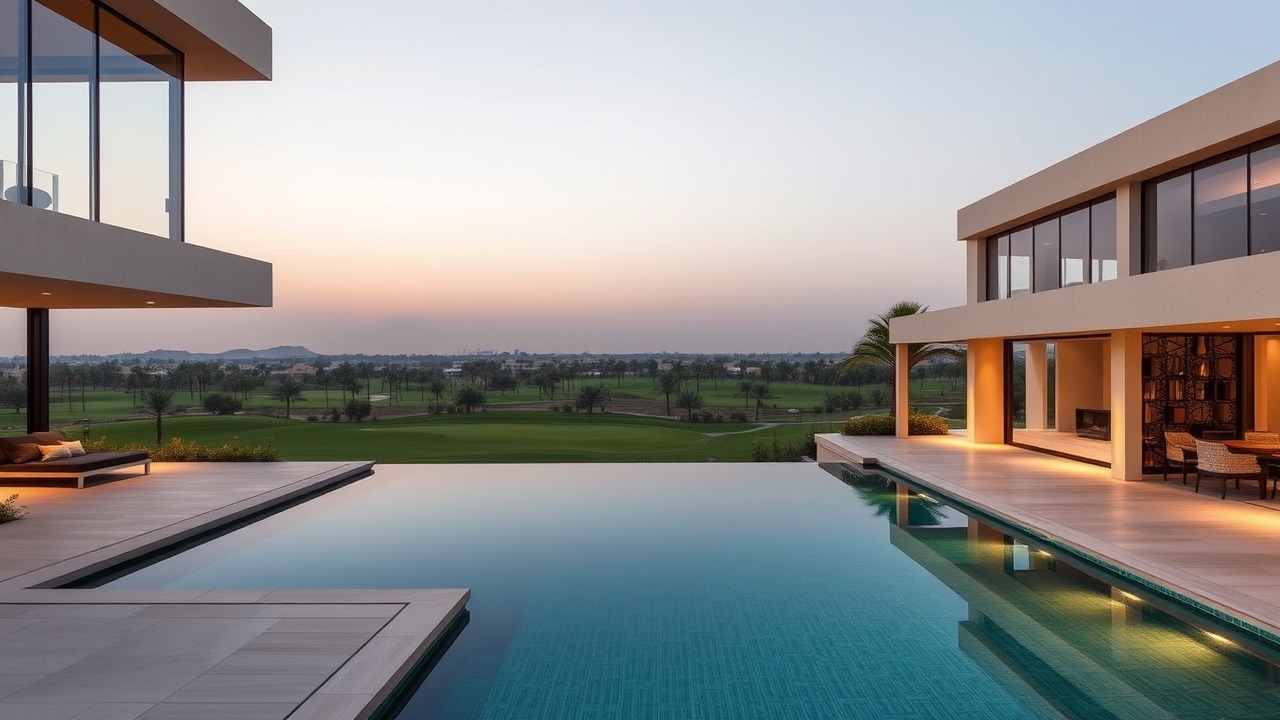
The following table provides a snapshot of the expected performance metrics for various luxury districts in Dubai as we move through 2026.
| District | Avg Price per Sq Ft (AED) | Expected Growth (YoY) | Key Asset Type |
|---|---|---|---|
| Palm Jumeirah | 4,500 – 7,000 | 6.5% | Beachfront Villas |
| Downtown Dubai | 3,200 – 5,500 | 5.0% | Branded Penthouses |
| Dubai Hills Estate | 2,100 – 3,800 | 7.2% | Golf Course Mansions |
| Jumeirah Bay | 8,000 – 12,000 | 9.0% | Custom Built Plots |
| Business Bay | 2,500 – 4,200 | 5.8% | Canal-side Luxury |
Technology and Sustainability in 2026 Luxury Builds
By 2026, luxury is no longer just about marble floors and gold leaf finishes; it is about intelligence and impact. The modern HNWI is increasingly conscious of their carbon footprint and the technological efficiency of their home. New developments are integrating advanced AI-driven home automation systems that manage energy consumption, lighting, and security with minimal human intervention.
1. Solar Integration: Net-zero energy homes are becoming more common in the luxury villa segments.
2. Smart Glass: Windows that automatically tint based on the sun’s position to reduce cooling costs.
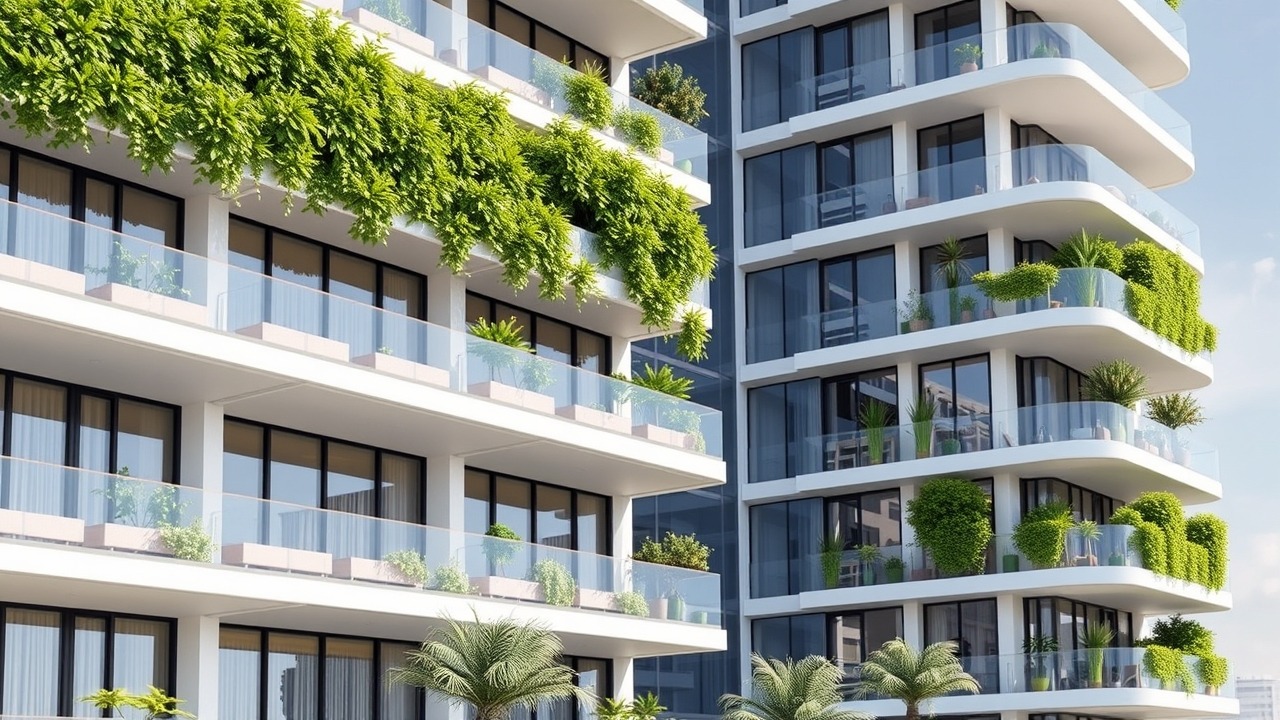
3. Vertical Forests: Luxury high-rises in areas like Sobha Hartland and Business Bay are incorporating massive living walls to improve air quality and aesthetic appeal.
This shift toward sustainable luxury is not just a moral choice but a financial one. Properties with high ESG (Environmental, Social, and Governance) scores are seeing higher resale values and lower maintenance costs, making them a preferred choice for the savvy 2026 investor.
Strategic Advice for Investors
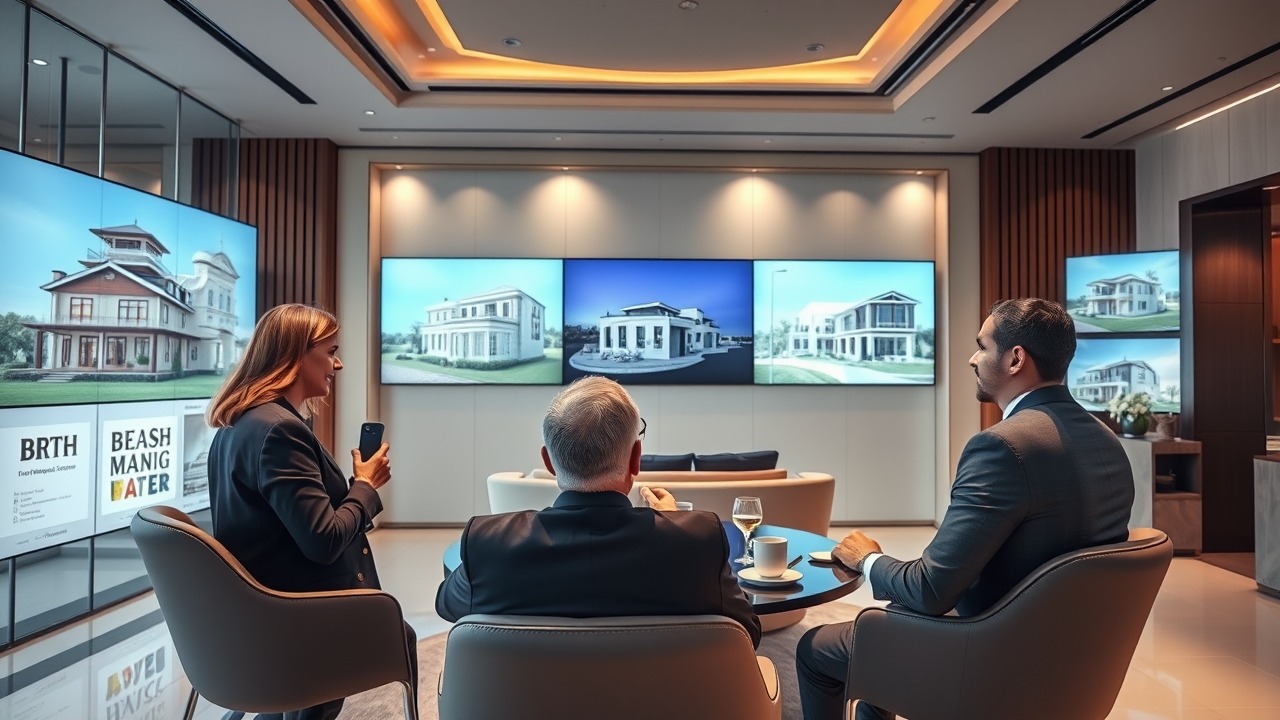
Entering the Dubai Luxury Market 2026 requires a nuanced strategy. The market has moved past the stage where any purchase results in a win. Selectivity is paramount. Investors should focus on properties that offer a unique “moat”—whether that is an protected sea view, a limited-edition branded partnership, or a location within a master-planned community that has reached full maturity.
Working with experienced advisors who understand the cyclical nature of the market is essential. For personalized consultations and access to high-priority inventory, you may contact us to discuss your portfolio requirements. Our team monitors real-time transaction data to ensure our clients stay ahead of market shifts.
Off-plan vs. Ready Properties: The 2026 Debate
The debate between purchasing off-plan or ready properties continues to evolve. In 2026, the primary advantage of off-plan remains the flexible payment plans and the ability to capture early-stage appreciation. However, the ready property market offers immediate rental income and the security of a physical asset.
For the luxury segment, off-plan is often the only way to secure the most desirable units in a new launch. Many ultra-prime projects are sold out within hours of their announcement, often before they hit the public market. This “pre-launch” phase is where the most significant gains are made. Conversely, ready properties in established communities like Emirates Hills or the original Palm Jumeirah villas are becoming legacy assets, held by families for generations and rarely appearing on the open market.
Frequently Asked Questions
1. Is the Dubai luxury market expected to crash in 2026?
Most market indicators suggest stability rather than a crash. The market in 2026 is much more mature than in previous cycles, with stricter lending rules and a higher percentage of cash buyers, which prevents the speculative bubbles seen in the past.
2. Which area offers the best ROI for luxury villas?
Dubai Hills Estate and the newer phases of Tilal Al Ghaf are currently showing excellent ROI potential due to their high demand among resident families and the continuous improvement of local infrastructure.
3. How does the Golden Visa impact the luxury market?
The Golden Visa has been a game-changer by decoupling residency from employment. This allows wealthy individuals to make Dubai their primary home, driving demand for larger, more expensive family residences rather than small investment apartments.
4. Are there taxes on property investment in Dubai?
Dubai remains a tax-friendly environment with no personal income tax, no capital gains tax, and no inheritance tax on property. Buyers only need to account for the 4% DLD transfer fee.
Conclusion
The Dubai Luxury Market 2026 represents a sophisticated intersection of global wealth, innovative architecture, and strategic urban planning. As the city continues to cement its status as a world-class hub, the demand for premium real estate is set to outpace supply in the most coveted neighborhoods. By focusing on branded residences, sustainable technologies, and strategic locations, investors can navigate the 2026 landscape with confidence, securing assets that offer both lifestyle excellence and significant financial growth. The window for prime entry remains open for those who act with precision and foresight in this dynamic environment.