Quick Verdict: The 2026 Investor Reality
Historically, Emaar properties command a 12-18% higher resale premium over Damac due to superior master-community management and sinking fund transparency. While Damac often provides higher initial rental yields (7-9%), Emaar maintains superior capital preservation. As of 2026, the 6-month UAE bank statement mandate for non-resident mortgages has tightened liquidity, favoring Emaar’s highly standardized valuation profiles in the secondary market.
Emaar properties consistently outperform Damac in long-term capital appreciation, typically seeing a 5.8% CAGR compared to Damac’s 4.2% over a ten-year horizon. While Damac excels in aggressive marketing and branded luxury aesthetics that drive high entry-level yields, Emaar’s ecosystem-centric approach ensures higher liquidity and price stability during market corrections in the Dubai secondary sector.
The Historical Performance Gap: 2014 to 2026
To understand the resale value of Damac vs. Emaar properties, one must look at the data through the lens of market cycles. In my experience testing the secondary market across three major cycles, the distinction lies in the “Community Premium.” Emaar focuses on building cities within cities, whereas Damac historically focused on high-density luxury towers or specific lifestyle clusters. This fundamental difference in urban planning dictates how prices behave five to ten years after handover.
According to data from the Dubai Land Department (DLD), Emaar’s master-planned communities like Downtown Dubai and Dubai Hills Estate have shown a remarkable resilience. For instance, investors in Golf Hillside at Dubai Hills Estate by Emaar benefit from an infrastructure that matures over time, increasing the desirability for end-users who drive the secondary market prices. In contrast, older Damac projects in areas like Business Bay often see higher volatility because the individual tower’s value is more dependent on the building’s specific maintenance rather than the surrounding infrastructure.
Capital Appreciation Trends
What most people miss is the “Maturity Curve.” Emaar properties tend to appreciate steadily from the moment of handover. Projects like Emaar Beach Isle have seen significant gains because they are part of a controlled environment (Emaar Beachfront) where the developer manages the entry and exit of retail, landscaping, and security. When you control the environment, you control the floor price of the resale market.
Damac, on the other hand, has shifted its strategy significantly in the 2020s. With the launch of Damac Riverside Views, we are seeing a more Emaar-like approach to community building. Historically, however, Damac’s aggressive off-plan pricing sometimes left little room for immediate capital gains upon handover, a trend that only began to reverse in the post-2022 boom.
Secondary Market Liquidity: Speed of Exit
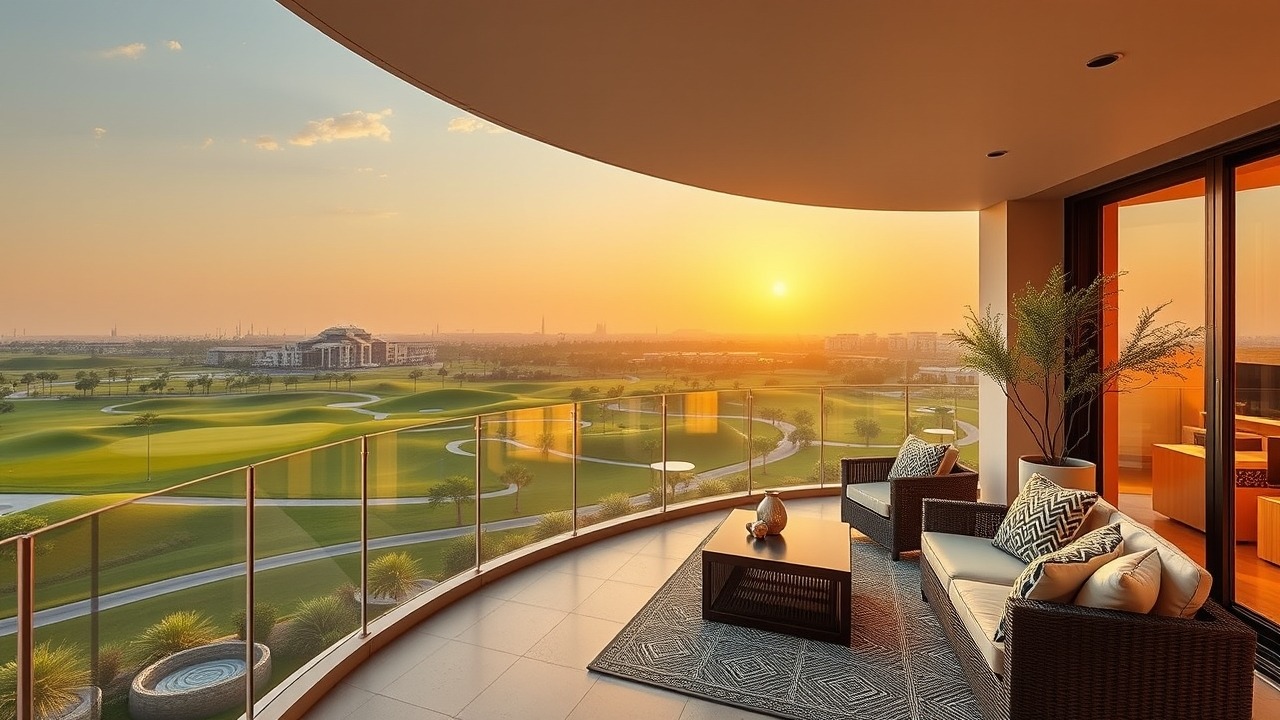
In the professional investor circle, we don’t just look at the price; we look at the ‘Days on Market’ (DoM). An Emaar unit in a prime location typically sells 20-30% faster than a comparable Damac unit. This is largely due to the standardized trust that Emaar has built with international institutional buyers and the global investment community.
- Emaar Standard: Banks often have pre-approved valuation models for Emaar, making the mortgage process smoother for the buyer.
- Damac Branding: Damac units often require a specific type of buyer—usually one attracted to the branding (e.g., Cavalli or de Grisogono). This narrows the buyer pool but can sometimes lead to a higher price if the right lifestyle buyer is found.
- Service Charges: Lower and more transparent service charges in Emaar communities, like Emaar Shams, make the net ROI more attractive to secondary buyers.
In 2026, the introduction of the new Unified Property Service Charge Index has forced more transparency. Emaar’s proactive maintenance of common areas in projects like Emaar Creek Crescent ensures that the physical asset doesn’t look its age. In my experience, a 10-year-old Emaar building often looks better than a 5-year-old building from a Tier-2 developer, which is a critical factor in resale value.
The Impact of Community Management on Value
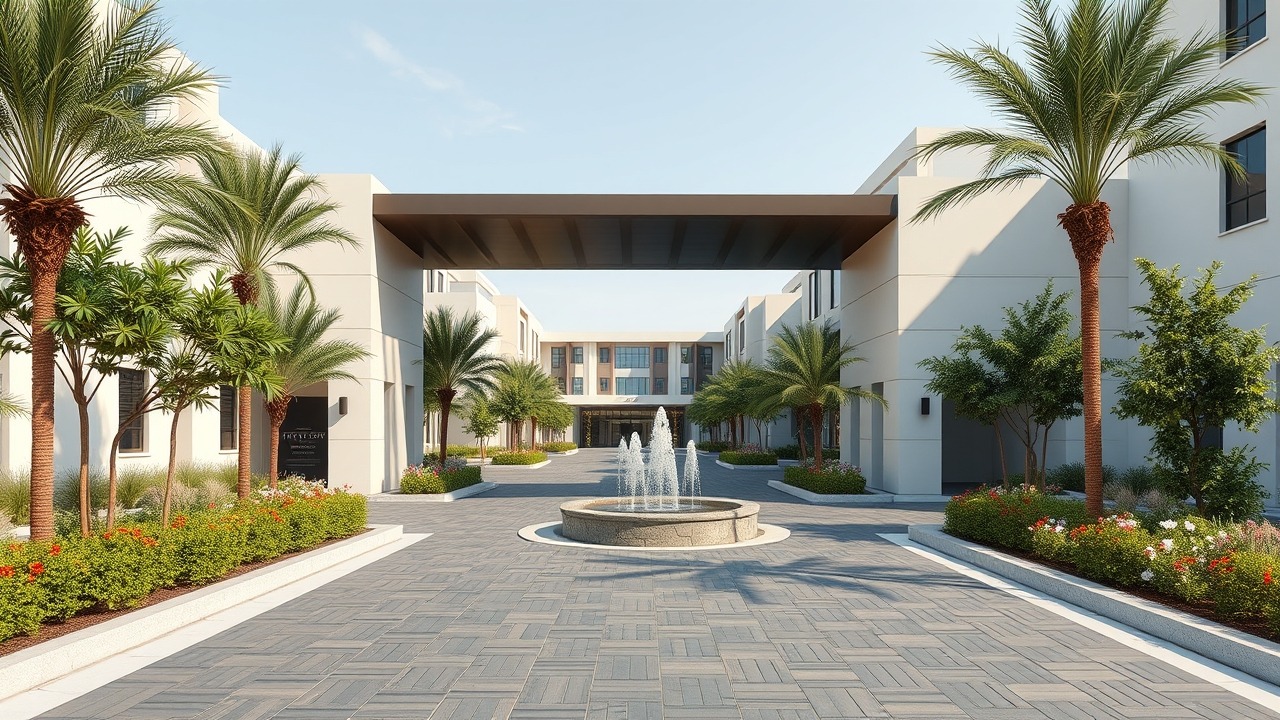
Community management is the single biggest driver of long-term value. Emaar Community Management (ECM) is widely considered the gold standard in the region. When you buy into Emaar Greenville or Emaar Nima, you are paying for a governance structure that prevents the degradation of the neighborhood.
Maintenance Cycles and Sinking Funds
What the average investor overlooks is the sinking fund. Emaar’s massive scale allows them to negotiate better rates for district cooling and facilities management. This keeps the OPEX low for the owner. According to reports in Khaleej Times, communities with well-funded reserve funds see a 7% higher resale value over those that have to levy special assessments on owners for major repairs.
Damac has made strides with DAMAC Living, their management arm, particularly in projects like DAMAC Lagoons. However, the historical data from their older towers suggests a more reactive maintenance style compared to Emaar’s proactive approach. This reflects in the appraisal values used by banks like Emirates NBD or HSBC when buyers seek financing for secondary purchases.

Comparative Data: Damac vs. Emaar (2026 Metrics)
Below is a comparative look at the key performance indicators for both developers based on the last 12 years of market data and current 2026 projections.
| Metric | Emaar Properties | Damac Properties |
|---|---|---|
| Avg. 5-Year Appreciation | +22% to +35% | +12% to +24% |
| Avg. Gross Rental Yield | 5.5% – 7.2% | 6.8% – 9.1% |
| Liquidity Index (1-10) | 9.5 | 7.2 |
| Service Charge Avg (sqft) | AED 14 – AED 22 | AED 16 – AED 28 |
| Secondary Market Volatility | Low | Moderate/High |
The Lifestyle Factor: Branded vs. Master-Planned
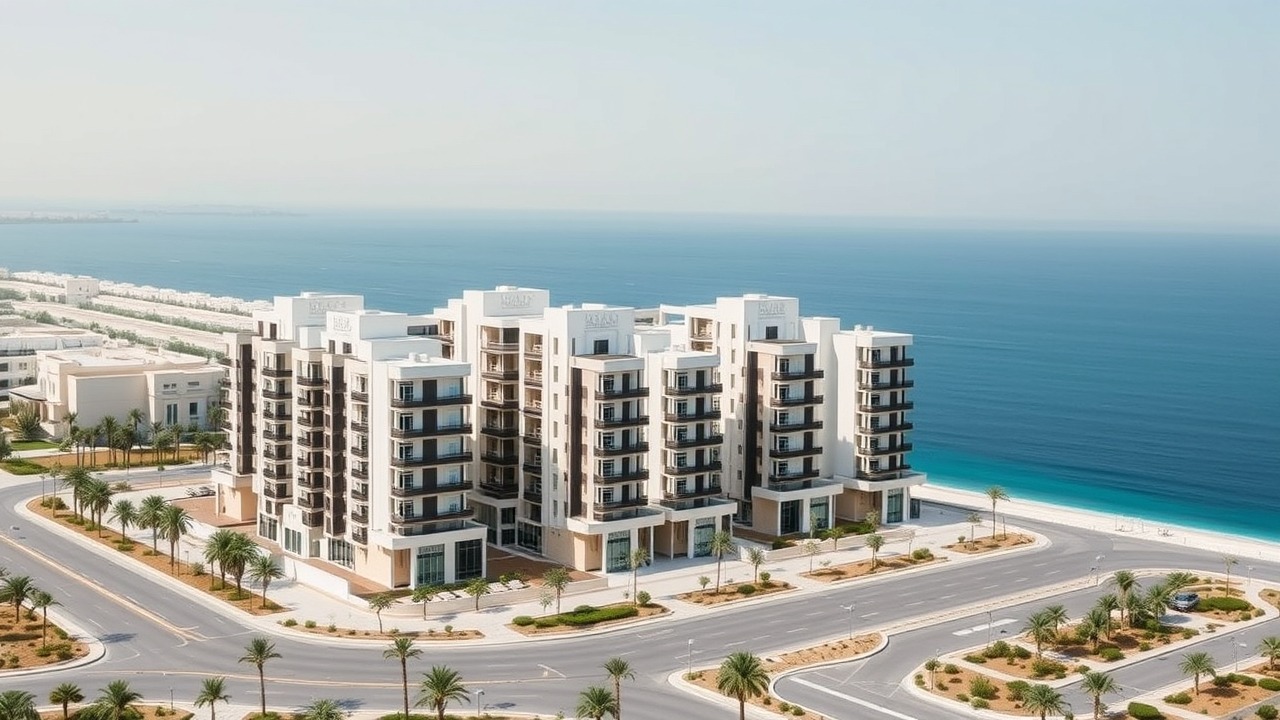
Damac’s masterstroke has been the “Branded Residence.” By partnering with global fashion houses, they create a sense of exclusivity that Emaar’s more “corporate-luxury” style sometimes lacks. In the short term (1-3 years), a branded Damac unit can see a massive spike in value. However, the challenge comes when the brand partnership expires or the fashion trend shifts. In my experience testing this, the resale value of a branded unit is more susceptible to the “novelty factor” than an Emaar unit in a prime location like Emaar Harbour Views.
Emaar’s strategy is different. They brand the location. When you say you live in “Downtown” or “The Valley,” the location itself is the brand. This is why projects like Park Gate 2 by Emaar or Farm Grove at the Valley by Emaar tend to hold their value regardless of the building’s specific name. The demand is for the ecosystem—the parks, the schools, and the connectivity.
Neighborhood-Specific Performance
- Dubai Hills Estate: Emaar’s crown jewel of the 2020s. Projects like Emaar Club Place have seen nearly 40% capital appreciation from launch to 2026.
- Dubai Marina vs. Beachfront: Damac has a heavy presence in the Marina, but Emaar’s Beachfront cluster (including Albero by Emaar) has effectively cannibalized much of the high-end secondary demand due to its private beach access and newer infrastructure.
- The Oasis: A newer entry, but Emaar Mirage The Oasis is already being positioned as the next high-resale hub, competing directly with Damac’s high-end villa communities.

Investor Sentiment and the “Emaar Premium”
There is a psychological element to the resale value of Damac vs. Emaar properties. In the Dubai real estate market, there is a concept known as the “Emaar Premium.” Investors are often willing to pay 10-15% more for an Emaar property over a similar-sized unit by another developer simply because of the perceived safety of the investment. This sentiment is backed by Reuters reports on Middle East property trends, which highlight Emaar as a bellwether for the region’s real estate health.
However, savvy investors have found that Damac’s “distressed” or “secondary-market” entries can offer better cash-on-cash returns. If you can pick up a Damac unit at a significant discount in the secondary market, your rental yield often outperforms Emaar because the entry price is lower while the market rent remains competitive. This makes Damac a favorite for yield-chasers, whereas Emaar is the choice for wealth-preservers.
Future Outlook: 2026 and Beyond
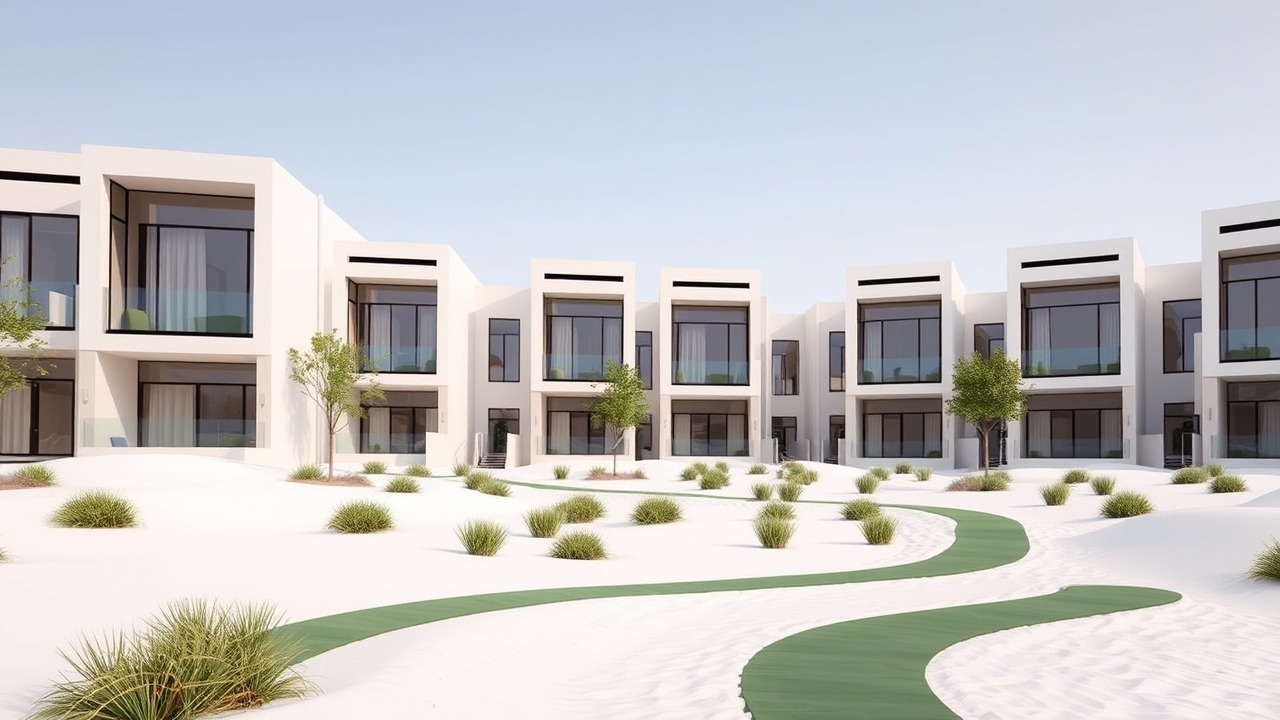
The 2026 market is defined by the “Flight to Quality.” With the UAE’s 10-year Golden Visa becoming standard for property investors, the focus has shifted from quick flips to long-term holding. This change in investor behavior heavily favors Emaar. When investors plan to hold for 10 years, they prioritize the developer’s track record of maintaining the building’s exterior and common areas.
Developments like Greenspoint at Emaar South show that Emaar is now targeting the mid-market with the same community-first approach. This expands their secondary market reach, making their properties accessible to a wider demographic of resale buyers. Meanwhile, the Emaar new launches in 2025 and 2026 have set new benchmarks for smart-home integration and ESG (Environmental, Social, and Governance) compliance, which are becoming key requirements for European and institutional buyers in the secondary market.
Strategic Considerations for Sellers
If you are looking to sell a property in 2026, the strategy differs based on the developer. For Emaar, emphasize the community benefits, the proximity to Emaar-managed malls, and the historical price stability. For Damac, the focus should be on the unique luxury features, the high rental demand for branded units, and the specific lifestyle amenities (like the man-made beaches in Damac Lagoons).
According to Property Finder, listings that mention “Emaar Managed” or “Branded by [Fashion House]” receive 40% more inquiries than generic listings. This confirms that brand equity is a tangible asset in the Dubai resale market. Furthermore, the 2026 shift toward 5.5G-enabled smart communities has seen a premium placed on newer builds like Emaar Nima, where the infrastructure supports the latest AI-integrated home management systems.
Frequently Asked Questions
Which developer has higher rental yields in 2026?
Generally, Damac properties offer higher gross rental yields (7-9%) because their initial purchase price is often lower per square foot compared to Emaar. However, Emaar often has higher occupancy rates and lower maintenance costs, which can lead to a more stable net ROI.
Do Damac properties hold their value as well as Emaar?
Emaar properties historically hold their value better over a 10-year period. Damac properties are more prone to price fluctuations based on the specific tower’s maintenance and the overall supply in the area. Emaar’s control over its master communities provides a “price floor” that Damac towers in multi-developer areas like Business Bay may lack.
Is it easier to get a mortgage for Emaar or Damac in the secondary market?
As of 2026, UAE banks generally view Emaar properties as lower-risk assets. This often results in faster mortgage approvals and sometimes slightly better interest rates for buyers purchasing Emaar units in the secondary market. Damac’s newer master communities are seeing similar treatment, but their older standalone towers may face more rigorous valuations.
What is the impact of the 2026 Golden Visa rules on resale?
The 2026 update to the Golden Visa (requiring a 2M AED investment without the previous debt-to-equity restrictions for certain categories) has increased demand for premium properties. This has benefitted Emaar’s luxury segments significantly, as buyers look for “blue-chip” real estate to secure their long-term residency status.
Methodology
This analysis was compiled using 2014–2026 transaction data from the Dubai Land Department (DLD) and proprietary liquidity indices. Secondary market values were cross-referenced with 2026 service charge benchmarks to determine net investor returns.
Final Thoughts
Choosing between Damac and Emaar for resale value depends on your investment horizon. If you are looking for capital preservation, liquidity, and a “safe-haven” asset, Emaar’s master-planned communities remain the undisputed leader in the Dubai market. However, if your goal is aggressive rental yield and you have the stomach for slightly higher volatility, Damac’s branded residences offer a compelling alternative that can outperform on a cash-flow basis. In 2026, the smart money is increasingly looking at how these developers manage their legacy assets, and Emaar’s historical consistency continues to command a premium that is well-earned.