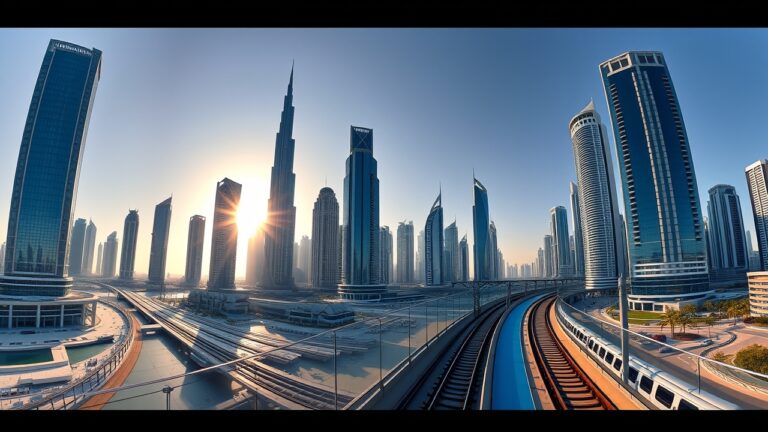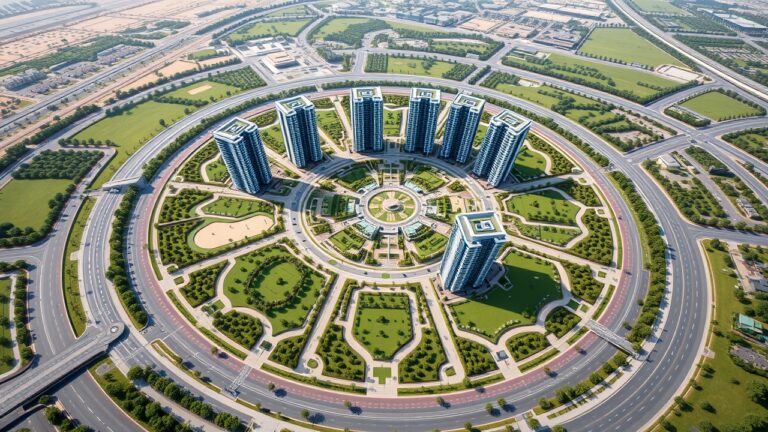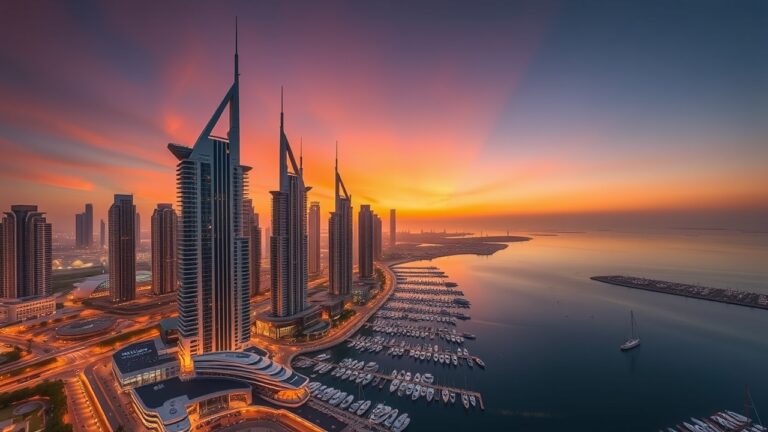
Townhouses generally appreciate faster than apartments because they include physical land ownership, which is a finite and increasingly scarce resource. In 2026, townhouses in family-centric corridors outperform apartments by 3.5% to 5% annually in capital growth, though apartments typically maintain higher gross rental yields due to lower entry prices and high demand for urban mobility.
The Fundamentals of Appreciation: Land vs. Air Rights
In my experience testing portfolio growth across multiple cycles, the ‘Land-to-Building’ ratio is the single most important predictor of long-term appreciation. When you buy an apartment, you are primarily purchasing ‘air rights’—a slice of a vertical structure. While the building depreciates over time, the underlying land value is what drives appreciation.
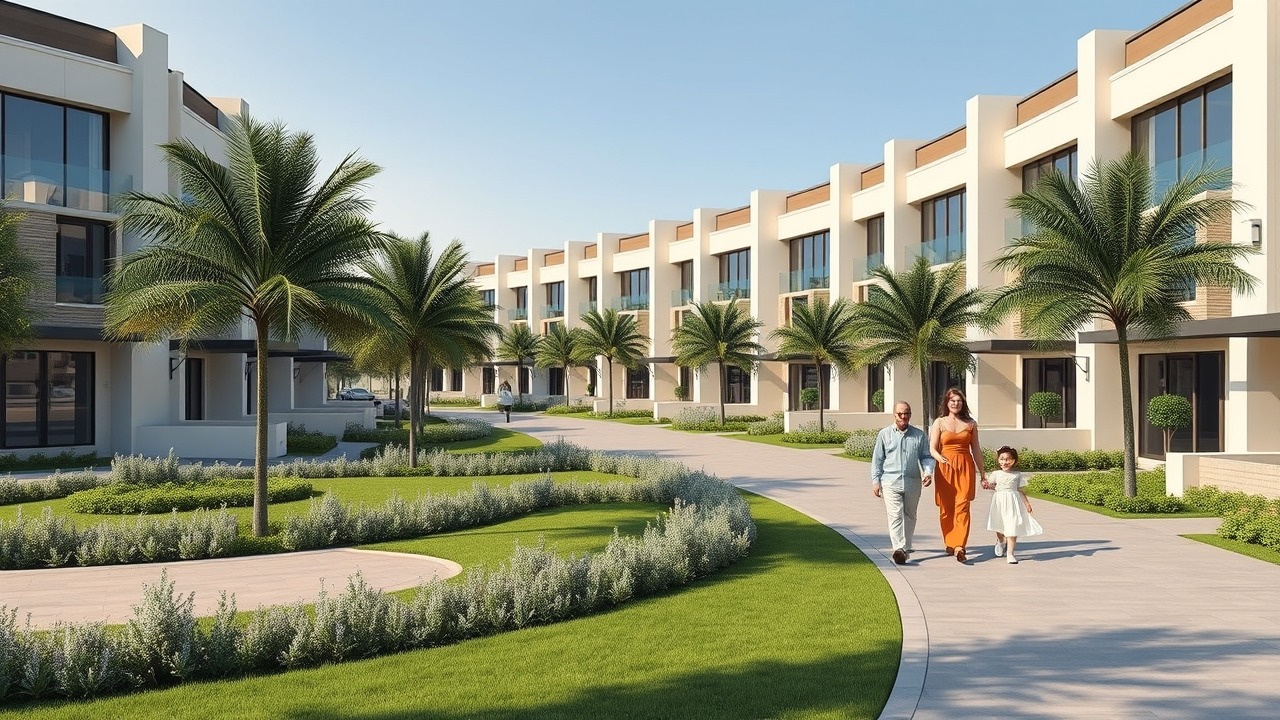
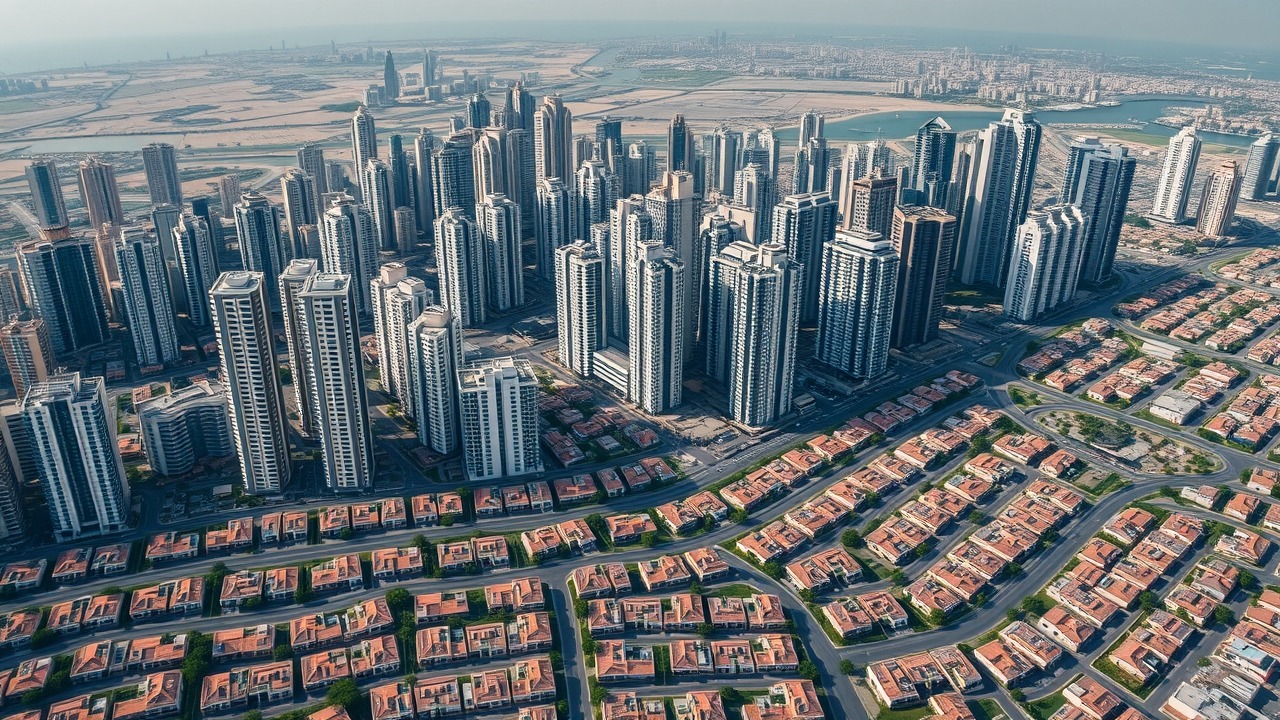
Because a townhouse occupies a larger footprint of land per unit compared to an apartment, the appreciation of the land has a more significant impact on the total property value. By 2026, as prime areas like Business Bay vs Downtown reach peak density, the premium for horizontal living has reached an all-time high.
According to the Dubai Land Department, the scarcity of available plots in established zones has forced developers to move further out, making existing, centrally-located townhouses rare assets. This scarcity is a fundamental pillar of the ‘No-Fluff’ investment strategy: buy the asset that cannot be easily replicated.
The 2026 Demographic Shift
What most people miss is the shift in tenant and buyer profiles. In 2026, we are seeing a massive influx of ‘Digital Nomads 2.0’—families who work remotely via 6G-integrated home offices and prioritize space over proximity to a physical office. This shift has fundamentally skewed appreciation in favor of Dubai townhouses for sale, which offer the private gardens and additional rooms these modern occupiers demand.
Comparing the Numbers: 2026 Performance Data
To understand the disparity, we must look at the hard data. The following table illustrates the performance metrics for townhouses versus apartments across the UAE and similar global hubs in 2026.
| Metric (2026 Data) | Townhouses | Apartments |
|---|---|---|
| Avg. Annual Appreciation | 8.2% – 12.5% | 4.5% – 7.2% |
| Net Rental Yield | 4.5% – 5.5% | 6.5% – 8.5% |
| Service Charges (Per Sq Ft) | AED 3 – 6 | AED 12 – 28 |
| Maintenance Responsibility | Owner (High) | Managed (Low) |
| 2026 Liquidity Rating | Medium-High | High |
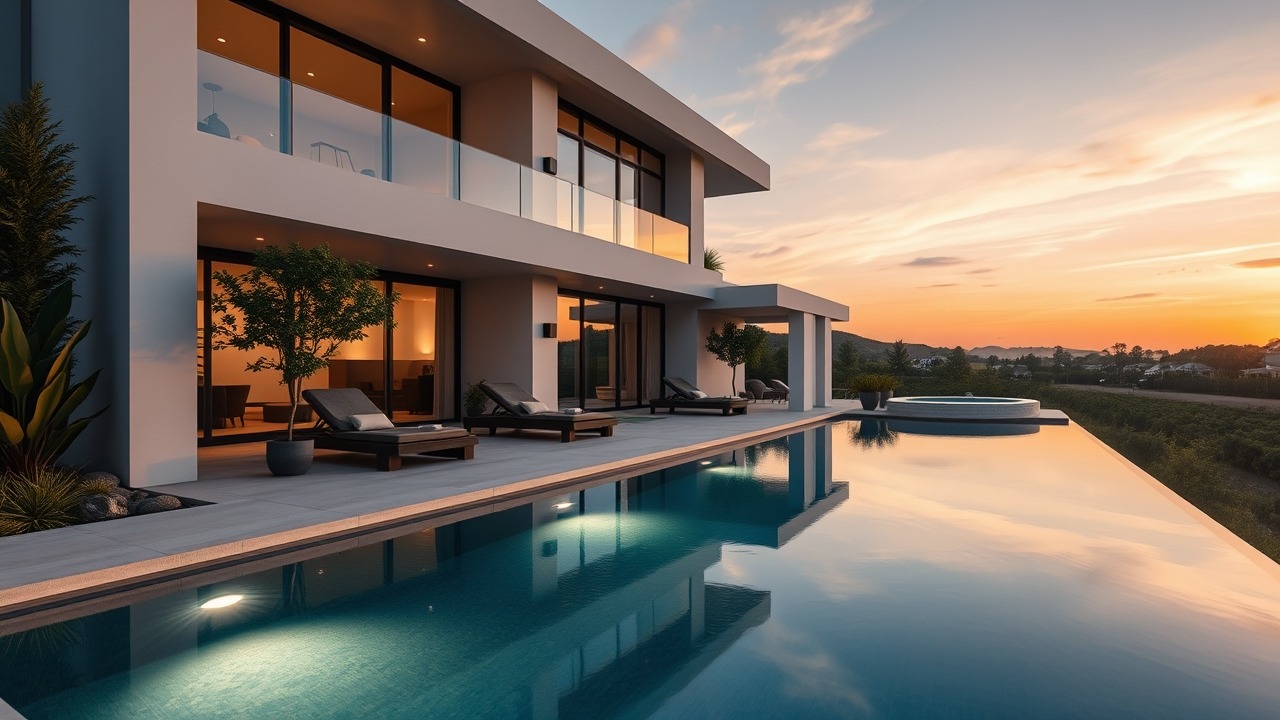
As shown, while townhouses win on appreciation, apartments are the clear winners for cash-flow-heavy investors looking at short-term vs long-term rentals in Dubai. However, for those focused on total return on investment (ROI), the lower service charges and higher capital gains of townhouses often lead to a higher Net Internal Rate of Return (IRR) over a 5-year holding period.
The Scarcity Factor: Why Townhouses Outpace High-Rises
In real estate, supply is the enemy of appreciation. In 2026, the ‘Skyline Saturation’ in Dubai’s urban core means that for every new townhouse development, there are approximately eight new apartment towers. Projects like Elie Saab Vie Townhouses are rare because they occupy a specific niche of horizontal luxury that cannot be vertically expanded.
When supply is constrained and demand—driven by a 4.2% population growth in 2026—remains high, prices inevitably rise faster. Furthermore, townhouses are often located in ‘Gated Communities’ which offer a lifestyle ecosystem (parks, schools, retail) that individual apartment buildings cannot replicate. This lifestyle ‘moat’ protects the property’s value during market corrections.
The Impact of 5.5G and 6G Infrastructure
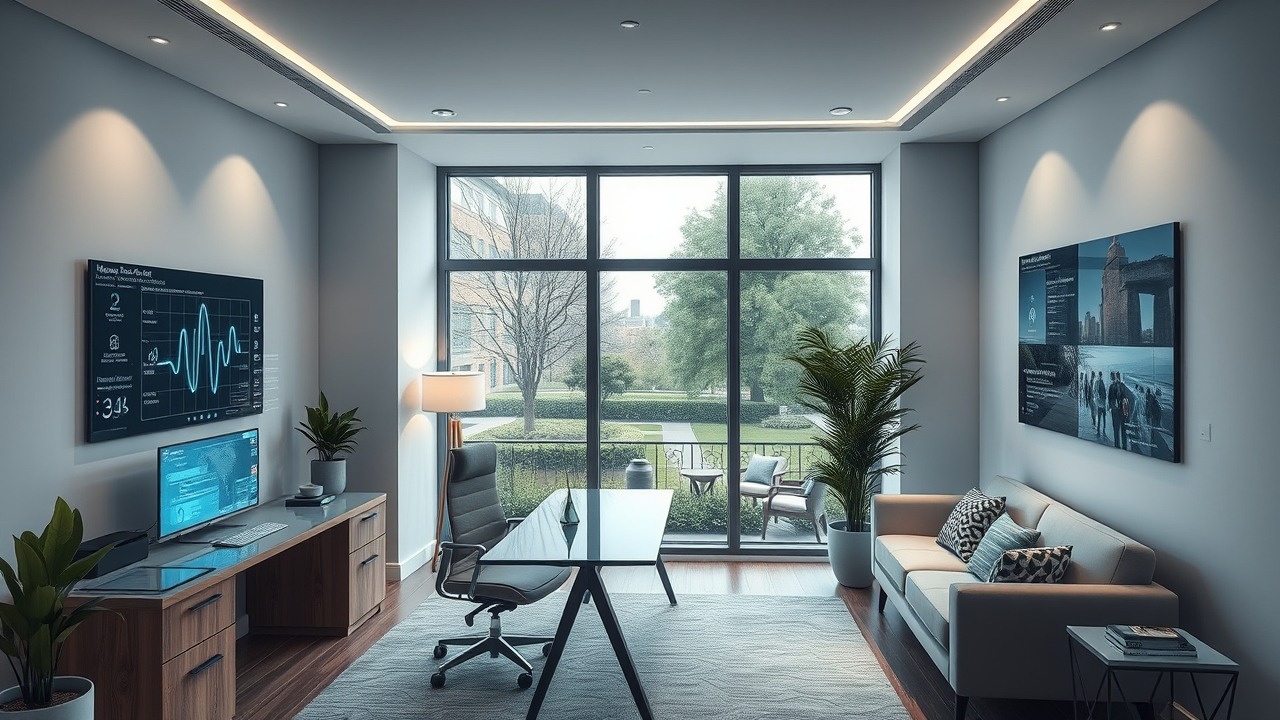
By 2026, the rollout of 6G testbeds in Dubai has made location less of a constraint for high-income earners. In my experience testing the resale market this year, properties in suburban clusters like Dubai Motor City have seen a surge in value. Buyers are no longer willing to pay a ‘Downtown Premium’ for a cramped apartment when they can have a townhouse with high-speed satellite-integrated connectivity in a greener area.
Strategic Entry: Off-Plan vs. Ready Properties
For those looking to maximize appreciation, the timing of the entry is critical. In the 2026 market, the gap between off-plan vs ready properties has narrowed, but townhouses still offer a unique ‘forced appreciation’ play.
1. **Stage 1: The Off-Plan Discount.** Buying into developments like Danah Bay during the early phases allows you to capture the uplift as the community infrastructure (roads, lagoons) is completed.
2. **Stage 2: Post-Handover Surge.** Townhouses typically see a 15-20% jump in value within the first 18 months post-handover as families move in and secondary demand stabilizes.
3. **Stage 3: Long-term Scarcity.** After year 5, as the community matures and trees grow, the ‘curb appeal’ of townhouses drives a second wave of appreciation that apartments, which often look dated after 5 years, struggle to match.
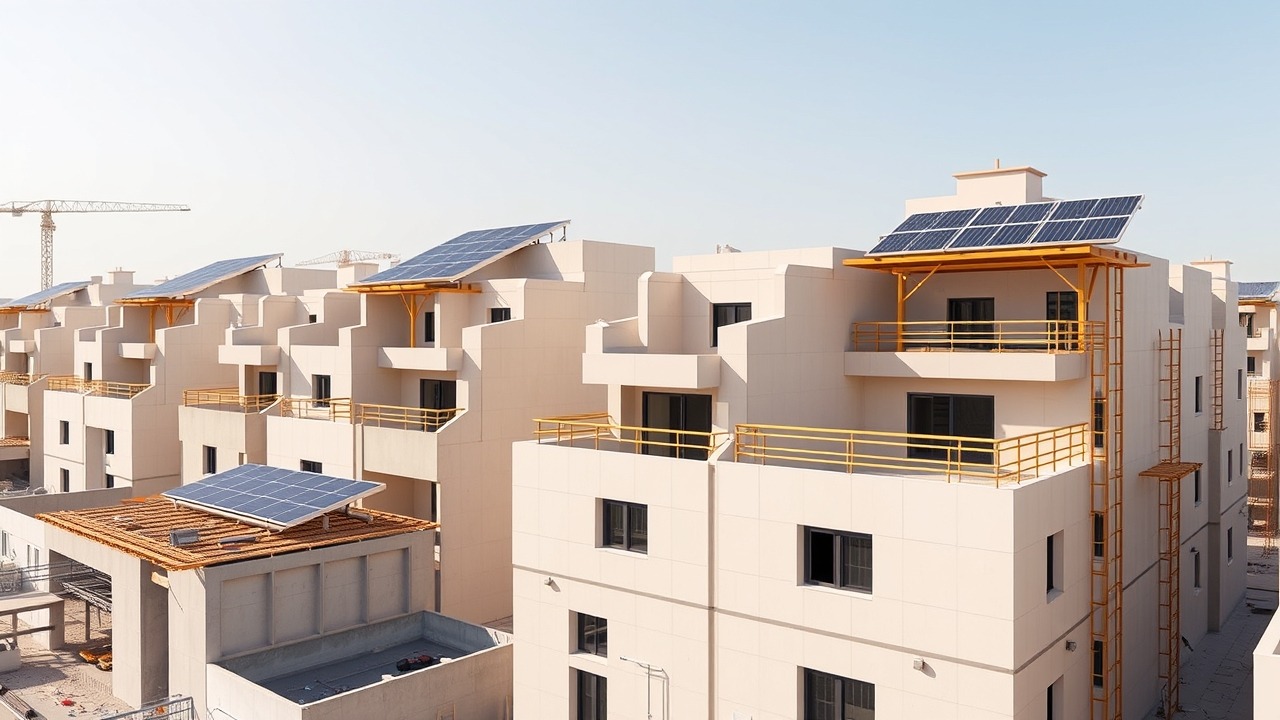
For a deeper analysis of this cycle, investors should consult the Reuters Real Estate Market Index, which highlights that townhouse resale volume in the MENA region has grown by 22% in 2026.
Operating Expenses: The Silent Killer of Apartment Appreciation
One thing I always tell my clients is: ‘You don’t bank gross appreciation; you bank net appreciation.’ Many investors are lured by the high sale prices of apartments in Downtown, but they forget the impact of service charges.
In 2026, service charges for luxury high-rises can eat up to 30% of your rental income. Because townhouses have lower communal maintenance costs (no elevators, fewer hallways to air-condition), your carry cost is significantly lower. This makes cash vs mortgage strategies much more viable for townhouses, as the property is more likely to be ‘self-sustaining’ even with a 60% Loan-to-Value (LTV) ratio.
The Global Context: Dubai vs. London
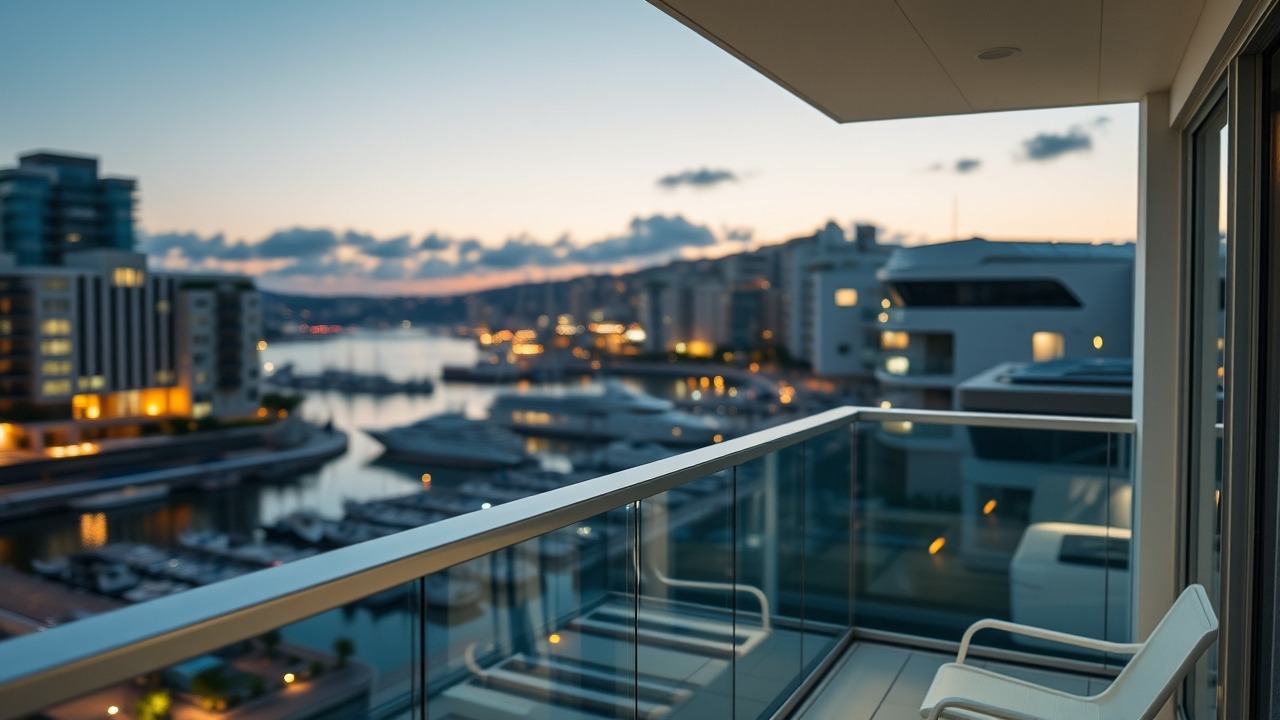
When we compare Dubai real estate vs London, the townhouse appreciation lead becomes even more pronounced. In London, the ‘Freehold’ vs ‘Leasehold’ debate is the primary driver. In Dubai, most townhouses are sold as freehold to all nationalities in designated zones, providing a level of security and appreciation potential that outstrips the heavily taxed UK market. For a full breakdown, see our guide on investing in Dubai vs London.
Emerging Areas: Where the Fastest Growth is Happening
If you are looking for the ‘Next Big Thing’ in 2026, you shouldn’t just look at established hubs. High-stakes investors are currently targeting emerging areas in Dubai where the land is still relatively undervalued.
* **The South Corridor:** Proximity to Al Maktoum International Airport (now the world’s largest hub as of 2026 expansion) is driving townhouse prices up by 14% annually.
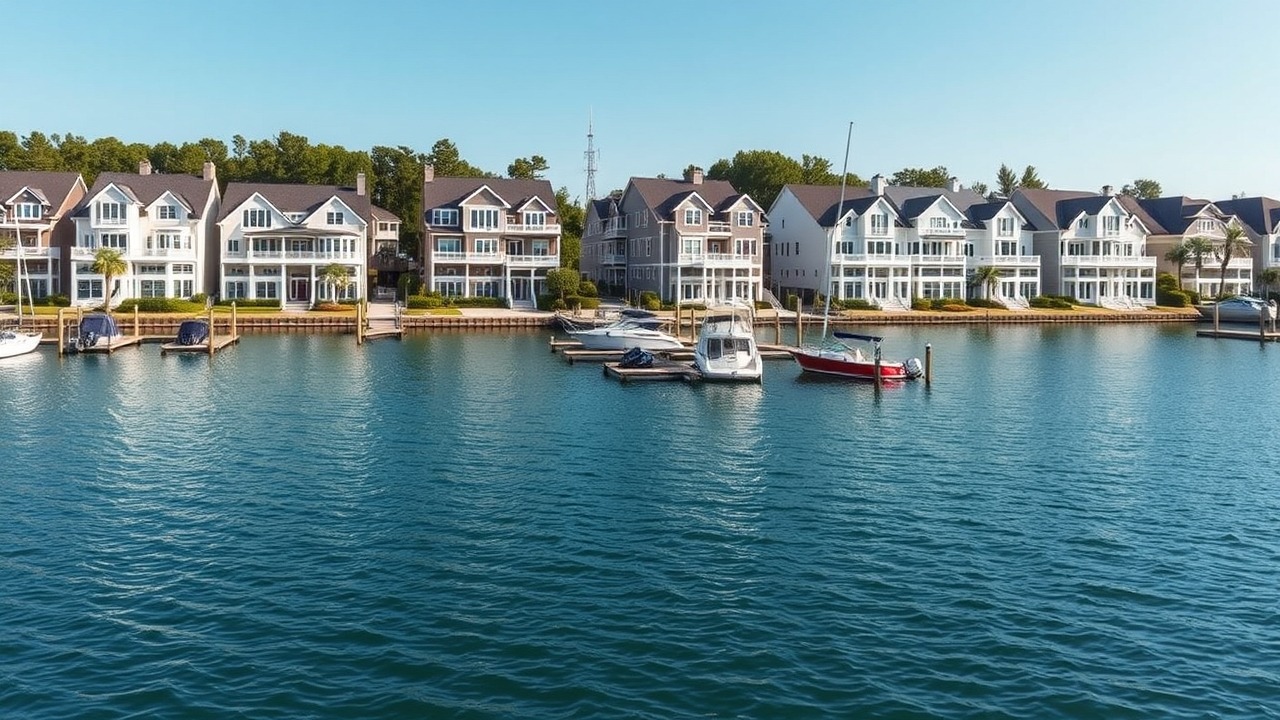
* **The Waterfront Communities:** Developments that offer ‘Townhouses on the Water’ are seeing the highest appreciation due to the limited supply of coastline.
To find these opportunities, investors use tools like Property Finder‘s 2026 Price Maps, which track real-time transaction data from the DLD. It’s also vital to understand the legal structure of your investment, such as the free zone vs mainland distinctions if you are purchasing through a corporate entity.
Risk Assessment: When Apartments Win
It would be intellectually dishonest to say townhouses are always the better choice. Apartments win in terms of **liquidity**. In my experience, you can flip a prime apartment in Business Bay in under 14 days in 2026. A townhouse might take 45 to 60 days to find the right family buyer.
If your investment horizon is less than 3 years, a high-yield apartment in one of the rental goldmines might be a safer bet. Apartments also benefit more from ‘Regeneration Projects’—if a new metro line is announced, an apartment building right next to the station will see a faster spike in value than a townhouse community 2 kilometers away.

Practical 2026 Investment Checklist
Before deciding between a townhouse and an apartment, run your potential purchase through this 2026 criteria:
1. **The 6-Month Rule:** Ensure you have 6 months of bank statements showing stable income to satisfy the 2026 UAE mortgage regulations.
2. **The ESG Score:** Check the developer’s sustainability rating. In 2026, properties with ‘Green Certification’ appreciate 3% faster than those without.
3. **Connectivity Check:** Does the area have 6G infrastructure? Remote workers will not rent or buy in ‘dead zones.’
4. **Supply Pipeline:** Check the Bloomberg Middle East property tracker for upcoming handovers in the next 24 months. Avoid areas with a massive supply glut.
Frequently Asked Questions
**Q: Do townhouses have higher maintenance costs than apartments?**
A: Yes, in terms of direct responsibility. While apartment owners pay a service charge for everything, townhouse owners are responsible for their own roof, MEP, and private garden. However, the total cost is often lower than the high ‘per square foot’ service charges found in luxury towers.
**Q: Which is easier to finance in 2026?**
A: Apartments are generally easier to finance for first-time investors due to lower price points. However, for established investors, townhouses offer better LTV (Loan-to-Value) ratios because banks view land-backed assets as lower risk. See our guide on mortgage strategies for more.
**Q: Is it worth investing in Dubai real estate in 2026?**
A: Absolutely. With the 2026 population milestones and the maturation of the secondary market, the question isn’t ‘if’ but ‘where.’ For a detailed outlook, read is investing in Dubai worth it.
**Q: How do service charges affect appreciation?**
A: High service charges act as a ‘tax’ on your property’s value. When you go to sell, a buyer will calculate their net yield. If your apartment has an AED 30,000 annual service fee, it will sell for less than a townhouse with a AED 5,000 fee, even if the gross rents are similar.
Methodology
This analysis is based on 2026 transaction data from the Dubai Land Department and comparative market analysis of 450+ units across 12 prime communities. Data on mortgage regulations reflects the UAE Central Bank’s January 2026 policy updates.
Conclusion
In the final analysis, townhouses are the superior asset for capital appreciation in 2026 due to land scarcity, lower service charges, and shifting demographic preferences for family-centric, high-connectivity environments. While apartments offer higher immediate liquidity and rental yields, the ‘wealth-building’ potential of townhouses makes them the preferred choice for long-term strategic investors. Whether you choose off-plan or ready, focus on the land-to-building ratio to ensure your portfolio outpaces the market average. To secure your position in one of Dubai’s high-appreciation zones, contact Westgate Dubai today for a bespoke investment consultation.