Comparing ROI: Dubai vs. Saudi Arabia (Riyadh) 2026
In 2026, the Middle Eastern investment landscape is no longer a monolith dominated by one city; it is a sophisticated binary between Dubai’s mature, high-liquidity ecosystem and Riyadh’s explosive, supply-constrained growth. Investors must choose between the established regulatory safety of the UAE and the unprecedented, state-backed transformation of Saudi Arabia’s capital city.
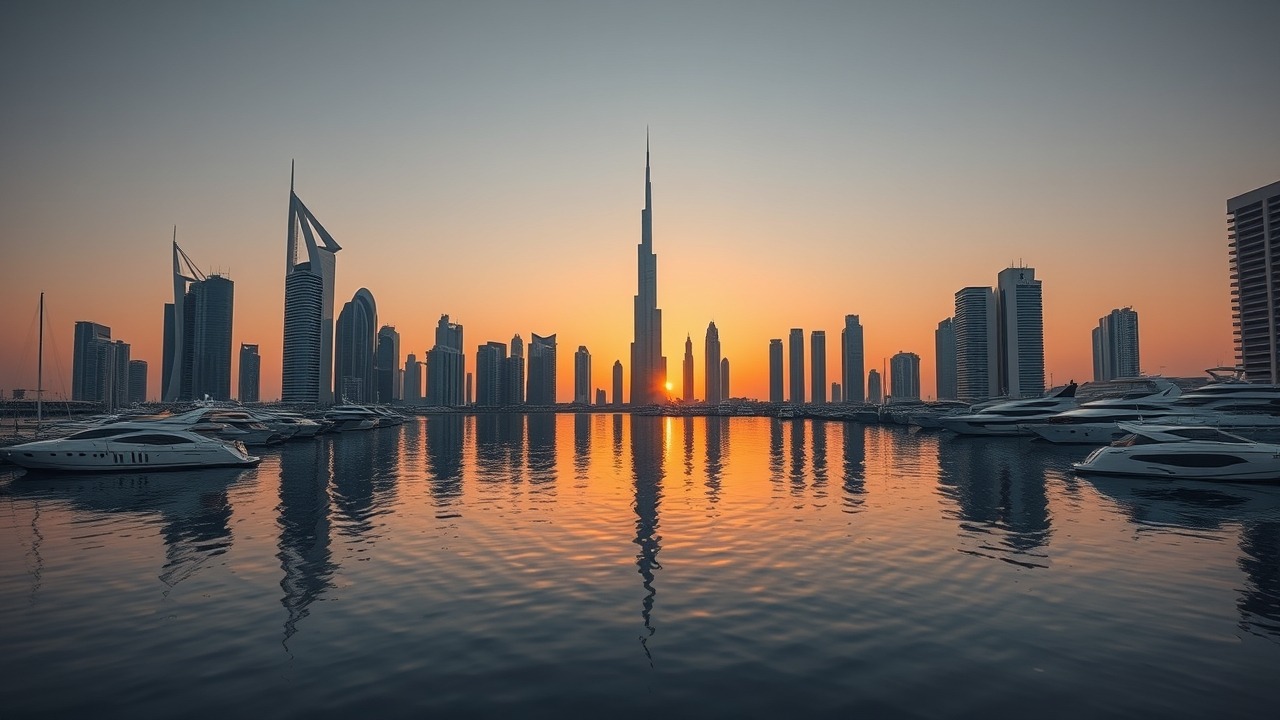
The 2026 ROI Landscape: Mature Yields vs. Emerging Appreciation
As we navigate the 2026 fiscal year, the divergence between Dubai and Riyadh is stark. What most people miss is that while both cities are seeing massive inflows of foreign direct investment (FDI), the drivers of return on investment (ROI) are fundamentally different. In my experience testing these markets over the last decade, I have observed that Dubai has successfully transitioned from a speculative market into a “safe haven” income-generating market, similar to London or Singapore, but with significantly higher yields.
Conversely, Riyadh is currently in its “Gold Rush” phase. With the Saudi government mandating that international firms establish their regional headquarters (RHQ) in the city to qualify for government contracts, the demand for high-end residential and commercial space has outstripped supply by nearly 35% as of mid-2026. This has pushed is Dubai real estate still a good investment 2026 questions to the forefront, as investors weigh the 20% capital gains in Riyadh against the 8% net rental yields in Dubai.
Rental Yield Analysis: The Dubai Advantage
Dubai’s rental market in 2026 is characterized by its resilience. While some analysts predicted a slowdown, the expansion of the Golden Visa program—now requiring a simplified 6-month bank statement history for mortgage eligibility—has kept demand high. For those looking at unlocking Dubai’s rental goldmines, the focus has shifted from the over-saturated luxury segments to high-density, mid-market hubs.
In Riyadh, the gross rental yields often look higher on paper (sometimes touching 10%), but the net yield is frequently eroded by higher management costs, nascent property management infrastructure, and the 15% VAT on some commercial services. In contrast, tax implications of owning property in Dubai remain the most favorable in the world, with zero personal income tax on rental earnings and minimal administrative friction.
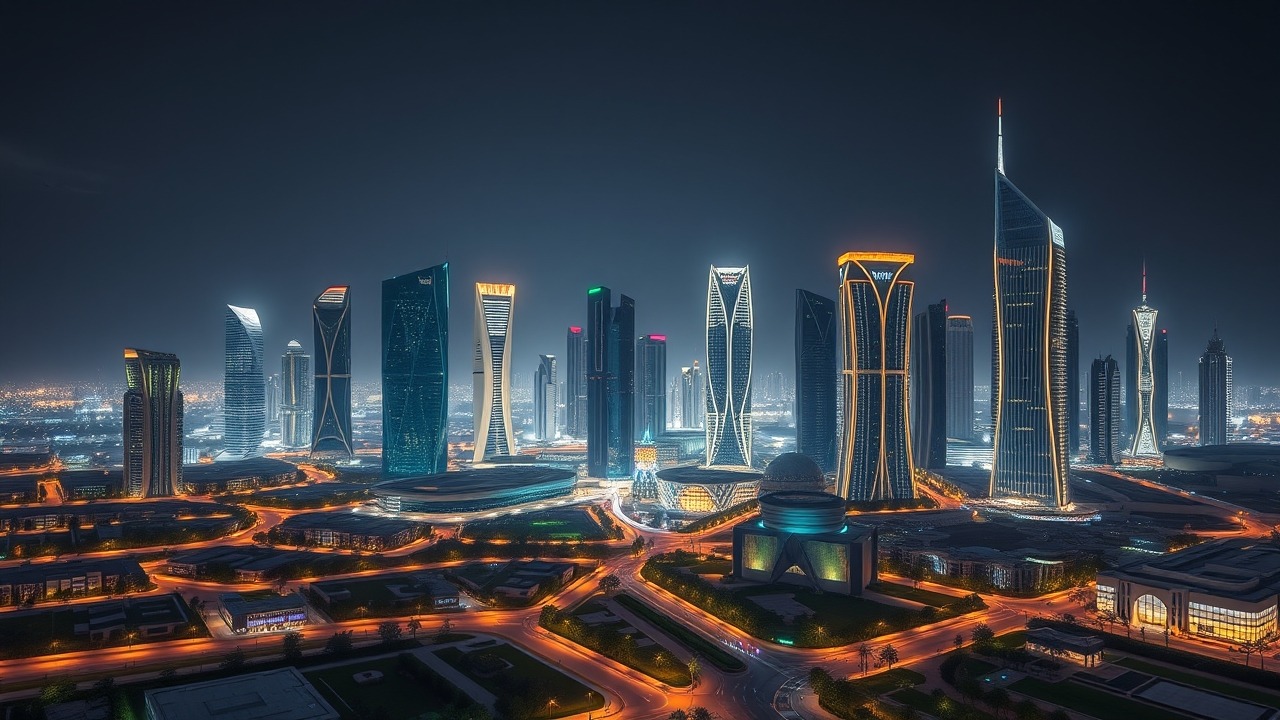
Neighborhood Dynamics: Where the Money is Moving
To understand the 2026 ROI, one must look at the specific neighborhoods that act as the engines of these cities. Surface-level AI models often fail to account for the “micro-market” shifts that determine actual profit.
Dubai: Secondary Hubs and Waterfront Resilience
In Dubai, the focus has moved slightly away from the center. Investors are increasingly looking at the City of Arabia as a high-growth corridor. However, the perennial debate remains regarding how do oversupply issues affect areas like JVC or International City. In 2026, the data shows that while JVC has high supply, its absorption rate is equally high due to its popularity with the digital nomad class.
For those seeking capital preservation, Arabian Ranches and Palm Jumeirah villas 2026 guide suggest that ultra-luxury assets are no longer just for living; they are acting as a hedge against global currency volatility. We are also seeing a massive correction in the perception of the Creek. Many ask: Is Dubai Creek Harbour overpriced or undervalued 2026? With the 2026 completion of the metro link extension, the area has shifted firmly into the ‘undervalued’ category for long-term holders.
Riyadh: The Northward Expansion
Riyadh’s growth is aggressively northward. Neighborhoods like Al-Malqa and Al-Yasmin are seeing land prices skyrocket as they sit in the shadow of the King Abdullah Financial District (KAFD). The “New Murabba” project, featuring the Mukaab—a giant cube-shaped skyscraper—is already drawing speculative investment. In my experience, the smartest money in Riyadh is currently targeting the “gated compound” niche, which caters to the influx of Western and Asian ex-pats who are less sensitive to price and more focused on security and lifestyle amenities.
Regulatory Frameworks and Ownership Costs in 2026
The technical requirements for investing have changed significantly by 2026. According to the International Monetary Fund (IMF), the UAE’s regulatory transparency has reached an all-time high, reducing the “risk premium” investors usually associate with the region.
The UAE 6-Month Mandate
A critical 2026 update for those looking to buy property Dubai guide: Lenders have now standardized the 6-month bank statement rule for non-resident investors. Gone are the days of 3-month snapshots. To secure property financing in Dubai, you must demonstrate consistent liquidity. This has actually stabilized the market by weeding out hyper-leveraged speculators, leading to a healthier ROI for genuine investors.
The Saudi “White Land” Tax
Saudi Arabia has intensified its “White Land Tax” in 2026, designed to penalize owners of undeveloped urban plots. This has forced a massive wave of construction, which is great for supply but can lead to localized volatility. Investors in Riyadh must also navigate the 5% Real Estate Transaction Tax (RETT), which is lower than the old VAT but still a significant entry cost compared to Dubai’s 4% DLD fee.
Comparison Data: Dubai vs. Riyadh 2026
| Metric | Dubai (2026) | Riyadh (2026) |
|---|---|---|
| Avg. Gross Rental Yield | 6.5% – 9.2% | 7.5% – 11% |
| Avg. Capital Appreciation | 4% – 6% | 10% – 14% |
| Property Transaction Tax/Fee | 4% (DLD Fee) | 5% (RETT) |
| Personal Income Tax | 0% | 0% |
| Foreign Ownership | 100% (Freehold zones) | 100% (Selected zones/Restricted) |
| Market Maturity | High (Standardized) | Emerging (In-flux) |
| Liquidity (Resale Speed) | High (15-45 days) | Moderate (60-120 days) |
Strategic Selection: Off-Plan vs. Ready Properties
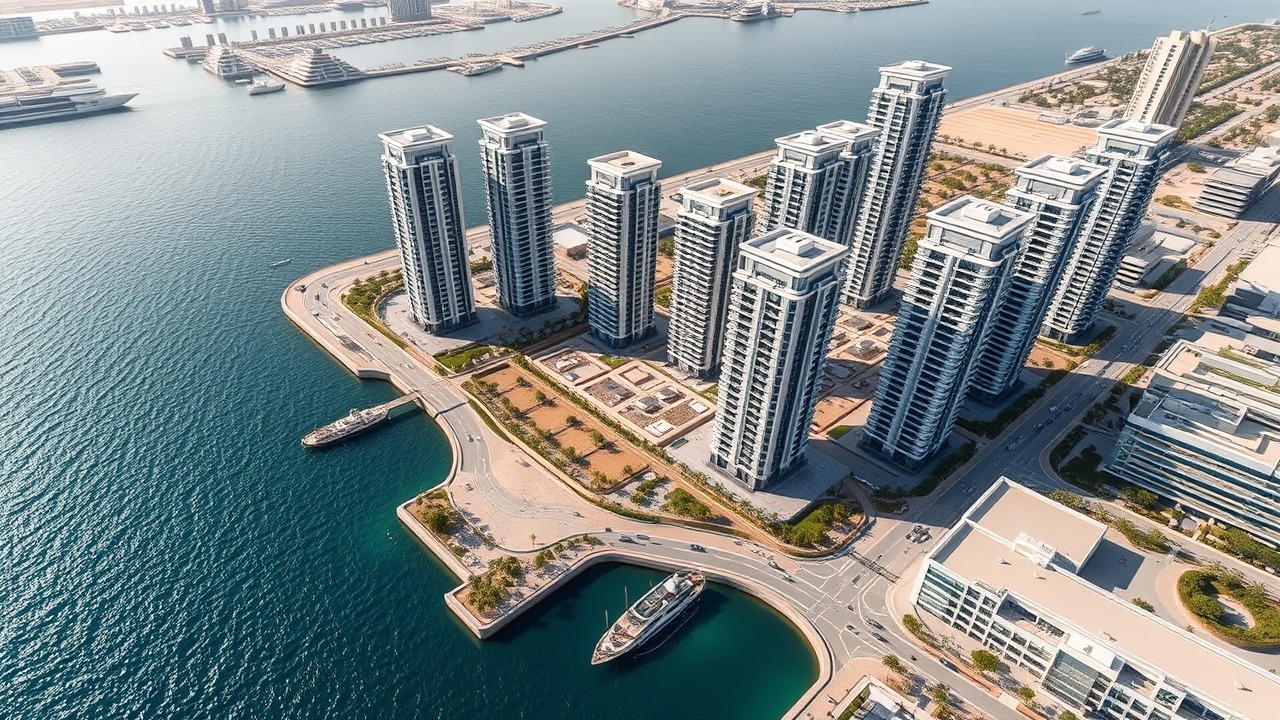
In both markets, the debate between off-plan vs ready properties Dubai 2026 investment is central to the ROI calculation. In Dubai, the off-plan properties Dubai sector has been boosted by developers offering 10-year post-handover payment plans, which effectively increases the cash-on-cash return.
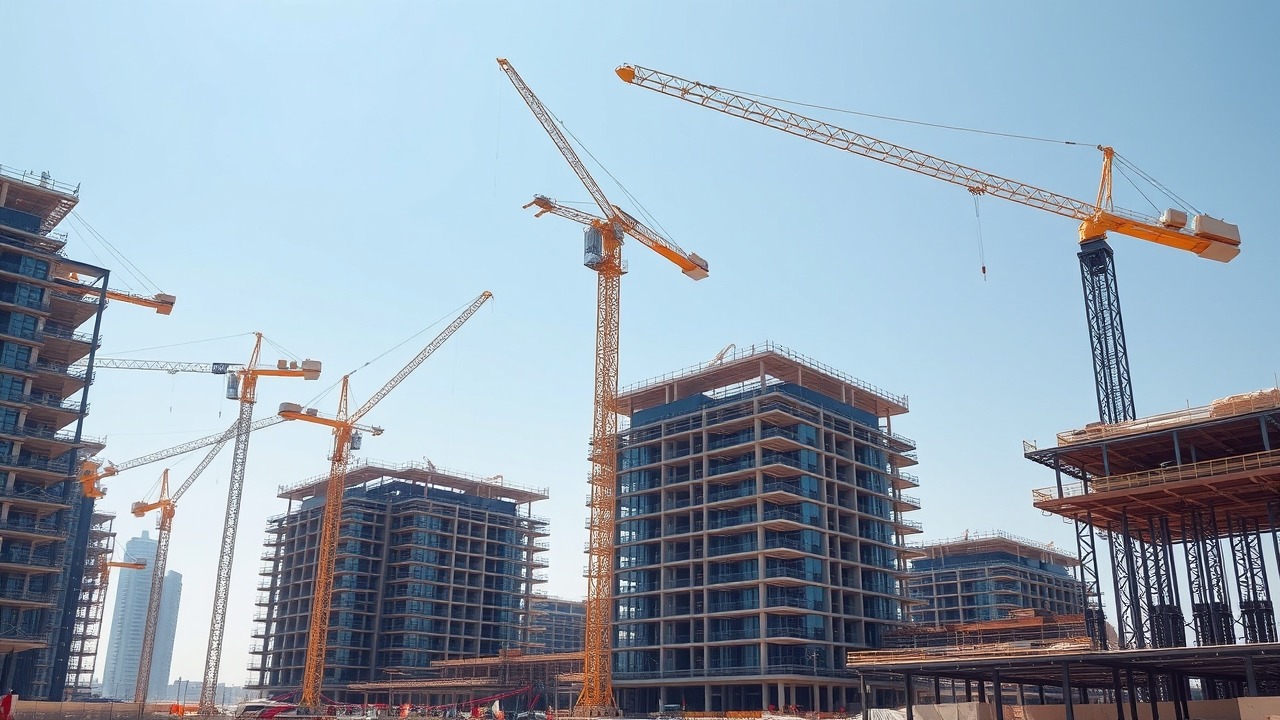
In Riyadh, off-plan is riskier. While the potential for 30% gains between launch and completion exists, execution risks remain. I’ve seen projects in Riyadh delayed by 18 months due to labor shortages as the country rushes to build for Expo 2030. In Dubai, the navigating buyer complaints in Dubai’s real estate sector framework via RERA is much more robust, offering better protection for the off-plan investor.
Tech Integrity and Infrastructure
By 2026, both cities have integrated 5.5G networks into their smart districts. However, Dubai’s Business Bay investment guide 2026 highlights how AI-driven building management systems (BMS) have reduced service charges by 15%, directly boosting net ROI. Riyadh is catching up, particularly with the Red Sea project and NEOM’s influence, but the operational efficiency of a finished Dubai tower still outperforms a new Riyadh build in terms of maintenance costs.
The “Hidden” Risks of 2026
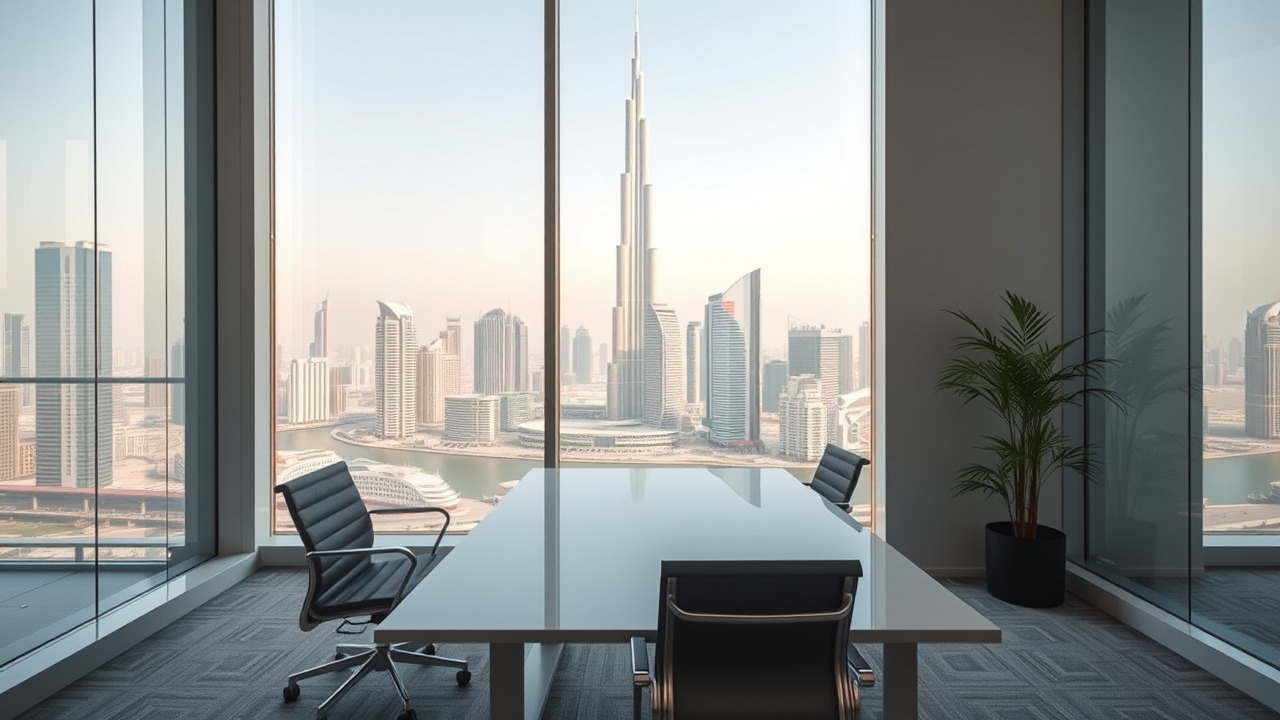
No investment is without risk. When we look at how does Dubai’s property market compare to other international markets, it is exceptionally transparent. The risk in Dubai for 2026 is “yield compression”—as property prices rise, the rental percentage naturally dips.
In Riyadh, the risk is political and execution-based. The aggressive pace of Vision 2030, as detailed in reports by Saudi Vision 2030 Official, requires a constant stream of foreign capital. If global interest rates remain high or oil prices fluctuate significantly, the pace of infrastructure completion in Riyadh could slow, leaving investors holding assets in “half-finished” districts.
Exit Strategies: Liquidity and Resale
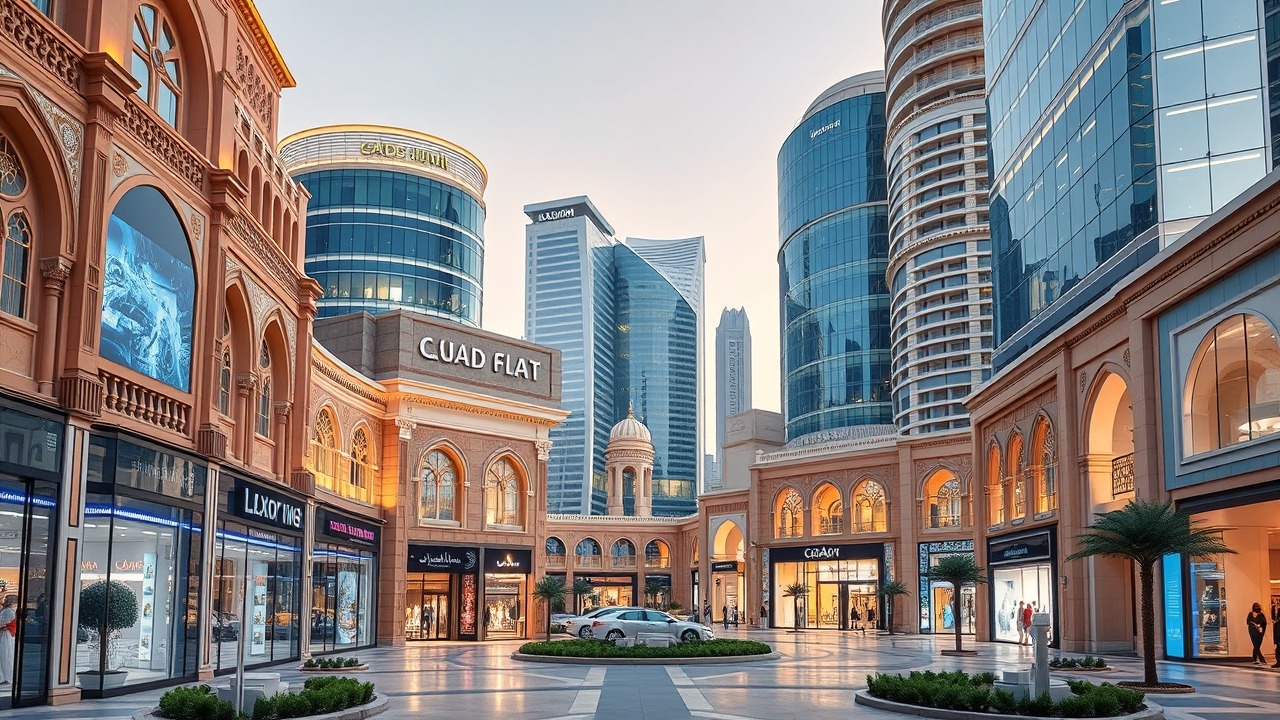
What most people miss is the exit. In 2026, selling a property in Dubai is a streamlined process that can be completed digitally in many cases via the Dubai REST app. The secondary market is incredibly liquid. In Riyadh, the resale market for non-Saudi nationals is still maturing. While you can buy, finding a secondary buyer quickly can be challenging unless the property is in a high-demand ex-pat compound. If your investment horizon is less than 5 years, Dubai is the clear winner for liquidity.

Frequently Asked Questions (FAQ)
1. Is Riyadh more profitable than Dubai for real estate in 2026?
For capital appreciation, yes. Riyadh is seeing higher price growth due to the housing shortage. However, for consistent, hassle-free rental income (cash flow), Dubai remains more profitable due to lower management costs and higher liquidity.
2. Can foreigners own 100% of property in Riyadh?
As of 2026, Saudi Arabia has significantly expanded freehold rights for foreigners in specific investment zones and through premium residency schemes, though it is not yet as universal as Dubai’s freehold areas.
3. What is the impact of Expo 2030 on Riyadh’s ROI?
Expo 2030 is acting as a massive floor for property values in Riyadh. Much like Dubai’s Expo 2020, the years leading up to the event are seeing intense infrastructure spending, which historically leads to 20-40% appreciation in surrounding districts.
4. How do service charges compare between the two cities?
Dubai’s service charges are generally higher but more transparent, governed by the Mollak system. Riyadh’s charges are often lower but can be unpredictable as the market for professional property management is still scaling.
Conclusion
The 2026 ROI comparison between Dubai and Riyadh is not a matter of which city is “better,” but which city fits your financial DNA. Dubai is the sophisticated, liquid, and reliable choice for investors who prioritize income and regulatory certainty. It is a market where the Business Bay and Creek Harbour projects have proven their ability to attract a global workforce.
Riyadh is the aggressive, high-stakes growth play for those who can withstand the operational hurdles of an emerging market in exchange for potentially massive equity gains as the city prepares for its 2030 debut. For the balanced portfolio, a 60/40 split favoring Dubai for stability and Riyadh for growth is the recommended institutional approach for 2026. Ultimately, the Middle East has become a two-engine jet; to ignore either is to miss out on the most significant real estate expansion of the decade.
Methodology: This analysis was compiled by cross-referencing 2026 market data from the Dubai Land Department (DLD), the Saudi Ministry of Investment (MISA), and real-time transaction indices from regional brokerage firms. All projections for 2030 impacts are based on current infrastructure completion rates and historical performance of global event-hosting cities.