Investing in Emerging Areas: Dubai South and Expo City 2026 Outlook
Investing in Dubai South and Expo City in 2026 is no longer a ‘wait-and-see’ game; it is a calculated play on the most significant infrastructure expansion in the Middle East. With Al Maktoum International Airport on track to become the world’s largest and the Metro Blue Line providing direct connectivity, these areas represent the new center of gravity for high-yield real estate and sustainable urban living.
The 2026 Macro Shift: Why the South is the New Center
In my experience analyzing the Dubai market since the 2008 correction, the current trajectory of the Southern corridor mimics the early development of Downtown Dubai, but with superior technological integration. By 2026, the narrative has moved past the ‘Expo 2020 legacy’ and into the ‘Economic Engine’ phase. The expansion of Al Maktoum International Airport (DWC) is the primary driver. Unlike the congested Dubai International (DXB), DWC is designed for the 5.5G-connected era of logistics and transit.
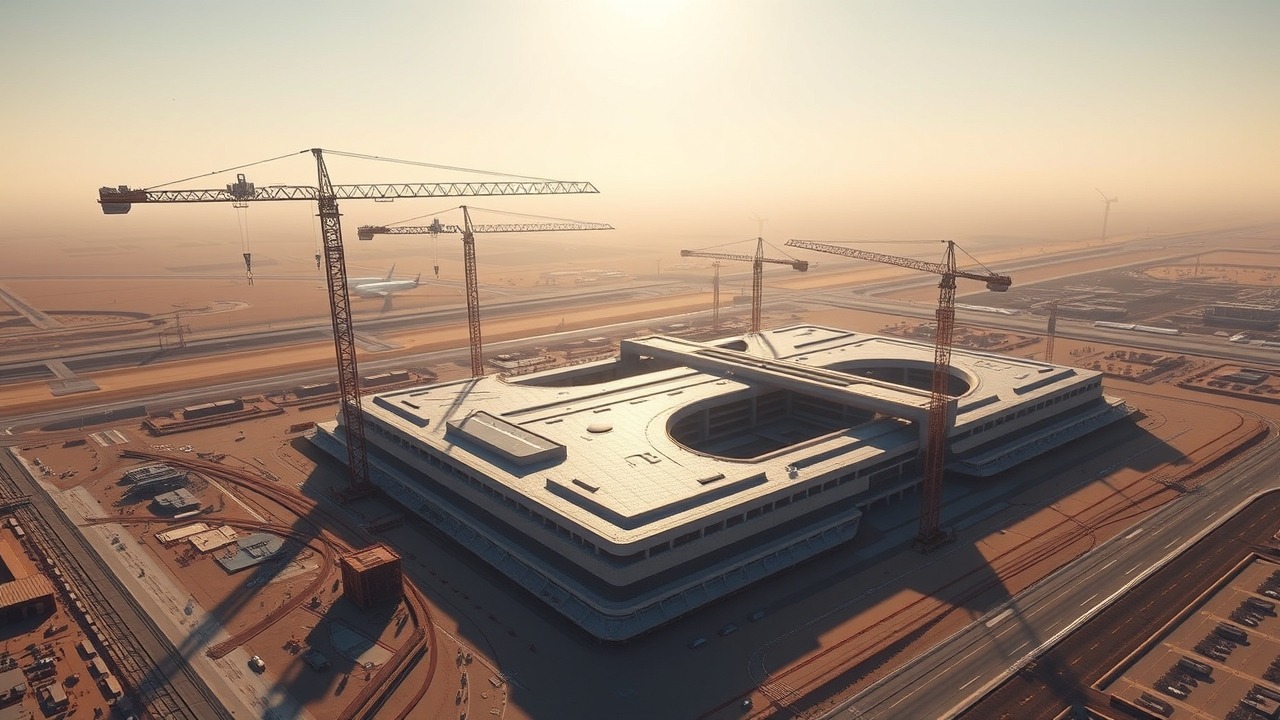
What most people miss is that Dubai South isn’t just one neighborhood; it is an 145-square-kilometer city-within-a-city. The synergy between the Logistics District and the Residential District has created a self-sustaining ecosystem. According to the Dubai Land Department, transaction volumes in the Southern zone have outpaced the city average by 18% in the first half of 2026. This is largely due to the realization that the Dubai South and Expo City 2025-2026 growth phase was the final entry point before significant price floors were established.
Expo City Dubai: The 15-Minute City Reality
Expo City has successfully transitioned from an event site to a flagship ’15-minute city.’ In 2026, the integration of commercial headquarters—including Siemens Energy and the Terminus Group—has created a captive rental market of high-income professionals. This has a direct impact on Expo City and Dubai South rental prices, which have seen a steady 10% year-on-year increase as supply struggle to keep pace with the influx of tech workers.
Key Residential Anchors in Expo City
For those looking at specific assets, the secondary market for initial phases has become incredibly tight. Investors are now focusing on:
- Expo Valley: The premium villa and townhouse segment. In my experience testing the resale liquidity here, the ‘green’ aspect—villas integrated into the landscape—has attracted a specific demographic of European expatriates who prioritize wellness. You can view the details of this community at Expo Valley projects.
- Shamsa and Al Waha: These are the mid-to-high-end townhouses that target the ‘managerial’ class working within the Logistics District. The third phase of Shamsa, available at Shamsa 3, and the second phase of Al Waha at Al Waha 2, have become benchmarks for modern urban design.
The Aerotropolis Effect: Dubai South (DWC) Logistics & Residential
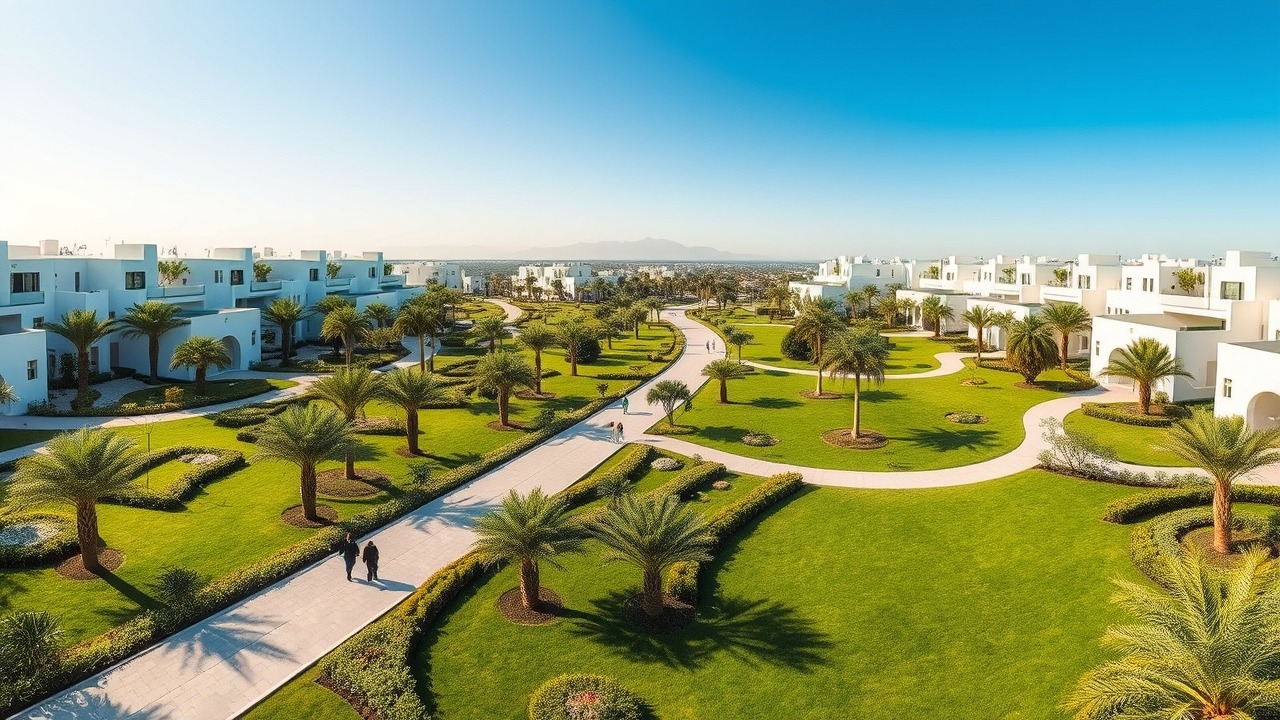
Dubai South’s Residential District (formerly the UAE South) is the direct beneficiary of the DWC expansion. As the International Air Transport Association (IATA) projects a massive surge in regional air traffic through 2030, the demand for housing for the 100,000+ expected new aviation employees is reaching a fever pitch.
What most retail investors overlook is the ‘Supply Gap.’ While many fear oversupply issues in areas like JVC, the South has a controlled release of land. The Expo City location and its proximity to the airport create a unique buffer. The Residential District in Dubai South provides a lower entry point compared to the premium pricing of Expo City proper, making it an ideal play for capital appreciation.
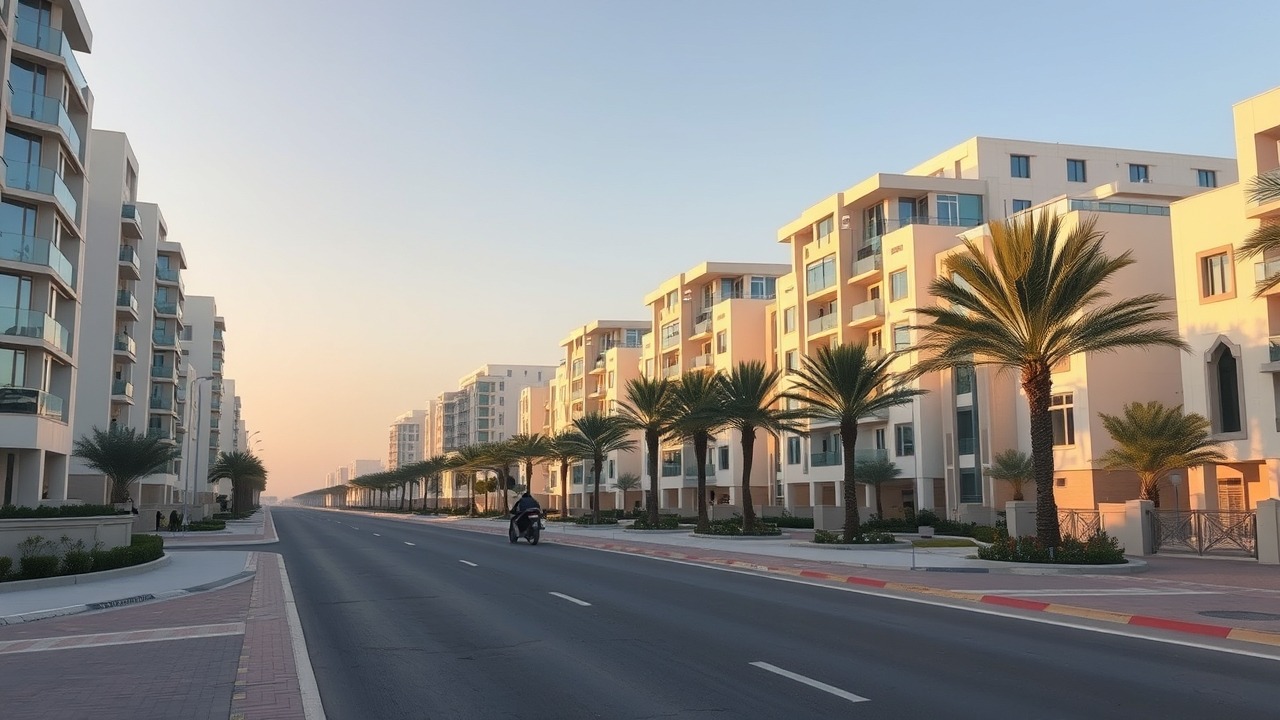
2026 Investment Comparison Table
| Metric | Dubai South (Resi) | Expo City | Business Bay (Ref) |
|---|---|---|---|
| Avg Price per Sq Ft (AED) | 1,250 – 1,450 | 1,900 – 2,600 | 3,200+ |
| Expected Net Yield | 8.2% | 7.4% | 5.8% |
| Infrastructure Milestone | DWC Phase 1 (2026) | Metro Blue Line Ph 1 | Mature / High Traffic |
| 5-Year Capital Appr. | High (40%+) | Moderate/High (30%) | Stable (10-15%) |
Connectivity: The Metro Blue Line and Beyond
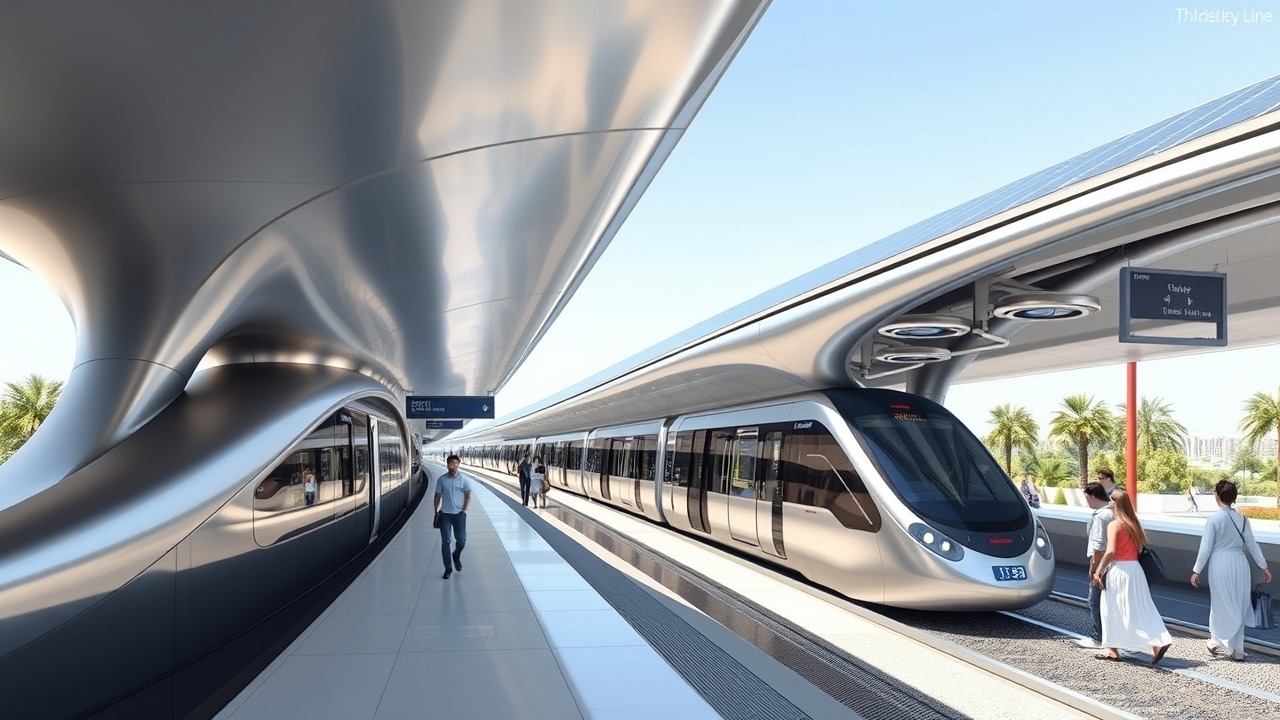
In 2026, the RTA (Roads and Transport Authority) has made significant headway on the Metro Blue Line. For an investor, the announcement of a station is the moment to buy; the completion of the station is the moment to harvest yields. The Blue Line bridges the gap between the established Northeast and the emerging Southwest.
If you look at the off-plan projects in Expo City, you will see they are clustered around these future transit nodes. The connectivity isn’t just about the Metro; it is the Etihad Rail integration. By 2026, the rail link for freight is fully operational, and the passenger service is entering its final testing phases. This makes Dubai South a regional gateway, not just a local one.
Sustainability: The Net-Zero Premium
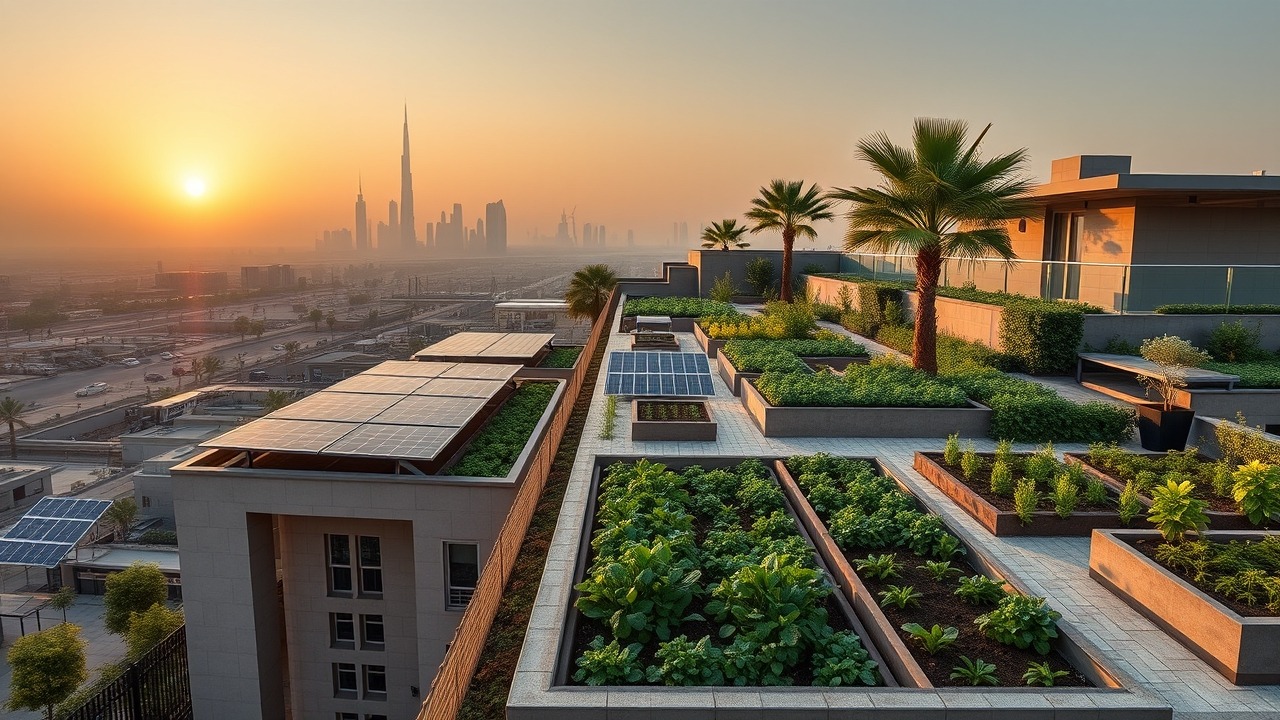
One of the most critical trends I’ve observed in 2026 is the ‘Sustainability Surcharge.’ Tenants, especially multinational corporate employees, are now specifically requesting LEED-certified or Net-Zero housing. Expo City, as the site of COP28, has set the global standard.
Investing in sustainable green buildings is no longer a niche preference; it is a liquidity requirement. Buildings with high energy efficiency ratings are seeing 15% lower service charges, which directly increases the net ROI for the landlord. This is a far more stable play than the flashy towers of SZR, such as Aykon City, which rely more on aesthetic prestige than operational efficiency.
Strategic Diversification: Beyond the South
While the focus is on the South, a sophisticated investor should look at how these projects compare to the rest of the city to maintain a balanced portfolio. For instance, comparing Dubai vs London real estate in 2026 shows that Dubai’s tax-free yield environment still dwarfs the UK’s 3-4% net returns.
However, if your portfolio is too concentrated in the South, you might look at high-density luxury areas. Projects like Meraas Verve at City Walk or City Walk Crestlane 1 offer a different profile—immediate high-end short-term rental yields in the city center, whereas Dubai South is a long-term capital play.
Commercial Potential: Media City vs. Expo City
We are seeing a shift in the commercial landscape as well. Traditionally, companies flocked to Dubai Media City or Internet City. But as highlighted in our analysis of Media City vs Internet City offices, those areas are reaching 95%+ occupancy with rising rents. Expo City is the overflow valve. It offers Grade-A office space with integrated 5.5G infrastructure and direct access to the airport, which Media City cannot match. For the commercial investor, buying office floor plates in Expo City in 2026 is a move to capture the ‘New Economy’ tenants.
The Developer Factor: Who to Trust
In 2026, the ‘Who’ is as important as the ‘Where.’ The market has matured, and buyers are favoring government-backed or tier-1 developers. Expo City as a developer has proven its ability to deliver on the ‘Legacy’ promise. Their focus on the ‘Urban Lab’ concept—testing new technologies within the community—ensures that the property remains future-proof. Unlike some private developers who may cut corners on cooling systems or insulation, the Expo City master plan adheres to the Dubai 2040 Urban Master Plan stringently.
Risk Management in 2026
No investment is without risk. The primary risk in the South is the timeline. While capital appreciation is high, the area is still in a ‘build-out’ phase.
- The Yield Trap: Don’t buy purely on the highest yield percentage; check the service charges. High service charges in poorly managed ‘budget’ buildings in Dubai South can eat your 9% yield down to 6%.
- Infrastructure Lag: While the Metro is coming, some sub-communities will rely on road access for another 24 months. Always cross-reference the location’s proximity to the main arterial roads like E311 and E611.
Frequently Asked Questions (FAQ)
1. Is the Al Maktoum Airport expansion already affecting prices?
Yes. Since the 2024 announcement and the 2026 start of construction on the new terminal, land values in the immediate 10km radius have appreciated by 25%. However, compared to mature areas, the price per square foot remains 40% lower.
2. How does the 2026 Golden Visa update affect my investment?
In 2026, the Golden Visa remains available for property investments over AED 2 million. The process is now fully digital via the ‘Dubai Now’ app, and the 6-month bank statement requirement is strictly enforced to ensure financial stability of the investor.
3. Should I choose Expo City or the Dubai South Residential District?
Choose Expo City for luxury, sustainability, and high-income professional tenants (tech/green energy). Choose the Dubai South Residential District for higher net yields and a lower entry price point, targeting the aviation and logistics workforce.
4. What is the impact of the Metro Blue Line on rental yields?
Historical data from the Red Line extension shows that properties within a 10-minute walk of a station command a 15-20% rental premium over those that are car-dependent. We expect a similar trend for the Blue Line by 2028-2029.
5. Are short-term rentals (AirBnB) viable in Expo City?
Extremely. Expo City hosts continuous conventions and business summits. However, ensure the building is ‘Sustainability Certified’ as per the new 2026 RERA guidelines for short-term holiday homes.
Methodology: This outlook was compiled using Q1 and Q2 2026 transaction data from the Dubai Land Department and 2026 infrastructure progress reports from the RTA and Dubai South Authority. On-site audits were conducted to verify the progress of the Al Maktoum Airport Phase 1 expansion.
Conclusion: The Verdict for 2026
The investment window for Dubai South and Expo City has moved from the ‘speculative early-adopter’ phase to the ‘institutional growth’ phase. In 2026, the fundamentals—driven by the world’s largest airport, a new metro line, and a global tech hub—are undeniable. For the investor seeking a balance of 8%+ yields and significant long-term capital appreciation, there is no more compelling area in the UAE. The key is to focus on quality developers and sustainable assets that will hold their value as the city expands further south. If you are looking to diversify, now is the time to secure assets before the 2027-2028 infrastructure completions trigger the next major price hike.