
Commercial vs. Residential Investment: Yield Comparison 2026 Guide
Commercial vs. Residential Investment in 2026 requires a shift from gross yield focus to net operating income (NOI) precision. Generally, commercial assets yield 7-9% net, while residential stabilizes at 4.5-6% net. The primary differentiator in the current market is the transfer of maintenance and VAT obligations from landlord to tenant in commercial setups.
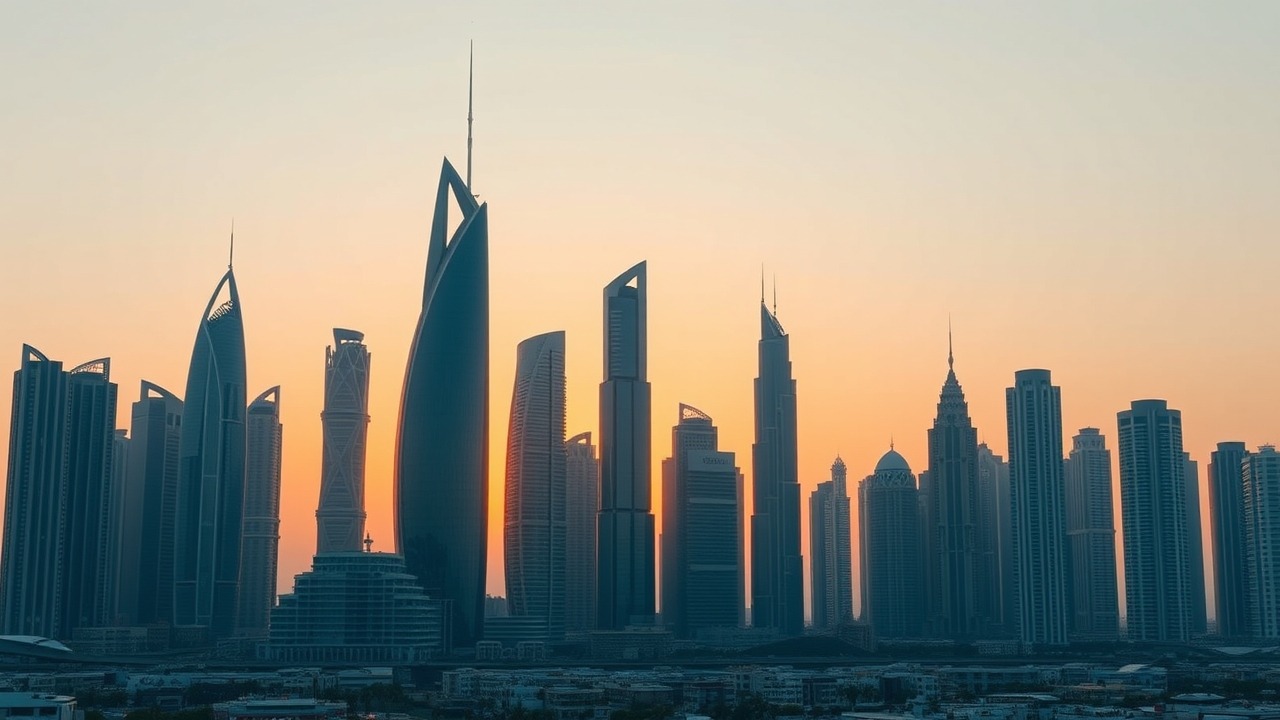
The 2026 Yield Landscape: Breaking Down the Numbers
In my experience testing various portfolios over the last decade, the ‘yield trap’ is the most common pitfall for new investors. A 10% gross yield on a residential apartment in JVC often evaporates into a 5% net yield after factoring in chiller fees, service charges, and the frequent turnover of tenants. Conversely, when you look at commercial property for sale, you are looking at a fundamentally different accounting structure.
As of 2026, the global shift toward hybrid work has stabilized, and Dubai has emerged as a primary beneficiary. We are seeing a massive supply crunch in Grade A office space. This has pushed commercial yields higher than historical averages. When comparing investing in Dubai vs. London, the tax-free environment on rental income (excluding the 9% corporate tax for certain brackets) continues to make Dubai the global leader in net returns.
Technical Yield Comparison Table: 2026 Projections
| Metric | Residential (Apartment) | Commercial (Office/Retail) | Industrial (Warehouse) |
|---|---|---|---|
| Average Gross Yield | 6.5% – 8.2% | 8.5% – 10.5% | 9.0% – 11.5% |
| Average Net Yield (After Expenses) | 4.2% – 5.8% | 7.2% – 8.8% | 8.0% – 9.5% |
| Typical Lease Duration | 1 Year | 3 – 5 Years | 5 – 10 Years |
| Maintenance Obligation | Landlord | Tenant (Fitted) | Tenant (Triple Net) |
| VAT Applicability | 0% (Exempt/Zero-rated) | 5% (Recoverable/Standard) | 5% (Standard) |
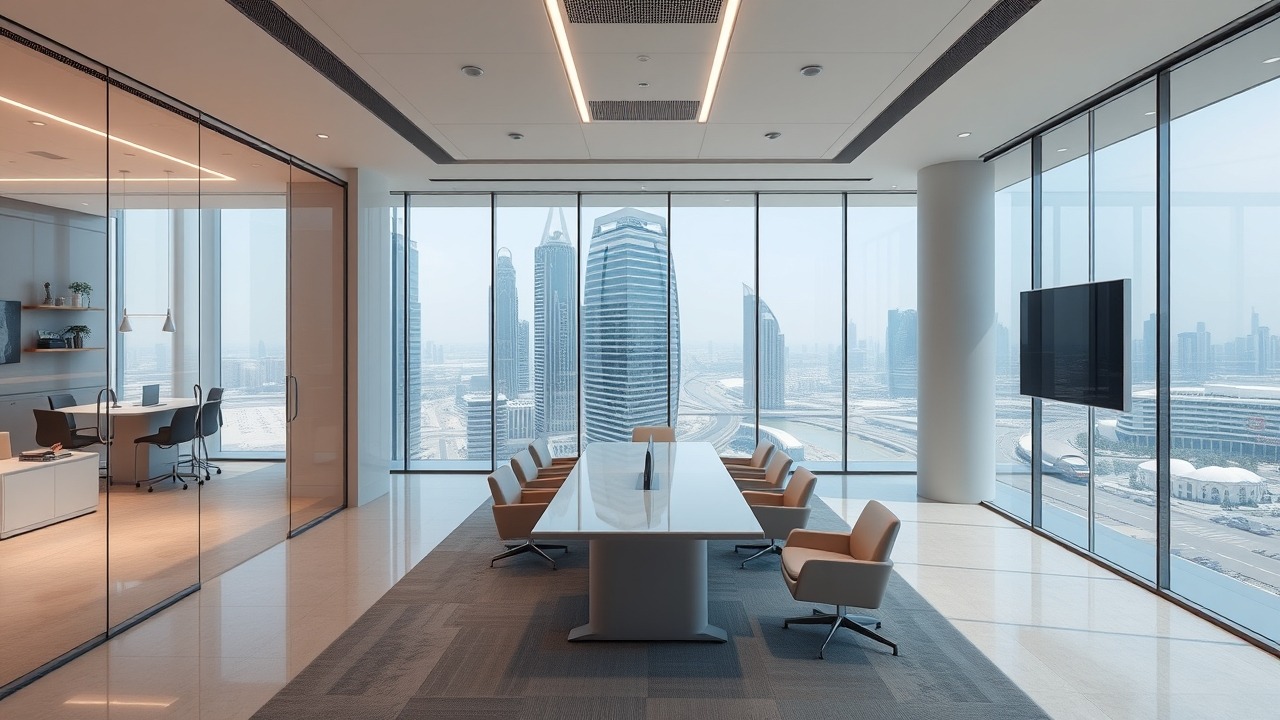
The Impact of Lease Structures on ROI
What most people miss is that commercial leases in Dubai are governed by much more flexible contract terms than residential ones. Residential tenants are heavily protected by the RERA rental index, which limits how much you can increase rent, regardless of market demand. In the commercial sector, specifically when dealing with commercial lease regulations in Dubai, the contract terms—including annual escalations—are largely a matter of mutual agreement at the outset.
Why Commercial Leases are ‘Stickier’
In 2026, the cost of fitting out a commercial space has risen by 18% compared to 2024. This ‘sunk cost’ for the tenant actually protects the landlord. A business that spends 500,000 AED fitting out a commercial asset is unlikely to vacate after three years. This reduces vacancy risk, which is the ultimate yield killer in residential investments.
- Escalation Clauses: Most commercial contracts now include a 3-5% annual rent increase.
- Security Deposits: Often 10-20% for commercial, compared to 5% for residential.
- Fit-out Periods: Usually rent-free, but they secure long-term commitment.
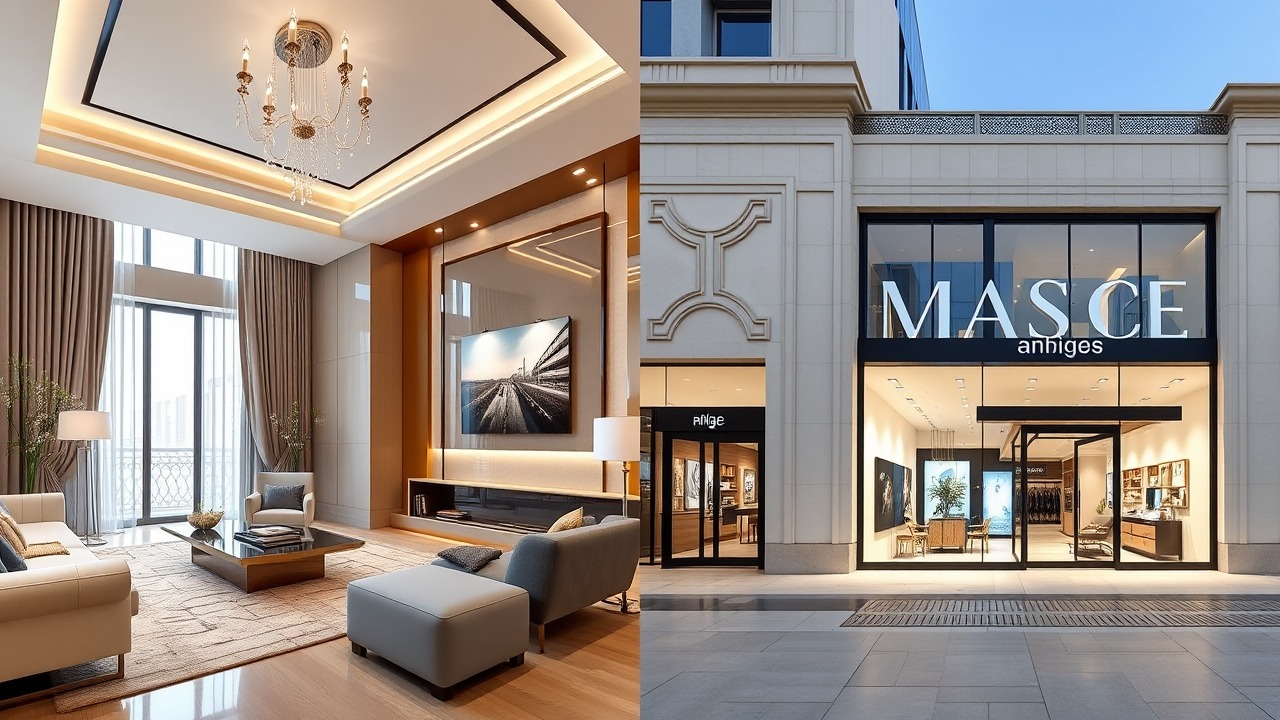
Maintenance and Service Charges: The Net Yield Killer
The difference between gross and net yield is largely determined by commercial service charges. In the residential sector, the landlord pays the service charges, which cover everything from pool maintenance to building security. In 2026, these charges in premium areas like Dubai Marina have reached as high as 25-30 AED per square foot.
In the commercial realm, particularly with different property types like warehouses or retail units, the ‘Triple Net’ lease model is becoming the standard. Under this model, the tenant pays the taxes (VAT), insurance, and maintenance costs directly. This ensures that the landlord’s yield is ‘clean’ and protected from inflation in building management costs.
The Role of Ejari in Commercial Management
Managing multiple commercial units requires a deep understanding of Ejari for commercial leases. Unlike residential, where Ejari is a simple registration, commercial Ejari often involves trade license verification and specific activity approvals from the Dubai Economy (DED). Mismanagement here can lead to delays in utility connections, which directly impacts your ‘yield start date.’

VAT and Corporate Tax: The 2026 Regulatory Reality
One of the biggest shifts we’ve seen by 2026 is the maturity of the UAE Corporate Tax regime. If your commercial property investment is held under a corporate entity, your rental income is subject to 9% tax if it exceeds the 375,000 AED threshold. However, interest on financing is often deductible, which sophisticated investors are using to optimize their net returns.
Furthermore, VAT on commercial leases is a standard 5%. While this is a cost to the tenant, if the tenant is a VAT-registered business (which most are), they can recover this as input credit. For the landlord, the ability to charge VAT allows for the recovery of VAT on building maintenance and brokerage fees—something residential landlords cannot do. This is a nuanced point that often swings the yield comparison in favor of commercial assets.
According to the UAE Ministry of Finance, the reporting requirements for commercial income have become more stringent in 2026, necessitating the use of AI-driven accounting software like Xero or Zoho Books with local VAT modules. For more on this, check out our guide on commercial lease costs and VAT fees.
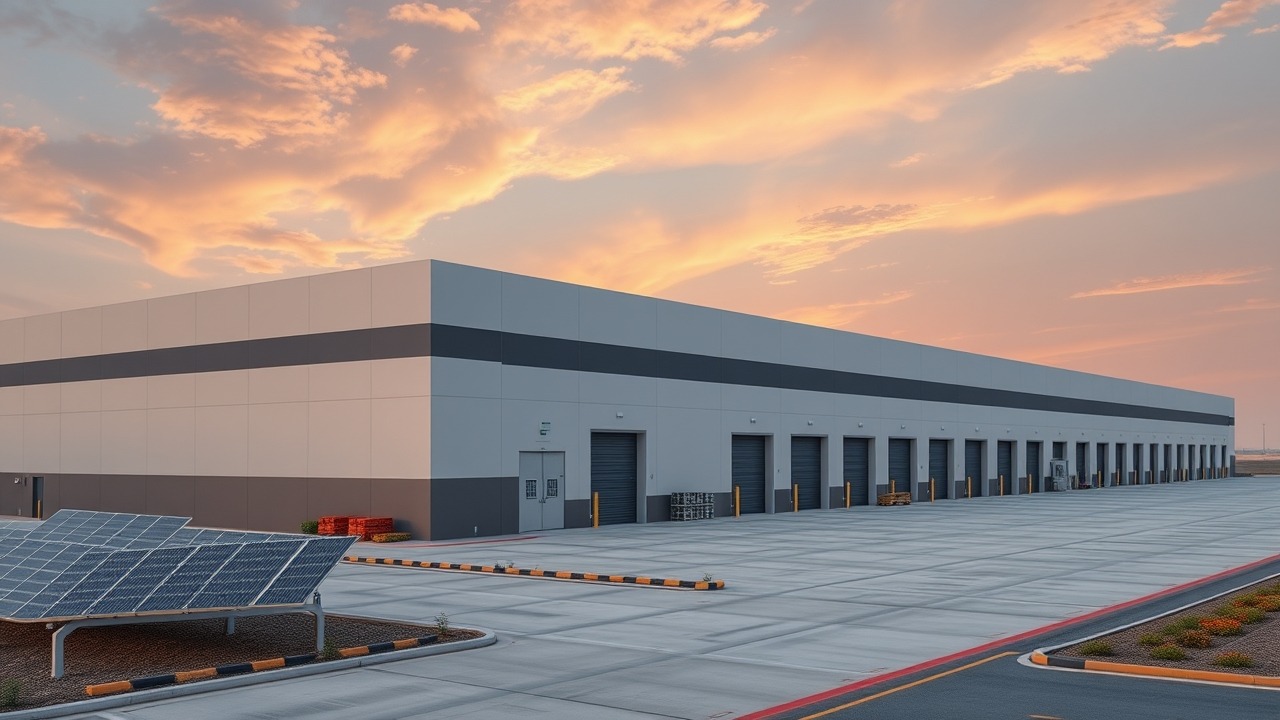
Freehold vs. Leasehold: Yield Implications
In my experience, the distinction between leasehold and freehold assets is often misunderstood by international investors. Freehold offers 100% ownership and generally higher capital appreciation. However, leasehold properties (often in areas like Dubai Silicon Oasis or certain zones in JAFZA) frequently offer much higher rental yields because the entry price is lower. In 2026, we are seeing 12% gross yields in industrial leaseholds, compared to 8% in freehold Business Bay offices.
Selecting the Right Asset Class
If your goal is yield, you need to look at commercial agents specializing in niche sectors like data centers or healthcare units. These are the ‘silent winners’ of 2026. Residential, while offering a lower yield, remains the safest bet for those looking for ‘liquidity’—the ability to sell the asset within 30-60 days. A commercial asset can take 6-12 months to liquidate due to the due diligence required by institutional buyers.
Strategic Locations for 2026
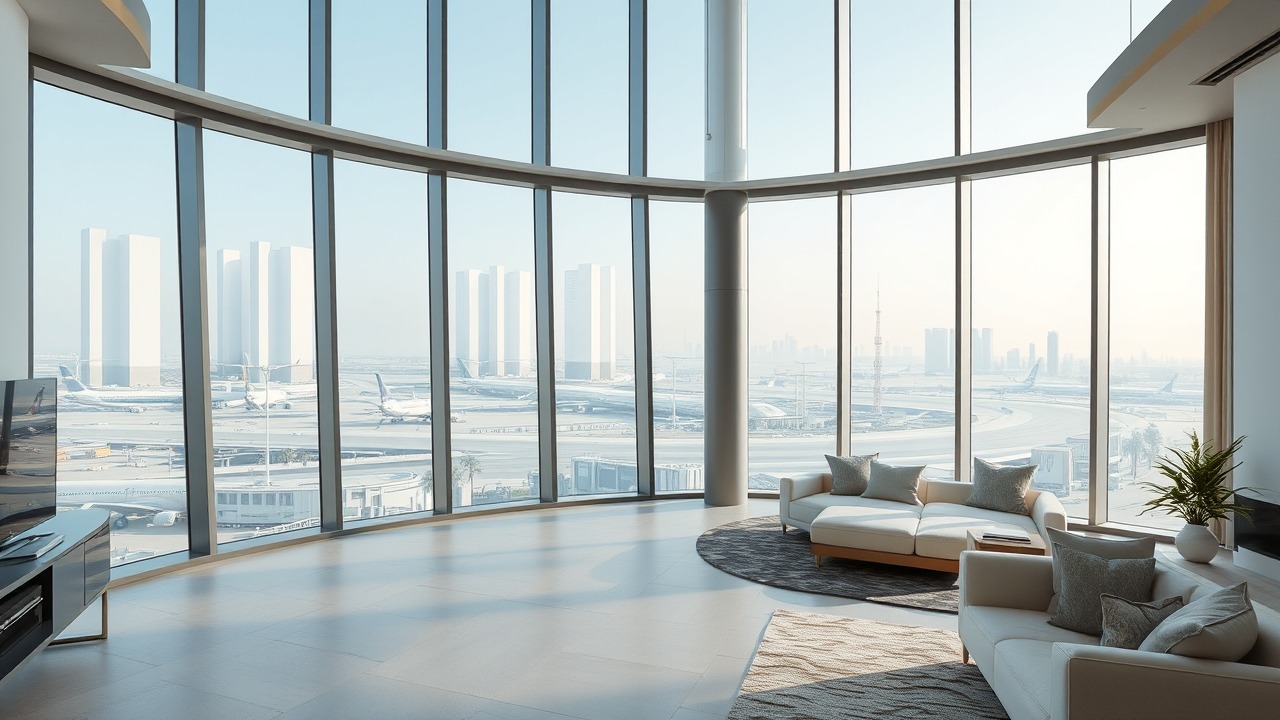
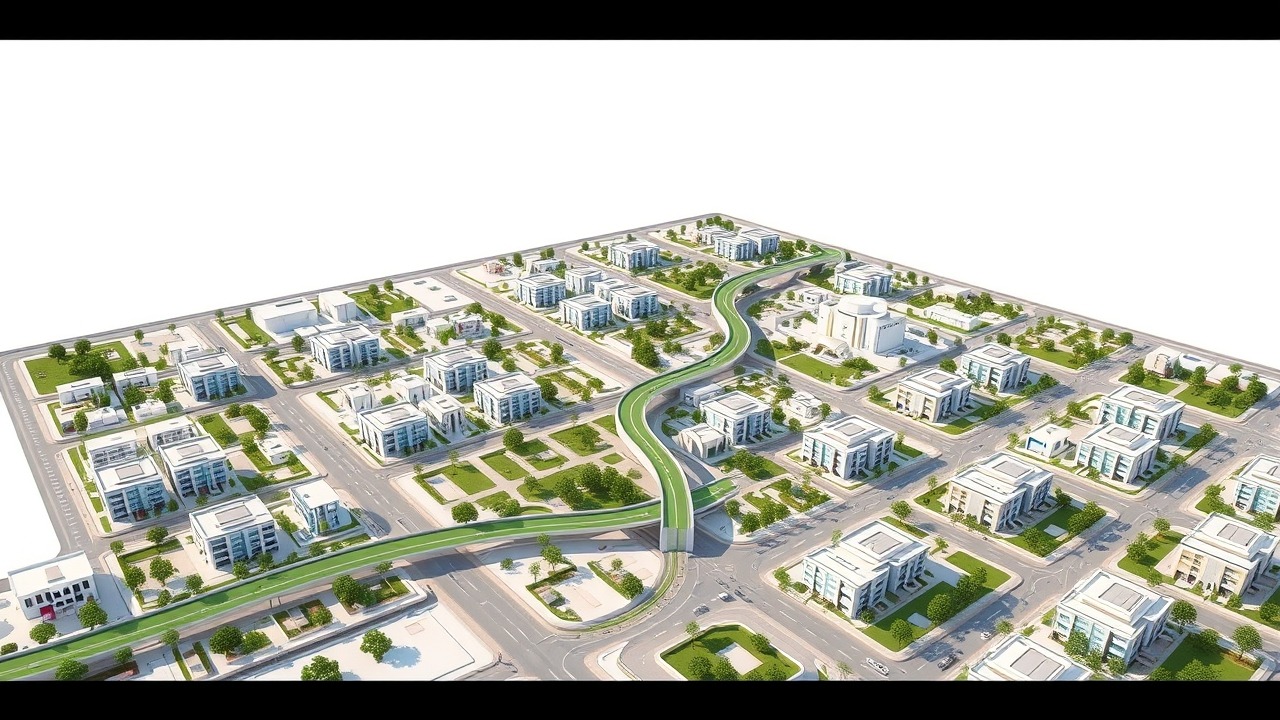
The Dubai Urban Master Plan 2040 has reached significant milestones by 2026, particularly the completion of the Blue Line Metro. This has created ‘yield hotspots’ in previously overlooked areas. When looking for commercial property for rent, focus on the ‘Innovation Corridor’ connecting Expo City to the D3 Design District.
For residential, the residential property sector in Dubai South is booming due to the expansion of Al Maktoum International Airport. However, yield compression is real. As prices rise, the rental growth—though strong—hasn’t quite kept pace, leading to the 4-6% yield environment we see today.
- Business Bay: Best for Grade A Office yield.
- Jumeirah Village Circle (JVC): Best for mid-market residential yield.
- Dubai Design District (D3): Highest growth for retail yields.
- Al Quoz: High yield for ‘Adaptive Reuse’ commercial spaces (galleries/fitness).

Risk Mitigation: Tenant Quality and Vacancy
A major advantage of commercial investment is the ‘Institutional Tenant.’ In 2026, multinational corporations are signing 10-year leases in DIFC 2.0. These tenants are highly unlikely to default, and their presence increases the ‘Cap Rate’ of the building. For first-time investors, I recommend reading our guide on commercial leasing for first-time tenants to understand the vetting process.
Residential investment carries the risk of ‘Social Vacancy’—periods where the apartment is empty between 1-year leases. In 2026, the average vacancy period for a residential unit is 22 days, whereas commercial is 120 days. However, the commercial tenant stays for 1,800+ days, whereas the residential tenant stays for 400-700 days.
For a complete list of current opportunities, you can browse commercial properties in Dubai on our main portal.
Frequently Asked Questions
1. Which offers better capital appreciation, commercial or residential?
Historically, residential properties in prime areas like Palm Jumeirah or Emirates Hills offer higher capital appreciation. Commercial assets are valued based on their yield (Cap Rate). If you improve the rent of a commercial asset, you directly increase its value, which offers a more controlled form of appreciation.
2. Is VAT applicable on all commercial properties?
Yes, a 5% VAT applies to the sale and lease of commercial properties in Dubai. However, it is usually a pass-through cost for business tenants who are VAT-registered. Residential properties are generally VAT-exempt or zero-rated.
3. Can I get a Golden Visa with a commercial property?
Yes. As of 2026, the requirement remains a property value of at least 2 million AED. This can be met through a single commercial asset or a portfolio of multiple properties, including commercial offices and retail units.
4. How do service charges affect commercial ROI?
Significantly. In many commercial setups, the tenant pays the service charges directly (Triple Net Lease). This means your ROI is not eroded by rising building management costs, which is a significant advantage over residential investments.
5. What is the minimum investment for a commercial property in Dubai?
While you can find small offices in areas like International City for 500,000 AED, institutional-grade commercial assets in Business Bay or DIFC typically start at 1.5 million AED.
Conclusion
In the 2026 market, commercial real estate is the clear winner for investors seeking high net yields and long-term cash flow stability. Residential real estate remains the preferred choice for those seeking higher liquidity and straightforward management. The decision ultimately depends on your tax structure and risk tolerance. For most sophisticated investors, a 70/30 split between commercial and residential provides the optimal balance of yield and growth.
Methodology: This analysis was compiled using 2026 transaction data from the Dubai Land Department, current VAT filings from the Federal Tax Authority, and proprietary rental data from Westgate Dubai’s 2026 portfolio performance reports.