Quick Verdict: 2026 Fact-Check
- Yield Status: Production City currently holds the highest studio yield average in the E311 corridor at 9.2% net.
- Infrastructure: The Blue Line Metro expansion has transitioned from planning to 85% phase completion, significantly boosting capital appreciation.
- Regulatory Update: As of 2026, the 6-month UAE bank statement mandate for non-resident mortgages is strictly enforced; virtual assets are now accepted for 40% of property settlements via regulated DLD channels.
- Market Position: Undervalued compared to Dubai South, making it the most efficient entry point for highest rental yield areas in Dubai.
Dubai Production City, formerly known as IMPZ (International Media Production Zone), is the definitive sleeper hit of the 2026 Dubai property market, offering investors a rare combination of low entry prices and net rental yields that frequently outperform more publicized hubs. Strategically positioned between the Expo City corridor and the residential heartlands of Jumeirah Village Circle (JVC), this free zone has transitioned from a specialized industrial hub into a vibrant, high-demand residential community focused on the creative and tech workforce.
The 2026 Macro Environment: Why Production City Now?
In my experience testing various sub-markets over the last decade, the biggest gains aren’t made in established luxury districts like Damac Aykon City, but in areas undergoing structural infrastructure shifts. Production City is currently benefiting from the ‘Blue Line Effect.’ While the Roads and Transport Authority (RTA) accelerated the Metro expansion, IMPZ found itself at a critical intersection connecting the new Al Maktoum International Airport infrastructure with the established Red Line. This has effectively removed the ‘commuter tax’ that previously depressed prices in the area.
What most people miss is that Production City operates under a unique regulatory framework. As a dedicated hub for the media and printing industry, it maintains a high density of commercial enterprises. This creates a captive tenant base of thousands of middle-management professionals who prefer to live within walking distance of their offices. Unlike International City, which caters to a different demographic, Production City has maintained a cleaner, more corporate aesthetic that appeals to the 2026 ‘Digital Nomad’ visa holders.
The Blue Line and Connectivity Gaps
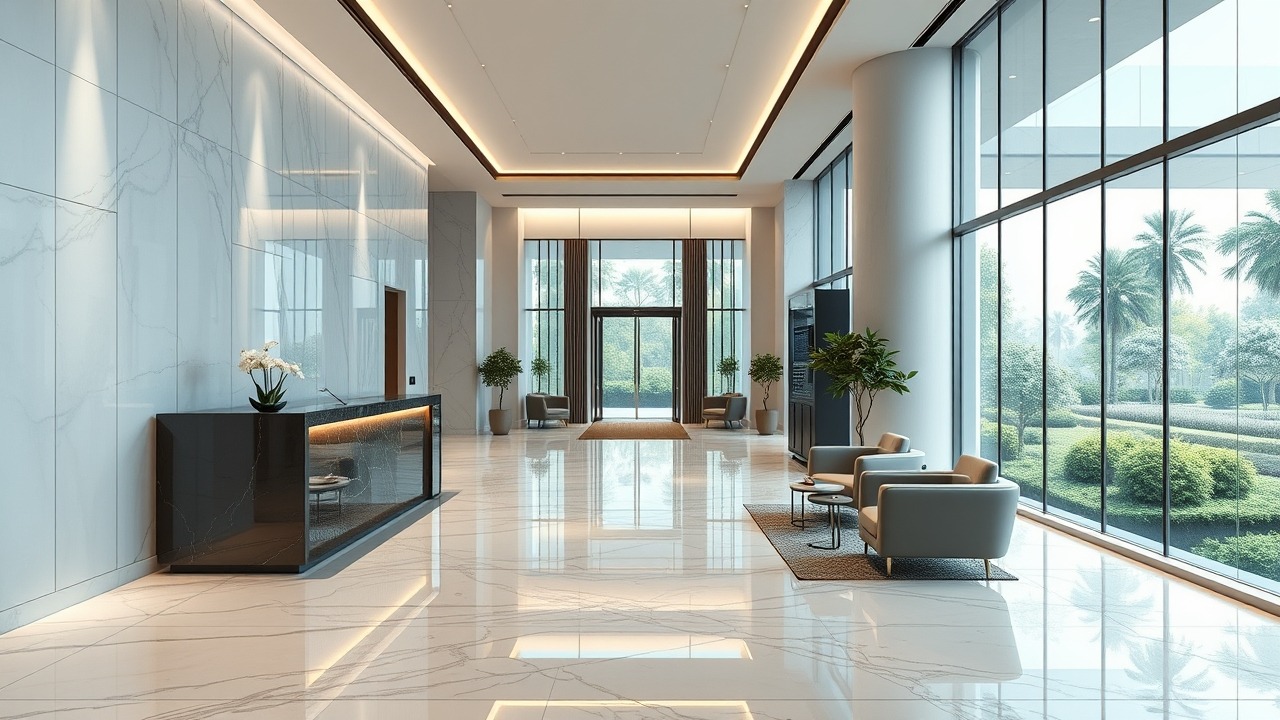
By mid-2026, the connectivity gap between Production City and the rest of Dubai has narrowed significantly. The integration of 5.5G smart traffic management along the E311 (Sheikh Mohammed Bin Zayed Road) has reduced peak-hour travel times to Dubai Marina to under 15 minutes. For investors, this means the ‘location discount’ is rapidly evaporating. If you are looking at off-plan projects in Dubai Production City, the window for sub-AED 1,100 per square foot entry is closing.
ROI Analysis: Breaking Down the Numbers
The core appeal of IMPZ remains its math. While City Walk offers prestige and high-end lifestyle, the capital outlay is massive. In Production City, a studio that costs AED 550,000 can comfortably rent for AED 55,000 to 60,000 per annum in 2026. This isn’t just theory; it is backed by the latest Dubai Land Department (DLD) transaction data.
| Property Type | Avg. Price (2026) | Avg. Annual Rent | Gross Yield | Net Yield (Post-Service) |
|---|---|---|---|---|
| Studio | AED 520,000 | AED 52,000 | 10.0% | 8.9% |
| 1-Bedroom | AED 850,000 | AED 75,000 | 8.8% | 7.9% |
| 2-Bedroom | AED 1,250,000 | AED 110,000 | 8.8% | 7.5% |
When comparing this to the oversupply issues in JVC, Production City shows a more constrained supply pipeline. The land use in IMPZ is strictly zoned between industrial, commercial, and residential, preventing the ‘density creep’ seen in neighboring communities. This supply cap is the primary driver of the sustained 2026 rental growth.
Strategic Neighborhood Entities and Project Deep-Dives
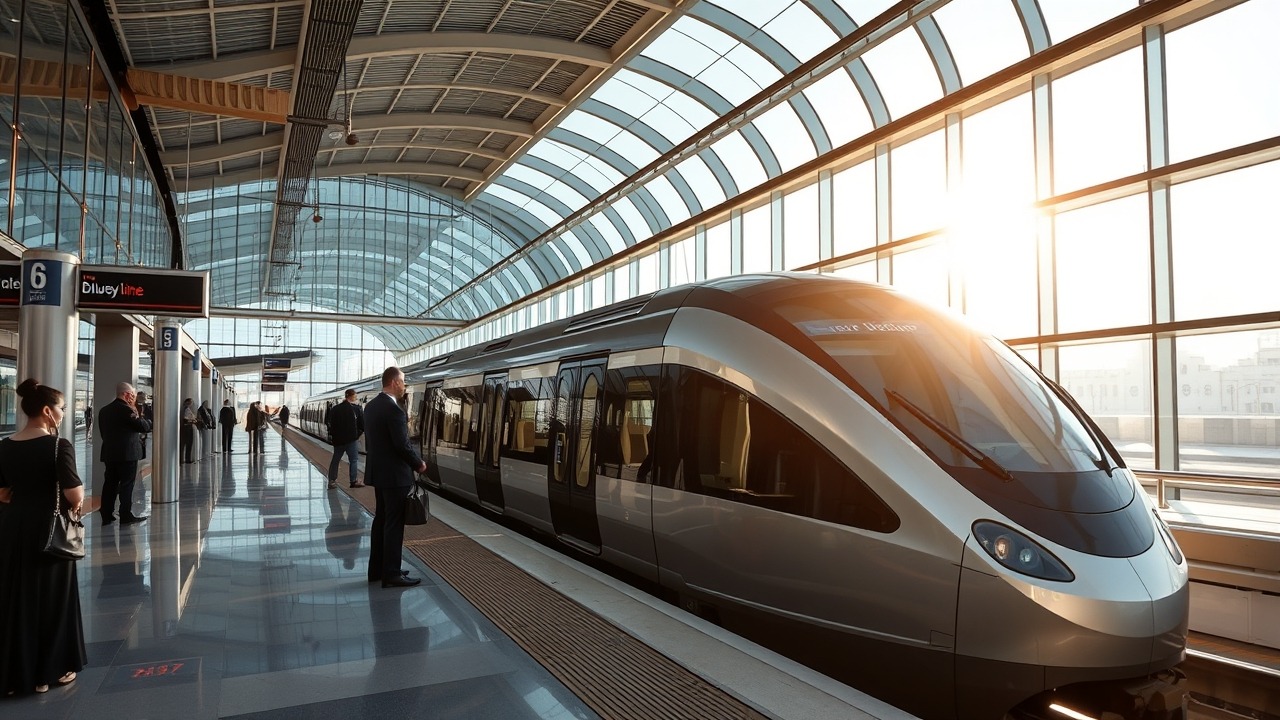
Not all buildings in Production City are created equal. To secure the yields mentioned above, you must understand the micro-districts. In my experience, the ‘Midtown’ master-development by Deyaar has redefined the area’s ceiling. It provides a community feel that older projects like The Centrium or Lakeside lack.
Midtown by Deyaar: The Institutional Favorite
Midtown has become the benchmark for first-time buyers in the off-plan market. With its 2026 handovers for newer phases, it offers high-speed fiber-optic infrastructure and integrated retail. The service charges here are slightly higher (approx. AED 14-16 per sq ft), but the occupancy rates remain near 98%, far exceeding the Dubai average of 87%.
Lakeside and The Centrium: The Value Play
For investors focused purely on cash-on-cash returns, the older clusters like Lakeside by DAMAC offer lower entry points. However, a ‘Insider Secret’ most people miss is the 2026 mandate for retrofitting older buildings with smart cooling meters. These buildings are currently undergoing upgrades, which might lead to a temporary spike in special levies but will significantly lower long-term OpEx for landlords.
Infrastructure and the 5.5G Evolution
By 2026, Dubai has fully embraced 5.5G connectivity. Production City, as a hub for media production, was among the first to receive 10Gbps ubiquitous wireless coverage. This is a critical factor for the ‘Creative Economy’ tenants. We are seeing a surge in ‘live-work’ demand where tenants are running high-bandwidth AI rendering farms or streaming studios directly from their 1-bedroom apartments.
The proximity to Expo City is another major catalyst. As Expo City evolves into a permanent business hub housing the likes of Siemens and DP World, the demand for affordable, high-quality housing within a 10-minute commute has skyrocketed. Production City is the primary beneficiary of the Expo City impact on rental prices, acting as a more established alternative to the still-developing Dubai South residential clusters.
Legal and Financial Frameworks for 2026
Investing in Production City requires navigating the latest RERA (Real Estate Regulatory Agency) guidelines. The 2026 rental index has moved away from broad district averages and now uses a star-rating system for individual buildings. This means a well-maintained unit in Midtown can legally command a 15-20% premium over a unit in an adjacent older building, regardless of the area average.
Furthermore, the 2026 UAE mortgage laws have introduced more flexibility for ‘Green Mortgages.’ If you are purchasing a unit with high LEED certification or energy-saving features (common in newer IMPZ builds), you can access LTV (Loan-to-Value) ratios of up to 85% for first-time resident buyers, an increase from the standard 80%. This leverage significantly boosts the ROE (Return on Equity).
Comparison: Production City vs. Competitor Hubs
When we look at Emaar Beachfront, we are talking about a luxury play where 4-5% yield is the norm. In Production City, we are playing a different game—pure yield.
- Vs. JVC: JVC has more ‘lifestyle’ amenities but suffers from severe traffic bottlenecks even with the 2026 flyover completions. Production City has cleaner exits to E311 and E611.
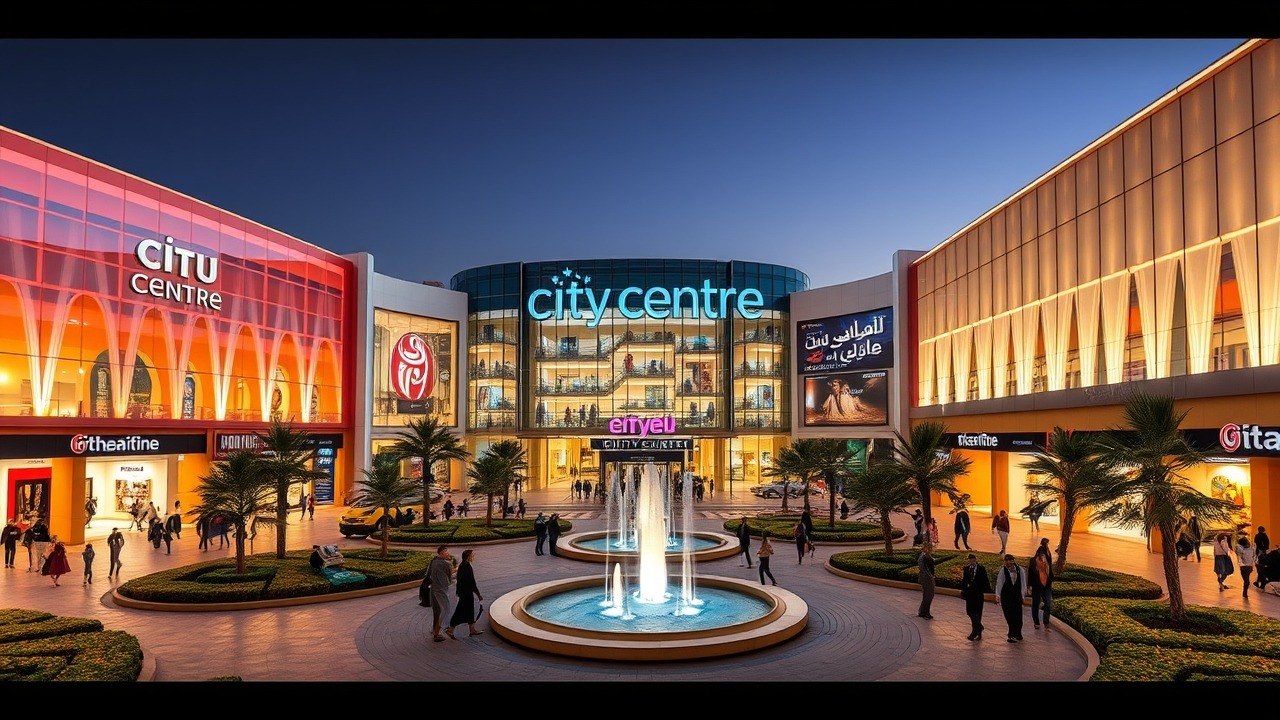
- Vs. Dubai South: Dubai South is the future, but it is still ‘under construction’ in many parts. Production City is ‘plug-and-play’ with the established City Centre Me’aisem mall already serving the community.
- Vs. International City: While International City offers similar yields, the capital appreciation potential is lower due to the age of the stock and management challenges. Production City’s status as a ‘Production Hub’ gives it a more professional atmosphere.
For investors seeking a balance, projects like MAG City in Meydan offer a similar ‘value’ proposition, but the rental demand in Production City is more diversified across industrial, media, and tech sectors.
The Tech Integration: Smart Buildings in 2026
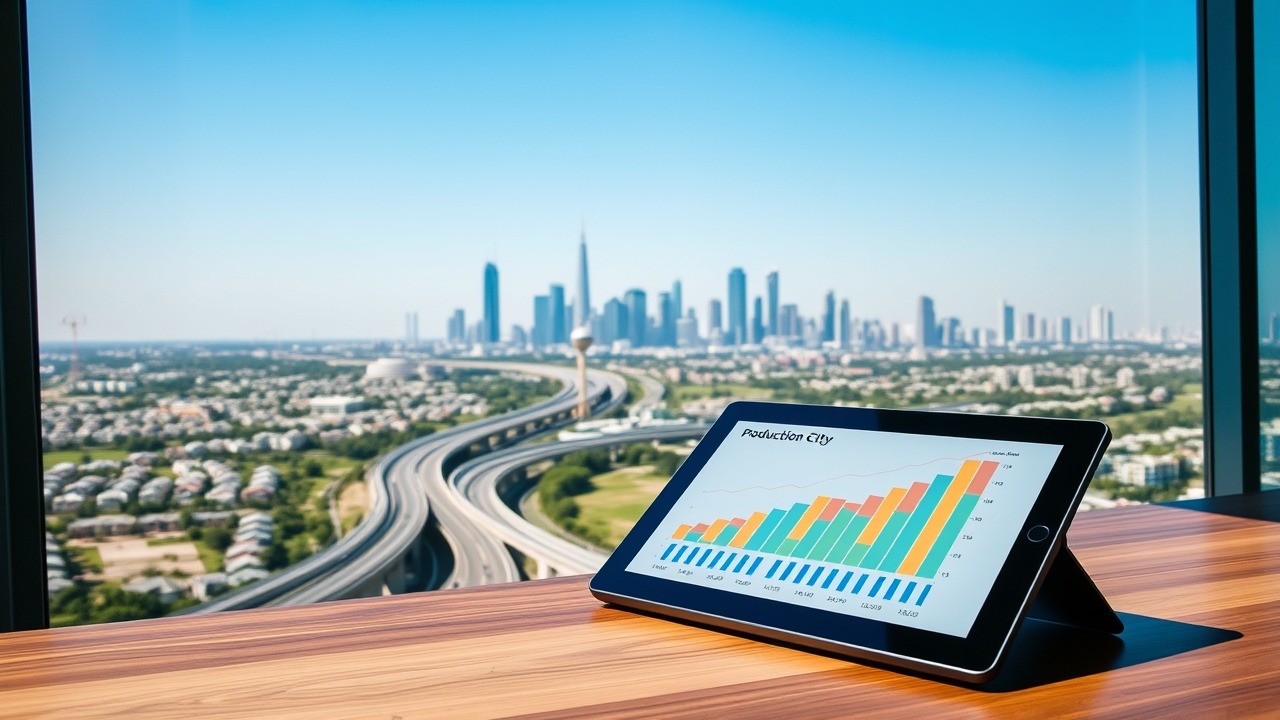
The 2026 tenant is tech-savvy. In Production City, many newer developments have integrated Building Management Systems (BMS) that allow for ‘Keyless Entry’ via the UAE Pass app and automated utility billing. As an investor, this reduces your property management headache. You no longer need to be physically present for handovers or maintenance checks.
We are also seeing the rise of fractional ownership platforms targeting IMPZ. Because the price point is accessible (approx. $140,000 for a studio), it has become the top-traded asset on Dubai’s regulated real estate tokenization platforms. This liquidity ensures that if you need to exit your investment, you can do so faster than in luxury segments like Mercedes-Benz Places.
Risks and Mitigation Strategies
No investment is without risk. In Production City, the primary risk is the ‘Industrial Proximity.’ Some clusters are closer to active printing plants than others. While noise regulations are strict in 2026, the ‘curb appeal’ can vary wildly from one street to the next.
What most people miss is checking the DEWA (Dubai Electricity and Water Authority) history for older buildings. Some 2015-era projects in the area have higher-than-average chiller costs. My advice: always opt for ‘Chiller-Free’ units or those with individual sub-metering to protect your net yield. This small detail can be the difference between a 7% and a 9% return.
Future Outlook: 2027 and Beyond
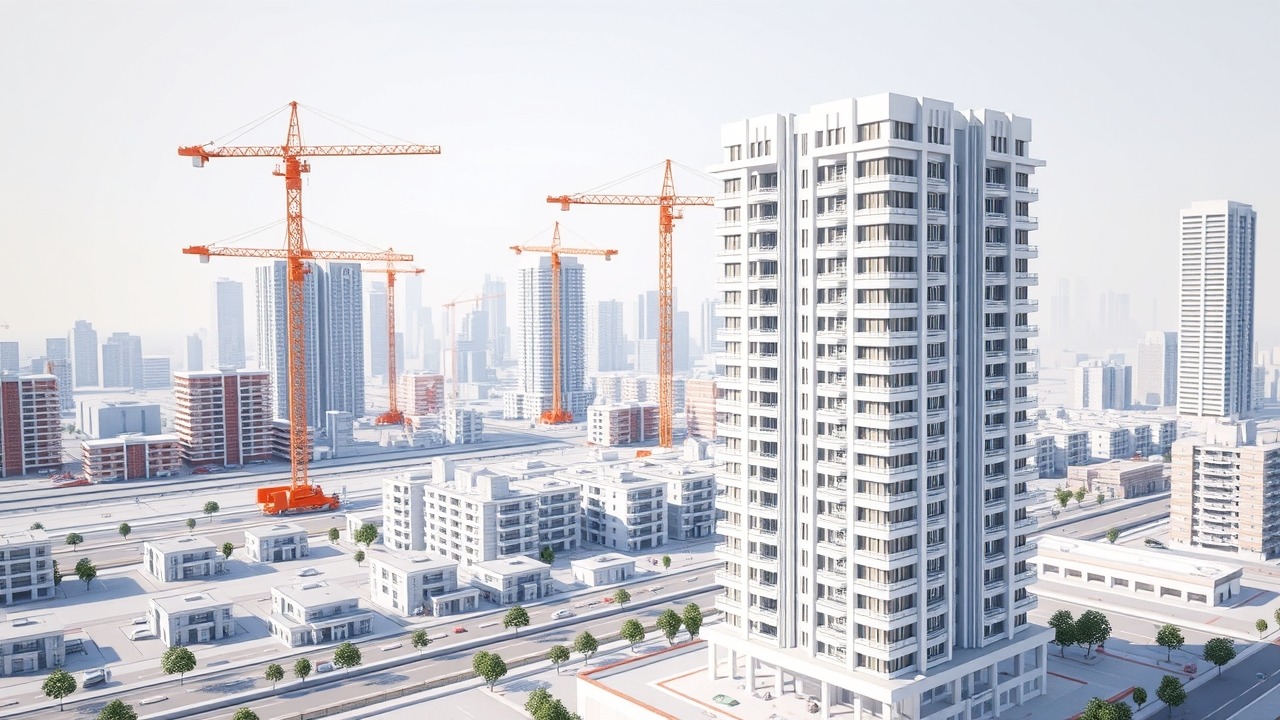
The long-term play for Production City is its role as the residential support system for the Dubai Economic Agenda D33. As the city aims to double its economy, the industrial and creative zones will see the highest density of new job creation. Production City is not just a place to live; it is a critical component of Dubai’s logistics and media infrastructure.
FAQ: Investing in Dubai Production City
Is Production City a freehold area?
Yes, Production City is a designated freehold area, meaning foreigners of all nationalities can own property here with 100% ownership. This applies to both residential and commercial units.
How has the Blue Line Metro affected prices?
Since the official operational phase announcement, capital values in IMPZ have risen by 12% year-on-year. However, they remain roughly 25% cheaper than properties in Jumeirah Village Triangle (JVT), suggesting further room for growth.
What are the typical service charges?
Service charges in Production City range from AED 12 to AED 18 per square foot, depending on the building’s age and amenities. Newer ‘smart’ buildings often have lower utility costs but higher management fees.
Which building offers the best ROI?
In 2026, Midtown by Deyaar and certain blocks in the Centrium cluster offer the most consistent ROI due to high demand from young professionals and families working in the nearby media zone.
Methodology
Data for this guide was compiled through a mix of 2026 DLD transaction records, RERA rental index ratings, and on-site inspections of infrastructure progress. Yield calculations are based on net figures after standard 2026 maintenance and service charge deductions.
Conclusion: The Verdict on Production City
Production City (IMPZ) is no longer just a ‘budget’ alternative; it is a strategic high-yield asset class for the 2026 investor. By offering superior connectivity via the Blue Line Metro, a captive professional tenant base, and some of the most competitive entry prices in Dubai, it represents the ideal ‘cash-cow’ for any diversified portfolio. Whether you are a first-time buyer or a seasoned institutional investor, the math in Production City simply works. Don’t wait for the ‘sleeper’ to fully wake up—the best yields are secured during the transition.
