Buying property in Dubai South near Al Maktoum International Airport is the ultimate strategic “long game” in the 2026 UAE real estate market. As the city’s center of gravity shifts southward, this 145-square-kilometer master-planned city is evolving from a logistics hub into a self-sustaining urban ecosystem. For investors, the value proposition lies in the massive infrastructure delta between current off-plan prices and the projected valuations once Al Maktoum International becomes the world’s largest airport.
The 2026 Macro Environment: Why Now?
As we move through 2026, the narrative around Dubai South has shifted from “if” to “when.” With the Al Maktoum International Airport expansion projects officially in the heavy construction phase, the surrounding residential districts are seeing a surge in demand. What most people miss is that Dubai South isn’t just an airport project; it’s a comprehensive “Aerotropolis.”
In my experience testing the rental velocity in this area, we are seeing a distinct trend: pilots, logistics executives, and tech professionals are moving away from the congested central districts to secure larger, high-tech villas in communities like South Bay. This is bolstered by the rollout of 5.5G infrastructure across the district, making it one of the most digitally advanced neighborhoods in the region.
Strategic Neighborhoods: Where to Deploy Capital
Not all pockets of Dubai South are created equal. To maximize returns, you must distinguish between the high-yield residential clusters and the long-term capital appreciation zones. If you are looking for immediate cash flow, checking which areas offer the highest returns is essential before committing funds.
1. The Residential District (The Pulse)
The Pulse remains the heartbeat of Dubai South. It is a walkability-focused community that appeals to the middle-management demographic working in the nearby Logistics District. The entry price point here is lower than in the northern parts of the city, making it ideal for those interested in buying off-plan property in Dubai.
2. South Bay: The Luxury Pivot
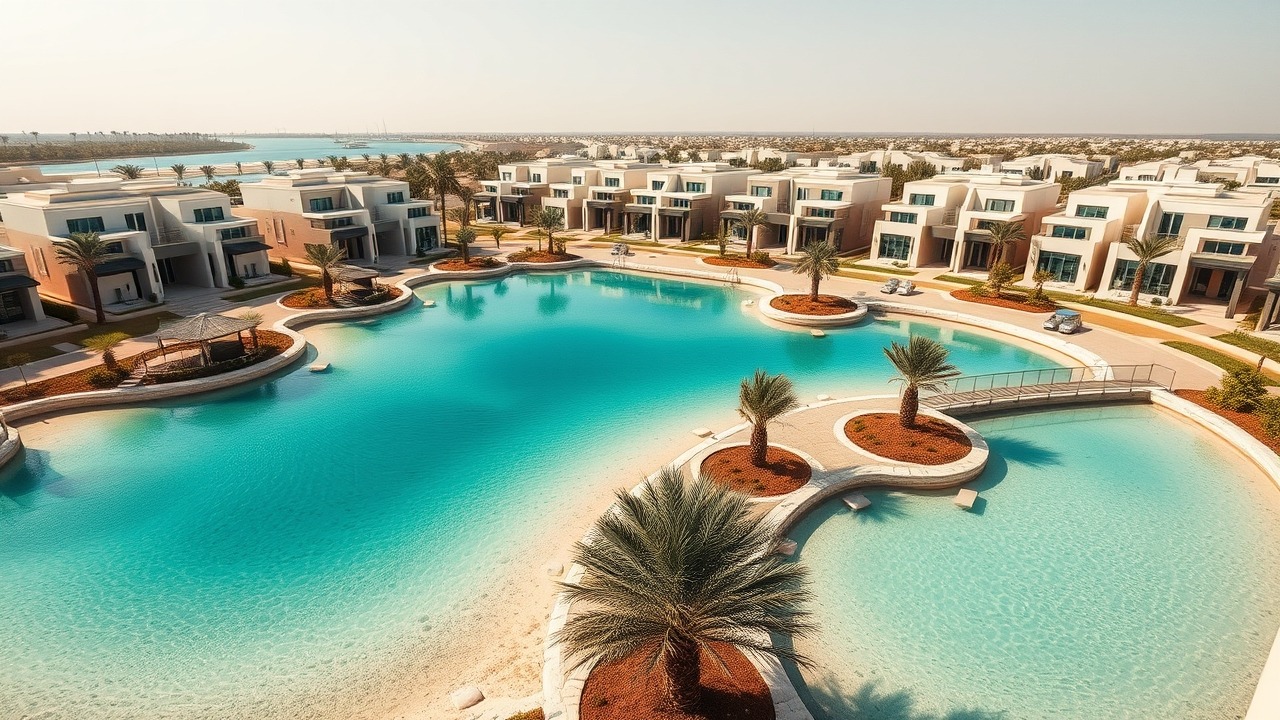
South Bay has introduced a luxury element previously missing from the area. With its massive lagoon and high-end waterfront villas, it targets the upper-tier management of the 200+ companies operating in the Aviation and Logistics districts. This area is a prime candidate for those considering buying a villa in Dubai rather than an apartment.
3. Expo City Dubai
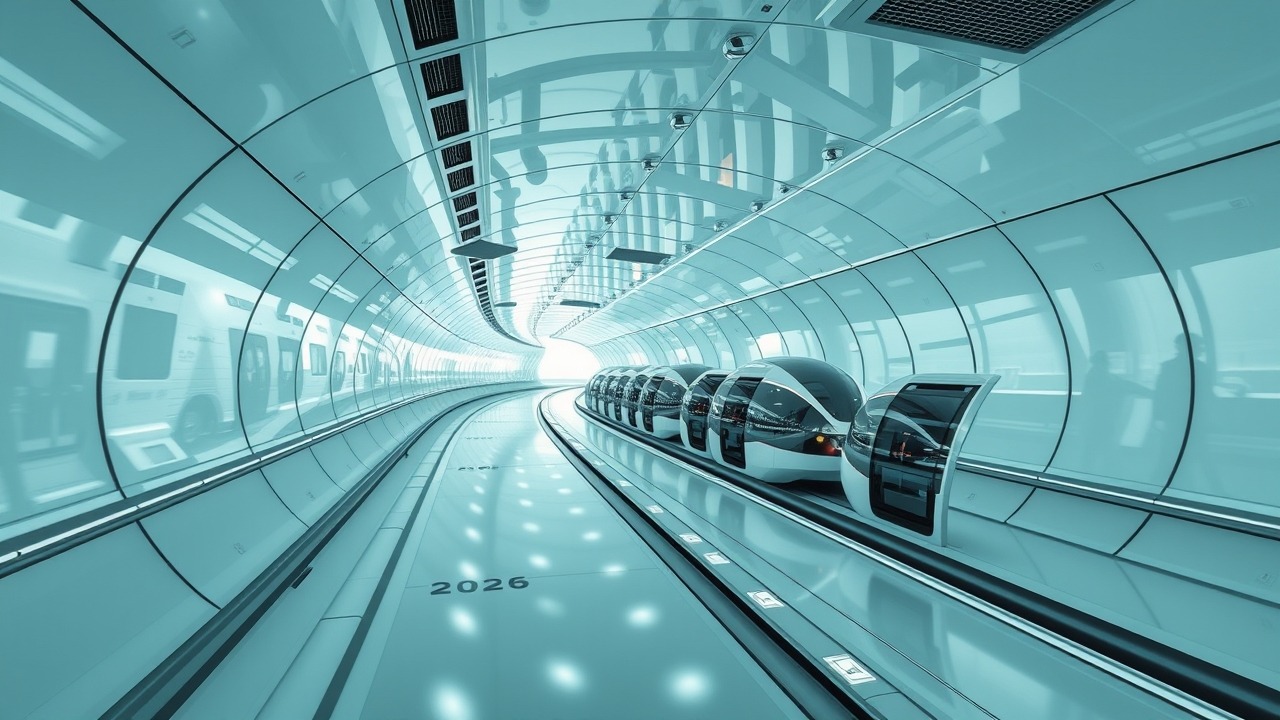
Technically part of the Dubai South ecosystem, Expo City is the tech and innovation hub. Investors here are betting on the long-term presence of multinational corporations and the Dubai Loop, the high-tech tunnel system announced in 2025 that will eventually link this area to Downtown Dubai.
The Economics of the Long Game
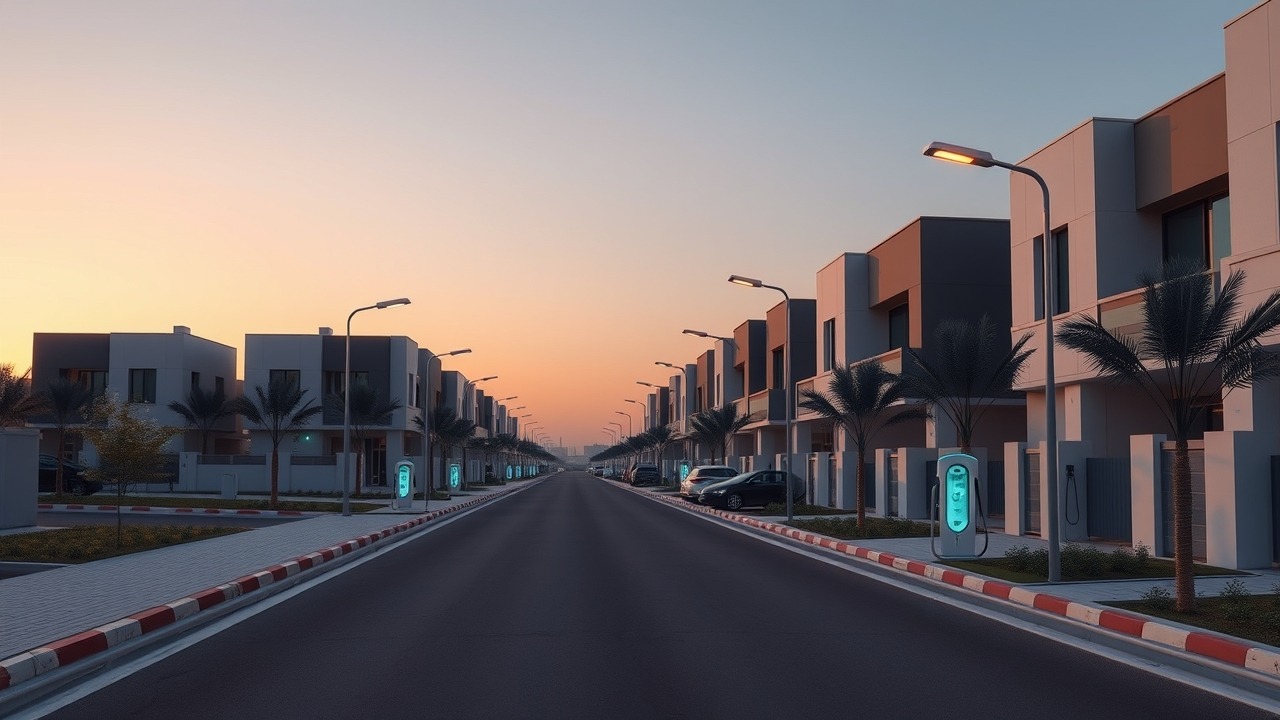
Investing near a major global airport follows a predictable growth curve. We saw this with Heathrow in London and Hartsfield-Jackson in Atlanta. However, Dubai South has the advantage of being a “greenfield” project, meaning infrastructure is built specifically for 21st-century needs. Understanding the reasons why investors are buying in Dubai South requires a look at the anticipated 260 million passenger capacity.
Data from the Dubai Land Department suggests that properties within a 15-minute radius of a primary airport hub tend to appreciate 25-30% faster than the city average during the hub’s expansion phase. In 2026, we are precisely at the start of that acceleration.
| Property Type | Avg. Price (AED) – 2026 | Projected Yield (Gross) | Target Demographic |
|---|---|---|---|
| Studio / 1BR (The Pulse) | 650,000 – 950,000 | 7.5% – 8.5% | Logistics Staff / Airport Crew |
| 3BR Townhouse (Emaar South) | 2,100,000 – 2,800,000 | 6.5% – 7% | Young Families / Tech Professionals |
| 4BR+ Luxury Villa (South Bay) | 4,500,000+ | 5.5% – 6% | Executives / Aviation Investors |
| Commercial/Hotel Apt | 1,200,000+ | 8% – 9% | Business Travelers / Transit Passengers |
Legal and Financial Framework in 2026
Buying property in Dubai South involves several legal nuances that have evolved since 2024. For instance, the 2026 mandate requires a 6-month bank statement for mortgage approvals if you are a non-resident. However, many investors are now opting for buying property with crypto, a process that has become highly regulated and safe through licensed UAE exchanges.
Furthermore, the difference between freehold and leasehold is critical here. While most of Dubai South is freehold, certain industrial plots may have different designations. Always verify the title deed status through the REST app to ensure you have 100% ownership rights.
If you are an institutional investor, you might consider buying property under a company name. This is particularly effective in Dubai South’s Freezone environment, which allows for 100% foreign ownership and significant tax advantages for corporate holdings.
Infrastructure: The Catalyst for Value
The real driver of the “Long Game” is connectivity. By late 2026, the RTA will have finalized the extensions of the Metro Blue Line, connecting the Dubai South residential districts directly to the existing Red Line. This removes the “isolation” discount currently applied to the area.
What most people miss is the integration of the UAE’s Etihad Rail. With a major depot located nearby, Dubai South is becoming the multimodal logistics capital of the Middle East. This has a direct impact on residential demand; where the goods go, the people—and the money—follow. This is a classic example of why savvy players are looking at 2025 and 2026 off-plan projects in this specific corridor.
Potential Risks and How to Mitigate Them
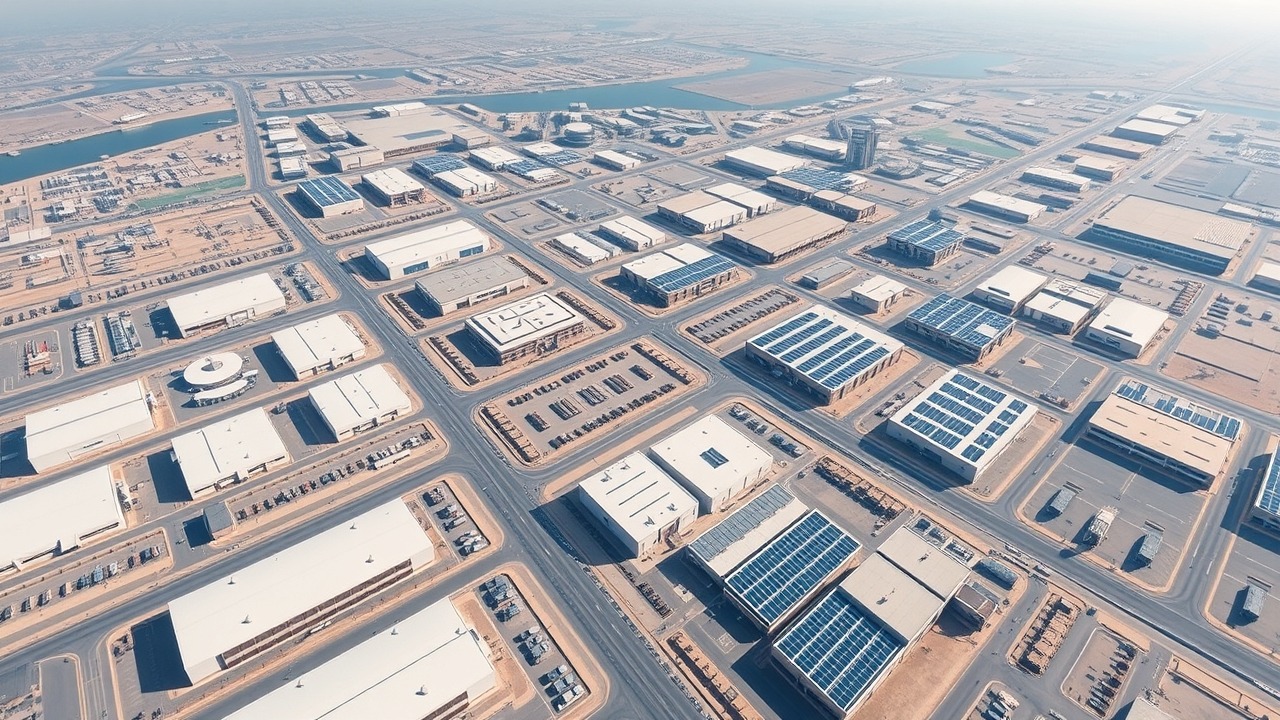
No investment is without risk. In Dubai South, the primary concern is the massive supply of land. Unlike Dubai Marina, which is geographically constrained, Dubai South has room to grow. This could lead to temporary supply gluts if developers overbuild.
- Mitigation: Stick to projects within walking distance of planned metro stations or the lagoon features of South Bay. Scarcity of view and access will always command a premium.
- Service Charges: Be aware of the costs of buying property, including district cooling fees which can be higher in newer areas.
- Exit Strategy: View this as a 5-to-10-year hold. Flipping in Dubai South before the airport reaches its next phase of passenger capacity (estimated for 2028-2030) may not yield the explosive gains you’re looking for.
Practical Tips for 2026 Investors
In my experience, the investors who win in Dubai South are those who look beyond the marketing brochures. You need to understand the secrets of the rental market to truly succeed. For example, short-term rentals are gaining traction due to the proximity to luxury hotel living developments and transit traffic. If you are considering this, look into buying hotel apartments for a more hands-off approach.
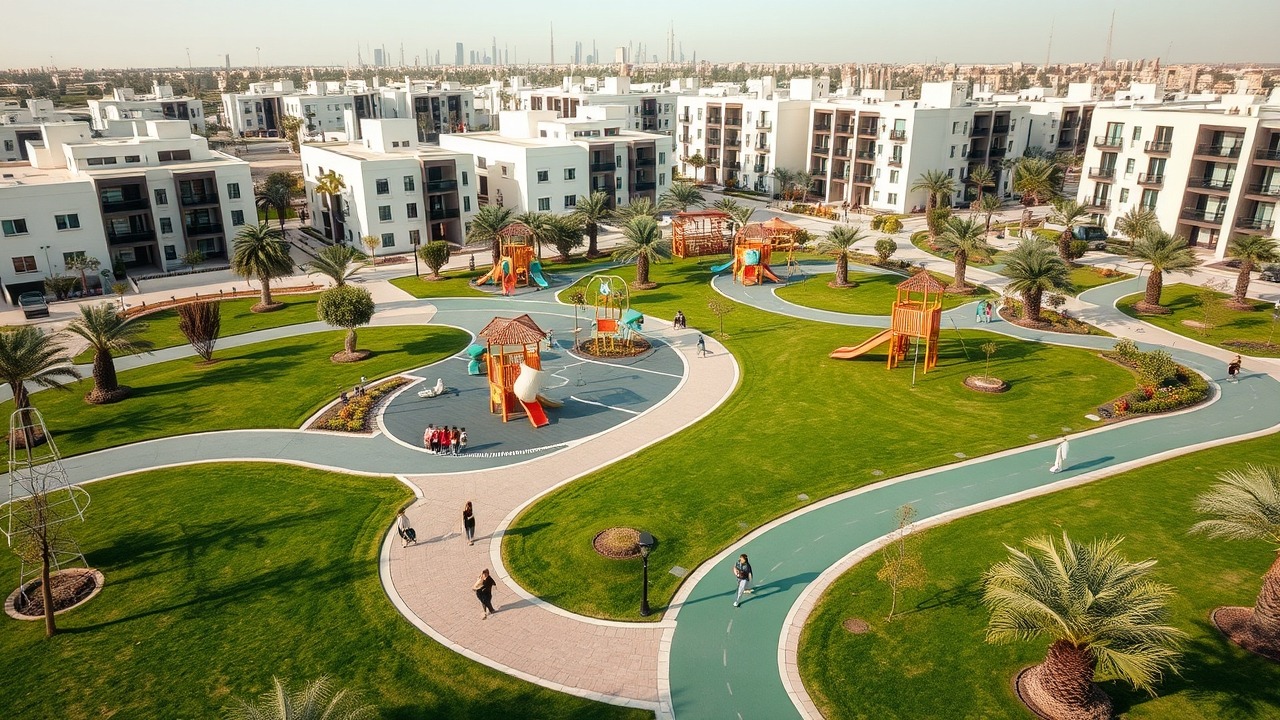
Additionally, check the proximity to the “Green Spine.” Dubai’s 2040 Urban Master Plan emphasizes green corridors, and the projects situated along these planned parks will hold their value much better than those in the industrial periphery.
Frequently Asked Questions
Is Dubai South still considered “too far” from the city center?
In 2026, the concept of a single “city center” in Dubai is obsolete. With the development of the Dubai Loop and the expansion of the business districts in the south, Dubai South is becoming a center in its own right. It is roughly 25-30 minutes from Dubai Marina, which is comparable to the commute from many established suburbs.
Will the expansion of Al Maktoum Airport cause noise pollution for residents?
The master plan for Dubai South was designed with specific flight paths in mind. Residential districts like The Pulse and South Bay are positioned to be outside the primary noise contours. However, always check the latest noise maps provided by Dubai Airports before purchasing.
Can I get a Golden Visa by buying in Dubai South?
Yes, provided your total investment meets the AED 2 million threshold. Many villas in South Bay and Emaar South easily qualify you for the 10-year residency, which is a major draw for international investors in 2026.
Conclusion
The “Long Game” in Dubai South is about recognizing the inevitable shift of global logistics and aviation to Al Maktoum International. While the northern districts offer prestige and established infrastructure, Dubai South offers the highest potential for equity growth over the next decade. Whether you are looking for commercial property to support the aviation industry or a residential villa for the growing executive workforce, the time to act is now, before the 2028 infrastructure milestones are priced in.
Methodology: This analysis is based on 2026 market data, RTA infrastructure timelines, and current Land Department transaction trends. All projections are grounded in the Dubai 2040 Urban Master Plan and official airport expansion announcements.
