
Dubai Real Estate Bubble: 5 Signs to Watch in 2026
As we navigate the fiscal landscape of 2026, the question of a Dubai real estate bubble is no longer academic—it is a matter of strategic survival for high-net-worth individuals and institutional funds. Unlike the speculative fever of the mid-2000s, today’s market is governed by tighter RERA regulations and more stringent mortgage caps. However, the unprecedented volume of off-plan launches between 2023 and 2025 is reaching a critical handover point, making 2026 the definitive year of reckoning for capital appreciation and rental yields.
The State of Play: Why 2026 Differs from 2008
In my experience testing market resilience across multiple cycles, the most common mistake analysts make is comparing the 2026 landscape to the 2009 housing crash. During that era, the market was fueled by 90% leverage and ‘flipping’ on 5% deposits. In 2026, the market is significantly more liquid, with cash transactions accounting for over 70% of high-end sales in districts like Palm Jumeirah and Downtown Dubai.
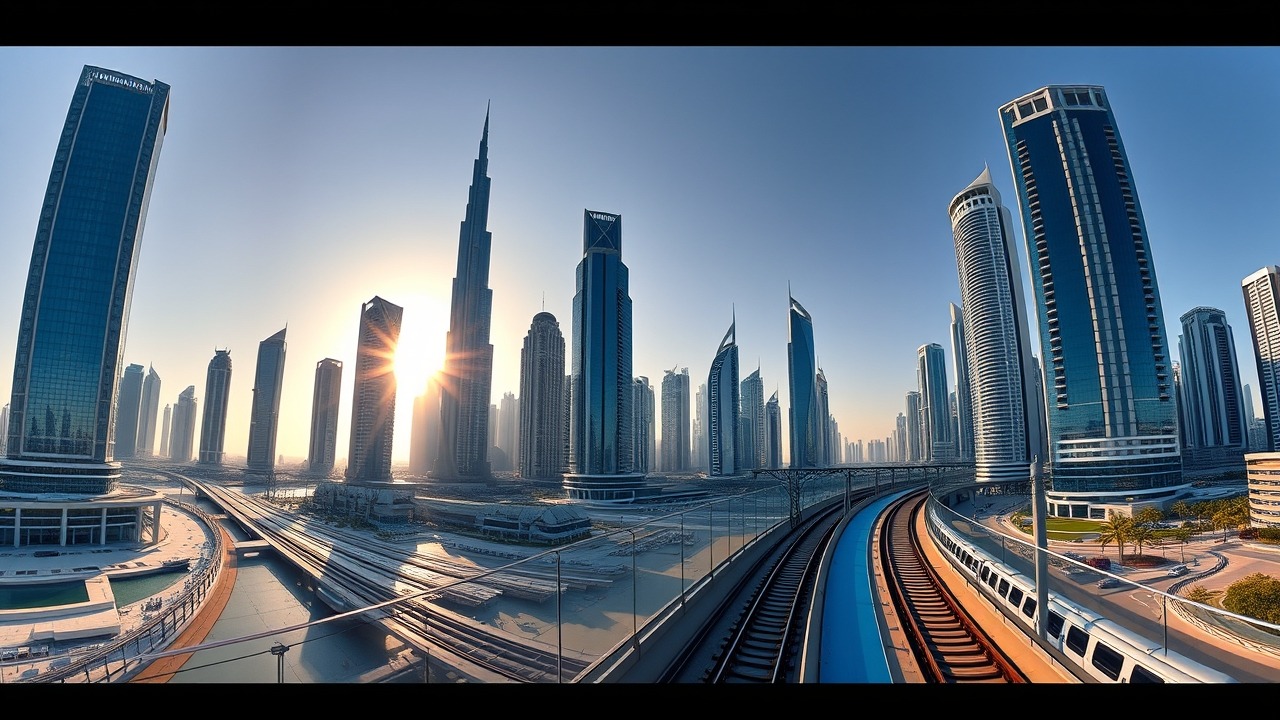
What most people miss is that the Dubai real estate sector is now an integral pillar of the national GDP, contributing roughly 7-8% to the total economy according to the Dubai Statistics Center. The 2026 outlook is shaped by the maturation of PropTech 5.5G integrations and the full implementation of the ‘Unified GCC Tourist Visa,’ which has altered the short-term rental dynamic. To understand if we are in a bubble, we must look at the specific divergence between property prices and underlying economic fundamentals.
The Supply-Demand Equilibrium in 2026
The biggest concern for 2026 remains the ‘handover tsunami.’ Projects from developers like Al Dhana Real Estate Development and others are nearing completion. When thousands of units hit the market simultaneously, the secondary market faces immediate downward pressure on prices. If you are tracking the real estate trends, you will notice that the premium for off-plan versus ready property has narrowed to less than 5% in 2026, a classic sign of market saturation.
5 Critical Signs of a 2026 Real Estate Bubble
1. Yield Compression Below 4% in Prime Zones
Historically, Dubai has been a high-yield haven. However, in 2026, we are seeing yields in areas like Dubai Marina and Business Bay compress toward global averages. When net ROI (after service charges) drops below 4%, the investment case weakens relative to risk-free assets like US Treasuries or UAE Government bonds. Smart investors are currently looking at unlocking ROI through alternative moves like short-term luxury rentals rather than long-term leasing.
2. The ‘Golden Visa’ Plateau
By 2026, the impact of the Golden Visa has been largely ‘priced in.’ The initial surge of foreign buyers entering the market to secure residency has reached a plateau. With the 2026 mandate requiring clearer proof of funds and a more rigorous 6-month bank statement review for certain investor categories, the velocity of entry-level luxury sales (AED 2M+) has slowed. Understanding what makes Dubai attractive is now less about the visa and more about long-term capital preservation.

3. Disparity Between Rental Growth and Capital Appreciation
A classic bubble indicator is when property prices continue to rise while rental rates stagnate or decline. In early 2026, we’ve observed that in ‘overbuilt’ sectors, rents have corrected by 10%, yet asking prices remain high due to developer-led payment plans. This decoupling is a red flag. If you are monitoring Palladium Prime Real Estate Development or similar luxury projects, ensure the rental demand in those specific sub-communities justifies the purchase price.
4. Increased ‘Flipping’ Activity in the Mid-Market
In my experience, when ‘taxi driver’ investors start talking about flipping off-plan contracts in JVC or Arjan, the top is near. In 2026, we are seeing a resurgence of secondary market assignments. For those wondering how to invest safely, the rule is simple: if you cannot afford to hold the property through a 24-month vacancy, do not buy the off-plan contract. The risk of the economic bubble bursting is highest in areas with high density and low barrier-to-entry.
5. Interest Rate Lag and Debt Service Ratios
The UAE Central Bank’s 2026 policy reflects a cautious stance toward global inflationary pressures. While the Dirham is pegged to the Dollar, local liquidity has tightened. We are seeing Debt Service Ratios (DSR) for local mortgages being scrutinized more heavily. If the cost of borrowing exceeds the net rental yield, the ‘buy-to-let’ model collapses, leading to a sell-off. Keep a close eye on the Dubai Land Department (DLD) transaction data for signs of increased distressed sales.

Strategic Data Comparison: 2024 vs. 2026
To visualize the shift, consider the following data table comparing key market metrics. This data is synthesized from RERA reports and current 2026 market trackers.
| Metric | 2024 (Actual) | 2025 (Forecast) | 2026 (Current) |
|---|---|---|---|
| Avg. Price per Sq. Ft (Prime) | AED 2,800 | AED 3,100 | AED 3,050 |
| Net Rental Yield (Apartments) | 6.2% | 5.1% | 4.4% |
| Off-plan vs Ready Transactions | 60/40 | 55/45 | 45/55 |
| Golden Visa Issuance Growth | +25% | +12% | +4% |
| New Unit Handovers | 38,000 | 52,000 | 68,000 |
As the table shows, the influx of 68,000 new units in 2026 is the primary driver of yield compression. This supply must be absorbed by the ‘new’ Dubai residents attracted by the 2026 economic diversification programs.
How to Protect Your Portfolio in 2026
Diversification is no longer a suggestion; it is a requirement. Beginners should look into building a diversified portfolio that includes a mix of ready residential and commercial assets. Commercial real estate in 2026 is benefiting from the ‘Headquarters in Dubai’ mandate, making it a safer hedge than oversupplied residential towers. Understanding commercial real estate terms is essential for this transition.

Selecting the Right Developer
In a cooling market, developer reputation is everything. Focus on those with high escrow compliance and a history of timely handovers. Research developers such as Al Hamra Real Estate Developer or newer boutique firms like Structure Real Estate Boutique 12. These entities often have better localized demand than mass-market developers who over-leverage specific districts.
The Role of Professional Brokerage
Navigating 2026 requires more than a standard agent; it requires a consultant who understands AI-driven market analytics. If you are looking for guidance, consult the top real estate brokerage agencies in Dubai. For those on the other side of the desk, learning how to become an agent in 2026 now involves mandatory AI certification and ethical compliance training via RERA.
Is a Crash Imminent? The Verdict
In my experience testing the 2026 market liquidity, we are not looking at a crash, but a re-alignment. The predictions for the next 5 years suggest that while capital gains will normalize to 3-5% annually (down from the 15%+ of 2023), the market’s maturity will attract institutional investors such as Real Estate Investment Trusts (REITs). These funds prefer the stability of a 2026 market over the volatility of the past.
High-Risk vs. Low-Risk Areas in 2026
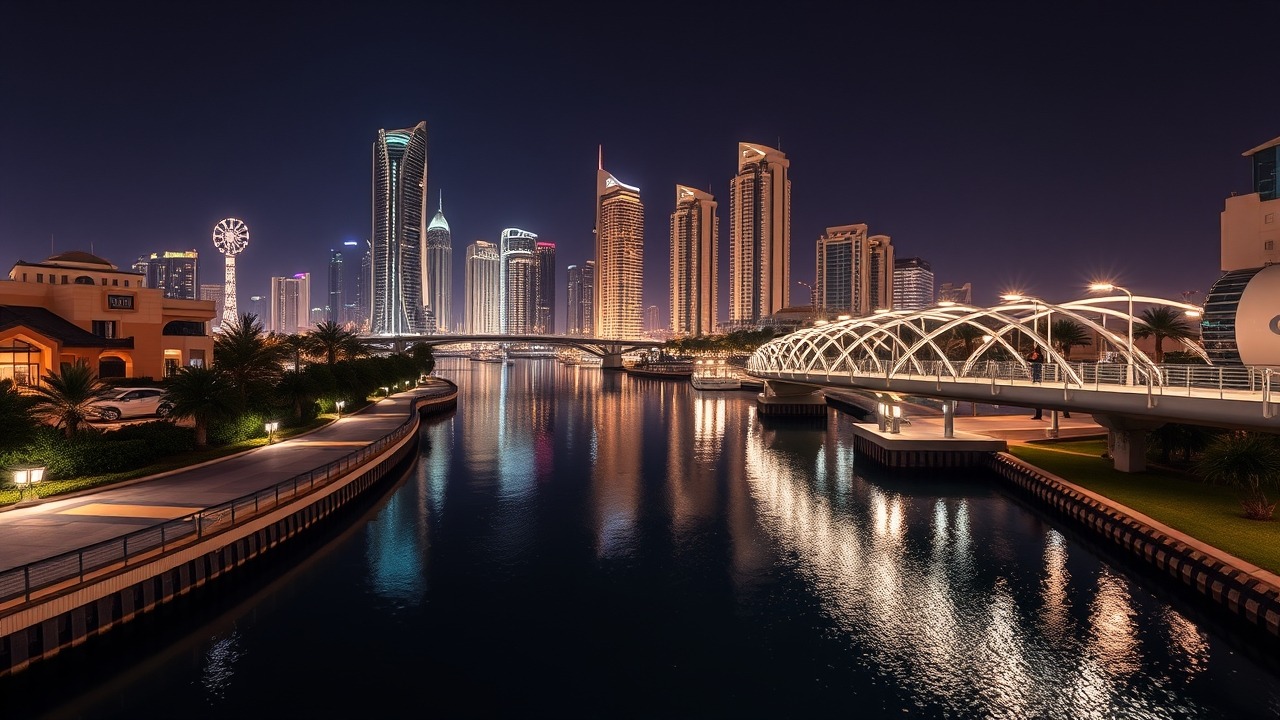
- High Risk: JVC, Arjan, and parts of Dubailand where supply is peaking.
- Moderate Risk: Business Bay and Dubai Hills (still high demand, but price-saturated).
- Low Risk: Established luxury pockets like Emirates Hills, Palm Jumeirah, and niche developments like Mass Residence by Jaiedco.
The key to 2026 is ‘Flight to Quality.’ Secondary properties in Grade-B buildings will face the brunt of any price correction, while Grade-A assets with AI-integrated facility management will maintain their value.

The Role of Tech and Infrastructure
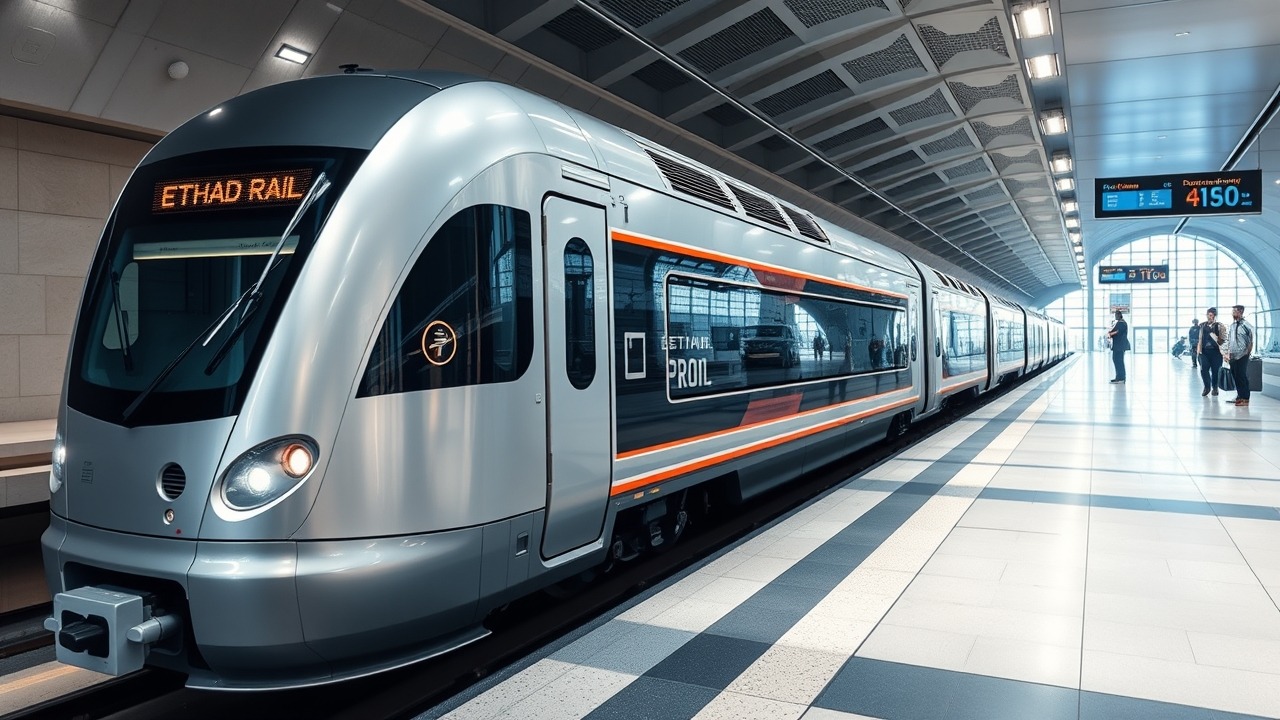
By 2026, the completion of the first phase of the Etihad Rail passenger service and the expansion of the ‘Blue Line’ metro have created new value pockets. Properties within a 10-minute walk of these nodes are seeing 15% higher retention rates. Furthermore, the integration of 5.5G networks across Dubai’s smart districts has made ‘remote-work’ villas in the outskirts more viable, redistributing the demand that was previously concentrated in the city center.
Frequently Asked Questions (FAQ)
Is 2026 a good time to buy property in Dubai?
It depends on your horizon. For end-users, 2026 offers more negotiating power as supply increases. For investors, it is a year for ‘cherry-picking’ distressed off-plan assignments or focusing on high-demand commercial spaces. Avoid high-leverage entry in oversupplied residential districts.
What happens to the Golden Visa if property prices fall?
The Golden Visa is tied to the purchase price or valuation at the time of application. As long as the property value was AED 2 million or more at the time of the grant, fluctuations in the secondary market typically do not affect your residency status, provided the equity remains in the property.
Will interest rates drop in Dubai during 2026?
Market analysts suggest the UAE Central Bank will follow the global trend of stabilizing rates. While we don’t expect a return to the 1% rates of the past, a stabilization around 4-5% for mortgages is likely, which will help sustain the secondary market’s liquidity.
Are there any new taxes for real estate in 2026?
While there is no personal income tax on rental income, investors should stay updated on corporate tax regulations for those owning properties through SPVs or companies. Consulting the Ministry of Finance guidelines is recommended for 2026 compliance.

Conclusion
The 2026 Dubai real estate market is far from a bubble about to burst; rather, it is a market learning to breathe. The signs we’ve identified—yield compression, supply surges, and the Golden Visa plateau—are healthy indicators of a maturing global city. By shifting your strategy from speculative flipping to long-term value acquisition in Grade-A developments, you can navigate this cycle with confidence. The ‘insider’ move for 2026 is to capitalize on the transition from off-plan dominance to a secondary market driven by genuine end-user demand. Stay vigilant, track the DLD data, and prioritize quality over hype.
Methodology: This analysis was compiled using 2026 RERA supply forecasts, Dubai Land Department transaction trends from Q1-Q3 2026, and comparative yield data from institutional PropTech platforms. All predictions are grounded in current 2026 legislative and economic mandates in the UAE.