
Investing in Dubai Real Estate: A Data-Driven Guide for International Investors 2025-2026
The Macroeconomic Resilience of the UAE
To understand the current state of the property market, one must first look at the broader economic context of the United Arab Emirates. The nation has successfully diversified its economy away from oil, with sectors like tourism, logistics, and financial services now contributing the majority of the GDP. According to the International Monetary Fund (IMF), the UAE maintains a stable growth trajectory, which provides a secure foundation for long-term asset holding.
For the international investor, this stability is further bolstered by the UAE Dirham’s peg to the US Dollar. This provides a hedge against currency volatility that is often found in other emerging markets. When planning your entry into the market, it is vital to consider currency tips that can help optimize your capital transfer strategies, especially for those holding EUR or GBP. The predictability of the fiscal environment is a primary driver for the sustained interest from European and Asian institutional buyers.
Strategic Infrastructure and the 2040 Master Plan
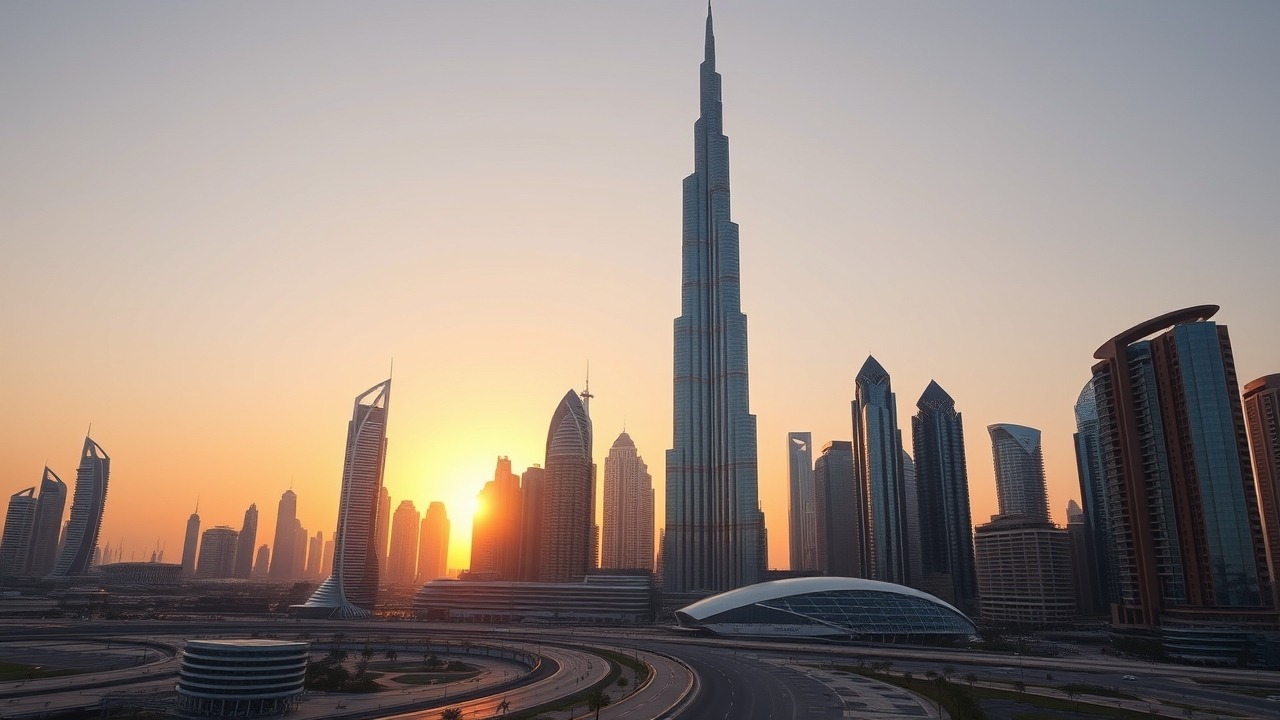
The Dubai 2040 Urban Master Plan is a blueprint for the city’s sustainable development over the next two decades. This plan focuses on enhancing urban areas, increasing green spaces, and improving public transport. For investors, this plan highlights where future demand will be highest. Areas designated for technology and tourism expansion are expected to see the most significant appreciation. Furthermore, the expansion of the Al Maktoum International Airport is positioning the surrounding regions as global logistics hubs.
- 1. Enhanced connectivity through expanded Metro lines.
- 2. Doubling of green and recreational spaces.
- 3. Increase in land area for hospitality and tourism activities.
- 4. Development of the “20-minute city” concept where 80% of daily needs are within reach via soft mobility.
Identifying High-Yield Investment Zones
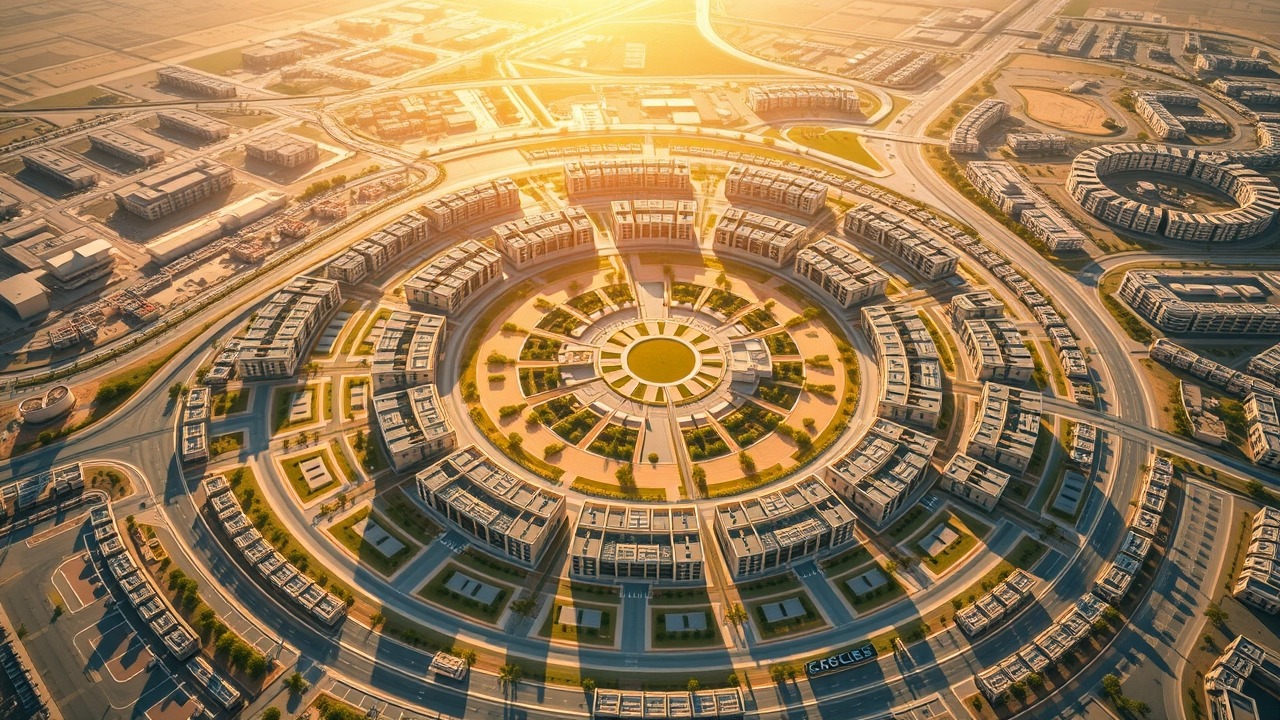
While the overall market is strong, data-driven buyers know that yields vary significantly between neighborhoods. One of the most talked-about regions is the area surrounding the former Expo site. Many investors are buying in Dubai South because of its long-term potential as a residential and commercial nucleus. The proximity to the new airport and the logistics corridor creates a built-in tenant base of high-income professionals.
In contrast, established hubs like the Dubai International Financial Center (DIFC) offer lower but more stable rental yields. These areas appeal to those looking for capital preservation and high-profile corporate tenants. The demand for luxury units in financial districts remains inelastic, even during broader market fluctuations. For those focused on the premium sector, exploring options in Dubai International Financial Centre can provide a hedge against inflation.
Analyzing Supply and Demand Cycles
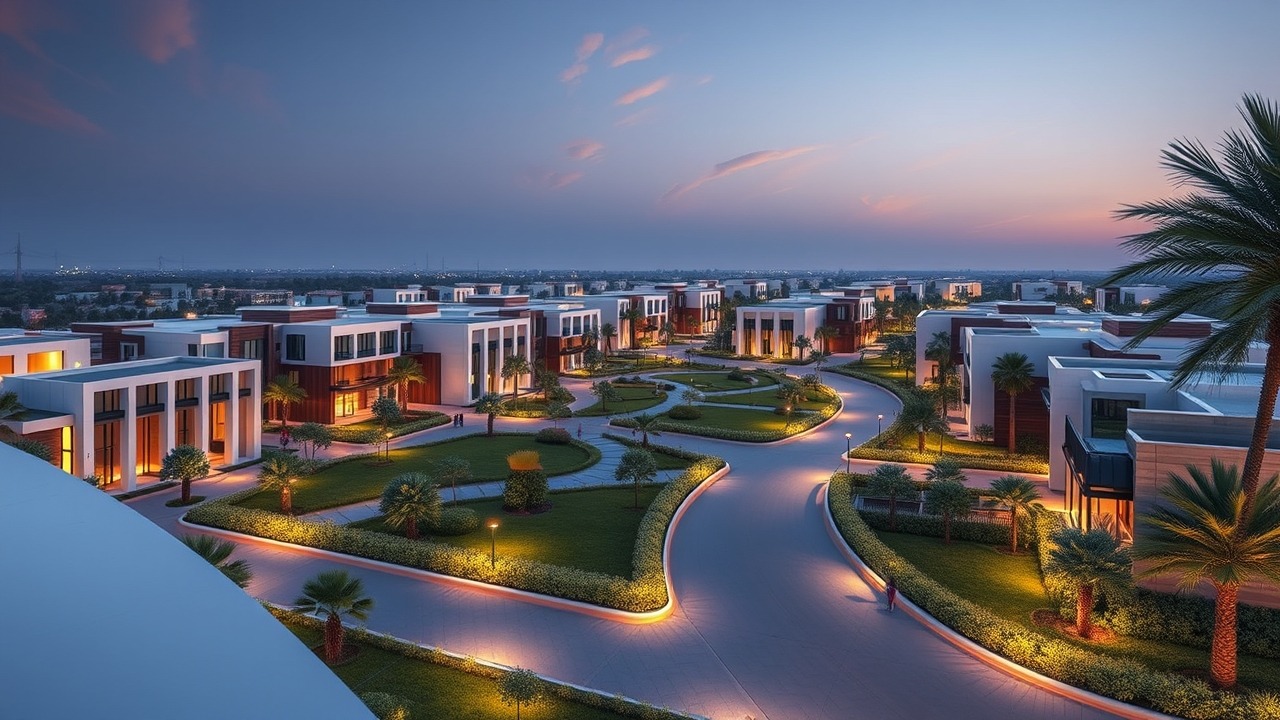
A common concern for international buyers is the potential for oversupply. However, historical data shows that Dubai has a high absorption rate due to its growing population. When investigating oversupply issues, it is important to distinguish between “announced units” and “delivered units.” Often, the delivery timeframe is staggered, preventing a sudden market crash. Areas like Jumeirah Village Circle (JVC) continue to show high occupancy rates because they cater to the mid-market demographic, which makes up the largest segment of the city’s population.
The Shift Toward Branded Residences
One of the most significant trends in the 2025 market is the proliferation of branded residences. These are properties developed in partnership with luxury brands (e.g., Four Seasons, Bugatti, or Ritz-Carlton). According to research from Reuters, branded residences can command a premium of 20% to 35% in rental income compared to non-branded luxury buildings. For a deeper analysis, refer to the rise of branded residences in Dubai to see how this niche is evolving.
These developments often include superior amenities, concierge services, and a global prestige that attracts ultra-high-net-worth individuals (UHNWIs). For the data-driven investor, the resale value of branded residences tends to be more resilient, as they are viewed as collectible assets rather than just real estate.

Off-Plan vs. Secondary Market: A Comparative Analysis
The choice between off-plan and ready-to-move-in properties depends on the investor’s risk appetite and liquidity needs. The off-plan share of sales has reached record highs in recent years, driven by attractive payment plans. These plans often allow investors to pay 40% to 60% of the property value during construction, with the remainder due upon completion. This leverage can significantly boost the return on equity (ROE).
However, off-plan investing requires a ultimate checklist to ensure developer credibility and project feasibility. Ensuring the developer has a registered escrow account with the Dubai Land Department (DLD) is a non-negotiable step for any serious buyer. Secondary market properties, on the other hand, provide immediate cash flow through rental income, which is preferred by those seeking to cover mortgage costs immediately.
| Feature | Off-Plan Property | Secondary Market | Branded Residences |
|---|---|---|---|
| Entry Price | Lower (Introductory rates) | Market Value | Premium |
| Payment Structure | Installments over 3-5 years | Lump sum / Mortgage | Structured / Milestone-based |
| Typical ROI (Net) | 6% – 9% (Projected) | 5% – 7% (Actual) | 4% – 6% + High Appreciation |
| Risk Factor | Construction delays | Maintenance/Aging | Niche market dependency |
Financial Logistics and Non-Resident Mortgages
Contrary to common misconceptions, international investors can access financing in the UAE. Banks typically offer up to 50% or 60% Loan-to-Value (LTV) for non-residents. Understanding mortgage loans for non-resident investors is crucial for maximizing your buying power. Interest rates are generally competitive, often tracking the US Fed rates due to the currency peg.
Data from the Central Bank of the UAE indicates that the mortgage market has remained healthy, with prudent lending standards preventing the type of subprime issues seen in other global markets. When applying for a loan, investors should be prepared to provide proof of income, bank statements from their home country, and a clear credit history.
Legal Frameworks and Investor Protection
Dubai has established a transparent legal system to protect foreign interests. Law No. 7 of 2006 regarding Land Registration in the Emirate of Dubai allows non-GCC nationals to own property in freehold areas. For a complete understanding of your rights, consulting a real estate laws guide is essential. The Real Estate Regulatory Agency (RERA) oversees all aspects of the industry, from developer licensing to rental disputes.
Key legal protections include:
- 1. Mandatory use of Escrow accounts for all off-plan funds.
- 2. Standardized contracts (Form F, Form A) to prevent ambiguity.
- 3. The Rental Dispute Center (RDC) for fast-track resolution of landlord-tenant issues.
- 4. Title deeds issued directly by the Dubai Land Department.

Pricing Strategy and Data-Driven Valuation
Successful investors do not buy based on emotion; they buy based on yield and price-per-square-foot comparisons. Adopting a data-driven approach involves looking at historical transaction data, which is publicly available through the DLD’s “Dubai Rest” app. By comparing the price of a property against the recent sales of similar units in the same building, investors can avoid overpaying in a hot market.
It is also important to factor in the total cost of ownership. Beyond the purchase price, buyers must account for the 4% DLD fee, agency commissions, and annual service charges. Calculating these costs upfront allows for a more accurate net ROI projection. For those considering long-term residency, understanding the cost of living in Dubai is also vital, as it impacts the rental demand from the expat population.
Step-by-Step Guide for First-Time International Buyers
Purchasing property from abroad may seem daunting, but the process has been streamlined through digitalization. Many developers and the DLD now allow for remote signing and blockchain-based transactions. For a secure experience, follow a safe purchase protocol:
- 1. Define your investment goal (Yield vs. Capital Growth).
- 2. Select a freehold area that matches your criteria.
- 3. Conduct due diligence on the developer and project status.
- 4. Sign the Memorandum of Understanding (MOU) or Sales and Purchase Agreement (SPA).
- 5. Complete the payment through secure channels and apply for the Title Deed.
This systematic approach minimizes risk and ensures that all legal requirements are met. For those seeking immediate high-performing assets, properties like those in the strong ROI category are often pre-vetted by agencies for their financial performance.
Future Trends: ESG and Tech-Driven Real Estate
Sustainability is becoming a core component of the Dubai market. In line with the UAE’s “Net Zero 2050” initiative, new developments are increasingly incorporating green building materials, solar energy, and smart home technology. According to data from Statista, properties with high energy efficiency ratings are beginning to command higher rents in the European and North American markets—a trend that is rapidly moving into Dubai.
Furthermore, PropTech (Property Technology) is revolutionizing how properties are managed. From virtual 360-degree tours to AI-driven property management apps, technology is reducing the friction of being an overseas landlord. Investors who embrace these technologies can manage their portfolios with minimal physical presence in the UAE.

Risk Mitigation in a Global Portfolio
While the outlook is positive, every investment carries risk. Savvy buyers mitigate this by diversifying across different asset classes. For example, balancing a high-yield studio in a mid-market area like JVC with a luxury beachfront unit provides a buffer against segment-specific downturns. Additionally, keeping an eye on global economic trends is vital. As noted by Bloomberg, global interest rate pivots can influence capital flows into emerging real estate hubs.
Monitoring the “Total Supply” versus the “Handover Rate” is the best way to predict price corrections. If a particular neighborhood has 10,000 units hitting the market simultaneously, rental prices may dip temporarily. However, for the long-term investor, these dips are often seen as buying opportunities rather than reasons for concern, given Dubai’s history of rapid recovery.

Frequently Asked Questions
What is the average ROI for Dubai real estate investment?
Typically, net rental yields range from 5% to 9%, depending on the property type and location. Apartments in mid-market areas like JVC often provide the highest yields, while luxury villas in areas like Palm Jumeirah offer higher capital appreciation potential.
Can foreigners get a residency visa by buying property?
Yes, the UAE offers various residency options, including the Golden Visa for property investments over a certain threshold (currently 2 million AED). This visa provides long-term residency and the ability to live, work, and study in the UAE.
Are there property taxes in Dubai?
Dubai does not impose personal income tax on rental income or capital gains tax. There is a one-time 4% transfer fee paid to the Dubai Land Department upon purchase, and annual service charges for property maintenance.
How is the market regulated for international buyers?
The market is strictly regulated by RERA and the Dubai Land Department. All off-plan payments must be deposited into government-regulated escrow accounts, ensuring that funds are only used for the construction of that specific project.
Conclusion
Dubai real estate investment remains one of the most compelling opportunities for international buyers in 2025 and beyond. By combining the city’s tax-free status with a data-driven selection process and a clear understanding of the legal safeguards, investors can build a resilient and high-yielding portfolio. As the city continues to expand under its ambitious 2040 Master Plan, those who enter the market with a strategic, informed perspective are well-positioned to reap significant rewards. Whether your focus is on the high-energy environment of DIFC or the emerging potential of Dubai South, the key to success lies in professional guidance and rigorous data analysis. Secure your financial future by investing in a market that is built for growth.