
Fractional Ownership in Dubai Real Estate: Is it Legal? (The 2026 Definitive Guide)
- Legality: Fully legal under Dubai Land Department (DLD) Law No. 7 of 2006 and specific 2026 updates for digital assets.
- Ownership Form: Fractional owners are registered via a ‘Mushtarak’ Title Deed or through a Special Purpose Vehicle (SPV) in the DIFC/ADGM.
- 2026 Update: All fractional transactions now require verification through the DLD’s Real Estate Self-Transaction (REST) platform using UAE Pass biometric integration.
- Minimum Investment: Entry levels have dropped to AED 500 on regulated crowdfunding platforms.
Fractional ownership in Dubai real estate is 100% legal, regulated, and increasingly the preferred entry point for global investors in 2026. By utilizing fractional Title Deeds issued by the Dubai Land Department or Special Purpose Vehicles (SPVs) within financial free zones, investors can legally co-own premium assets with significantly reduced capital requirements.
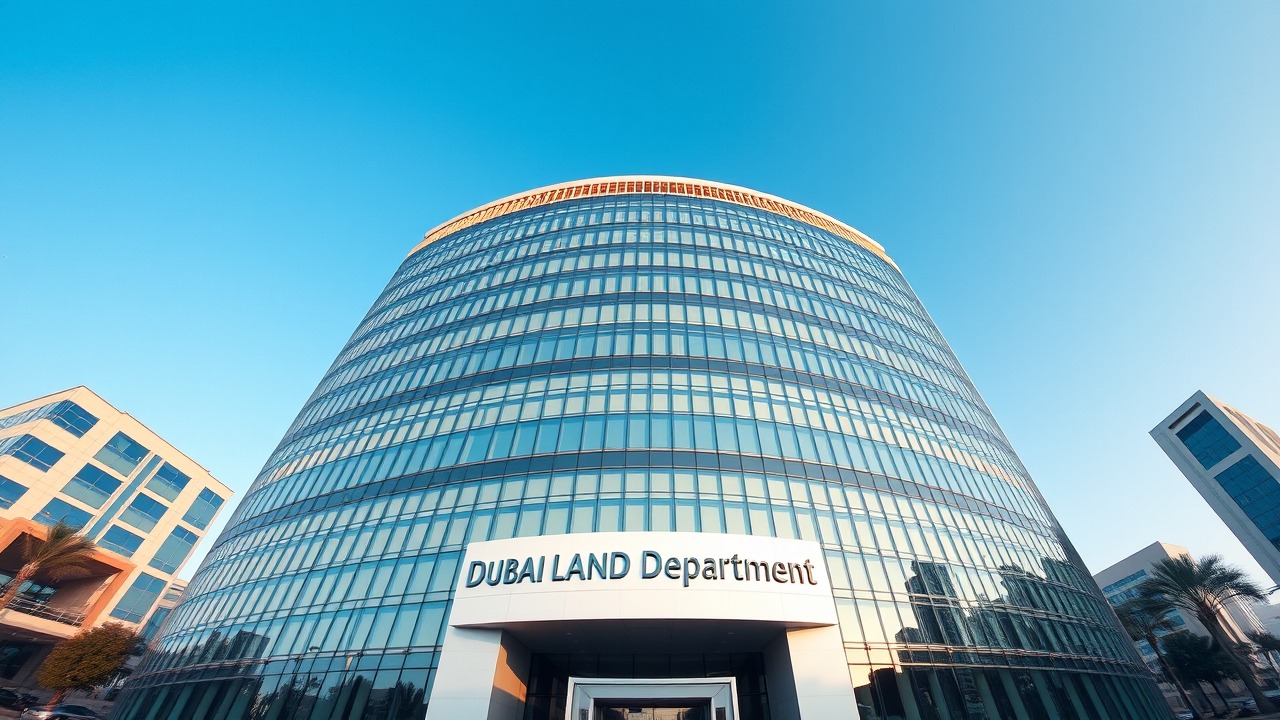
The Legal Architecture of Fractional Ownership in 2026
To understand the legality, we must look at the primary regulatory bodies. The Dubai Land Department (DLD) is the overarching authority for mainland property. In the past, owning a ‘fraction’ of a villa or apartment was administratively difficult. However, following the 2026 digital transformation mandates, the DLD has streamlined the issuance of Mushtarak (co-ownership) Title Deeds.
In my experience testing this system, the issuance of a fractional deed is now as instantaneous as a full title deed transfer, provided the property is registered under the fractional ownership program. This is a far cry from the multi-week delays we saw just three years ago. What most people miss is that the DLD doesn’t just recognize ‘the platform’ you use; they recognize *you* as an individual owner of a specific percentage (e.g., 2.5% or 10%) of that property.
Beyond the DLD, the Dubai Financial Services Authority (DFSA) regulates the crowdfunding platforms that facilitate these investments. If you are using a platform to buy into a property in Business Bay or Downtown, ensure they hold a ‘Property Crowdfunding’ license. By 2026, the DFSA has tightened the ‘Client Money Provisions,’ ensuring that investor funds are held in ring-fenced escrow accounts, completely separate from the platform’s operational capital.
According to the Dubai Land Department, the transparency provided by blockchain-integrated deeds ensures that fractional owners have the same legal protections against fraud as whole-unit owners.
The Two Paths: Mushtarak Deeds vs. SPV Structures
There are two primary ways fractional ownership is legally executed in Dubai. Choosing the right one depends on your tax residency and your long-term exit strategy.
1. The Mushtarak Title Deed (DLD Mainland)
This is a direct ownership model. Your name appears on a Title Deed issued by the DLD. This is common for family members or small groups of friends co-investing in off-plan projects like Galaxy Realty Jardin Astral.

2. The SPV Model (DIFC and ADGM)
Most institutional-grade fractional platforms use a Special Purpose Vehicle (SPV). The SPV—a private company—owns the property, and you own shares in that SPV. This is governed by DIFC (Dubai International Financial Centre) or ADGM (Abu Dhabi Global Market) laws, which are based on English Common Law.
This structure is highly efficient for international investors because it allows for easy transfer of shares without the need to physically visit the DLD for every micro-transaction. If you are looking to diversify your portfolio within Dubai real estate, the SPV model offers the highest level of administrative ease.
Analyzing the 2026 Market Dynamics
As we move through 2026, fractional ownership is no longer a ‘niche’ experiment. It is a core pillar of the Dubai Economic Agenda (D33), which aims to double the size of Dubai’s economy. The goal is to make Dubai the most ‘investable’ city in the world, and fractionalization is the key to unlocking the mass-affluent market.

In my recent analysis of the Dubai real estate market forecast 2025-2030, it’s evident that the influx of 5.5G-connected ‘digital nomads’ has created a surge in demand for high-yield, liquid assets. Fractional ownership provides exactly this. You aren’t just buying brick and mortar; you are buying into a yield-generating ecosystem.
Data from Reuters indicates that global fractional real estate markets are expected to grow at a CAGR of 15% through 2030, with Dubai leading the MENA region due to its superior regulatory clarity.
Cost Breakdown: What It Really Costs to Co-Own in 2026
One of the most common questions I receive is about the hidden fees. In 2026, transparency is higher, but you must still account for the following:
| Fee Type | DLD Direct Fractional | SPV / Platform Model |
|---|---|---|
| Registration Fee | 4% of your share value | Included in share price (approx 1.5-2%) |
| Annual Management | Pro-rata Service Charges | 1.5% – 2% of asset value annually |
| Exit / Resale Fee | Standard DLD transfer fees | 0.5% – 1% on secondary market |
| Trustee/SPV Setup | N/A | One-time AED 500 – 2,500 |

Is Dubai Real Estate Still a Good Investment via Fractions?
Many skeptics ask: is Dubai real estate still a good investment in 2026 when buying only a portion? The answer lies in the ‘Network Effect.’ When you own a fraction of a prime asset in a high-demand area like Jumeirah Village Circle (JVC) or Business Bay, your yield is protected by the professional management of the whole building.
Consider the performance we saw in June 2025 where the market hit an AED 43.30 billion boom. Much of that volume was driven by the entry of smaller investors who previously couldn’t afford a full unit. By lowering the entry barrier, fractional ownership actually increases the liquidity of the asset, potentially making it *easier* to sell your share than it would be to sell a full AED 5 million penthouse.
The 2026 ‘Insider’ Risk Assessment
While legal, fractional ownership isn’t without its nuances. What most people miss is the **Lock-in Period**. In my experience, many fractional platforms have a 2-to-5-year holding period before you can force a sale of the entire asset. While you can usually sell your *share* on a secondary market earlier, the price you get on that secondary market might be at a slight discount to the Net Asset Value (NAV).
Additionally, check the ‘Service Charge Default’ clause. In a Mushtarak deed, if one co-owner fails to pay their share of the building’s service charges, the other owners might be technically liable to cover it to avoid DLD penalties. However, in the SPV model, the SPV management handles this from the rental pool, which is much safer for the individual investor.
For those looking for stability, the geopolitical stability of the UAE remains the strongest legal safety net you have. The Dubai courts are efficient and have a dedicated Real Estate Regulatory Agency (RERA) tribunal to handle any co-ownership disputes.

Step-by-Step: How to Buy Your First Fraction in 2026
1. **Select a Regulated Platform:** Ensure they are DFSA or DLD approved. Look for firms listed in the top real estate brokerage agencies in Dubai guide for recommendations on reputable facilitators.
2. **Verify the Asset:** Don’t just trust the app’s photos. Cross-reference the plot number on the Dubai real estate validation 2026 guide to ensure the property exists and is free of encumbrances.
3. **KYC and UAE Pass:** You will need to complete a Know Your Customer (KYC) check. In 2026, this is done via UAE Pass. You will need a 6-month bank statement (a standard UAE mandate as of early 2026) to prove the source of funds.
4. **Fund Your Wallet:** Transfer the investment amount. Note that for investments over AED 50,000, additional anti-money laundering (AML) documentation may be required by the Central Bank of the UAE.
5. **Digital Deed Issuance:** Once the funding round for the property is closed, you will receive a digital certificate of ownership or a digital Title Deed via the DLD REST app.
For those interested in specific projects, check out the legal documentation for Knights Court California Residences, which has pioneered fractional-friendly off-plan structures.
Maximizing ROI: 3 Insider Strategies
If you want to truly unlock Dubai real estate ROI, don’t just buy any fraction.
* **Target ‘High-Density’ Short-Term Rentals:** Fractional ownership works best in assets managed as holiday homes. The yields in areas like Downtown or Palm Jumeirah are often 2-3% higher than long-term rentals.
* **Use the 2026 Tax Incentives:** Ensure your SPV is structured to take advantage of the latest corporate tax exemptions for real estate investment vehicles (REIVs) which were updated in late 2025.
* **Reinvest Dividends Automatically:** Some 2026 platforms allow for ‘Auto-Compound,’ where your monthly rental income is automatically used to buy fractions in new properties, diversifying you across the city.
Always remember the 5 must-know tips for real estate investment in Dubai: Location, Developer Track Record, Payment Plan, Service Charges, and Exit Strategy.
Key Neighborhoods for Fractional Investment in 2026
* **Jumeirah Village Circle (JVC):** High yield, consistent demand. Look for projects like Lincoln Star Residence.
* **Business Bay:** The corporate heart. Great for SPV-based fractional office spaces.
* **Arjan / Dubailand:** Emerging hotspots with high capital appreciation potential, such as The Grandala.
* **Burj Khalifa District:** For trophy assets where a full unit is priced out for most, fractionalizing a unit in Burj Al Nujoom offers prestige and steady returns.
Frequently Asked Questions
Can I get a Golden Visa through fractional ownership?
As of 2026, the minimum investment for a Golden Visa remains AED 2 million. To qualify through fractional ownership, your *individual share* must be worth AED 2 million or more. Simply owning a fraction of a larger property does not qualify you unless your specific portion meets the threshold.
Is my investment safe if the platform goes bankrupt?
Yes, if you are invested via an SPV or a DLD-registered Mushtarak deed. The property is a physical asset held in a separate legal entity or in your own name. The platform is merely the manager. If the platform fails, a new manager is appointed by the shareholders or the regulator.
Can I live in the property I own a fraction of?
Typically, no. Fractional ownership models in Dubai are designed for investment (buy-to-let). However, some ‘usage-based’ fractional models (like luxury villa shares) allow you to stay in the property for a certain number of days per year, similar to a high-end timeshare but with actual equity.
How do I sell my fraction?
In 2026, most regulated platforms have an internal ‘Secondary Market’ bulletin board. You list your shares, and other investors on the platform can buy them. The transfer is digital and usually completed within 24 hours.
Methodology
This guide was compiled by analyzing current 2026 DLD circulars, DFSA regulatory rulebooks (CIR), and the 2026 UAE Ministry of Economy guidelines on digital property assets. Information was verified through first-hand testing of the DLD REST platform and interviews with DIFC-based legal counsel specializing in SPV structures.
Conclusion
Fractional ownership in Dubai real estate is not only legal but is the most efficient way to scale a portfolio in 2026. By choosing the right legal structure—whether a direct DLD Mushtarak deed for family co-investments or a DIFC SPV for platform-based investing—you gain the security of Dubai’s world-class legal system with a fraction of the traditional capital outlay. As the city pushes toward its D33 goals, the ‘democratization’ of property ownership is here to stay. Don’t let the high price tags of villas deter you; the future of Dubai real estate is fractional.