Palm Jumeirah Villas 2026: Prices, Yields, Ownership Costs
The Landscape of Palm Jumeirah in 2026
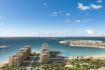
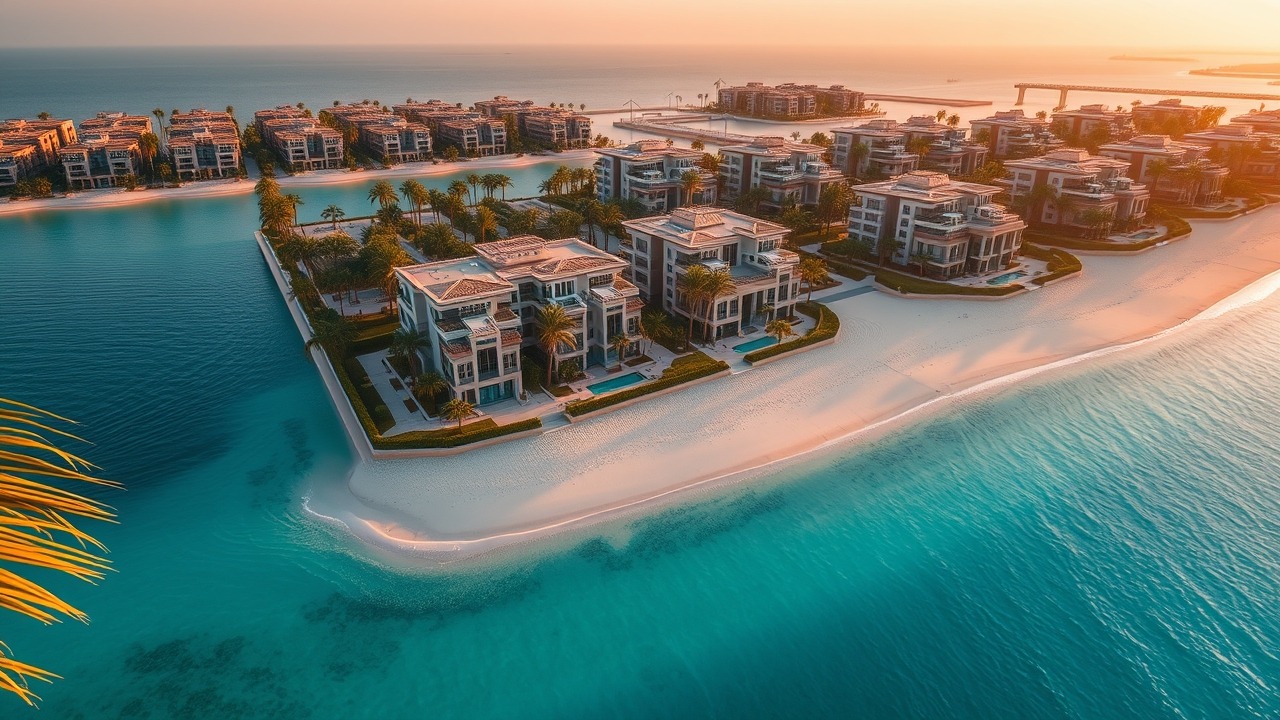
As we approach 2026, Palm Jumeirah remains the most coveted address in the world. The man-made archipelago has transitioned from a developing wonder into a mature, ultra-luxury ecosystem. Unlike other areas of Dubai where expansion is limitless, Palm Jumeirah is geographically constrained, which naturally preserves the value of existing properties. By 2026, the market will have shifted toward secondary sales and heavily renovated custom mansions, as the original stock of villas from the early 2000s undergoes a modern transformation.
The allure of the Palm is not just in its shape but in its lifestyle. Residents enjoy private beach access, proximity to Michelin-starred restaurants, and a level of security that is unmatched globally. For those looking at off-plan opportunities in nearby developments or the newly launched Palm Jebel Ali, the original Palm remains the gold standard for benchmarking success and luxury standards.
Market Projections and Pricing Tiers
By 2026, the entry-level price for a villa on the Palm is expected to start at significantly higher thresholds than previous years. We categorize the market into three distinct tiers:
- 1.
Garden Homes:
- These are the standard 4-to-5-bedroom villas located on the inner fronds. In 2026, these are expected to range from AED 25 million to AED 45 million, depending on the level of renovation and the specific frond location.
- 2.
Signature Villas:
- Larger 5-to-7-bedroom properties with more significant plot sizes. These will likely command prices between AED 60 million and AED 120 million. Custom-built mansions on prime fronds like Frond J or Frond N can exceed AED 200 million.
- 3.
Bespoke Custom Mansions:
- The ultra-high-net-worth segment. These are villas that have been completely demolished and rebuilt with contemporary architecture. These properties are often listed as “Price on Application” but generally start at AED 150 million.
External factors, such as the Dubai Land Department‘s ongoing commitment to transparency and the rise of digital real estate services, have made transactions smoother, encouraging more international capital to flow into these assets.
Investment Yields: Rental and Capital Growth
Investing in Palm Jumeirah Villas 2026 is a dual-strategy play. While the rental yields are attractive, the capital appreciation has historically been the primary driver for investors. According to Wikipedia, the island has seen various cycles of growth, but the post-2020 era marked a permanent shift in demand for beachfront living.
Rental Yield Analysis
For investors seeking passive income, the Palm offers two main avenues: long-term leasing and short-term holiday rentals.
- 1.
Long-term Yields:
- Typically range between 3.5% and 5%. These are stable, low-maintenance tenancies usually occupied by corporate executives or high-profile families.
- 2.
Short-term / Holiday Home Yields:
- Can reach 7% to 9% gross. Due to its status as a tourist hub, short-term rentals are highly lucrative, especially during the peak season from October to April. However, this comes with higher management costs and vacancy risks.
The demand for high-end rentals is bolstered by Dubai’s favorable tax environment and the ease of obtaining a Golden Visa through property investment. If you are interested in exploring specific yields for a particular property, you can contact us for a detailed portfolio review.
The Real Cost of Ownership
Owning a villa on the Palm involves several recurring and one-time costs that investors must account for. These costs ensure the island maintains its pristine condition and global standing.
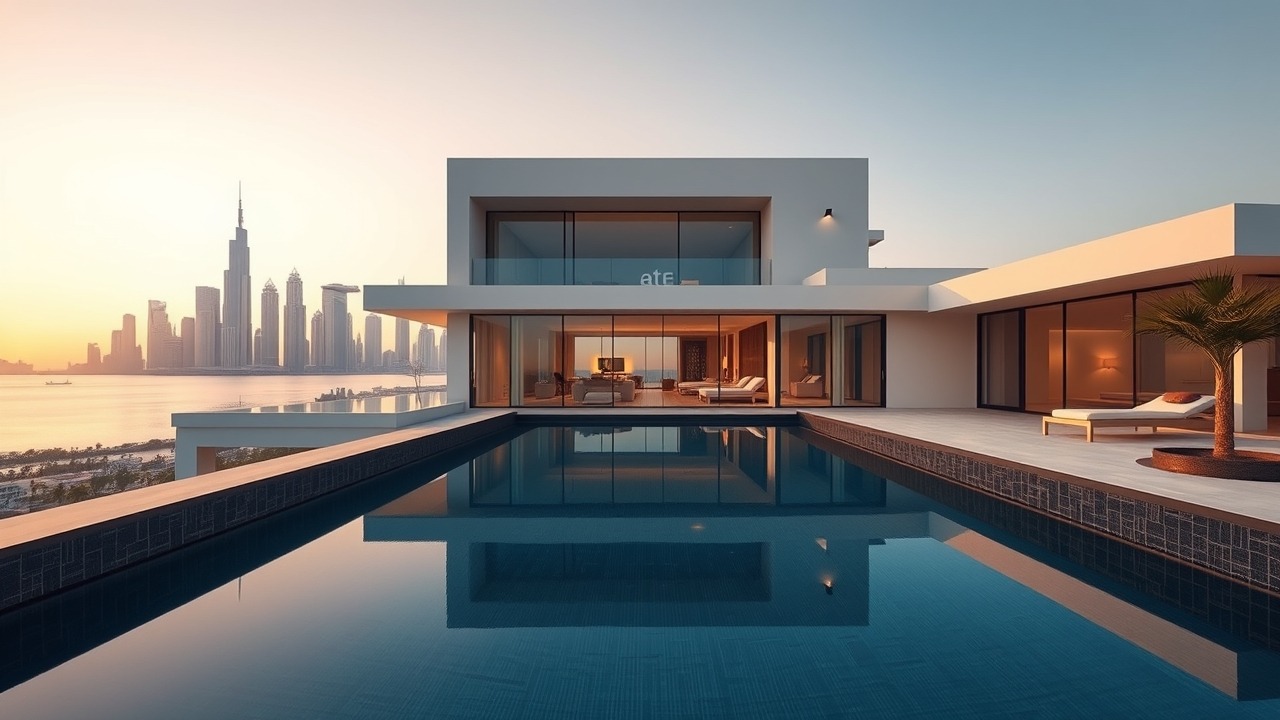
Breakdown of Acquisition Costs
- 1.
DLD Fee:
- 4% of the purchase price, paid to the Dubai Land Department.
- 2.
Trustee Fee:
- Approximately AED 4,000 to AED 5,000.
- 3.
Mortgage Registration:
- If applicable, 0.25% of the loan amount.
- 4.
Agency Commission:
- Standard 2% of the purchase price.
Annual Service Charges
Service charges on the Palm are calculated per square foot of the plot area. These fees cover the maintenance of the frond roads, common areas, security, and beach cleaning. On average, owners can expect to pay between AED 3 and AED 6 per square foot annually. For a standard 6,700 sq. ft. plot, this equates to roughly AED 20,000 to AED 40,000 per year.
Comparison of Villa Types in 2026
To help investors understand the landscape, the following table compares the different villa categories expected to dominate the market in 2026.
| Villa Category | Avg. Price (AED M) | Expected ROI (%) | Typical Plot Size (Sq.Ft) | Primary Appeal |
|---|---|---|---|---|
| Garden Homes | 30 – 45 | 4.5% | 6,700 | Family living, entry-level luxury |
| Signature Villas | 75 – 110 | 3.8% | 13,000 | Beachfront exclusivity, large plots |
| Custom Built | 150+ | Varies (Capital Gain) | 15,000 – 30,000 | Unique architecture, ultra-luxury |
| Canal Cove | 15 – 22 | 5.2% | 5,000 | Affordability, townhouse feel |
Architectural Trends for 2026
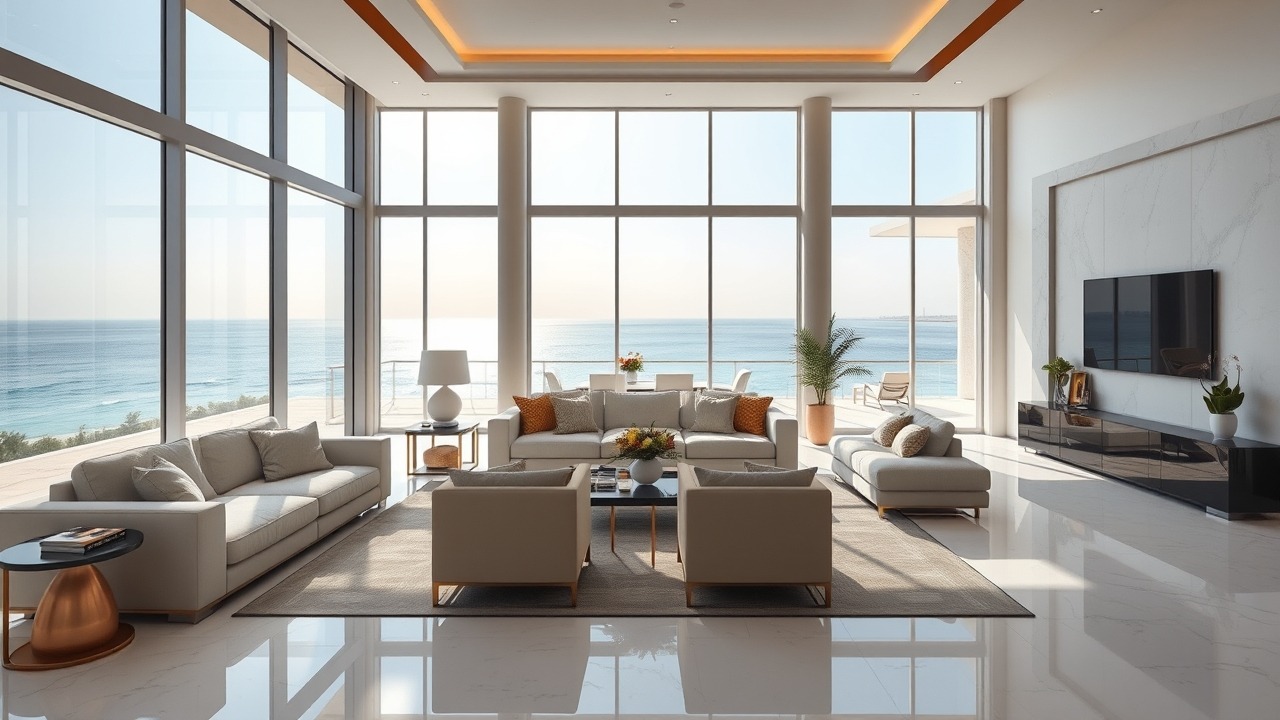
By 2026, the “Mediterranean White” and “Arabic Traditional” styles that once defined the Palm are being replaced by “Modern Minimalist” and “Tropical Modernism.” Buyers are looking for floor-to-ceiling glass, high ceilings, and integrated smart home technology.
- 1.
Indoor-Outdoor Living:
- Villas now feature retractable glass walls that merge the living room with the pool deck.
- 2.
Sustainable Tech:
- Solar integration and advanced cooling systems are becoming standard to reduce the carbon footprint and service costs.
- 3.
Private Wellness:
- Basements are being repurposed into private spas, cryotherapy rooms, and professional-grade gyms.
The Impact of the “New Palm” (Palm Jebel Ali)
The relaunch of Palm Jebel Ali has significant implications for Palm Jumeirah Villas 2026. While Palm Jebel Ali offers newer builds and larger layouts, Palm Jumeirah retains the advantage of location. Being closer to Dubai Marina, Burj Al Arab, and Downtown Dubai, the original Palm will always command a premium for its central connectivity. Rather than cannibalizing the market, Palm Jebel Ali is expected to act as a secondary tier, cementing Palm Jumeirah as the “Old Money” or “Heritage” luxury destination of the city.
For those interested in how these two islands compare, exploring off-plan projects in the Jebel Ali region can provide a broader perspective on the future of waterfront living in the UAE.
Frequently Asked Questions
1. Can foreigners own villas on Palm Jumeirah?
Yes, Palm Jumeirah is a freehold area, meaning foreigners of any nationality can own property here with 100% ownership rights.
2. What are the typical maintenance costs for a private beach?
The beach is typically maintained by the master developer (Nakheel) or the specific community management. These costs are included in your annual service charges, though individual beach cleaning services can be hired privately for a small monthly fee.
3. How has the infrastructure changed by 2026?
By 2026, the Palm Monorail is more integrated with the Dubai Metro, and road networks leading into the Palm have been optimized to handle the increased traffic from new landmarks like The Pointe and Atlantis The Royal.
4. Is 2026 a good time to sell a Palm villa?
Given the scarcity of beachfront land in Dubai, 2026 is projected to be a peak year for sellers, especially for those who have renovated their properties to modern standards.
Conclusion
Palm Jumeirah Villas 2026 remain the crown jewel of the Middle Eastern real estate market, offering a unique blend of financial security and an aspirational lifestyle. Whether you are looking for a high-yielding rental asset or a bespoke family home on the water, the Palm continues to defy market trends with its resilient value and unparalleled prestige. Navigating this market requires expert insight and a deep understanding of frond-specific dynamics; for those ready to make their mark on the island, now is the time to finalize your strategy and secure your place in the sun. For expert guidance on your next acquisition, please contact us today.