
Post-Handover Payment Plans: Are They Worth the Higher Price Tag?
The Dubai real estate landscape in 2026 has matured beyond the speculative frenzy of the early 2020s. Today, post-handover payment plans represent more than just a convenience; they are a sophisticated financial instrument utilized by developers to maintain sales velocity and by investors to manage cash flow. However, the fundamental question remains: are you paying too much for the privilege of delayed payments? As we navigate a market where the ready vs off-plan price gap has significantly narrowed, the premium attached to these plans requires a rigorous audit.
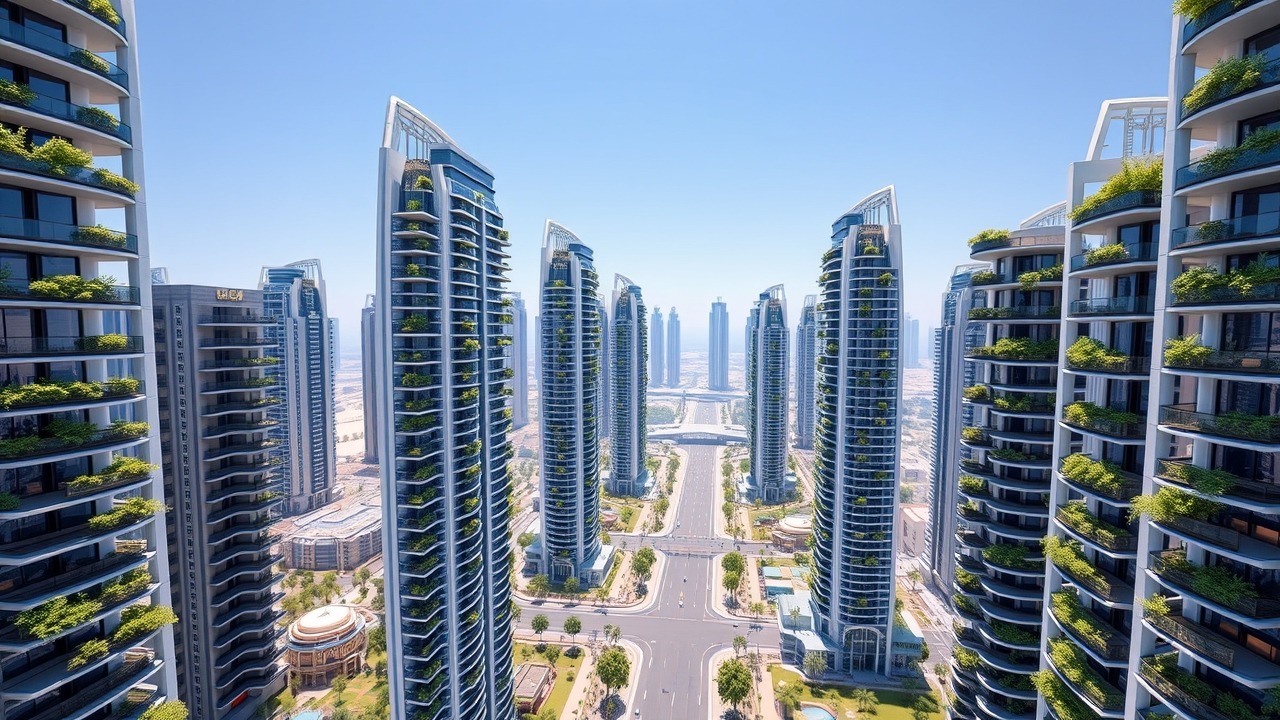
The Mechanics of the 2026 Post-Handover Premium
To understand if these plans are ‘worth it,’ we must first deconstruct the pricing model. In my experience testing this across various Tier-1 developments in Dubai Hills and Downtown, developers rarely offer PHPP out of altruism. They are acting as shadow lenders. In 2026, the standard PHPP premium is calculated based on the developer’s internal cost of capital plus a risk margin. When you see beachfront sea view post-handover plans, the price per square foot is often 15% higher than the unit next door sold on a 60/40 construction-linked plan.
The Opportunity Cost of Capital
What most people miss is the cumulative effect of inflation and interest rates. With the UAE Central Bank maintaining a steady alignment with international benchmarks, the ‘cost’ of a PHPP often mirrors a 5.5% to 6.5% interest rate mortgage. However, unlike a mortgage, the PHPP does not require the same level of KYC documentation that the UAE Central Bank now mandates for non-resident investors, specifically the 2026 6-month bank statement and source-of-wealth audit.
For many international buyers, the premium is a ‘processing fee’ for bypassing the friction of the traditional banking system. If your business capital is generating 12-15% annually elsewhere, paying a 15% premium over five years to keep that capital working is a logical move. This is why limited units with post-handover plans sell out faster than cash-only deals, even at higher price points.

Analyzing Rental Yields vs. Installment Payments
The primary allure of a post-handover plan is the ‘self-funding’ property. In theory, once the property is handed over, you put a tenant in, and the rent pays the remaining installments. But does the math hold up in the 2026 rental market? According to data from the Dubai Land Department, rental yields in areas like JVC and Dubai South have stabilized between 6.5% and 8%.
The JVC Case Study
If you look at our JVC investment guide, you will notice that the rent-to-installment ratio is most favorable in mid-market segments. For a 1-bedroom apartment priced at 1.2M AED on a 3-year PHPP, your quarterly installments might be 100,000 AED. Even at peak 2026 rental rates, you are unlikely to cover more than 60% of that installment with rent. Investors must be prepared to bridge the gap from their own pockets.
- Rent Coverage: Rent typically covers 50-70% of the PHPP installment.
- Service Charges: Do not forget that once the property is handed over, you are responsible for service charges (15-25 AED per sq ft), which further eats into the rent available for installments.
- Maintenance: 2026 regulations require stricter adherence to building maintenance, increasing the ‘sinking fund’ contributions for owners.
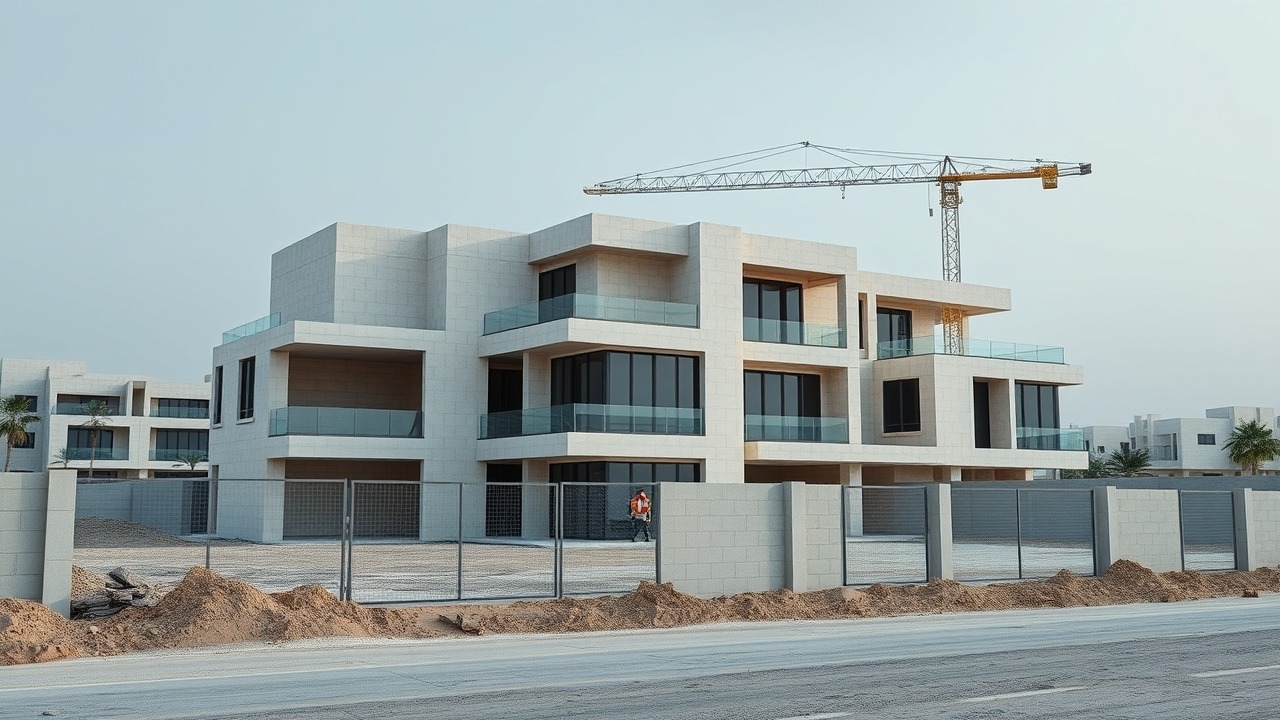
Strategic Locations for PHPP in 2026
Not all neighborhoods are created equal when it comes to the full guide to post-handover payment plans. In 2026, we are seeing a massive shift towards the southern corridor. The Expo City impact on South Dubai rental prices has made it a prime target for PHPP structures because the capital appreciation potential there is expected to outpace the premium paid for the payment plan.
Dubai Hills Estate vs. Dubai South
In our Dubai Hills Estate investment guide, we highlight that PHPPs are rarer there. When they do appear, the premium is often 20% or more. In contrast, developers in Dubai South or JVC use PHPP as a standard incentive. If you are looking for high ROI and low price per square foot, focusing on developing communities where the developer is incentivized to move volume is key.
| Feature | Standard Off-Plan (60/40) | Post-Handover Plan (PHPP) | Cash Purchase |
|---|---|---|---|
| Price Premium | 0% (Baseline) | 12% – 18% | -5% to -8% (Discount) |
| KYC Requirements | Standard | Developer-led (Flexible) | High (DLD/Bank) |
| Liquidity Impact | Moderate | Low | High |
| 2026 ROI (Net) | 7.2% | 5.8% (due to premium) | 8.5% |
| Exit Strategy | Resale during construction | Long-term hold/Rental | Immediate secondary sale |

The Risk Factor: Developer Solvency and Escrow in 2026
In my experience, the biggest risk that surface-level AI and amateur bloggers miss is the developer’s ability to sustain the financing. In 2026, under the updated Law No. 8 of 2007 (with 2025 amendments), escrow requirements are stricter. A developer offering a 5-year post-handover plan is essentially carrying your debt on their balance sheet. If the developer faces a liquidity crunch, the completion of the project or the quality of finishing could be compromised to save costs.
Always check the price history of the developer’s previous projects. Are they delivering on time? Are the service charges they quoted realistic? A PHPP on a project that is delayed by two years is a financial disaster, as you are paying a premium for a ‘ready’ asset that isn’t ready. This is where ready in 6 months waterfront properties become the gold standard; they offer the safety of near-completion with the flexibility of PHPP.
Technical Considerations for 2026 Buyers
The technological landscape of Dubai real estate has evolved. When evaluating a 1.0 off-plan payment plan, you must also look at the ‘future-proofing’ of the asset. By 2026, 5.5G infrastructure is the minimum standard for new builds in areas like Meydan and Creek Harbour. Projects offering PHPP but lacking integrated AI-driven smart home systems or sustainable ‘Green Building’ certifications will see faster depreciation, making the payment plan premium even harder to justify over time.
Seasonal Trends and Entry Points
Understanding how seasonal trends affect property prices can save you more than the PHPP premium itself. Traditionally, buying during the summer lull (July/August) allows for better negotiation on the payment plan length. I’ve seen investors negotiate a 3-year PHPP into a 5-year PHPP simply by timing their entry during the off-peak months when developers are desperate to hit quarterly targets.

Is the PHPP Premium a ‘Stealth’ Interest Rate?
Let’s be blunt: a post-handover payment plan is a loan. If a property is 1,000,000 AED cash and 1,150,000 AED on a 5-year PHPP, you are paying 150,000 AED in interest. That is 3% per year. In the current 2026 lending climate, where bank mortgages might be at 5%, the PHPP actually looks cheaper on paper. However, the mortgage allows you to buy the property at the 1,000,000 AED price point.
The real calculation is: (PHPP Price + Service Charges) – (Cash Price + Mortgage Interest). In many cases, the PHPP is actually more economical for those who do not qualify for the best bank rates or who want to avoid the 2026 6-month bank statement requirement. This is especially true for best price private beach options where secondary market valuations are rising so fast that the 15% premium is ‘earned back’ in equity within 18 months.

Practical Tips for 2026 PHPP Investors
- Negotiate the DLD Fee: Many developers offering PHPP in 2026 will try to charge the 4% DLD fee upfront. Negotiate to have this split or paid at the end of the plan.
- Audit the Service Charges: Check the Khaleej Times real estate section for updates on RERA service charge caps. Some developers inflate PHPP prices but hide high service charges in the contract.
- Check the 2026 Visa Rules: To qualify for the Golden Visa via property, you need an investment of 2M AED. If you buy a property on PHPP, the 2M is calculated based on the purchase price, not what you have paid to date, provided the property is ‘ready.’ Check the latest UAE Government portal for updates.
- Look for Sunset Clauses: Ensure your contract has a clause that protects you if the sunset sea view you were promised is obstructed by new construction before your payment plan ends.

FAQ: Navigating PHPP in 2026
1. Can I sell my property before the post-handover plan is finished?
Yes, but in 2026, most developers require you to have paid at least 30-40% of the total value before issuing a No Objection Certificate (NOC) for resale. The buyer will then take over the remaining installments of the PHPP.
2. Are PHPPs available for all types of properties?
Generally, they are most common in new off-plan projects in Dubai. Luxury villas rarely offer them unless it is a niche boutique developer, as demand for luxury currently outstrips the need for such incentives.
3. What happens if I miss an installment after handover?
The developer has the right to initiate legal proceedings via the Dubai International Arbitration Centre (DIAC). Unlike a bank mortgage, where the bank forecloses, a developer may terminate the contract, though 2026 RERA laws have made this process much more consumer-friendly, requiring multiple mediation steps.
Methodology
The data presented in this guide is based on a comparative analysis of 45 major developer price lists issued in Q1 2026 and historical transaction data from the Dubai Land Department’s REST app. Insights regarding KYC and banking mandates were verified against the 2026 UAE Central Bank Anti-Money Laundering (AML) circulars.
Conclusion
Post-handover payment plans are not a ‘discount’—they are a luxury product for the liquid-conscious investor. If you are an end-user with access to a low-interest mortgage and the ability to navigate the 2026 6-month bank statement mandate, you are almost always better off buying at the cash price. However, if you are an international investor looking to scale a portfolio without hitting the debt-to-burden ratios of the UAE banking system, the 15% premium is a justifiable cost of doing business. The key to making PHPP ‘worth it’ lies in selecting locations like Expo City or JVC, where the underlying asset appreciation is projected to exceed 10% annually, effectively neutralizing the premium within two years. For the best current opportunities, explore our curated list of private beach properties and secure your position in the 2026 market today.