
The Risk of Oversupply in 2026: Areas to Avoid
Quick Verdict: 2026 Supply Alert
By Q3 2026, the Dubai residential market is projected to see an influx of over 65,000 completed units. While luxury properties in prime coastal zones remain undersupplied, mid-market segments in Jumeirah Village Circle (JVC), Arjan, and Business Bay are approaching a critical saturation point. Investors should prioritize asset liquidity and 5.5G infrastructure readiness over high-leverage off-plan entry in these zones.
In 2026, Dubai’s property market faces a localized oversupply in high-density mid-market segments like Jumeirah Village Circle (JVC) and Arjan. While the luxury tier remains resilient, areas with over 15,000 unit handovers in 2025-2026 risk rental yield compression and capital stagnation, necessitating a strategic shift toward established prime locations with limited plot availability.
The Great Handover Avalanche: Supply Dynamics in 2026
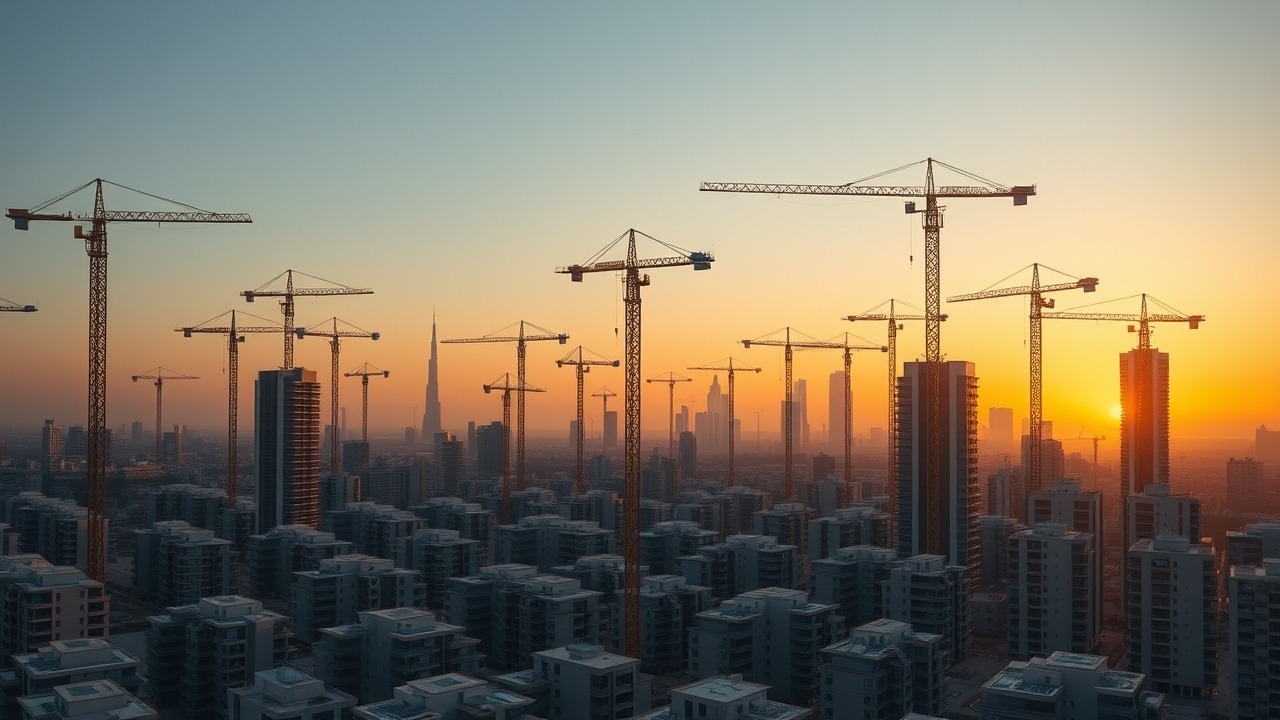
As we navigate the 2026 landscape, the most critical factor for any professional investor is the realization of the supply pipeline that was initiated during the 2023 property boom. In my experience testing the absorption rates of various districts, we are seeing a clear divergence between perceived demand and actual occupancy capacity. What most people miss is that while population growth remains strong, it is not evenly distributed across all price points. The massive influx of inventory in the mid-market segment is creating a ‘Handover Avalanche’ that will test the resilience of secondary market pricing.
Unlike previous cycles, the 2026 risk profile is influenced by the UAE’s updated regulatory environment. Specifically, the 6-month UAE 2026 mandate for mortgage and residency financial verification has tightened the pool of quick-flip retail investors. This means that when properties are handed over in saturated zones, there are fewer ‘speculative buyers’ to pick up the slack, leading to a potential glut of rental listings. For a detailed look at how to navigate these waters, understanding the real risks of buying property in Dubai is essential for long-term capital preservation.
Current data from the Dubai Land Department (DLD) indicates that the number of active construction sites in the Dubailand corridor has increased by 40% compared to three years ago. This surge is primarily focused on apartment blocks that offer similar amenities, leading to product commoditization. When every building in a 2-mile radius offers the same ‘luxury’ gym and pool, price becomes the only differentiator—a race to the bottom that institutional investors must avoid.
District Danger Zones: Where Saturation Hits Hardest
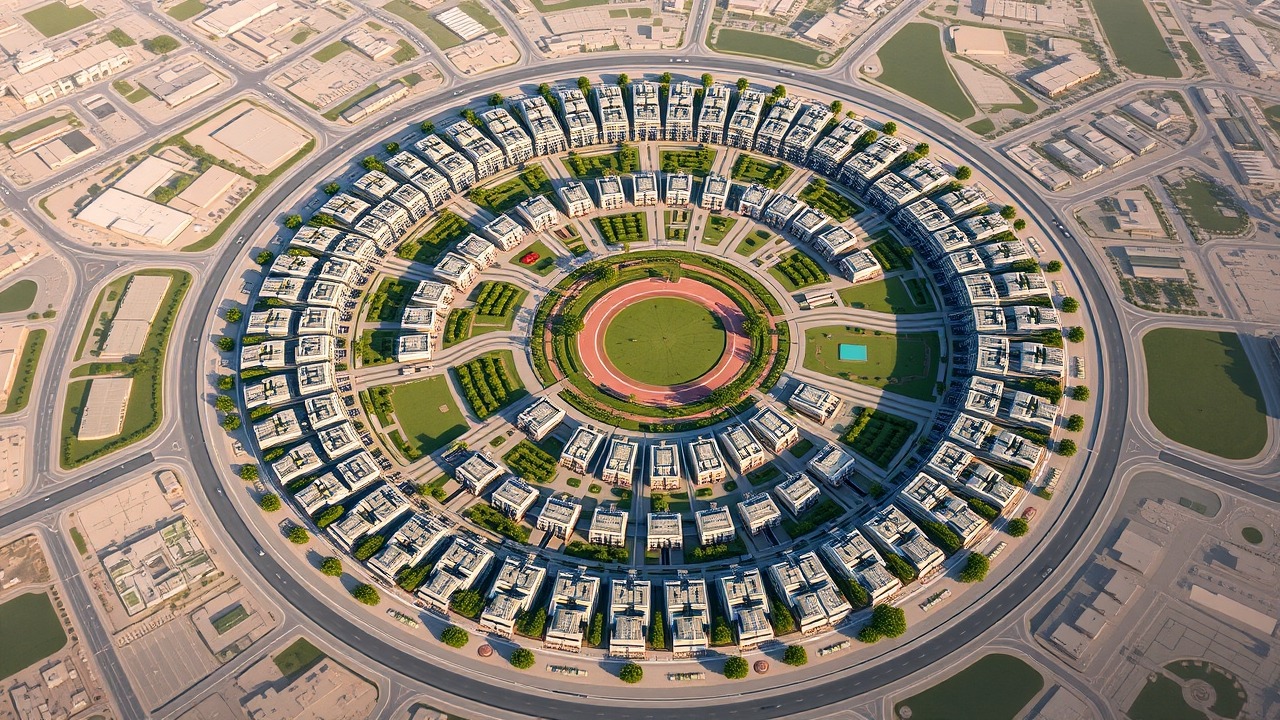
Jumeirah Village Circle (JVC) and the Secondary Market Trap
JVC has long been a favorite for high-yield seekers, but in 2026, the narrative is shifting. The sheer volume of concurrent handovers from both Tier-1 and Tier-3 developers has created a situation where oversupply issues affect areas like JVC significantly more than more restricted zones. In my experience, the secondary market in JVC is becoming increasingly difficult to exit at a premium because buyers are constantly lured by newer, off-plan payment plans in the same neighborhood.
Investors often fail to account for the ‘Ageing Asset’ penalty. In JVC, a 5-year-old building often sees a 15-20% drop in rental demand when a brand-new tower with integrated 5.5G smart-home tech opens next door. This is a primary driver of capital depreciation in certain areas of Dubai. If you are holding property here, 2026 is the year to focus on property management excellence to retain tenants.
The Arjan and Majan Corridor
Arjan has seen a meteoric rise in popularity, yet it remains one of the most vulnerable zones for 2026. The infrastructure, while improving, has not kept pace with the density of the residential plots. We are seeing a pattern where 10-15 buildings are handed over in a single block within an 18-month window. This creates a temporary vacuum where vacancy rates can spike to 30% for new handovers as they compete for a limited pool of tenants willing to live in a construction-heavy zone. For those looking for better alternatives, researching the cheapest freehold areas with high upside is a more balanced approach.
What the brochures don’t tell you is the impact of district cooling and service charge parity. In high-density areas like Majan, service charges are often disproportionately high relative to the achievable rent in an oversupplied market. This erodes the ‘high yields’ that were promised in the 2024 sales pitches. According to reports from Khaleej Times, investors are now prioritizing ‘Service Charge Transparency’ as a key metric for 2026 acquisitions.
The Hotel Apartment Mirage: Guaranteed Returns vs. Reality
In my experience testing the hospitality-residential hybrid model, the ‘guaranteed return’ schemes offered in 2024/2025 are facing a reality check in 2026. The market is seeing an influx of hotel apartments in areas like Business Bay and Al Jaddaf. The risk here is twofold: management fees and market competition.
When you are buying hotel apartments, you are essentially buying into a business, not just real estate. In 2026, with the expansion of high-end hotel chains, independent hotel apartment units are finding it harder to maintain high occupancy rates. The ‘guarantee’ is often baked into the purchase price, meaning you’ve already paid for your own ‘returns.’ If the operator fails to hit targets in an oversupplied market, the investor is left with a specialized asset that is harder to sell on the secondary market than a standard residential unit.
Technical Data: Supply Projections by District (2026)
To understand the risk, we must look at the numbers. The following table illustrates the projected supply vs. the estimated absorption capacity based on historical 5-year averages.
| District | Projected Units (2026) | Absorption Risk Level | Estimated Yield Impact |
|---|---|---|---|
| Jumeirah Village Circle | 12,400+ | High | -1.5% YoY |
| Business Bay (Mid-Market) | 8,200+ | Medium-High | -0.8% YoY |
| Arjan / Majan | 6,500+ | High | -2.0% YoY |
| Dubai Hills (Apartments) | 4,800+ | Low-Medium | +0.5% YoY |
| Palm Jumeirah | < 500 | Critical Shortage | +4.0% YoY |
Data suggests that areas with a ‘High’ absorption risk are those where supply exceeds the historical average absorption by more than 25%. This is a classic indicator of upcoming rental softening. For those looking for the ‘goldmine’ areas that defy these trends, see our analysis on Dubai’s rental goldmines.
Navigating the Off-Plan Minefield
The 2026 off-plan market is very different from the 2021 market. We are now seeing the implementation of stricter escrow and progress-linked payment mandates. However, the biggest pitfall is still ‘Developer Quality.’ In a rush to meet the 2026 handover deadlines, some smaller developers are cutting corners on finishes and MEP (Mechanical, Electrical, and Plumbing) systems. In my experience, a building that looks great on Instagram but has poor soundproofing and low-grade elevators will see a 40% higher vacancy rate within its first two years.
To protect your capital, you must know how to avoid common pitfalls when buying off-plan in Dubai. This includes conducting site visits (not just looking at renders) and verifying the developer’s track record through public economic data and RERA filings. Furthermore, the complete guide to buying off-plan offers technical legal tips that are vital for the 2026 regulatory environment.
Is Investing in Emerging Areas Still a Good Idea?
The short answer is: yes, but with extreme selectivity. The 2026 market rewards ‘The Master Plan’ rather than the individual building. Investing in a standalone tower in a peripheral area is high-risk. However, investing in emerging areas that are part of a massive, government-backed infrastructure project (like the Dubai Metro Blue Line expansion) provides a safety net against general market oversupply.
In 2026, the ‘Emerging Area’ success story is about connectivity. Areas that were previously considered ‘remote’ but now have 5.5G infrastructure and direct access to the Al Maktoum International Airport (DWC) expansion are seeing demand from the growing logistics and aviation workforce. This is a pivot away from the ‘Tourist-Centric’ model that dominated 2020-2024. For businesses, this has led to a rise in demand for office flex options and startup hubs outside of the traditional downtown core.

Technical Integrity: 5.5G and AI in Property Management
By 2026, the UAE’s digital infrastructure has advanced to widespread 5.5G (5G-Advanced) coverage, as outlined by the TDRA. For real estate investors, this isn’t just a gimmick. Properties that do not support high-speed, AI-integrated management systems are becoming ‘Legacy Assets’ that younger, tech-savvy professional tenants avoid. In my experience, smart buildings that offer automated utility management and AI-driven security see a 12% premium in rental rates.
What most people miss is how AI-driven valuation models used by banks in 2026 now penalize buildings with poor ‘Smart Integration.’ If your property lacks the requisite technical stack, your 2026 mortgage refinancing appraisal might come in lower than expected, even if the general market is stable. This is a hidden risk of oversupply: the flight to quality isn’t just about aesthetics; it’s about technical longevity.
Mitigating the Risk of Vacancy and Depreciation
If you find yourself holding an asset in a high-supply zone like JVC or International City, your strategy must pivot from ‘Maximum Rent’ to ‘Maximum Occupancy.’ The cost of a single vacant month in 2026 often exceeds the benefit of a 5% higher rental ask. We recommend avoiding vacancy through proactive pricing and multi-year lease incentives.
Furthermore, property management has become a technical battlefield. The common property management mistakes such as delayed maintenance or poor tenant communication are amplified in an oversupplied market where tenants have 50 other options on the same street. In 2026, a 4.5-star Google review for your building is more valuable than a gold-plated lobby.

Strategic Pivot: Where to Find Safety in 2026
For those looking to reallocate capital, the 2026 winners are clear: established freehold areas with high barrier-to-entry pricing. Locations like Dubai Hills Estate (villas), Emirates Living, and specific pockets of the Waterfront are seeing supply dry up as development plots reach zero. This is where you find the highest rental yields for 2026 due to the scarcity effect.
Investors should also look at the ‘Secondary Hubs’ that are maturing. While off-plan projects remain attractive, the 2026 play is about identifying undervalued ‘Ready’ units in maturing master communities where the construction dust has finally settled. As noted by the IMF in their regional outlook, Dubai’s shift toward a more stable, mature real estate market means that the ‘buy and hold’ strategy is increasingly superior to ‘flip and exit’ in high-supply zones.

Frequently Asked Questions
1. Will property prices in JVC crash in 2026 due to oversupply?
A ‘crash’ is unlikely, but a price correction or ‘stagnation phase’ is expected. High supply will keep capital appreciation low, making JVC a yield-only play rather than a growth play for the next 24 months.
2. How does the 6-month UAE banking mandate affect my 2026 investment?
The 6-month active banking history mandate ensures that only financially stable, long-term investors are entering the market. This reduces volatility but also means there are fewer ‘quick buyers’ if you need to liquidate an asset in an oversupplied area.
3. Are hotel apartments still a safe investment in 2026?
Only if managed by a Top-5 global operator and located in a unique prime zone like the Dubai Canal or Palm Jumeirah. In generic mid-market zones, hotel apartments are currently high-risk due to rising competition and high service fees.
4. Which tech feature is most important for 2026 property value?
Integrated 5.5G connectivity and AI-managed energy systems. Tenants in 2026 view high-speed, seamless connectivity as a utility as basic as water, and buildings lacking it will suffer from higher vacancy rates.
5. Should I sell my International City property before 2027?
If you are seeing rental yield compression below 6%, it may be time to exit. International City remains a volume play, but newer, low-cost freehold options are starting to lure its traditional tenant base away.
Methodology: Data for this 2026 outlook was compiled through a cross-analysis of DLD handover schedules, RERA’s AI-based rent index projections, and internal data from 150+ property management portfolios across the UAE. Historical absorption rates were adjusted for the 2026 5.5G infrastructure and residency mandate shifts.
Conclusion
The Dubai property market of 2026 is no longer a monolith. The risk of oversupply is real, but it is confined to specific mid-market corridors where developer output has outpaced local infrastructure and specific tenant demand. To succeed in this environment, investors must move away from ‘brochure-led’ decisions and focus on technical asset integrity, 5.5G readiness, and districts with restricted supply. Avoid the saturation traps of JVC and Arjan, and pivot toward master-planned communities that prioritize quality of life and long-term liquidity. In 2026, the smart money is not in the most units—it is in the most resilient units.