Introduction to Dubai’s Real Estate Landscape
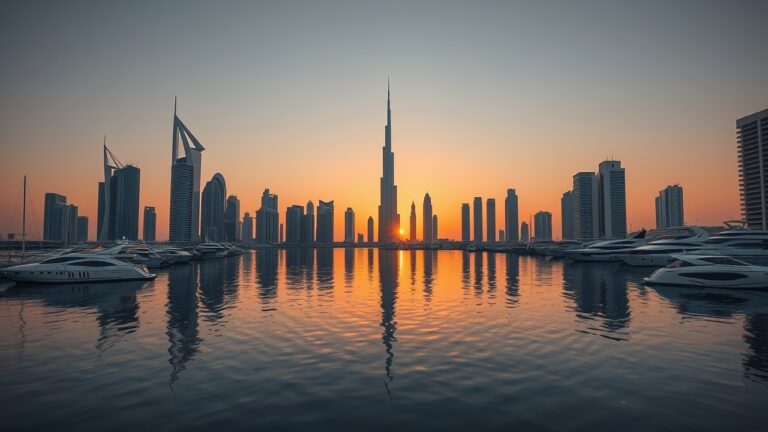
Dubai’s real estate market stands as a pivotal segment of the emirate’s economy, significantly contributing to its status as a global city. With its avant-garde architecture, luxury lifestyle, and range of investment opportunities, Dubai has positioned itself as a crucial player in the global property landscape. The vibrancy of the market can be attributed to several factors, including foreign investment, a growing expatriate population, and a plethora of high-profile projects that continue to enhance the city’s reputation as a premier destination for both living and investing.
Recent trends indicate a dynamic shift in market behavior, particularly as we approach the year 2024. Key trends observed include price fluctuations and evolving buyer preferences driven by demographic changes and lifestyle alterations post-pandemic. There is a notable increase in demand for residential properties, particularly in well-connected neighborhoods that offer amenities catering to modern living standards. Moreover, the government’s proactive policies have played a crucial role in fostering a conducive environment for both local and international buyers. For instance, reforms aimed at easing property ownership for foreign nationals have sparked renewed interest and investment in various sectors of the market.
Additionally, real estate acts as a driving force in Dubai’s economy, generating significant employment opportunities and facilitating infrastructure development. The interconnectedness of the property market with other economic sectors, such as tourism and retail, further exemplifies its importance. As we look forward to 2024, understanding the emerging trends in Dubai’s real estate market will be key for potential investors and stakeholders. The stage is set for continued growth, with innovative projects and expanding buyer demographics paving the way for exciting opportunities in the foreseeable future.
Price Forecasts for 2024
As we look ahead to 2024, the Dubai property market is poised for notable changes influenced by various factors including economic conditions, buyer demand, and investment trends. Analysts predict a continuation of the upward trajectory observed in recent years, but the extent of price appreciation is expected to vary across different segments of the market. In particular, residential properties are anticipated to experience steady growth, driven by a surge in demand from both local and international buyers seeking attractive living options in the emirate.
According to expert insights, the average price of mid-range and affordable residential units may increase by approximately 5-7% in 2024. This is attributed to enhanced accessibility, notable infrastructure projects, and efforts by the government to diversify the economy. Areas like Dubai Marina and Business Bay, which have consistently attracted attention, are likely to see prices rise even more, potentially exceeding 10% due to their popularity among expatriates and investors alike.
In the commercial property sector, forecasts suggest a more moderate gain, with increases estimated at 3-5%. The demand for office spaces will hinge significantly on the evolving work-from-home culture, as businesses adapt to flexible working arrangements. Emerging business hubs, such as Dubai International Financial Centre (DIFC) and Dubai Silicon Oasis, are expected to retain their appeal due to strategic locations and modern facilities, attracting potential tenants despite a competitive market.
Luxury real estate, on the other hand, is projected to experience the most significant appreciation, potentially reaching upwards of 10-12%. This growth is fueled by the rising interest from high-net-worth individuals and a trend towards investing in prime properties. Developments in the Palm Jumeirah and Downtown Dubai are particularly noteworthy, as they continue to attract affluent buyers looking for exclusive lifestyle offerings. With these insights and predictions, buyers and investors are encouraged to remain informed and strategically involved in Dubai’s evolving property landscape throughout 2024.
Buyer Demand Analysis
The real estate market in Dubai is experiencing a dynamic shift as buyer demand evolves in response to ever-changing market conditions. Recent trends indicate a growing interest from both local and international buyers, reflecting a diverse demographic seeking investment opportunities in the emirate. Notably, recent statistics suggest a substantial influx of wealthy expatriates and high-net-worth individuals capitalizing on the attractive property prices and favorable taxation policies offered in Dubai.
International buyers predominantly originate from countries such as India, the United Kingdom, and Russia. This influx is primarily fueled by the potential for high rental yields, along with the emirate’s reputation as a global financial hub. Local buyers, on the other hand, are increasingly focused on family-oriented properties, primarily in established neighborhoods, which cater to their need for community and accessibility to amenities.
The types of properties in demand have shifted, with luxury villas and high-end apartments gaining considerable traction, reflecting a shift in buyer preferences. Additionally, there has been a noticeable surge in interest in off-plan properties as buyers are drawn to the prospect of purchasing real estate at competitive prices and being able to customize their homes. This trend is indicative of a broader change in buyer attitudes towards investment in new developments.
Moreover, buyer motivations are adjusting due to various factors including economic stability, an expanding expatriate community, and the potential for long-term capital appreciation. The rise in remote work has influenced many buyers to seek homes that accommodate both personal and professional needs. Thus, the future will likely see a sustained demand for properties that blend comfort with functionality, aligning with the ongoing trends of buyer needs in the Dubai property market.
Emerging Property Hotspots in Dubai
The real estate landscape in Dubai is continually evolving, with several neighborhoods emerging as notable hotspots for property investment. This transformation is largely driven by significant infrastructural developments, lifestyle enhancements, and increased demand from both local and international buyers. One of the standout areas to consider is Dubai South, strategically located near the Al Maktoum International Airport. This region is not just a hub for logistics and aviation but is quickly becoming a residential magnet due to ongoing master-planned developments that propose a range of affordable housing options alongside luxurious villas.
Another area gaining traction is Dubai Marina, which has historically been popular due to its waterfront luxury. Recently, several new projects have been introduced, catering to the evolving preferences of investors seeking both short-term rental opportunities and long-term residential living. The waterfront lifestyle and vibrant community atmosphere remain appealing, particularly to expatriates and young professionals drawn to urban living.
In addition to these established hotspots, neighborhoods such as Jumeirah Village Circle (JVC) and Al Furjan are presenting exciting investment opportunities. JVC, known for its family-friendly amenities and connectivity, is witnessing a surge in new construction as developers capitalize on its location and community-centric design. Meanwhile, Al Furjan is underpinned by substantial infrastructural initiatives, including schools, parks, and retail outlets, which elevate its appeal as a burgeoning residential enclave.
Moreover, the up-and-coming area of Dubai Investment Park (DIP) is also one to watch. As a mixed-use development with accessibility advantages to major highways and the Expo 2020 site, DIP is drawing attention from investors looking for promising returns. The ongoing enhancements to road networks and public transportation will likely continue to spur growth in these neighborhoods, making them ideal for those seeking lucrative property investments in Dubai.
Impact of Global Economic Factors
The global economic landscape plays a significant role in shaping Dubai’s real estate market. Various factors, including interest rates, inflation, global investment trends, and geopolitical stability, can substantially influence property prices and buyer demand in the region. As we approach 2024, understanding these elements is crucial for potential investors and stakeholders in the Dubai property sector.
Interest rates are a primary factor impacting the affordability of mortgages and the overall cost of borrowing. In recent years, many economies have experienced fluctuations in interest rates due to changing monetary policies. In Dubai, higher interest rates may deter consumers from purchasing properties, leading to a decline in housing demand. Conversely, lower interest rates typically encourage buyers, thereby boosting the market. Keeping an eye on central bank decisions globally can provide insights into potential shifts in these rates, affecting the attractiveness of Dubai’s real estate.
Inflation also remains a critical concern. When inflation rises, the cost of living increases, which can affect consumer spending power. If residents have less disposable income, it may lead to decreased demand for housing as potential buyers become more cautious. Additionally, real estate prices can rise concurrently with inflation, making it challenging for buyers to enter the market.
Global investment trends have shifted notably in recent years, with investors eyeing markets perceived as stable and lucrative. Dubai has remained an attractive destination due to its robust infrastructure, strategic location, and favorable business conditions. However, fluctuations in foreign investment can create volatility. Increased geopolitical tensions and economic crises elsewhere may prompt investors to rethink their strategies, either diverting funds away from Dubai or resulting in increased interest as investors seek safer havens.
Assessing these global economic factors will enable potential investors to navigate the risks and rewards associated with the real estate market in Dubai. By remaining informed, stakeholders can make more strategic decisions as we move into 2024.
Government Initiatives and Regulations
The Dubai real estate market has consistently exhibited dynamism, thanks in part to strategic government initiatives aimed at fostering growth and attracting foreign investment. The government employs various measures to enhance the property sector, which are designed not only to boost buyer confidence but also to ensure sustainable development. One significant initiative is the introduction of the Golden Visa program, which offers long-term residency options for foreign investors who meet specific investment thresholds in real estate. This program encourages global buyers to consider Dubai as a viable and attractive location for property investment.
In addition to residency incentives, the government has revised certain regulatory frameworks to streamline the property purchasing process. Digital transformation has played a pivotal role in this evolution, with initiatives such as the Real Estate Regulatory Agency (RERA) digitalization efforts simplifying transactions. This enhances transparency, making it easier for both local and international buyers to navigate the market. Furthermore, the recent implementation of stricter regulations aimed at ensuring property transactions meet international standards has bolstered investor trust, reinforcing Dubai’s reputation as a stable and secure investment environment.
Looking forward, several forthcoming regulations should be on the radar of prospective buyers. These include updates on property ownership rights, which will further clarify regulations surrounding off-plan projects. Buyers are encouraged to stay informed about these developments, as such regulations can have direct implications on their purchasing decisions. Additionally, continued efforts to enhance urban infrastructure and facilities will likely contribute to the growth of emerging hotspots across the city. As the government remains committed to creating an attractive landscape for investors, staying abreast of these government initiatives and regulatory changes becomes paramount for those looking to engage with Dubai’s evolving real estate market.
Sustainability Trends in Real Estate
The real estate sector in Dubai is witnessing a significant shift toward sustainability and eco-friendly practices, driven by both developer initiatives and buyer preferences. As the world increasingly emphasizes the importance of environmental responsibility, the property market in Dubai is aligning itself with global sustainability trends. Developers are prioritizing green building practices and sustainable materials, showcasing their commitment to minimizing environmental impact while maximizing energy efficiency.
Current regulations and initiatives in Dubai, such as the Dubai Clean Energy Strategy 2050, aim to increase the reliance on renewable energy sources and promote sustainable urban development. Consequently, developers are now more inclined to incorporate sustainable features in their projects. This includes the installation of energy-efficient systems, water conservation technologies, and the use of green building certifications like LEED (Leadership in Energy and Environmental Design) and Estidama. These certifications help ensure that developments adhere to strict environmental standards while also attracting eco-conscious buyers.
Buyers in the Dubai property market are increasingly aware of sustainability issues and are prioritizing eco-friendly homes. This shift in consumer behavior influences the types of projects developers choose to undertake, pushing them towards more sustainable options. For instance, several projects have embraced innovative designs that utilize natural lighting and ventilation, thus reducing energy consumption. Examples of such developments include the Dubai Creek Harbour and The Sustainable City, both of which feature extensive green spaces, energy-efficient appliances, and sustainable water management systems.
As sustainability becomes a focal point in the industry, the collaboration between buyers and developers will likely reshape the future landscape of Dubai’s real estate market. This trend not only aligns with global efforts towards reducing carbon footprints but also offers a significant competitive edge for developers who embrace and prioritize sustainability in their projects. The increasing consumer demand for eco-friendly living options is expected to drive further advancements in sustainability across the sector.
Technology in Real Estate Transactions
The integration of advanced technology into real estate transactions is fundamentally transforming the way properties are bought, sold, and managed in Dubai. With the continuous evolution of the digital landscape, buyers and sellers are increasingly leveraging innovative tools that enhance efficiency, transparency, and convenience in the real estate market. One of the most significant advancements includes virtual tours. This technology allows potential buyers to explore properties remotely, gaining an immersive experience without the necessity of physical visits. By utilizing high-quality video and 3D modeling, virtual tours facilitate informed decision-making and cater to the fast-paced lifestyle of modern consumers.
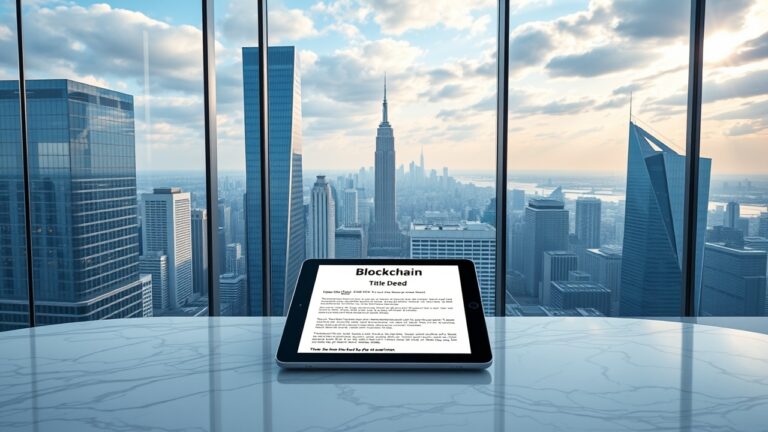
In addition to virtual tours, blockchain technology is emerging as a game-changer in property transactions. Blockchain enables secure and transparent transactions by recording all property-related data on a decentralized ledger. This reduces the risk of fraud and enhances trust between all parties involved. As Dubai seeks to position itself as a global business hub, the adoption of blockchain in real estate transactions is expected to increase. Real estate companies are beginning to embrace this cutting-edge technology, recognizing its potential to streamline the selling process and improve buyer confidence.
Moreover, artificial intelligence (AI) is playing a crucial role in market analysis. By utilizing vast data sets and sophisticated algorithms, AI can provide valuable insights into market trends, pricing strategies, and buyer behaviors. Real estate professionals can harness these insights to make data-driven decisions, optimize their marketing efforts, and better understand the factors influencing buyer demand. As the Dubai property market continues to evolve, the role of technology is set to become increasingly important, promising a more efficient, transparent, and user-friendly experience for all stakeholders involved.
Conclusion and Future Outlook
As we have explored throughout this blog post, the Dubai real estate market is on the cusp of significant transformation in 2024. Key trends such as an increasing demand for luxury properties, a shift towards sustainable living spaces, and the emergence of new hotspots reflect the changing preferences of buyers. The forecasted price adjustments, influenced by both local and global economic factors, provide valuable insights for prospective investors.
With a growing interest in Dubai as a hub for international business and tourism, the buyer demand for real estate in this region is expected to rise. Emerging neighborhoods, characterized by modern amenities and strategic locations, present compelling opportunities for property investment. It is crucial for potential buyers and investors to remain abreast of these changes and to understand how they might affect their decisions moving forward.
Furthermore, as the developers respond to evolving market conditions and buyer preferences with innovative design and sustainability features, the appeal of Dubai’s real estate sector will continue to strengthen. Professionals in the field should monitor and analyze these trends actively, as staying informed will be key to leveraging the opportunities that lie ahead.
In conclusion, the overall outlook for Dubai’s property market in 2024 appears optimistic, driven by a combination of strategic developments and robust buyer interest. Being mindful of the discussed trends can empower stakeholders to make well-informed and strategic investment decisions, ensuring they stay ahead in this dynamic market. Whether you are a seasoned investor or a first-time buyer, considering these insights will be pivotal in navigating Dubai’s real estate landscape successfully.