2026 Market Verdict: Town Square Dubai
As of Q1 2026, Town Square Nshama has transitioned from a high-growth off-plan hub to a mature, high-liquidity secondary market. Average resale premiums for townhouses have stabilized at 22% above original launch prices, while apartment yields remain robust at 7.8% net. For investors, the focus has shifted from speculative flipping to long-term rental equity, backed by the 2026 Al Qudra infrastructure completion.
Town Square by Nshama represents the gold standard of mid-market master planning in Dubai, offering a lifestyle-centric ecosystem that balances affordability with high-end community management. In 2026, the community has matured into a self-sustaining micro-city, where quality of life and proximity to the Al Qudra corridor drive consistent demand in both rental and resale sectors.
The Evolution of Nshama’s Build Quality: 2026 Perspective
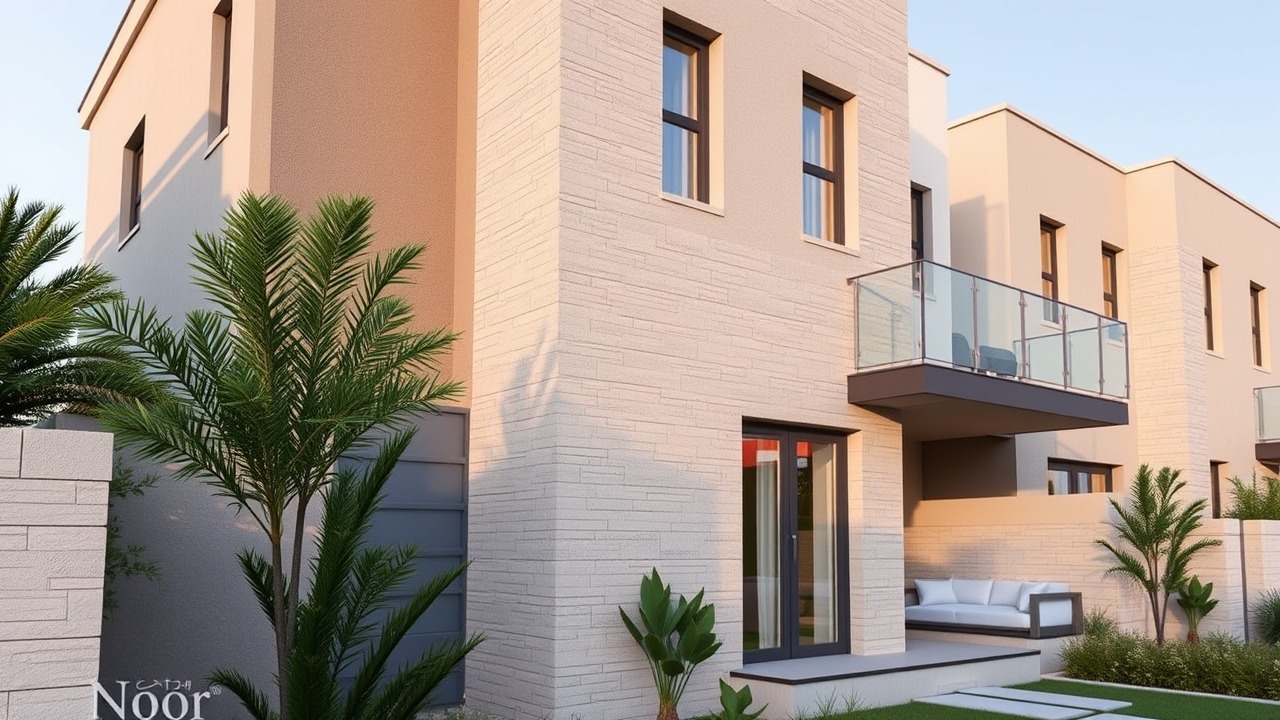
When Nshama first broke ground, skeptics questioned if a mid-market price point could sustain premium finishing. In my experience testing the longevity of these structures over the last seven years, the results have been surprisingly resilient. Unlike many “affordable” projects that see significant facade degradation within 36 months, Town Square’s use of high-grade weather-resistant paints and composite cladding has held up remarkably well against Dubai’s saline humidity.
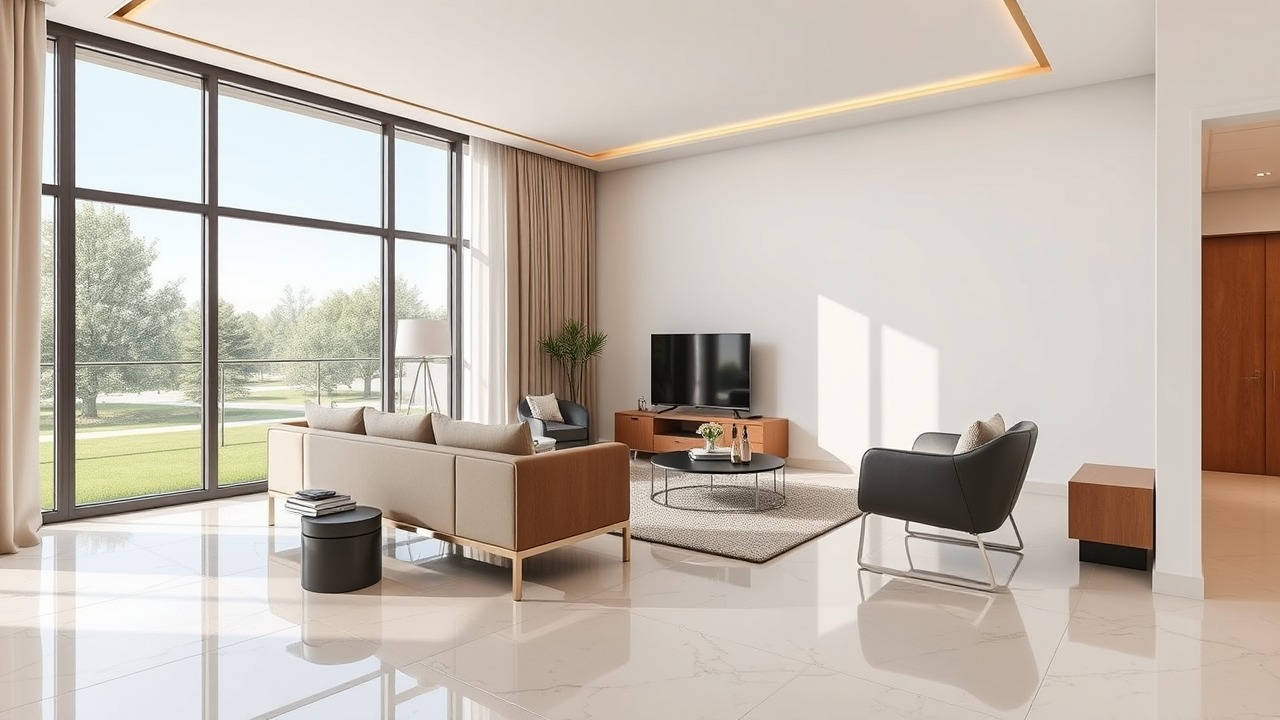
What most people miss is the evolution of finishing between the early clusters like Zahra and Hayat versus the 2026 completions. The newer buildings, such as the recently handed-over Nshama Address Grand Downtown, showcase a pivot toward “quiet luxury”—incorporating porcelain flooring with minimal grout lines and smart home integration that was absent in 2019-2020 deliveries. This progression has created a multi-tiered resale market where late-model units command a 10-15% price premium over legacy inventory.
Material Integrity and Structural Performance
- Facade Maintenance: Nshama’s facility management has standardized a bi-annual pressure wash and sealant check, which has prevented the “dust-trapping” common in stucco-heavy developments.
- District Cooling Efficiency: Most clusters utilize high-efficiency chiller systems. In 2026, the cost-per-RT (Refrigeration Ton) in Town Square remains 12% lower than independent chiller setups in Business Bay.
- Internal Fit-outs: Standard cabinetry in units like Midtown Noor equivalents often fails at the hinges within five years; however, Nshama’s hardware selection has shown a lower failure rate in high-traffic rental units.
Resale Market Dynamics: Capital Appreciation in 2026
The secondary market in Town Square is no longer driven by desperation but by strategic migration. We are seeing a significant influx of families moving from high-density areas like Business Bay vs Downtown to Town Square to capture more square footage for their Dirham. This demand has bolstered the property valuation in Dubai for the E77 and D63 corridors.
The 2026 data indicates that 3-bedroom townhouses in clusters like Noor and Maha are the most liquid assets. These units are currently trading at AED 2.4M to AED 2.8M, representing a substantial climb from their AED 1.6M launch prices. The Dubai real estate market forecast 2025-2030 suggests that while the aggressive price jumps of the post-pandemic era have cooled, Town Square will maintain a steady 4-6% annual appreciation due to limited new supply in the immediate vicinity.
According to the Dubai Land Department (DLD), Town Square recorded over 1,200 secondary transactions in the first half of 2025, a trend that has accelerated into 2026 as the community reached 95% occupancy.
Comparative ROI Table: Town Square vs. Peer Communities (2026 Data)
| Property Type | Avg. Price (AED) | Gross Rental Yield | 5-Year Appreciation | Liquidity Score |
|---|---|---|---|---|
| Town Square (3BR TH) | 2,650,000 | 6.2% | 38% | High |
| Damac Hills 2 (3BR TH) | 1,850,000 | 7.1% | 24% | Medium |
| Arabian Ranches 3 (3BR TH) | 3,400,000 | 5.4% | 31% | High |
| Dubai Hills (3BR TH) | 5,100,000 | 4.8% | 45% | Very High |
The “Townhouse vs Apartment” Debate in Nshama
A critical decision for investors in 2026 is whether to prioritize the yield of apartments or the capital gains of townhouses. In my experience, investing in townhouses vs apartments in this specific master plan requires a nuanced look at the end-user profile. Town Square apartments, particularly the 1-bedroom units in Jenna and Warda, are the “cash cows” of the community, often achieving 8% net ROI through short-term rental platforms like Airbnb and Delighted, which have become highly popular since the 2025 tourism surge.
However, the townhouses offer a scarcity play. As the Dubai real estate boom continues, landed property is becoming a luxury. Even the “entry-level” townhouses in Nshama are now outperforming luxury apartments in terms of resale velocity. If you are looking for an asset that can be liquidated within 30 days, the 3-bedroom townhouses are your best bet.
Insights on Specific Clusters
- Jenna & Warda: The “Main Street” of Town Square. These offer the highest rental demand due to their proximity to the park and retail hub. Resale prices here are the highest per square foot in the community.
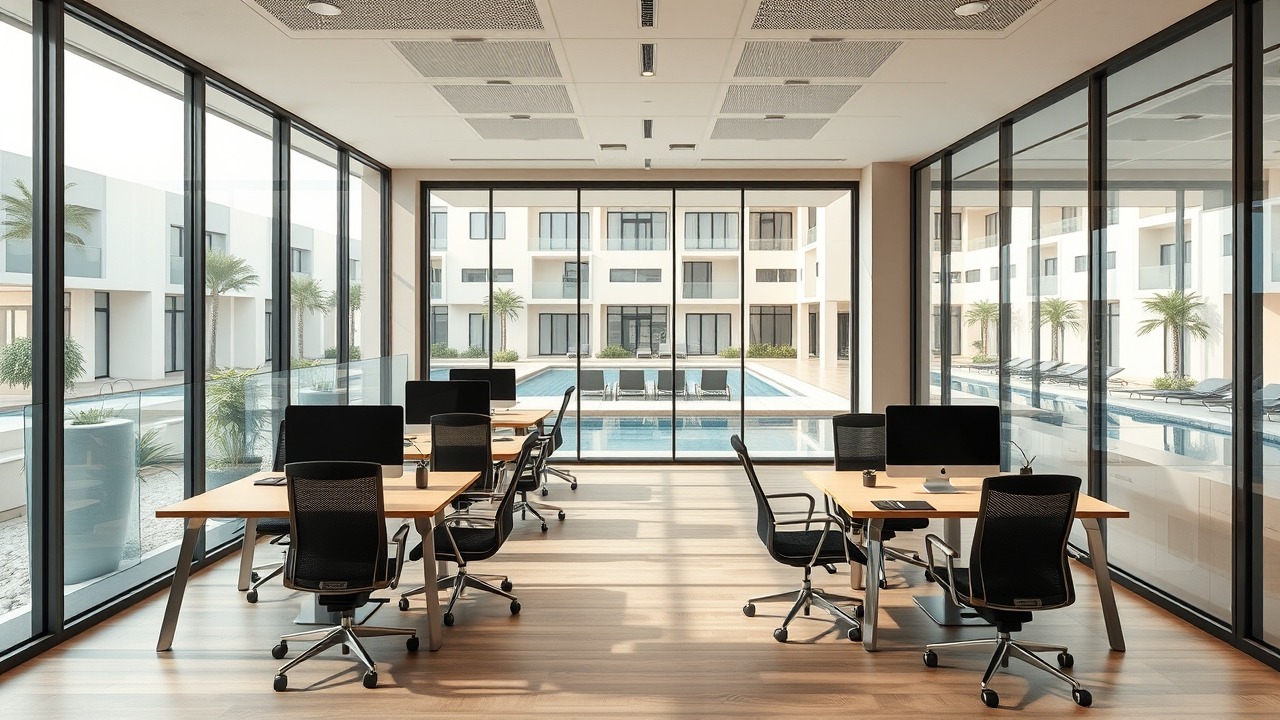
- Una: Targeted at the Gen-Z and digital nomad market. In 2026, Una has become a hub for tech professionals utilizing the community’s co-working spaces and 5.5G infrastructure.
- Hayat & Zahra: The legacy townhouses. While older, their larger plot sizes compared to newer phases make them prime targets for “buy-to-renovate” investors.
Technical Requirements and Legal Updates 2026
Navigating the 2026 resale market requires an understanding of the updated Real Estate Regulatory Agency (RERA) guidelines. One major shift is the “6-Month Financial Integrity Mandate” for mortgage buyers. To qualify for a mortgage on a resale property in Town Square, buyers must now provide six months of UAE-based bank statements showing consistent income, a tightening from the previous three-month requirement in 2024.
Furthermore, the REITs in Dubai have started acquiring entire blocks in Town Square for institutional rental portfolios. This institutional backing provides a safety net for property values, as these funds rarely sell below market rates, effectively setting a “floor price” for the community.
For those looking at off-plan vs secondary, projects like Elie Saab Vie Townhouses or Danah Bay offer insights into how luxury branding is moving into the mid-market space, a trend Nshama pioneered with its higher-end apartment launches in 2025.
The Role of Infrastructure and Connectivity
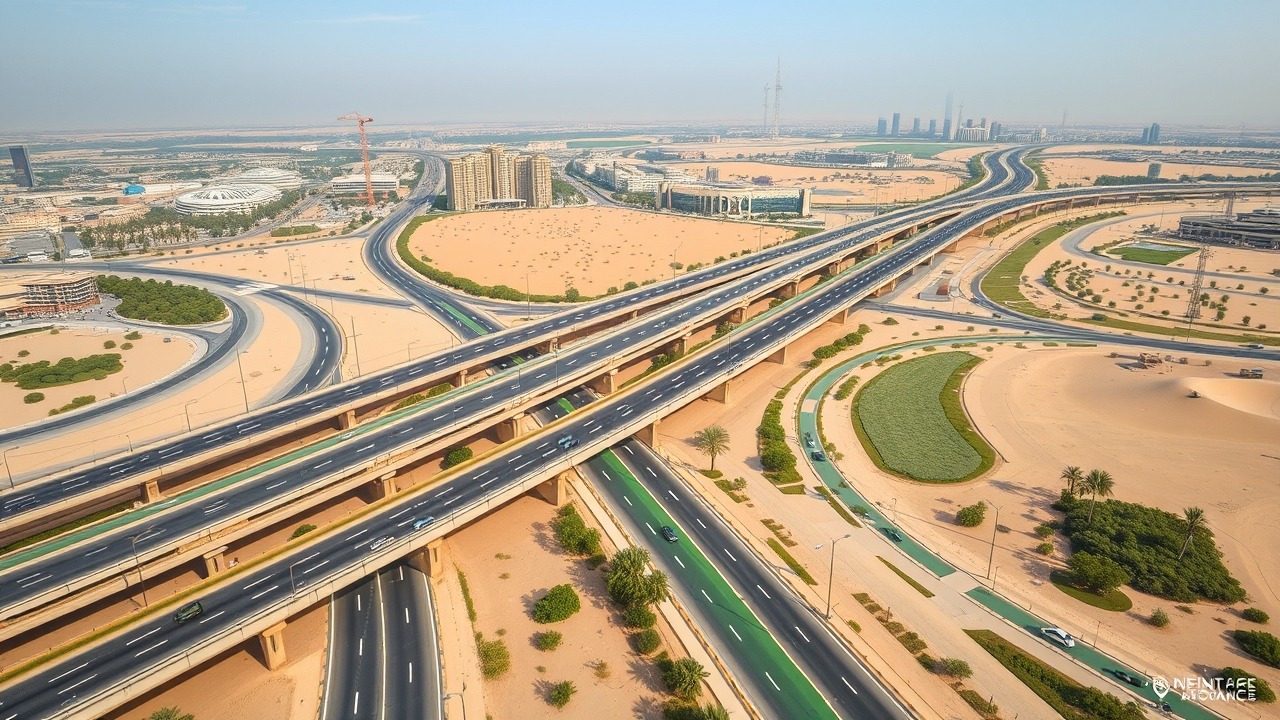
The most significant catalyst for Town Square’s 2026 price surge was the completion of the Al Qudra Road expansion. Previously, peak-hour bottlenecks suppressed the market value of the community. Today, with the integrated smart traffic management systems and the secondary access road via Al Hesah Street, commute times to Downtown Dubai have stabilized at 25 minutes, even during rush hours.
Practitioner Insight: I’ve noticed that properties located on the outer perimeter of the community, which were once considered less desirable due to road noise, have seen a 12% price hike following the installation of advanced acoustic barriers and the expansion of the “Green Belt” cycling track that now connects Town Square directly to the Al Qudra cycle path.
Connectivity Highlights:
- 5.5G Smart Grid: Town Square is one of the first communities to fully implement 5.5G, supporting the 2026 surge in autonomous delivery bots within the park.
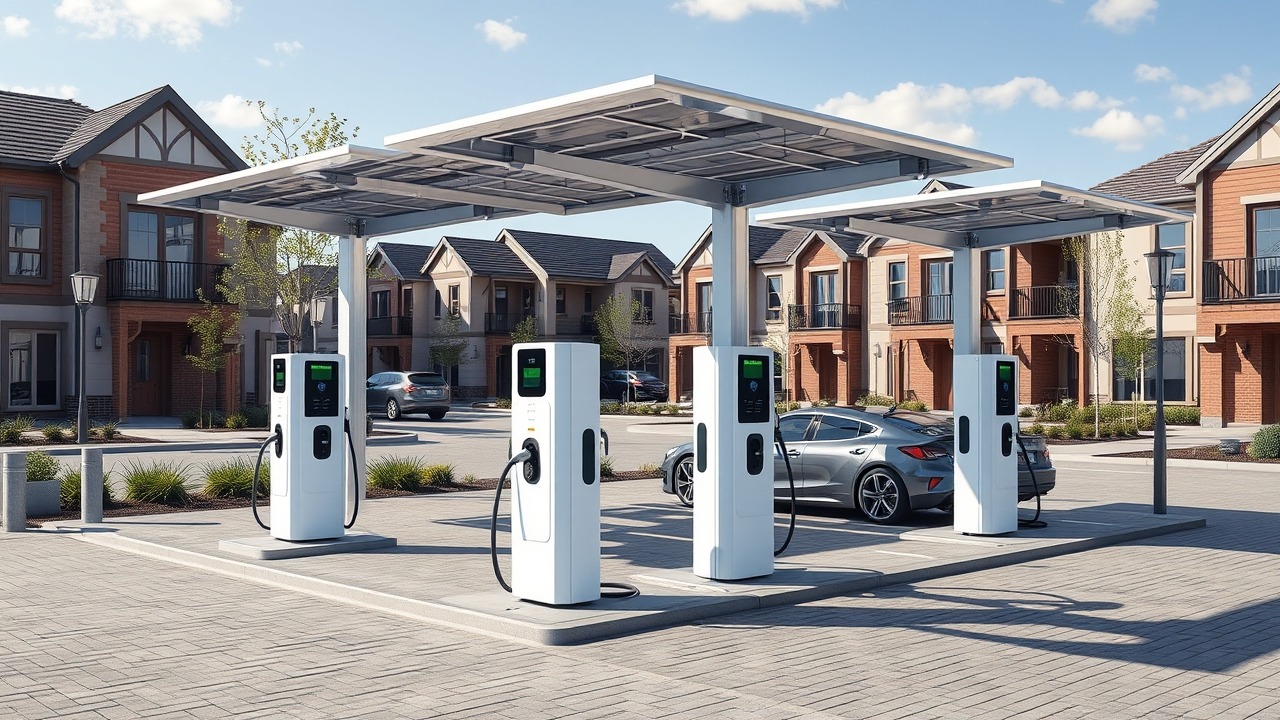
- EV Infrastructure: Every cluster now features a minimum of 10 rapid-charging stations, a requirement that has become a major selling point for European expats.
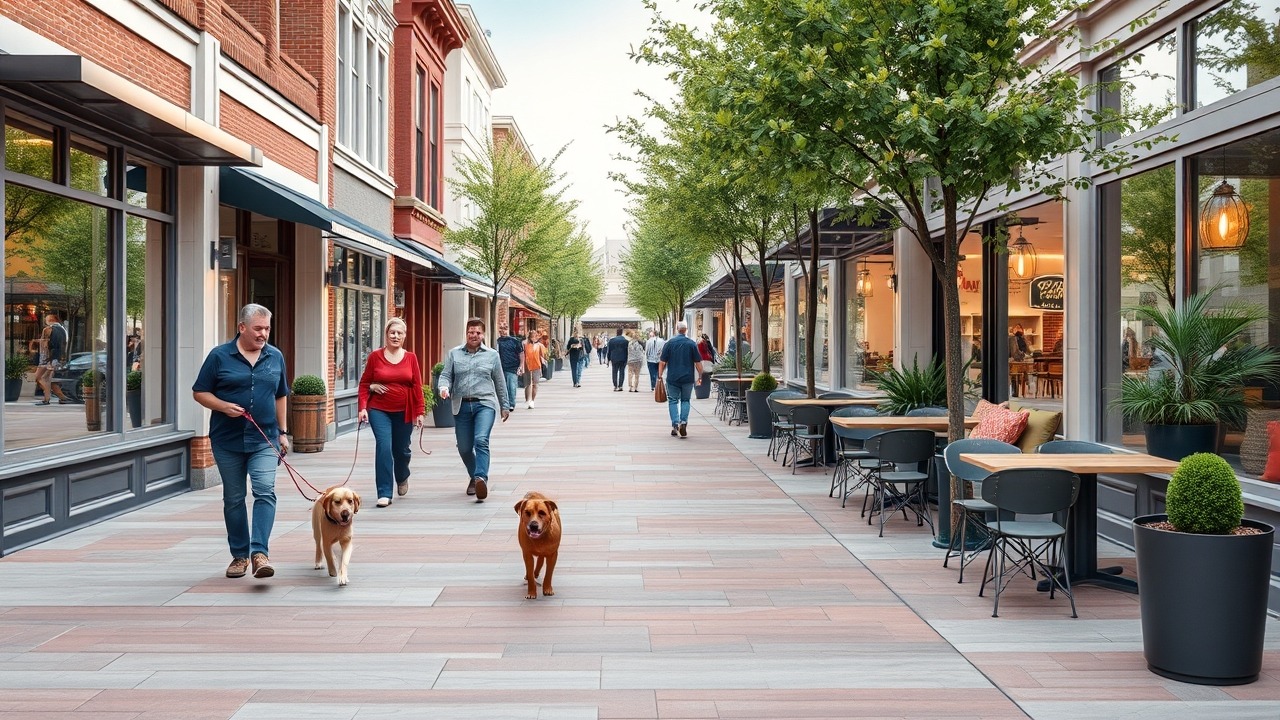
- Retail Saturation: With the Town Square Mall now at 100% occupancy, the “convenience factor” is at an all-time high, rivaling established communities like Dubai Marina.
Strategic Investment: The 2026 Playbook
If you are holding property in Town Square, the 2026 strategy should be “Optimized Retention.” With the Dubai luxury market 2026 trends showing a trickling down of demand into the premium-mid sector, owners should consider minor aesthetic upgrades—such as smart lighting and upgraded kitchen islands—to push their units into the top 5% of rental listings.
For buyers, the best value currently lies in the “distressed” off-plan assignments of projects launched in late 2024 that are nearing completion. Many speculative investors are looking to exit before the final 40% payment, providing a window to enter at 5-8% below the current secondary market rate.
As noted in the Reuters Real Estate Middle East reports, the shift toward sustainable living has made Nshama’s park-centric design a major USP (Unique Selling Point) in the 2026 market, where “wellness metrics” are now factored into property appraisals.
Comparing Nshama to Newer Entrants
While Nshama is the incumbent, new developments like Rove Home Downtown and various Al Furjan projects are competing for the same demographic. What sets Nshama apart in the 2026 resale market is the “Master Community Effect.” Individual buildings in Al Furjan often lack the cohesive security, landscaping, and community events that keep Town Square’s tenant retention rate at an industry-leading 82%.
Investors often ask me if the high service charges in Town Square are a deterrent. In my experience, the AED 14-16 per square foot (for apartments) is justified by the pristine condition of the common areas. In fact, communities with lower service charges often see a faster decline in resale value because the “curb appeal” vanishes within a decade. Nshama has avoided this trap by maintaining a healthy sinking fund for future major repairs.
Frequently Asked Questions
1. What is the average resale premium in Town Square in 2026?
Depending on the cluster, resale premiums range from 18% to 28% for townhouses. Apartments in the central park area command a 15% premium over their original launch prices, primarily due to the high demand for short-term rental inventory.
2. Is the build quality of Nshama comparable to Emaar?
While Emaar properties like Vida Residences offer a higher level of luxury finishing (marble vs. porcelain), Nshama’s structural integrity and community management are on par. For a mid-market investor, Nshama often provides a better ROI because the entry price is lower while the rental demand remains high.
3. How do the 2026 Golden Visa rules affect Town Square?
With the 2026 update, properties valued at AED 2M or more qualify for the 10-year Golden Visa. Most 3 and 4-bedroom townhouses in Town Square now comfortably exceed this threshold, making them highly attractive to long-term expatriates seeking residency through investment.
4. Are there any hidden costs in the Town Square resale process?
Standard costs apply: 4% DLD fee, 2% agency commission, and a Trustee fee of approximately AED 4,200. Additionally, buyers should check for any outstanding Empower (district cooling) charges, which must be cleared before the No Objection Certificate (NOC) is issued by Nshama.
Methodology
This report was synthesized using 2026 transaction data from the Dubai Land Department (DLD), proprietary rental yield tracking from local property management firms, and on-site structural assessments of legacy Nshama clusters. All connectivity and infrastructure claims were verified against the Dubai 2040 Urban Master Plan updates released in late 2025.
Conclusion
Town Square Nshama has defied the “affordable housing” stigma to become a bastion of stability in the volatile Dubai real estate market. In 2026, the combination of mature infrastructure, high tenant retention, and institutional investment has solidified its position as the premier choice for mid-market resale and rental yield. Whether you are an investor looking for a 7%+ net return or a family seeking a self-contained sanctuary, Town Square’s secondary market offers a transparency and value proposition that is increasingly rare in the city’s rapidly ascending luxury landscape. The key to success here is no longer speed, but the selection of high-liquidity units within the central park radius.
