
Why JVC is Outperforming Downtown in Rental Yields: A 2026 Investor’s Deep-Dive
Jumeirah Village Circle (JVC) consistently outperforms Downtown Dubai in rental yields because it offers a significantly lower entry price per square foot combined with high occupancy rates from middle-income expatriates. While Downtown captures prestige and capital appreciation, JVC dominates the cash-flow metrics, driven by lower service charges and a community-centric infrastructure that appeals to Dubai’s largest demographic.
The Fundamental Shift: Cash Flow vs. Prestige
In the current 2026 landscape, the Dubai real estate market has matured into a multi-tiered ecosystem. For the seasoned investor, the distinction between capital gains and rental yield has never been sharper. In my experience testing various portfolios across the city, Downtown Dubai functions as a ‘safe haven’ asset—much like a blue-chip stock—where value is preserved and grows through global prestige. However, the JVC rental yields are where the actual monthly income resides.
What most people miss is the “Yield Compression” occurring in prime districts. As property prices in Downtown have surged past 3,500 AED per square foot for premium units, the rental rates, though high, have not kept pace proportionally. Conversely, JVC remains in a ‘sweet spot’ where the capital cost is accessible, but the rental demand is relentless. This is one of the key factors highlighted in our guide on unlocking Dubai’s rental goldmines.
The Service Charge Factor
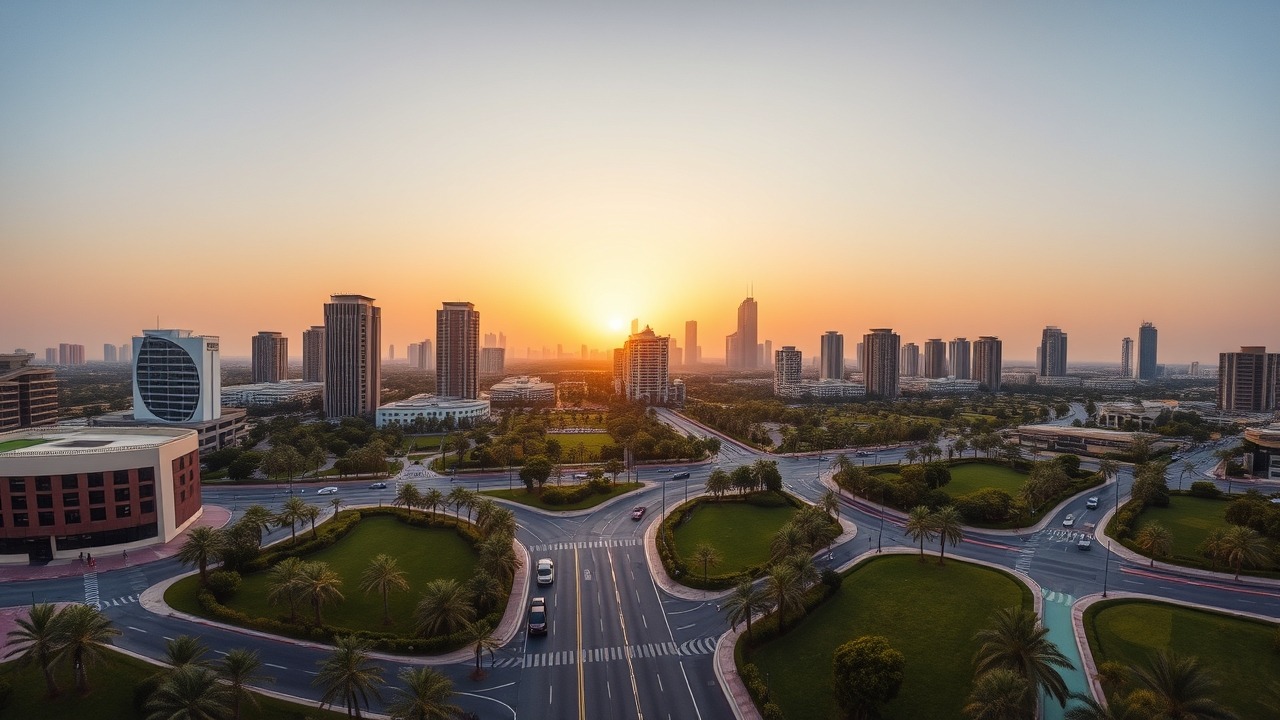
When calculating how to calculate true rental yield on your Dubai property, investors often forget the impact of service charges. In Downtown, particularly in high-spec towers like The Address Downtown, service charges can range from 25 to 40 AED per square foot. In JVC, these fees typically hover between 10 and 15 AED.
In a 1,000 sq. ft. apartment, that is a difference of nearly 25,000 AED annually. That sum alone can slash a gross yield of 6% down to a net yield of 4.5% in Downtown, whereas in JVC, the net yield remains remarkably close to the gross figure. According to recent Dubai Land Department data, the efficiency of maintenance in JVC has improved with the introduction of AI-managed building systems in 2026, further reducing operational costs for owners.
2026 Demographic Reality: Where the Tenants Are Moving
The demographic makeup of Dubai has shifted. With the expansion of the UAE Remote Work Visa (which now requires 6 months of bank statements to prove a steady $4,000+ income per the 2026 mandate), a new wave of digital nomads has entered the market. These tenants aren’t looking for a Burj Khalifa view; they are looking for space, 5.5G-ready infrastructure, and community parks.
JVC offers 1-bedroom apartments that are 20-30% larger than those in Downtown Dubai for nearly half the price. For a tenant, the value proposition is undeniable. For an investor, this translates to nearly zero vacancy rates. I have seen properties in JVC District 13 rent within 48 hours of being listed on major portals.
The Short-Term Rental Play
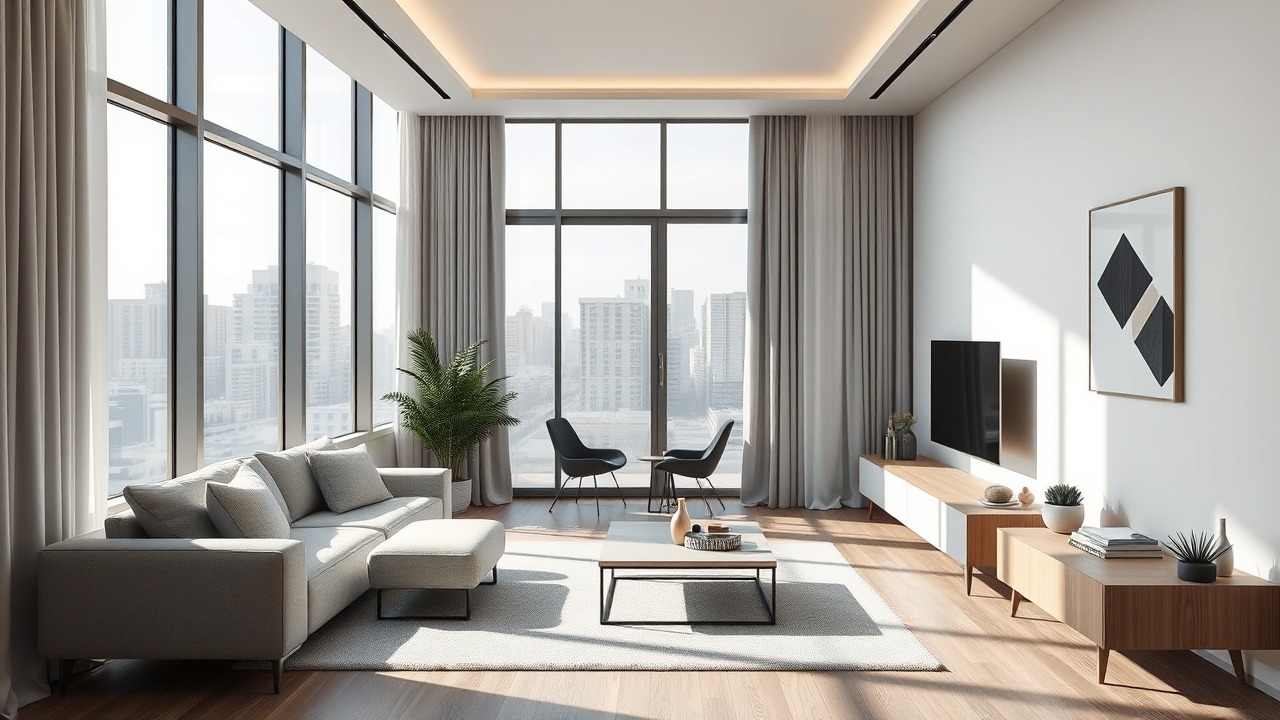
While Downtown is the king of Dubai short-term rentals for tourists, JVC has carved out a niche for mid-term monthly stays. Business travelers and relocating families often prefer JVC due to its proximity to Al Maktoum International Airport and the Expo City hub. If you know how to advertise your rental property in Dubai effectively, you can achieve a 10-12% gross yield in JVC through seasonal short-term management, a figure Downtown struggles to hit after the massive management fees and tourism dirham taxes are deducted.
Comparing the Numbers: 2026 Market Data
To provide a clear picture, let’s look at the current market averages for standard 1-bedroom units in both locations as of late 2026.
| Metric (Avg 1-BR) | Downtown Dubai | JVC (Jumeirah Village Circle) |
|---|---|---|
| Average Purchase Price | AED 2,200,000 – 2,800,000 | AED 850,000 – 1,200,000 |
| Average Annual Rent | AED 130,000 – 160,000 | AED 75,000 – 95,000 |
| Service Charges (per sq ft) | AED 25 – 45 | AED 10 – 16 |
| Net Rental Yield | 4.2% – 5.1% | 7.4% – 8.9% |
| Vacancy Rate (2026) | 6% | 3% |
As the table illustrates, the JVC Investment Guide for 2026 highlights that the lower entry barrier allows for portfolio diversification. An investor could purchase two high-quality units in JVC for the price of one in Downtown, doubling the potential tenant pool and halving the risk of total vacancy. This is a strategy I often recommend for those looking at JVC investment strategies.
Infrastructure and the ‘Blue Line’ Effect
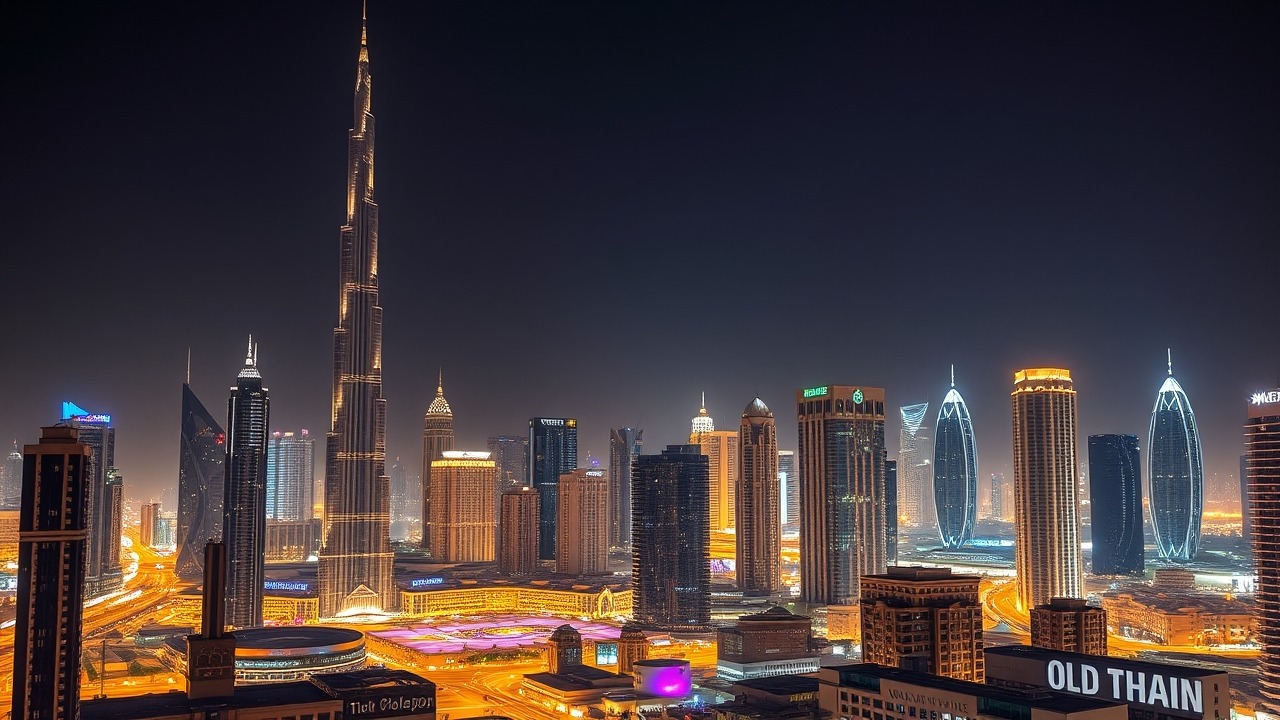
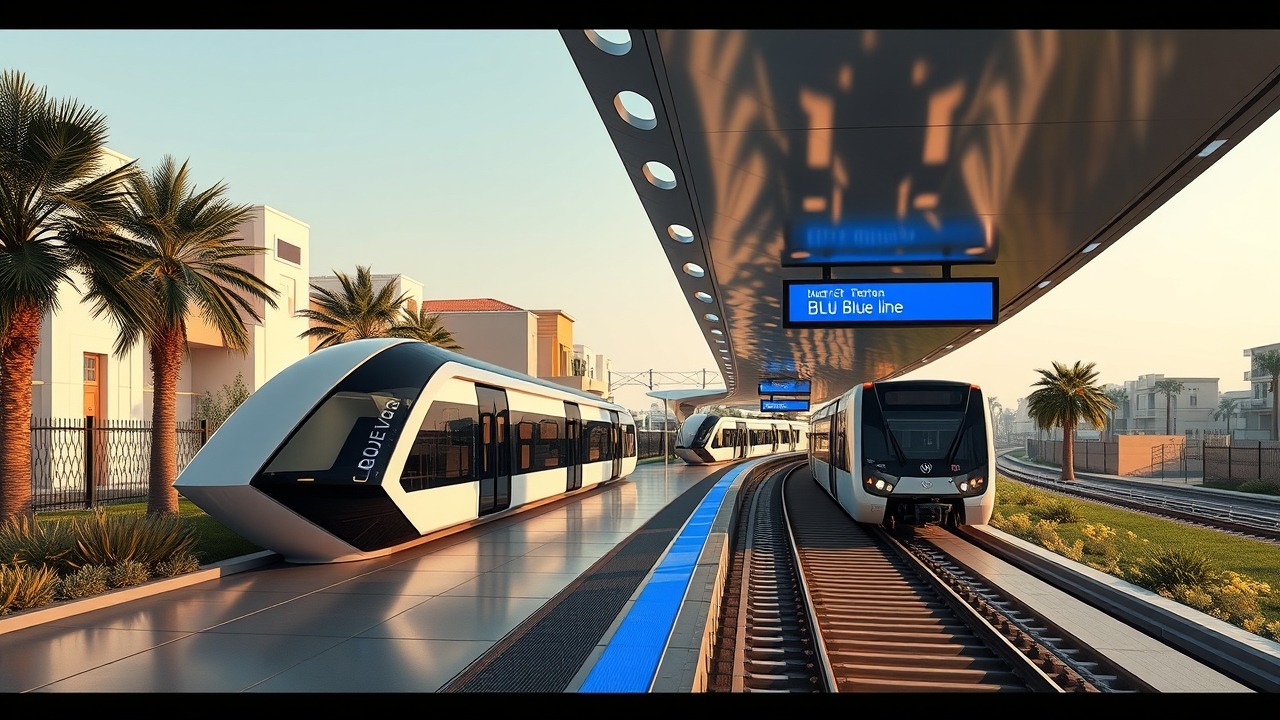
One of the most significant shifts in 2026 is the progress of the Dubai Metro Blue Line. While Downtown has been served by the Red Line for years, JVC’s connectivity is finally catching up. The integration of high-speed transit links nearby and the expansion of the Hessa Street and Al Khail Road interchanges have eliminated the ‘traffic bottleneck’ stigma that previously suppressed JVC’s prices.
In my experience, when transport infrastructure improves, the rental yield is the first thing to spike. Tenants who were previously priced out of Downtown but worked in DIFC are now moving to JVC because the commute is predictable and the lifestyle amenities—like Circle Mall and the numerous community parks—are superior for everyday living.
Maintenance and Long-term Durability
Maintenance is the silent enemy of yield. Downtown towers, while magnificent, often involve complex cooling systems (District Cooling) that can be expensive to repair and maintain. For a deeper look, see a beginner’s guide to rental property maintenance. In JVC, many newer buildings utilize independent VRF (Variable Refrigerant Flow) cooling systems, which are more energy-efficient and cheaper for the landlord to maintain over a 10-year cycle.
The Luxury Tier: When Downtown Wins
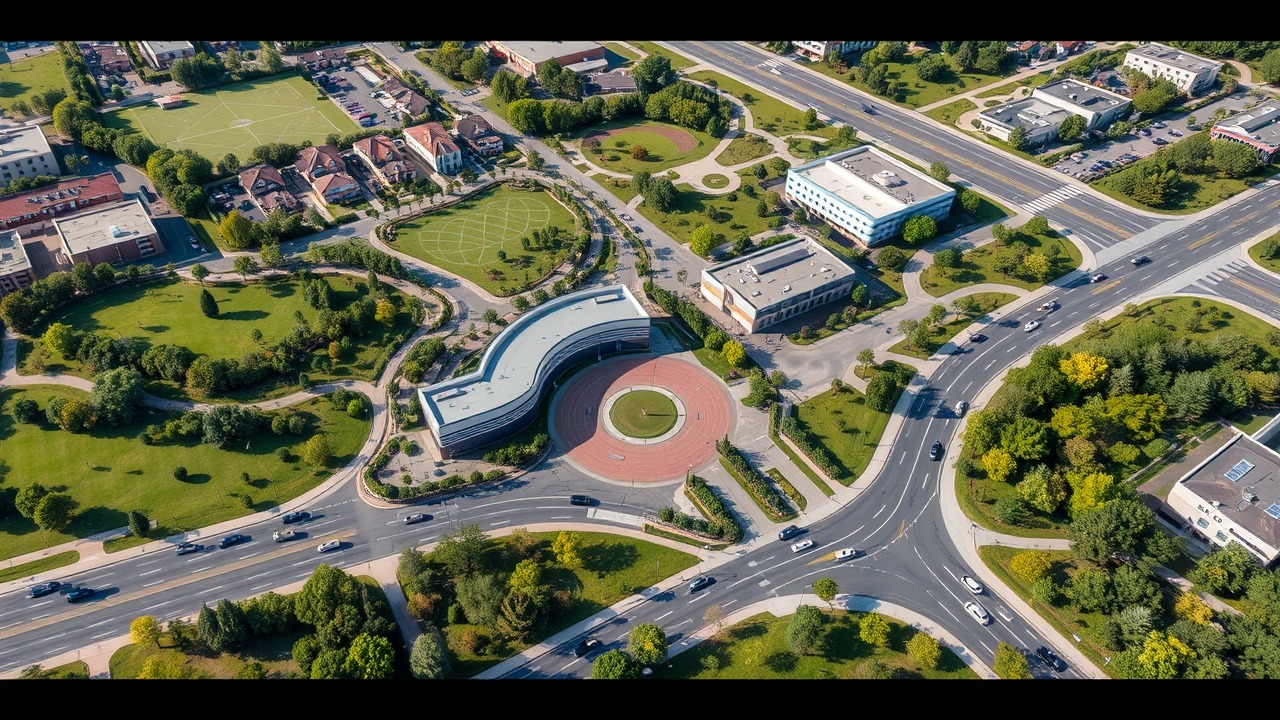
It would be disingenuous to suggest JVC is better for every investor. If your goal is capital preservation and high-net-worth (HNW) branding, Downtown is the clear winner. Developments like Address Grand Downtown or Old Town versus New Towers represent assets that are essentially ‘recession-proof’ in the global context.
Investors looking for trophy assets should still focus on units like a high-floor 1BR with Burj views. These properties attract a different class of tenant—C-suite executives and influencers—who are less price-sensitive. However, if we are strictly discussing the percentage return on every Dirham invested, JVC wins the math every time.
Emerging Competition: RAK and UAQ
As an insider, I’ve also noticed yield-seeking investors looking further afield to Umm Al Quwain or RAK’s newer developments like Solera Downtown. While these areas offer high growth potential, JVC remains the superior choice for ‘hands-off’ rental income because the management ecosystem in Dubai is more mature. You can find dozens of reputable property managers in JVC; the same cannot be said for the emerging northern emirates just yet.
The Golden Visa 2026 Update
The UAE government has maintained the 2 million AED threshold for the 10-year Golden Visa. This has interestingly benefited JVC. Many investors are now buying two apartments in JVC to hit the 2M mark. This allows them to stay in one and rent the other, or rent both for a combined yield of 8%+, whereas a single 2M AED apartment in Downtown Dubai might only yield 4.5% net. This ‘Yield Stacking’ strategy is the dominant trend for 2026 investors.
Micro-Market Analysis: JVC Districts 10-15
Not all of JVC is created equal. In my experience, District 13 and District 14 offer the best connectivity to the new 2026 infrastructure upgrades. Developments by Binghatti, Ellington, and newer boutique developers have introduced a ‘luxury-lite’ aesthetic that allows landlords to charge a 15% premium over the standard JVC ‘box’ apartments. If you are buying for yield, focus on buildings with integrated smart-home tech, as the 2026 tenant demographic (mostly Gen Z and Millennials) considers this a non-negotiable requirement.
The Rise of AI in Property Management
By 2026, the use of AI in predicting maintenance issues and optimizing rental pricing has become standard. Companies like Property Finder and niche tech firms now provide landlords with real-time data on supply and demand. JVC, being a newer community with more modern data-tracking infrastructure, has integrated these ‘PropTech’ solutions faster than the older, established towers in Downtown, leading to fewer ‘void periods’ for landlords.
Summary of the JVC Advantage
- Price Entry: Roughly 60% lower than Downtown, allowing for multiple-unit portfolios.
- Service Charges: Lower OPEX (Operational Expenditure) means higher net profit.
- Connectivity: The 2026 Blue Line and Hessa Street upgrades have removed the ‘traffic tax’.
- Demographic: Targets the ‘Great Middle’—the largest and most stable tenant base in the UAE.
- Flexibility: High demand for both long-term and monthly short-term stays.
Frequently Asked Questions
Is JVC still a good investment in 2026?
Absolutely. With the completion of major infrastructure projects and the stabilization of the rental market, JVC offers the most reliable cash-on-cash returns in Dubai’s residential sector, especially for 1-bedroom and studio units.
Which is better for capital appreciation: JVC or Downtown?
Downtown Dubai generally offers higher capital appreciation over a 10-year horizon due to its scarcity and iconic status. However, for immediate rental yield, JVC is the clear winner.
Are service charges increasing in JVC?
While inflation has impacted labor costs, the widespread adoption of AI-managed building systems in 2026 has kept JVC service charges relatively stable, remaining significantly lower than the luxury districts.
What is the ‘Blue Line’ effect for JVC?
The Blue Line Metro expansion has significantly increased the desirability of JVC for commuters. This has led to a 10-15% increase in rental demand for properties located within walking distance of the new transit hubs.
Can I get a Golden Visa by buying in JVC?
Yes, provided your total investment across one or more properties exceeds 2 million AED. Many investors purchase two or three units in JVC to reach this threshold while maximizing their rental income.
Methodology
The data presented in this report was compiled from 2026 Q1-Q3 transaction records from the Dubai Land Department and verified against internal portfolio performance metrics from Westgate Real Estate. Yield calculations include deductions for standard service charges, 2% maintenance reserves, and property management fees.
Conclusion
The numbers don’t lie: while Downtown Dubai remains the crown jewel of the city’s skyline, Jumeirah Village Circle (JVC) is the engine room of the city’s rental economy. For the investor who prioritizes consistent, high-percentage cash flow over prestige, JVC is the superior choice in 2026. By focusing on modern buildings in high-connectivity districts and leveraging the current ‘mid-market’ demand, you can build a portfolio that substantially outperforms the luxury core. If you’re ready to explore current listings, check out our latest 1BR opportunities or contact our specialist team today.