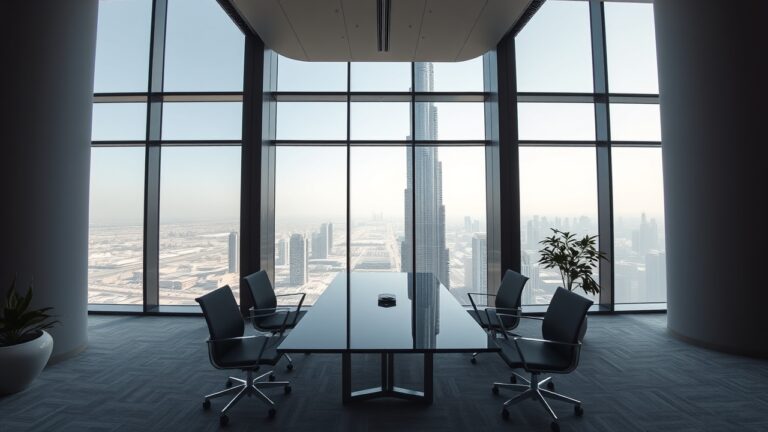
Negotiating a commercial lease in Dubai is a strategic process that goes beyond simply agreeing on the annual rental price. It involves securing specific landlord concessions—such as rent-free periods for fit-outs, capital contributions, and flexible lease renewal terms—that can significantly impact your business’s bottom line. By understanding the local regulatory framework provided by RERA and leveraging current market conditions, tenants can structure a commercial tenancy contract that minimizes operational risk and maximizes long-term value.
Understanding the Dubai Commercial Real Estate Landscape
Before diving into specific negotiation tactics, it is crucial to understand the unique ecosystem of Dubai’s property market. The commercial sector here is divided primarily into two categories: Mainland and Free Zone. The jurisdiction you choose dictates not only your licensing requirements but also the type of lease agreements available to you.
Mainland properties are governed by local laws and the Real Estate Regulatory Agency (RERA). Disputes here are typically handled by the Rental Dispute Settlement Centre (RDSC). In contrast, specific Free Zones, such as the Dubai International Financial Centre (DIFC), have their own property laws and courts. Regardless of the location, all Dubai leases must be registered with Ejari to be legally binding. This registration protects your rights as a tenant and is required for obtaining trade licenses and utility connections.
Current market trends in Dubai show a shift toward tenant-friendly terms in certain sectors, while prime locations remain highly competitive. This duality means that preparation is key. Whether you are looking for retail space in a bustling mall or a quiet office in Business Bay, understanding the baseline helps you identify where there is room to move. When you start your search for properties for rent in Dubai, knowing the difference between a standard offer and a great deal is what separates successful businesses from those that struggle with overheads.
Key Landlord Concessions You Should Ask For
In the world of commercial real estate, the base rent is just the starting point. The real value often lies in the concessions—the sweeteners landlords offer to attract high-quality tenants. Here are the concessions that matter most in the Dubai market.
1. Rent-Free Periods
This is arguably the most common and valuable concession. A rent-free period is a specific duration at the start of the lease where the tenant pays no rent. In Dubai, this is typically granted to cover the time needed for “fit-outs”—the process of designing and building out the office or retail interior.
-
Standard Practice: 1 to 3 months is common for smaller offices.
-
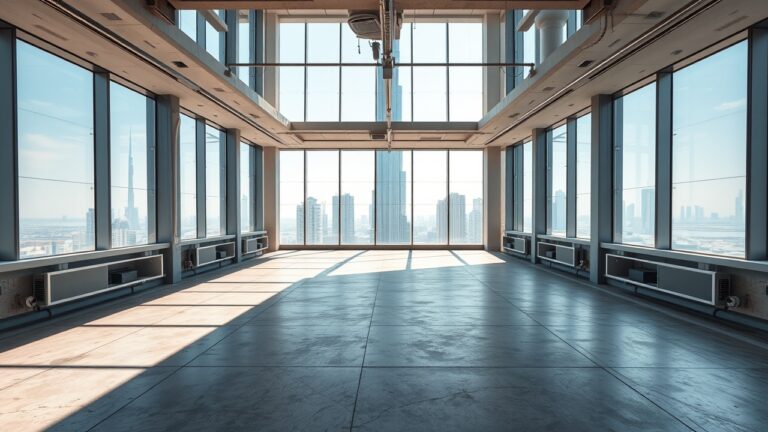
Negotiation Goal: For shell-and-core units (spaces with concrete floors and no finishing), you should push for 3 to 6 months. This ensures you aren’t paying rent on a space you cannot yet occupy.
2. Fit-Out Contributions (Tenant Improvement Allowances)
While a rent-free period saves you operational cash flow, a fit-out contribution helps with capital expenditure (CAPEX). In a competitive market, landlords may offer a cash contribution per square foot to help pay for the construction of your space. This is less common in residential leasing but is a powerful tool in commercial negotiations, especially for long-term leases (5+ years).
3. Break Clauses
Dubai business cycles move fast. A 5-year lease might seem secure today, but your needs could change in three years. A break clause allows you to terminate the lease early, usually at a specific date (e.g., at the end of year 3), often with a penalty fee.
-
Why it matters: It mitigates risk. If your business pivots or expands rapidly, you aren’t locked into a space that no longer serves you.
4. Cap on Rent Increases
While the Dubai Land Department (DLD) provides a rental index calculator that governs residential increases, commercial leases offer more freedom for contractual agreement. To avoid sudden spikes in overhead, negotiate a specific cap on rent increases for renewal terms. For example, you might agree that rent cannot increase by more than 5% or 10% upon renewal, regardless of market rates.
5. Subleasing Rights
Flexibility is vital. Negotiating the right to sublease part of your space can be a financial lifesaver. If you rent a large floor plate anticipating growth that takes longer than expected, the ability to sublet unused desks or wings to another company can offset your costs. Note that in Dubai, the landlord must explicitly approve this in writing.
The Negotiation Process: A Step-by-Step Guide
Approaching a negotiation without a roadmap is a recipe for missed opportunities. Follow this structured approach to ensure you cover all bases.
Step 1: Define Your Requirements and Budget
Before looking at listings, determine your exact needs. Calculate your budget not just for rent, but for service charges (chiller fees, community fees) and the 5% VAT applicable on commercial rents. If you are unsure about the hidden costs of asset management, consulting with a specialized property management team can clarify the total cost of occupancy.
Step 2: Market Research and Comparison
Never rely on a single data point. Gather comparable listings in the same area. If a landlord in Jumeirah Lake Towers (JLT) is asking AED 120 per sq. ft., but similar units are leasing for AED 100, you have immediate leverage.
Step 3: Letter of Intent (LOI)
Once you identify a property, submit a Letter of Intent (LOI). This is a non-binding document outlining your proposed terms. This is where you introduce your request for concessions.
-
Tip: Be aggressive but realistic in the LOI. Ask for 6 months rent-free hoping to settle on 3.
Step 4: The Lease Review
Once the LOI is accepted, the landlord will provide the formal lease agreement. This is legally binding. Do not skim this. Ensure that every concession agreed upon in the LOI is explicitly written into the contract. Ambiguity in the contract leads to disputes at the Rental Dispute Center later.
Common Pitfalls in Dubai Commercial Leases
Even seasoned investors can fall into traps if they aren’t familiar with local nuances. Here are the most common pitfalls to avoid.
-
Restoration Obligations: Most commercial leases require you to return the property to its original condition when you leave. If you spent heavily on fit-outs, “making good” (stripping it back to shell and core) can cost thousands of Dirhams. Negotiate a clause that allows you to leave improvements in place if they add value.
-
Hidden Service Charges: Ensure the lease clearly defines who pays for “chiller” (air conditioning) fees and community maintenance. In many Dubai towers, chiller fees can add 10-15% to your actual occupancy cost.
-
VAT Liability: Commercial rent is subject to 5% VAT. Ensure your budget accounts for this, and clarify if the advertised price is inclusive or exclusive of VAT.
-
Change of Control Clauses: If your company is acquired or changes ownership, some leases treat this as a transfer of lease, triggering transfer fees. Negotiate this out if you plan on selling the business.
Market Trends: What Landlords are Offering in 2025
The post-pandemic era has reshaped the Dubai office market. Landlords are increasingly recognizing that flexibility is a premium currency.
-
Shorter Lease Terms: The traditional 3-5 year lock-in is being challenged. We are seeing more landlords willing to accept 1-2 year initial terms with options to renew, catering to startups and agile SMEs.
-
Furnished and “Plug-and-Play” Options: To reduce vacancy times, landlords are fitting out spaces themselves. This commands a higher rent per square foot but saves the tenant the headache of construction.
-
Sustainability Focus: Green leases are emerging. Buildings with LEED certification or energy-saving retrofits are in high demand. Tenants are negotiating for landlords to upgrade HVAC systems to lower utility bills.
If you are looking for assets with long-term appreciation rather than just a rental space, you might consider off-plan projects in Dubai. Many modern developments are now including mixed-use commercial spaces designed to meet these new agile standards.
Measuring Success: ROI and Lease Efficiency
How do you know if you won the negotiation? You need to measure the lease efficiency.
| Metric | Definition | Good Result |
| Net Effective Rent | The average annual rent after deducting the value of rent-free periods and cash contributions. | Significantly lower than the asking “headline” rent. |
| Occupancy Cost Ratio | Total cost (Rent + Service Charges + Utilities) divided by your Gross Revenue. | Typically 5-10% for office, slightly higher for retail. |
| Space Efficiency | The ratio of usable desk space vs. total leased area (avoiding paying for huge corridors). | 80%+ efficiency (low loss factor). |
By focusing on the Net Effective Rent rather than the headline price, you can accurately compare different offers. For example, a higher rent with a generous fit-out contribution might actually be cheaper over a 5-year term than a low-rent unit requiring massive construction costs.
Why Partner with West Gate Dubai
Navigating the complexities of commercial real estate requires local expertise and a deep network. At West Gate Dubai, we do more than just unlock doors. We analyze market data, leverage our relationships with major developers, and understand the intricacies of RERA regulations to secure terms that protect your business interests.
Whether you are seeking a boutique office or a large-scale industrial warehouse, our team ensures your lease aligns with your business goals. We also assist investors looking to expand their portfolios with high-yield properties for sale in Dubai.
While this guide covers the essentials, the market moves fast. We have many more properties available that fit diverse business needs. To access these exclusive options, please fill out the form on our website so a professional Agent will contact you via Contact Us.
FAQs
1. Who pays the broker’s commission in a commercial lease?
In Dubai, the standard practice is for the tenant to pay the broker’s commission, which is typically 5% of the annual rent. However, in some competitive markets or for large-scale leases, this can sometimes be negotiated or shared with the landlord.
2. Is Ejari registration mandatory for commercial offices?
Yes, Ejari registration is mandatory for all rental contracts in Dubai, including commercial leases. You cannot obtain or renew your trade license, nor can you set up DEWA (electricity and water) services without a valid Ejari certificate.
3. Can I terminate my commercial lease early?
Early termination is only possible if your contract includes a specific “break clause” or early termination provision. Without this, you may be legally liable to pay the rent for the remainder of the lease term, subject to the landlord’s discretion.
4. What is the difference between shell-and-core and fitted office space?
Shell-and-core refers to a unit with only basic structure (concrete floors/ceilings) requiring full finishing by the tenant. Fitted space includes flooring, ceilings, and lighting, and is ready for furniture, saving significant time and upfront capital.
Take the Next Step for Your Business
Securing the right commercial space is a pivotal moment for any organization. It sets the tone for your company culture, operational efficiency, and financial health. Don’t leave money on the table by accepting the first offer presented to you. Use these strategies to drive a hard bargain and secure concessions that matter.
For personalized advice on your lease negotiation or to explore our curated list of premium commercial listings, reach out to our team via Contact Us. We have many more properties available, so please fill out the form so a professional Agent will contact you to discuss your specific requirements.