Best Areas for Startups in Dubai: Office and Flex Options Compared
Understanding the Dubai Startup Landscape
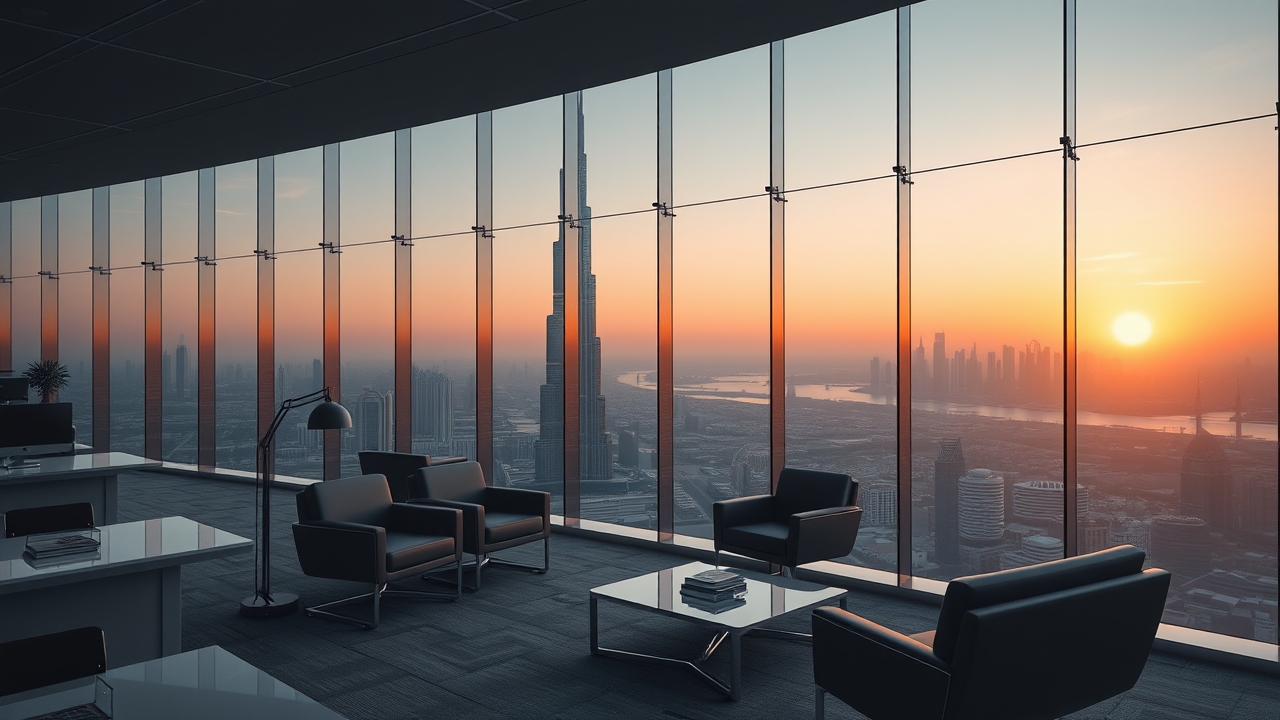
Dubai has rapidly transformed into a global magnet for entrepreneurs and innovators. With its strategic location, world-class infrastructure, and business-friendly government policies, the city offers an unparalleled ecosystem for growth. However, for a newcomer, the first and most critical decision involves selecting the right location. This choice is not merely about a postal address; it dictates your legal structure, your recruitment capabilities, and your proximity to potential clients and partners.
The Dubai market is broadly divided into two jurisdictions: the Mainland and Free Zones. Each comes with its own set of rules regarding ownership, taxes, and operational freedom. For many startups, the decision between these two often determines the best areas for startups in Dubai that they should focus on. While Mainland companies can trade directly anywhere in the UAE, Free Zone companies benefit from 100% foreign ownership and specific industry clusters.
When analyzing the best areas for startups in Dubai, one must consider the type of license required. For a detailed breakdown of how this affects your physical office search, you can read more about DED vs Free Zone licensing Dubai office location to understand which path aligns with your long-term goals.
The Rise of Flex and Managed Offices
In the past, setting up an office in Dubai meant signing a long-term lease, dealing with Ejari (the official registration of rental contracts), and managing fit-outs. Today, the landscape has shifted. Flex options, including co-working spaces and serviced offices, have become the go-to for startups. These options allow businesses to scale up or down without the heavy capital expenditure associated with traditional real estate. Flex offices often include utilities, internet, and reception services in a single monthly fee, which is highly attractive for lean startups managing tight cash flows.
Top Free Zone Areas for Startups
Free Zones are particularly popular among startups because they offer industry-specific environments. Here are some of the premier locations currently leading the market.
1. Jumeirah Lakes Towers (DMCC)
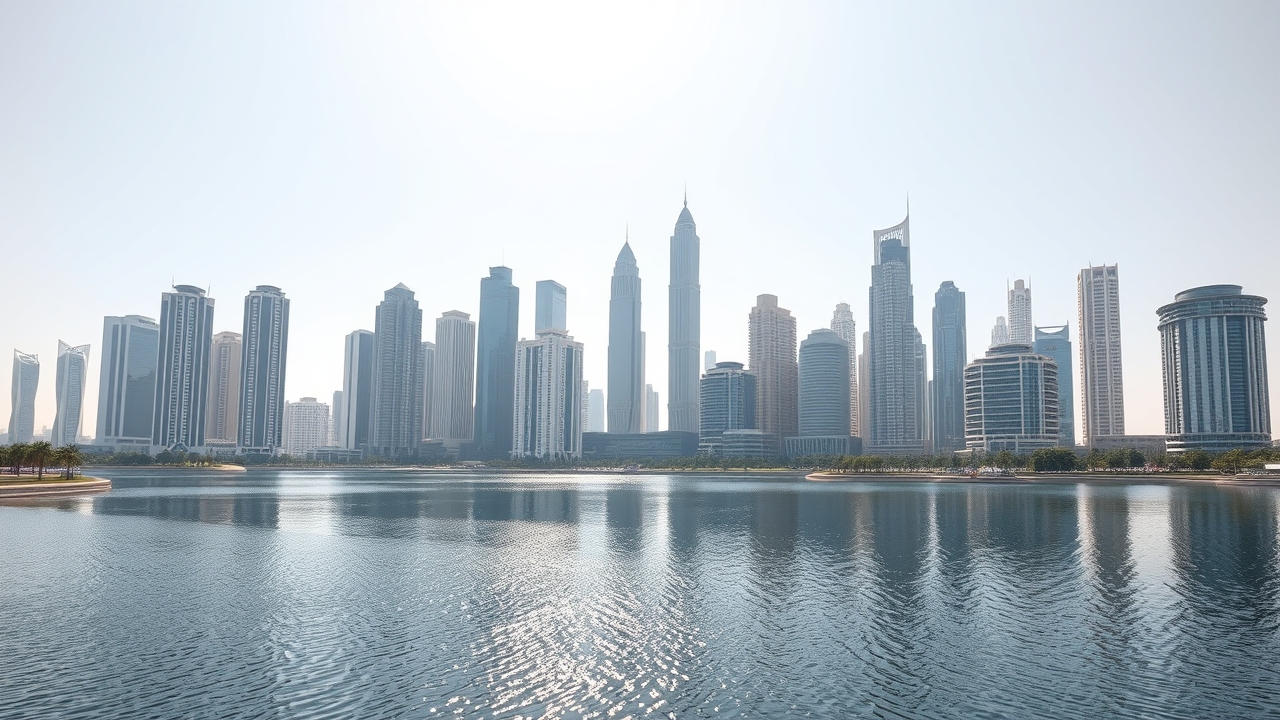
DMCC (Dubai Multi Commodities Centre) located in JLT is consistently ranked as one of the world’s leading free zones. For startups, JLT offers a unique mix of high-rise commercial towers and a vibrant community atmosphere. It is particularly well-suited for trading, commodities, and technology companies. The area provides a variety of office sizes, from small flex-desks to large floors.
The main advantage of DMCC is its established infrastructure. With over 20,000 member companies, networking opportunities are built into the fabric of the neighborhood. The rental rates in JLT are competitive compared to the adjacent Dubai Marina, making it a cost-effective entry point for many founders.
2. Dubai International Financial Centre (DIFC)
If your startup is in the FinTech, legal, or professional services sector, DIFC is the gold standard. It operates under its own legal system based on English Common Law, providing a level of comfort for international investors. While traditionally known for high rents and large corporate headquarters, DIFC has introduced the ‘Innovation Hub’ specifically for startups.
The Innovation Hub offers flexible desk spaces and smaller offices at more accessible price points, ensuring that early-stage companies can still benefit from the prestige and networking power of the DIFC ecosystem. It is arguably the best areas for startups in Dubai focusing on high-end finance and technology.
3. Dubai Internet City and Media City
For tech and media startups, these sister hubs offer a legacy of innovation. Dubai Internet City (DIC) is home to global giants like Google and Microsoft, but it also hosts incubators like in5, which provides mentorship and prototyping labs. The environment is designed to foster collaboration, making it ideal for software developers, digital marketers, and tech entrepreneurs.
Top Mainland Areas for Startups
Mainland locations are essential for startups that need to bid for government contracts or trade directly with the local market without a distributor. The Dubai Department of Economy and Tourism (DET) oversees these areas.
4. Business Bay
Business Bay is the commercial heart of Dubai. It offers an incredible variety of office types, from shell-and-core units to fully fitted luxury suites. Because of its massive supply of office space, startups can often find competitive deals here. Its proximity to Downtown Dubai and the DIFC makes it a strategic location for any business that needs to be ‘in the center of it all.’
Many buildings in Business Bay offer ‘Business Centres’—serviced office setups that are perfect for startups that need a professional mainland address without the hassle of setting up utilities and furniture themselves. When planning your space here, it is vital to know how to choose the right office size in Dubai based on your team count to avoid overpaying for unused square footage.
5. Sheikh Zayed Road
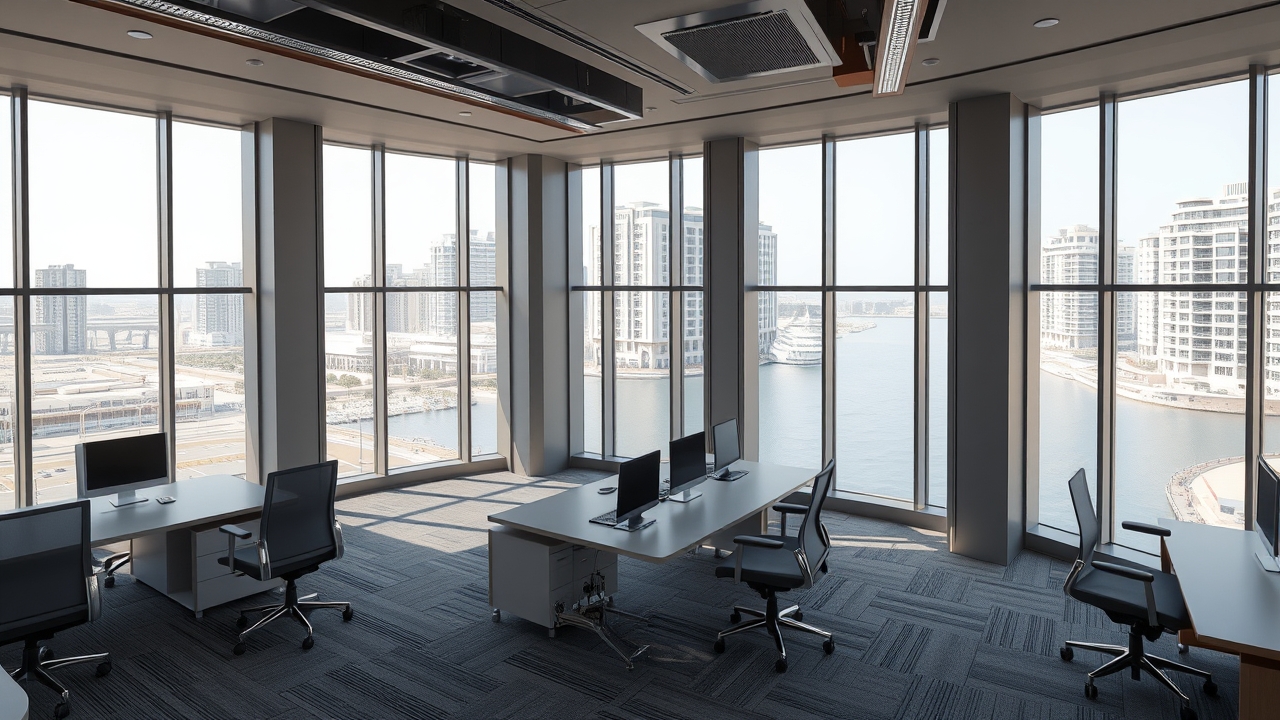
This is the iconic corridor of Dubai, stretching from the Trade Centre to the Marina. Offices along Sheikh Zayed Road offer high visibility and excellent accessibility via the Dubai Metro. For startups that prioritize branding and easy commutes for employees, this is a top contender. Many older buildings along the road offer more spacious floor plans at lower rates than the newer glass towers in Business Bay.
Flexible vs. Traditional Office Options
Choosing between a flexible workspace and a traditional lease is often a matter of calculating the total cost of occupancy. While a traditional lease might have a lower ‘per square foot’ rate, the hidden costs can quickly add up.
Traditional Office Pros and Cons
- Customization: You have complete control over the branding and layout. This is essential if you are moving into a shell-and-core space and need a specific look. However, you must account for commercial fit-out costs in Dubai, which can range from AED 150 to AED 600 per square foot depending on the quality of finishes.
- Stability: Long-term leases (usually 1-3 years) provide rent stability and a permanent home for the brand.
- Cons: High upfront costs including security deposits, agency fees, and utility connections.

Flex/Serviced Office Pros and Cons
- Speed: You can literally sign a contract and move in the same day. These offices come pre-cabled and furnished.
- All-Inclusive: One bill covers rent, DEWA, cooling, internet, and cleaning. This simplifies accounting for startups.
- Cons: Higher monthly cost compared to a traditional lease of the same size. There is also less room for brand-specific interior design.
Cost and Feature Comparison Table
Below is a general comparison of what startups can expect in the most popular districts as of late 2024 and heading into 2025.
| Area | License Type | Avg. Rent (AED/sq.ft) | Flex Availability | Best For |
|---|---|---|---|---|
| JLT (DMCC) | Free Zone | 110 – 180 | High (Co-working hubs) | Trading & Tech |
| DIFC | Free Zone | 250 – 550 | Medium (Innovation Hub) | FinTech & Legal |
| Business Bay | Mainland | 100 – 220 | Very High | General Corporate |
| D3 (Design District) | Free Zone | 160 – 230 | Low (Dedicated studios) | Creative & Fashion |
| Dubai Silicon Oasis | Free Zone | 60 – 110 | High | Hardware & Tech |
Emerging Hubs: Dubai Design District (D3) and Silicon Oasis
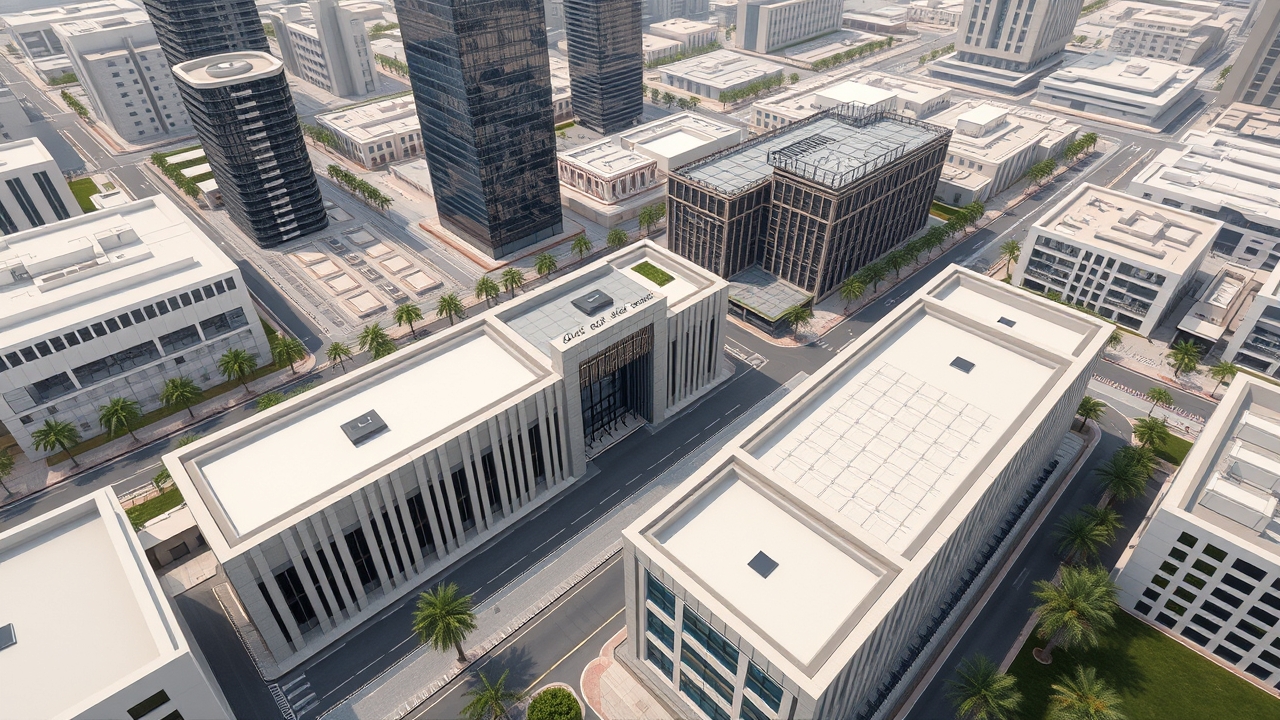
As the city expands, the best areas for startups in Dubai are no longer limited to the central business districts. Dubai Design District (D3) has become a sanctuary for creative startups, architects, and fashion brands. It offers a futuristic aesthetic and hosts numerous design-related events that provide massive exposure to its tenants.
On the other hand, Dubai Silicon Oasis (DSO) remains the most budget-friendly option for technology startups. Located further inland, it is a fully integrated community where entrepreneurs can live and work. The ‘Dtec’ (Dubai Technology Entrepreneur Campus) within DSO is the largest tech hub in the MENA region, offering very low-cost flex-desk options specifically for those under the DSO license.
Factors to Consider Beyond Rent
When scouting the best areas for startups in Dubai, founders often overlook logistical factors that impact daily operations and employee satisfaction. Rent is just the starting point.
1. Parking and Public Transport
In areas like Business Bay and JLT, parking can be a major headache. While most offices come with a specific number of allocated spots (usually 1 spot per 500-1000 sq ft), this is rarely enough for a growing team. Check if the building has public parking nearby or if it is within a 10-minute walk of a Metro station. Accessibility is key for recruitment and client meetings.
2. Building Grade and Maintenance
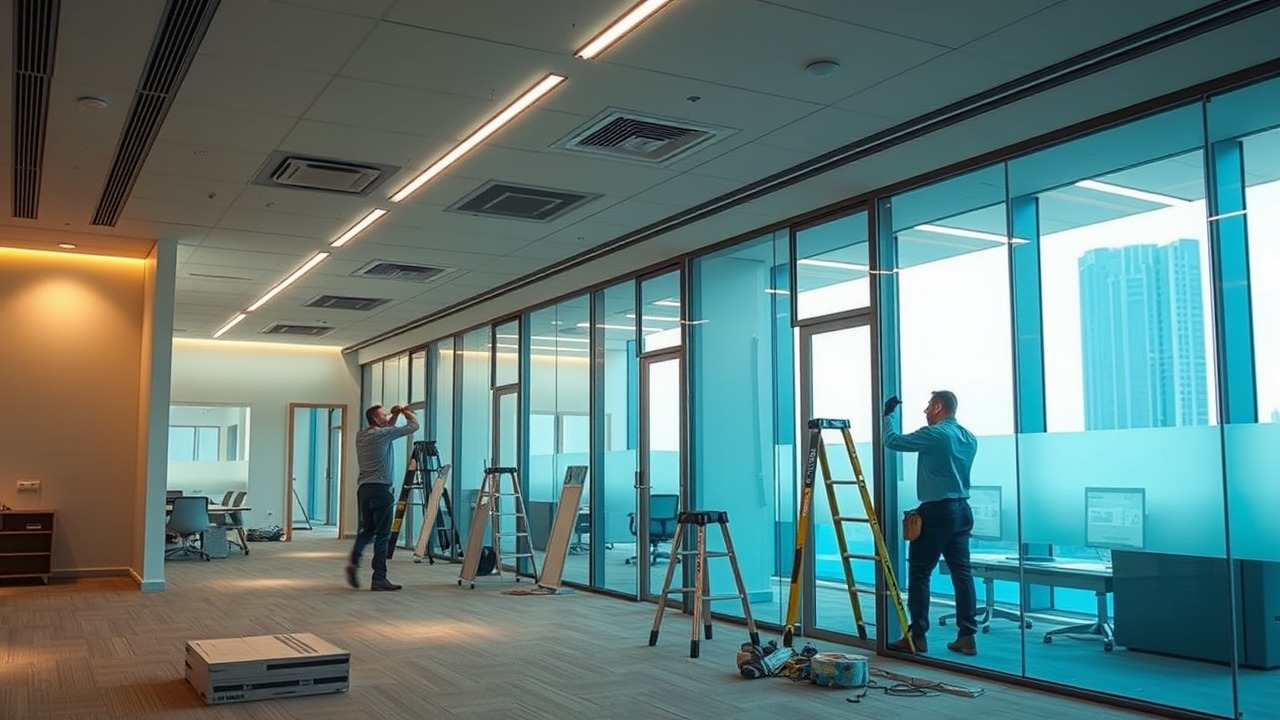
There is a significant difference between Grade A and Grade B buildings. Grade A buildings offer faster elevators, better security, and more efficient AC systems. For a startup, appearing professional is vital. A poorly maintained lobby can affect a potential investor’s perception of your company. Many of the best areas for startups in Dubai feature a mix of both, so site visits are mandatory.
3. Future Scalability
A common mistake is signing a long-term lease for an office that is ‘just right’ for the current team. If you plan to double your headcount in 12 months, a traditional lease may become a bottleneck. This is why flex options in areas like JLT or Business Bay are so valuable; they often allow you to move to a larger suite within the same business center without breaking your contract.
Why Dubai is More Competitive Than Global Hubs
According to recent reports by Knight Frank, Dubai’s commercial real estate remains highly attractive compared to cities like London or New York. The lack of corporate tax for many business types (subject to thresholds) and the high quality of life make it a magnet for talent. The best areas for startups in Dubai provide an infrastructure that rivals any global city at a fraction of the cost when you factor in the speed of licensing and the availability of flex-offices.
Licensing Requirements and Physical Space
In Dubai, you generally cannot have a business license without a physical address. For startups, the “Desk Space” or “Hot Desk” options provided by many Free Zones are the most economical way to satisfy this legal requirement. However, if you are applying for visas for employees, the size of your office will directly correlate to the number of visas you are allowed to sponsor. Typically, you need about 80-100 square feet of space per visa. This is a crucial metric when searching through the best areas for startups in Dubai.
Sustainability and the Modern Workspace
With Dubai’s commitment to sustainability (aligned with UAE Vision 2030), many new commercial developments are focusing on LEED certification. For startups looking to attract Gen Z and Millennial talent, being in a ‘green’ building in areas like DIFC or Expo City can be a significant advantage. These buildings often have better air quality, more natural light, and lower utility costs in the long run.
Frequently Asked Questions
1. What is the cheapest area to set up a startup in Dubai?
Dubai Silicon Oasis and International City tend to offer the lowest rental rates for commercial spaces. However, the ‘cheapest’ area depends on your license; for example, a flex-desk in an offshore free zone may be cheaper than any physical office on the mainland.
2. Can I use a home address for my Dubai startup?
Generally, no. The Dubai Department of Economy (DED) and most Free Zones require a physical commercial address or a registered virtual/flex-desk within a commercial building to issue a license and process visas.
3. How long does it take to lease an office in Dubai?
For a flex or serviced office, it can take as little as 24-48 hours. For a traditional office, the process of negotiating terms, signing the lease, getting Ejari, and setting up utilities usually takes 2 to 4 weeks.
4. Are utility costs included in the rent?
In serviced and flex offices, utilities like DEWA and internet are almost always included. In traditional private leases, these are separate costs that the tenant must pay directly to the service providers.
Conclusion: Finding Your Place in the City of Gold
Choosing between the best areas for startups in Dubai requires a balance of budget, branding, and legal necessity. Whether you opt for the high-octane environment of DIFC, the tech-centric community of JLT, or the central convenience of Business Bay, the city provides a foundation for any ambitious founder to succeed. The trend toward flex options continues to lower the barrier to entry, making now the perfect time to establish your presence in the Middle East’s most dynamic market.
Learn More About Your Office Options in Dubai
Navigating the Dubai commercial real estate market can be complex, but you don’t have to do it alone. Whether you are looking for a creative studio, a high-tech lab, or a prestigious corporate headquarters, our experts are here to help you find the perfect fit for your startup’s unique needs. Fill the form on the right side on desktop and at the end of the article on mobile to Learn More and receive a tailored list of available spaces today.