
Setting Up a Retail Store in Dubai: Unit Sizes, Power Loads, and Fit-Out Tips
The Retail Landscape of Dubai
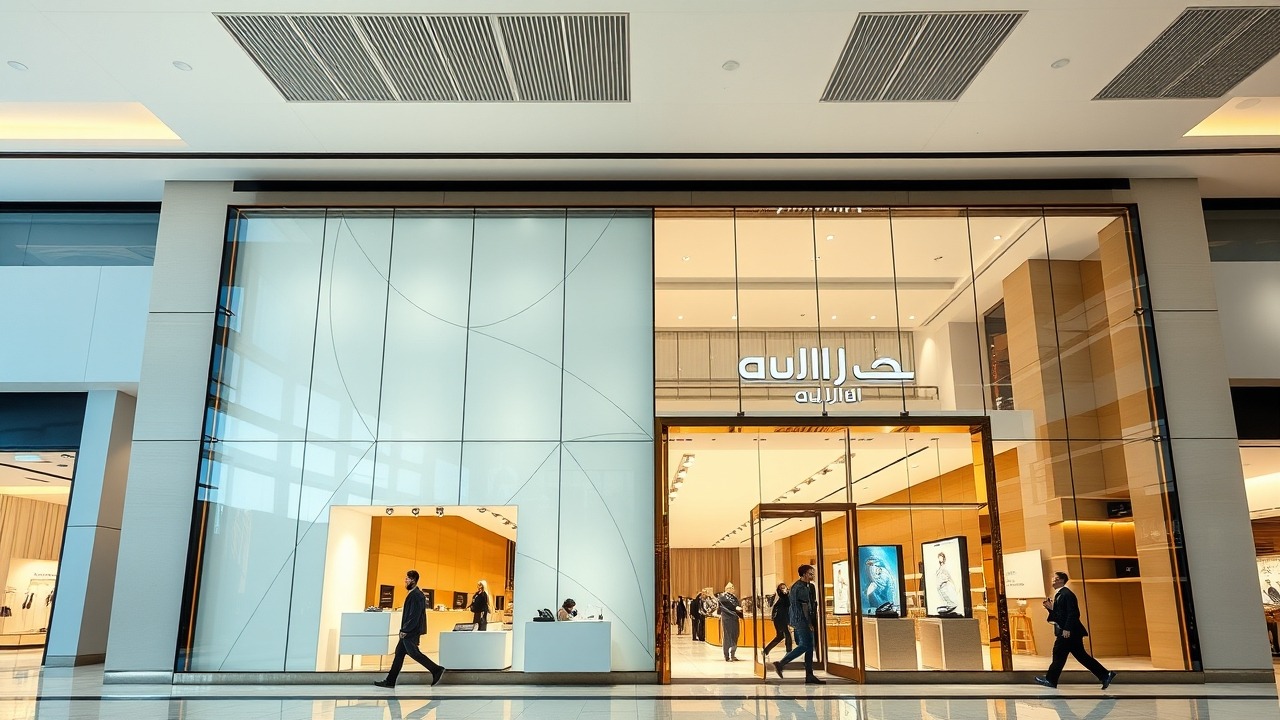
Dubai is globally recognized as a retail powerhouse, home to some of the world’s most iconic shopping destinations. From the sprawling aisles of The Dubai Mall to the high-end boutiques in Dubai Design District (d3), the city offers a diverse range of opportunities for entrepreneurs. However, setting up a retail store in Dubai is not merely about finding a beautiful space; it is about aligning your business model with the right legal structure and technical specifications of the local market.
The retail sector in the UAE has shown incredible resilience and growth, driven by a combination of high per capita income, a booming tourism industry, and government initiatives that support business owners. Whether you are an international brand looking to plant a flagship flag or a local startup, the preparation stage is the most critical phase of your journey. You must consider the geography—whether to go Mainland or into a Free Zone—and the physical constraints of the real estate available.
Navigating Legal Frameworks and Licensing
Before you even sign a lease for a physical unit, you must decide on the legal vehicle for your business. In Dubai, this generally falls into two categories: Mainland and Free Zone.
1. Mainland Business Setup: Regulated by the Department of Economy and Tourism (DET), a mainland license allows you to trade anywhere in the UAE and internationally. This is often the preferred choice for retail stores that want to operate in high-street locations or major shopping malls.
2. Free Zone Business Setup: These are specific areas that offer 100% foreign ownership and tax exemptions. However, a Free Zone retail license typically restricts you to operating within that specific zone. This is ideal for niche retail concepts targeting a specific community, such as Dubai Silicon Oasis or Dubai Knowledge Park.
3. Department of Economy and Tourism (DET) Approvals: You must obtain an initial approval from the DET, which confirms that the government has no objection to you starting your business. This is followed by the trade name reservation and finally the issuance of the license after the tenancy contract is registered via Ejari.
Choosing the Right Unit Size for Your Concept
Size is one of the most significant factors influencing your overhead costs and operational efficiency. When setting up a retail store in Dubai, you will encounter various unit types, each serving different purposes.
Kiosks and Pop-up Spaces
Typically ranging from 50 to 150 square feet, kiosks are perfect for high-traffic mall corridors. They offer high visibility but limited storage. These are excellent for testing the market or selling specialized products like perfumes, mobile accessories, or specialty snacks.
Standard Boutique Units
Standard retail units in Dubai malls or community centers usually range from 500 to 1,500 square feet. This size provides enough room for a curated inventory, changing rooms, and a small back-of-house area. For brands interested in the latest developments, exploring offplan commercial opportunities can provide early access to prime locations in emerging neighborhoods.
Large-Scale Flagship Stores
Flagship stores can exceed 5,000 square feet. These units are designed to offer an immersive brand experience. They require significant investment in fit-out and staffing but serve as the primary marketing tool for the brand in the region. These are commonly found in the ‘Fashion Avenue’ sections of major malls.
Technical Requirements: Understanding Power Loads
One of the most common pitfalls when setting up a retail store in Dubai is overlooking the power load (kilowatts/kW) allocated to a unit. Every commercial space has a pre-allocated electrical capacity determined by the developer and the Dubai Municipality.
1. Standard Power Load: A typical retail unit might be allocated 10kW to 20kW. This is usually sufficient for standard lighting, air conditioning, and a few point-of-sale systems. However, if your retail concept involves high-intensity lighting or digital screens, you may need more.
2. Food and Beverage (F&B) Retail: If your retail store includes a café or food element, your power requirements will skyrocket. Commercial ovens, espresso machines, and industrial refrigerators can require 50kW to 100kW or more. If the unit you like doesn’t have this capacity, you must apply for a “Load Upgrade” from DEWA (Dubai Electricity and Water Authority), which can be costly and time-consuming.
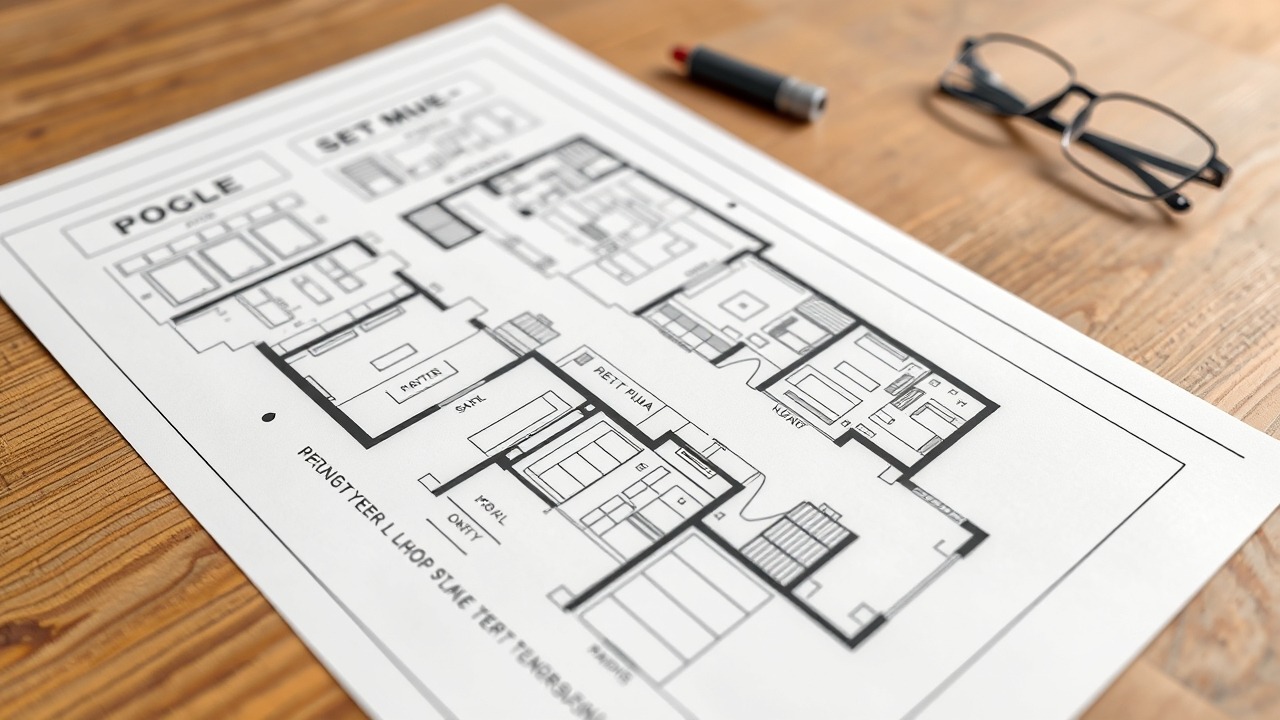
3. Mechanical, Electrical, and Plumbing (MEP) Coordination: Your fit-out contractor must produce detailed MEP drawings. These drawings ensure that your store’s electrical distribution is safe and complies with Dubai Civil Defence standards. Failure to manage power loads correctly can lead to frequent circuit trips or even fire hazards.

The Fit-Out Process and Approvals
In Dubai, you cannot simply paint the walls and move in. The fit-out process is strictly regulated to ensure public safety and aesthetic harmony with the surrounding development.
1. No Objection Certificate (NOC): Before any work begins, you must obtain an NOC from the landlord or the mall management. This document confirms that they have approved your initial design concept.
2. Design Approval: You must submit detailed architectural and MEP plans to the relevant authorities. If your store is on the Mainland, this is typically Dubai Municipality. If it is in a Free Zone, it might be the specific Free Zone authority (like Trakhees for JAFZA or DCCA for Media City).
3. Civil Defence Approval: This is perhaps the most critical approval. The Dubai Civil Defence (DCD) must review your fire alarm and firefighting systems. Your fit-out must include smoke detectors, sprinklers, and emergency exit signs that are integrated with the building’s main system.
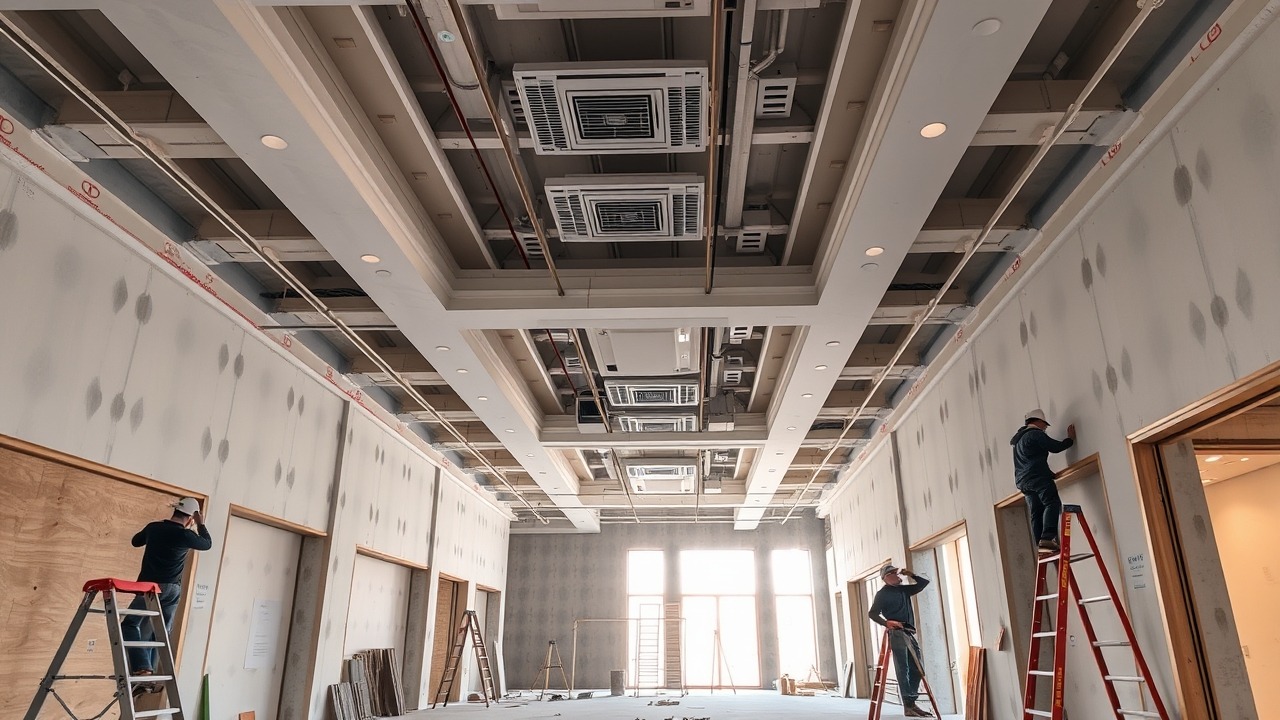
4. Fit-Out Execution: Once approvals are in hand, the physical work begins. This includes partitioning, flooring, ceiling installation, lighting, and joinery. It is vital to work with a contractor who is familiar with the specific mall’s ‘Fit-Out Manual,’ as each mall has its own set of rules regarding working hours and material delivery.
If you find the process overwhelming, it is always wise to contact us for guidance on property selection and navigating the technical hurdles of the Dubai commercial real estate market.
Cost Breakdown for Setting Up a Retail Store in Dubai
The financial commitment required for retail setup in Dubai varies wildly based on location. Below is a detailed comparison of common retail scenarios.
| Expense Category | Small Kiosk (Mall) | High Street Boutique | Prime Mall Unit |
|---|---|---|---|
| Annual Rent (Estimated) | AED 80k – 150k | AED 120k – 250k | AED 400k – 1M+ |
| Licensing & Legal | AED 15k – 25k | AED 20k – 30k | AED 20k – 30k |
| Fit-Out Cost (per sq ft) | AED 300 – 500 | AED 250 – 450 | AED 500 – 1,000+ |
| Security Deposit | 10% of Annual Rent | 10% of Annual Rent | 10-20% of Annual Rent |
| Utility Connection (DEWA) | AED 2k – 5k | AED 5k – 10k | AED 10k – 20k |
Note: These figures are estimates and can fluctuate based on market conditions, the complexity of the fit-out, and the specific requirements of the landlord.
Interior Design and Branding Strategies
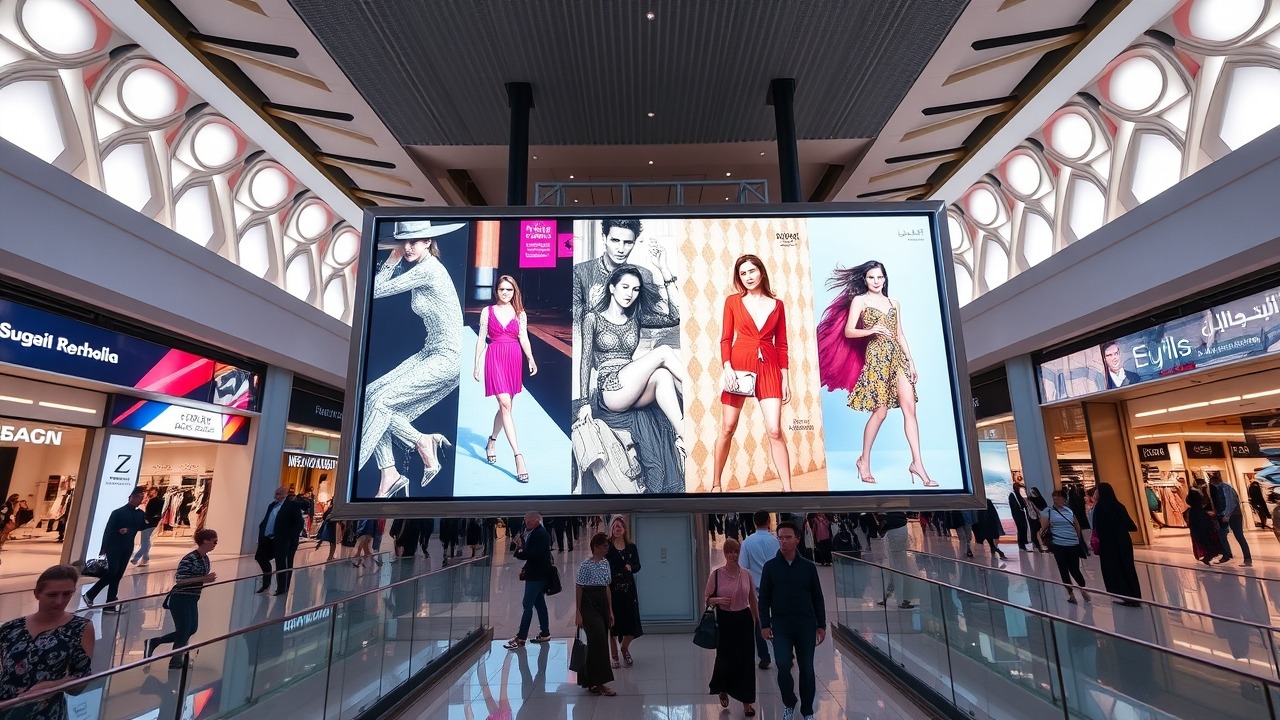
In a city as visually competitive as Dubai, your store’s interior design is a core part of your marketing. Setting up a retail store in Dubai requires a balance between brand identity and local cultural nuances.
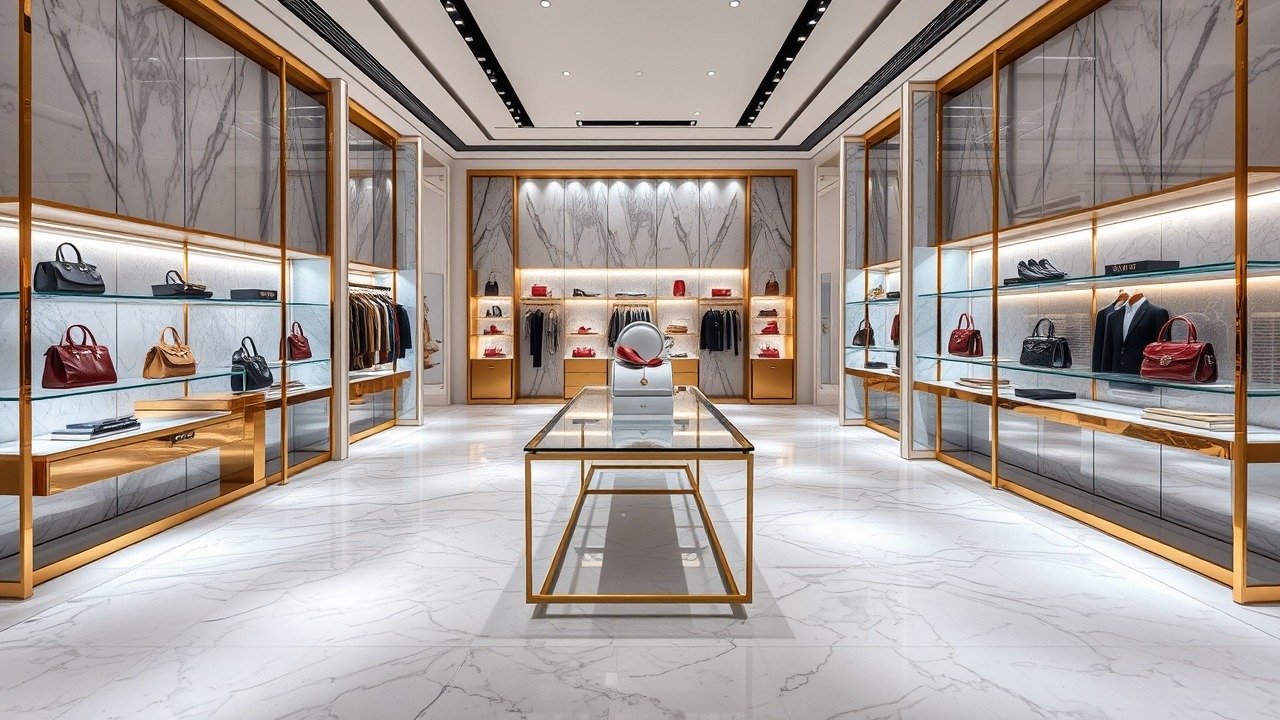
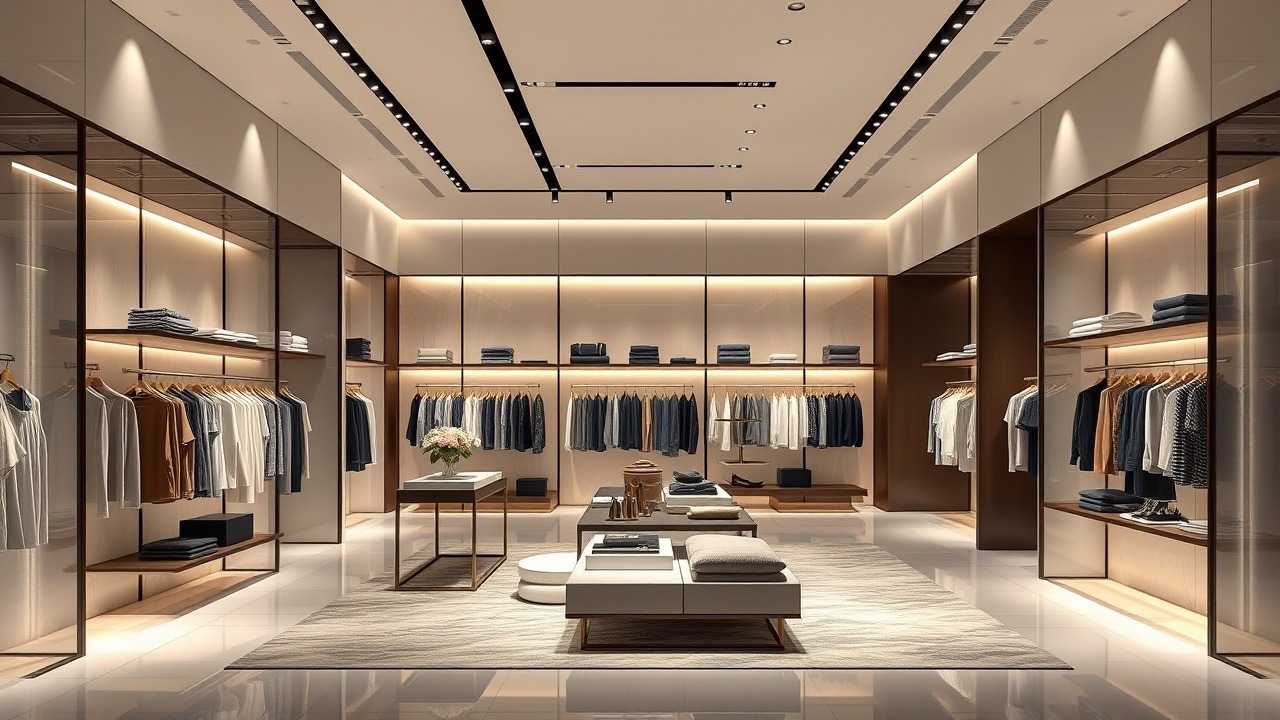
1. Lighting Design: Lighting is often the most underrated element of retail fit-out. In Dubai’s luxury sector, layered lighting—combining ambient, task, and accent lights—is used to highlight premium products. LED technology is now mandatory in many areas to comply with green building regulations.
2. Material Selection: Malls have strict rules about the fire rating of materials used in fit-outs. All fabrics, wood finishes, and paints must meet specific safety standards. High-quality finishes like marble, brushed brass, and custom joinery are common in Dubai to meet the expectations of a high-net-worth clientele.
3. Customer Flow and Zoning: The layout must guide the customer naturally through the space. In Dubai, where malls are massive, customers often suffer from “mall fatigue.” Your store should offer a welcoming environment with clear signage and comfortable movement paths.
4. Digital Integration: Incorporating digital screens, interactive mirrors, or RFID-enabled shelves is becoming standard practice. These elements not only enhance the shopping experience but also provide data on customer behavior.
HVAC and Climate Control Challenges
The heat in Dubai is a major factor for retail operations. While malls provide central cooling, your unit’s internal HVAC (Heating, Ventilation, and Air Conditioning) must be perfectly balanced.
1. BTU Calculations: Your fit-out contractor must calculate the British Thermal Units (BTUs) required based on the unit’s size, the number of lights (which emit heat), and the expected footfall. Under-specifying your AC will lead to an uncomfortable shopping environment and potential damage to heat-sensitive stock.
2. Air Balancing: This involves ensuring that the air pressure inside your store is correct so that cooled air doesn’t constantly escape every time the door opens, and odors (in the case of F&B or perfume shops) are properly managed.
3. Maintenance Contracts: It is a standard requirement for tenants to have a yearly maintenance contract (YMC) for their AC units. Landlords usually require proof of this before renewing a lease.
Staffing and Operational Considerations
Once the physical store is ready, the operational phase begins. Setting up a retail store in Dubai also means adhering to labor laws and operational standards.
1. Visa and Residency: As a business owner, you are responsible for sponsoring your employees’ visas. This involves costs for medical tests, Emirates IDs, and health insurance, which is mandatory in Dubai.
2. POS and Inventory Systems: You need a robust Point of Sale system that is compliant with UAE VAT (Value Added Tax) regulations. Since 2018, a 5% VAT is applicable on most retail goods, and your system must be able to generate simplified tax invoices.
3. Opening Hours: Retail stores in Dubai malls typically operate from 10:00 AM to 10:00 PM on weekdays, and until midnight on weekends. You must ensure your staffing schedule covers these long hours in compliance with the UAE Labor Law regarding maximum working hours and overtime.
The Importance of Location Strategy
The age-old adage “location, location, location” holds especially true in Dubai. However, the best location isn’t always the most expensive one. It depends on your target demographic.
1. Tourist Hubs: If you rely on tourist spend, Downtown Dubai and Dubai Marina are essential. These areas offer high footfall but come with the highest rents and most competitive environments.
2. Residential Communities: For everyday retail (pharmacies, salons, grocery stores), community centers in areas like Arabian Ranches, Damac Hills, or Jumeirah are more effective. These locations offer loyal, recurring customers and generally more flexible fit-out rules.
3. Street-Level Retail: Areas like Jumeirah Beach Road or Al Wasl Road offer standalone villas converted into retail spaces. These are highly coveted for high-end fashion and specialized clinics, offering a sense of exclusivity and direct street visibility.
Future Trends in Dubai Retail
As we look forward, the concept of retail in Dubai is shifting toward “Retailtainment.” Stores are no longer just places to buy things; they are places to do things. Whether it’s an in-store café, a VR experience, or a workshop space, setting up a retail store in Dubai now requires a creative approach to customer engagement.
Sustainability is also moving from a buzzword to a requirement. New developments are prioritizing LEED-certified buildings, and tenants are being encouraged (and sometimes required) to use eco-friendly materials and energy-efficient appliances. This shift is not only good for the planet but also reduces long-term operational costs like DEWA bills.
Frequently Asked Questions
1. How long does the fit-out process typically take?
On average, a retail fit-out in a Dubai mall takes between 8 to 12 weeks. This includes the time for design approvals (3-4 weeks) and the physical construction (5-8 weeks). However, delays in authority approvals can extend this timeline.
2. Can I change the power load of my retail unit?
Yes, but it is not guaranteed. You must apply to the developer and DEWA. If the building has spare capacity, you can pay a fee for the additional load. If the building is at maximum capacity, you may be denied, which is why checking the power load before signing a lease is vital.
3. Is Ejari mandatory for retail stores?
Absolutely. Ejari is the system that legalizes the relationship between landlord and tenant in Dubai. You cannot get or renew a trade license without a valid Ejari certificate.
4. Do I need a local partner to open a retail store?
Following recent changes in UAE law, many mainland retail activities allow 100% foreign ownership. You no longer necessarily need a local Emirati partner holding 51% of the shares, though you may still require a local service agent for certain administrative tasks.
Conclusion
Setting up a retail store in Dubai is a rewarding venture that places your brand in one of the world’s most vibrant commercial hubs. Success lies in the details: choosing the right legal structure, ensuring your unit has the necessary power load for your operations, and navigating the fit-out approval process with a professional approach. By understanding these technical and regulatory requirements from the outset, you can avoid costly delays and build a retail space that not only looks exceptional but operates flawlessly in Dubai’s competitive market. Whether you choose a bustling mall or a quiet community center, thorough preparation is your greatest asset in turning your retail vision into a reality.