
F&B Units in Dubai: Grease Traps, Exhaust, and MEP Requirements Explained
The Critical Importance of MEP in Dubai’s F&B Sector
Operating a successful food and beverage outlet in Dubai involves more than just a great menu and an attractive interior. The technical backbone of any restaurant lies in its MEP (Mechanical, Electrical, and Plumbing) systems. In a city known for its rigorous safety standards and rapid urban development, understanding the specific F&B MEP requirements Dubai is essential for any business owner, developer, or contractor. These systems are not merely functional; they are strictly regulated by bodies such as the Dubai Municipality (DM), Dubai Civil Defence (DCD), and the Dubai Electricity and Water Authority (DEWA).
Dubai’s climate, characterized by extreme heat and humidity, places additional stress on HVAC and exhaust systems. Furthermore, the high density of residential and commercial towers means that odor control and fire prevention are top priorities for authorities. Failure to comply with these requirements can lead to heavy fines, delays in fit-out approvals, or even the permanent closure of the establishment.
Understanding Kitchen Exhaust Systems and Ecology Units
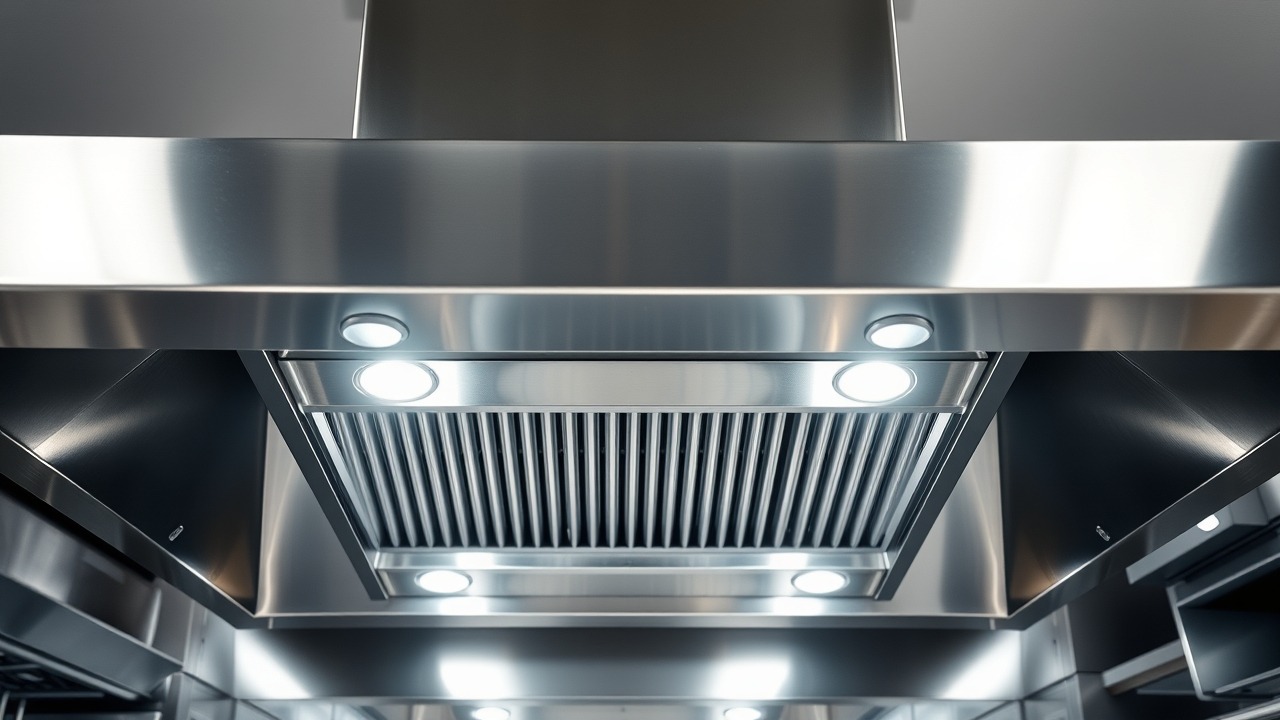
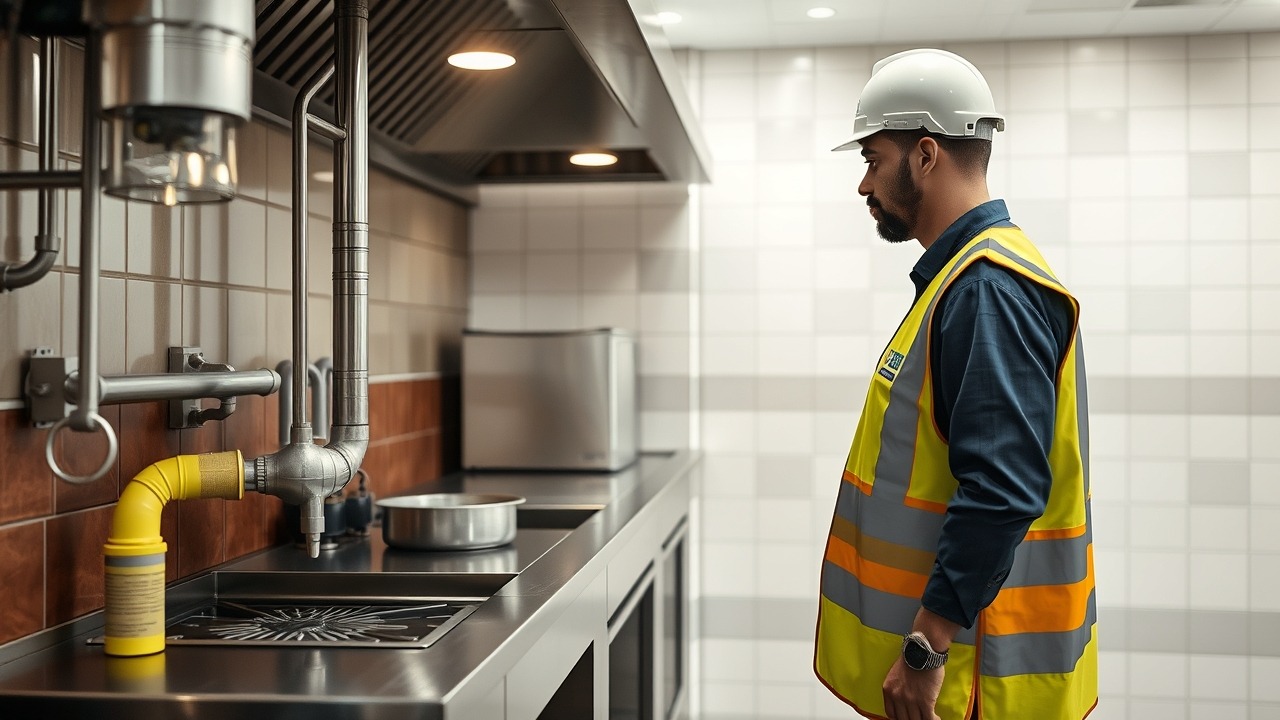
In the world of Dubai F&B, the kitchen exhaust system is perhaps the most complex mechanical component. Because many restaurants are located on the ground floors of high-rise buildings or within crowded malls, the discharge of cooking fumes must be handled with extreme care to avoid polluting the local air or creating a fire hazard.
1. The Role of the Ecology Unit
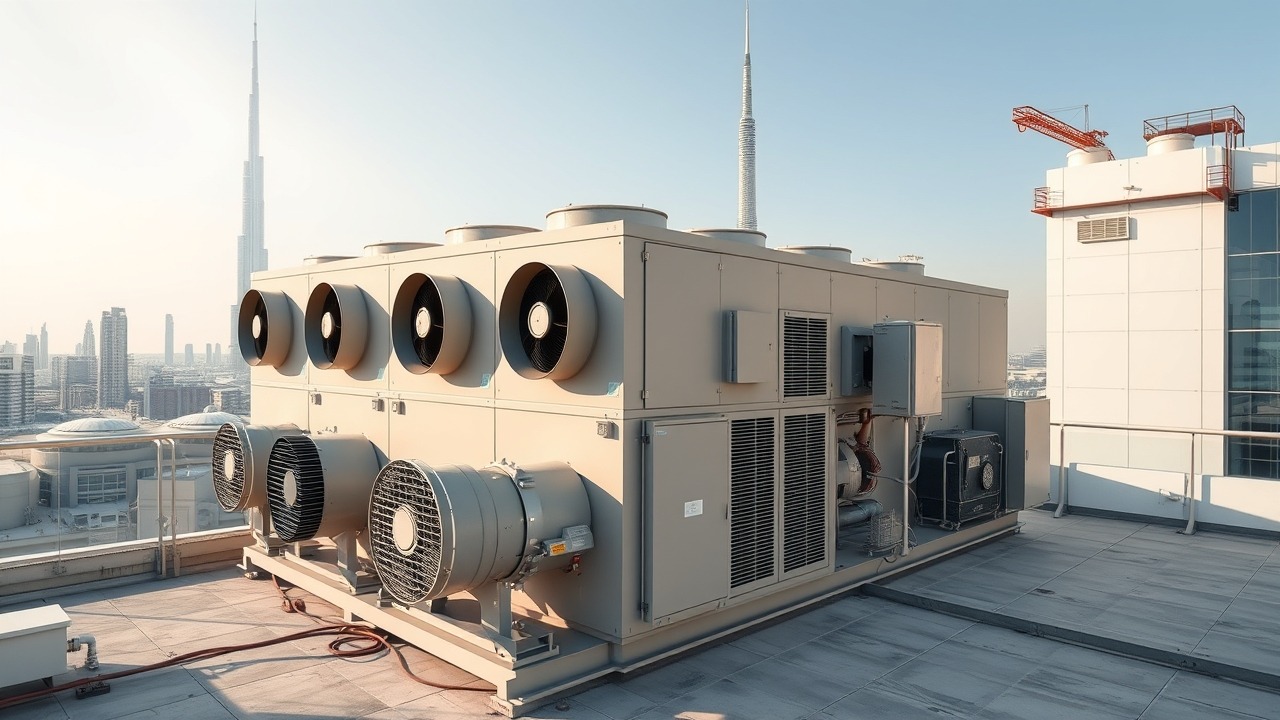
One of the most specific F&B MEP requirements Dubai mandates is the use of an Ecology Unit (also known as an Air Filtration Unit). This multi-stage filtration system is designed to remove grease, smoke, and odors from the kitchen exhaust before the air is expelled into the atmosphere. Typically, an ecology unit consists of:
- 1. Pre-filters: To catch large particles and liquid grease.
- 2. Electrostatic Precipitators (ESP): These use high-voltage plates to ionize and trap fine smoke particles.
- 3. Carbon Filters: These utilize activated carbon to neutralize odors.
- 4. Centrifugal Fans: High-capacity fans that ensure sufficient airflow (CFM) through the ductwork.
2. Ducting and Fire Rating
Kitchen ducts in Dubai must be constructed according to strict fire safety standards. Most authorities require the use of black steel or stainless steel with a specific thickness. Furthermore, these ducts must be coated with fire-rated insulation or fire-wrap that can withstand high temperatures for up to 2 hours. This prevents a kitchen fire from spreading through the building’s ventilation shafts. If you are looking into new developments, exploring offplan properties can provide insight into how modern buildings are pre-engineered with these specialized shafts to support F&B units.

Grease Traps: Preventing Fatbergs in Dubai’s Sewers
Plumbing for F&B units is not just about water supply; it is primarily about waste management. Grease, Oil, and Fats (FOG) are the primary enemies of the municipal sewage system. To combat this, Dubai Municipality requires every food preparation area to have a functional and correctly sized grease trap.
1. Types of Grease Traps
There are generally two types of grease traps used in Dubai:
- 1. Passive Grease Traps: These are traditional tanks (often made of GRP or Stainless Steel) where water slows down, allowing grease to float to the top and solids to sink to the bottom. They require manual cleaning.
- 2. Automatic Grease Removal Units (AGRU): These are more sophisticated devices that mechanically remove grease into a separate container, reducing the frequency of deep cleaning and minimizing odors.
2. Sizing and Installation
The size of the grease trap is determined by the number of meals served per day and the flow rate of the kitchen sinks. Dubai Municipality provides specific formulas to calculate the required capacity (measured in gallons or liters per minute). It is crucial that the grease trap is placed in a location that is easily accessible for maintenance but does not contaminate the food preparation area. For expert guidance on planning these layouts, you can contact us for specialized MEP consultancy.
Electrical Requirements and Load Management
Restaurants are high-energy consumers. From heavy-duty electric ovens and walk-in chillers to industrial-grade dishwashers, the electrical demand of an F&B unit often exceeds that of a standard commercial space. Managing the electrical load is a vital part of F&B MEP requirements Dubai.
1. DEWA Load Approvals
Before any fit-out begins, a load schedule must be submitted to DEWA. This document outlines the total connected load (TCL) and the maximum demand (MD). If the existing power supply to the unit is insufficient—which is common when converting a retail shop into a restaurant—an application for a “load enhancement” must be filed. This process can be time-consuming and expensive, as it may involve upgrading cables or transformers.
2. Safety and Distribution
The distribution boards (DBs) in a kitchen must be protected against moisture and heat. Circuit breakers must be correctly rated for commercial appliances to prevent frequent tripping. Additionally, emergency power-off (EPO) buttons are often required near kitchen exits to instantly shut down gas and electricity in the event of an emergency.
Gas System Regulations (LPG vs. Natural Gas)
While some modern kitchens are moving toward all-electric setups, many professional chefs still prefer gas for cooking. In Dubai, gas installations are heavily scrutinized by Dubai Civil Defence.
1. Gas Detection Systems
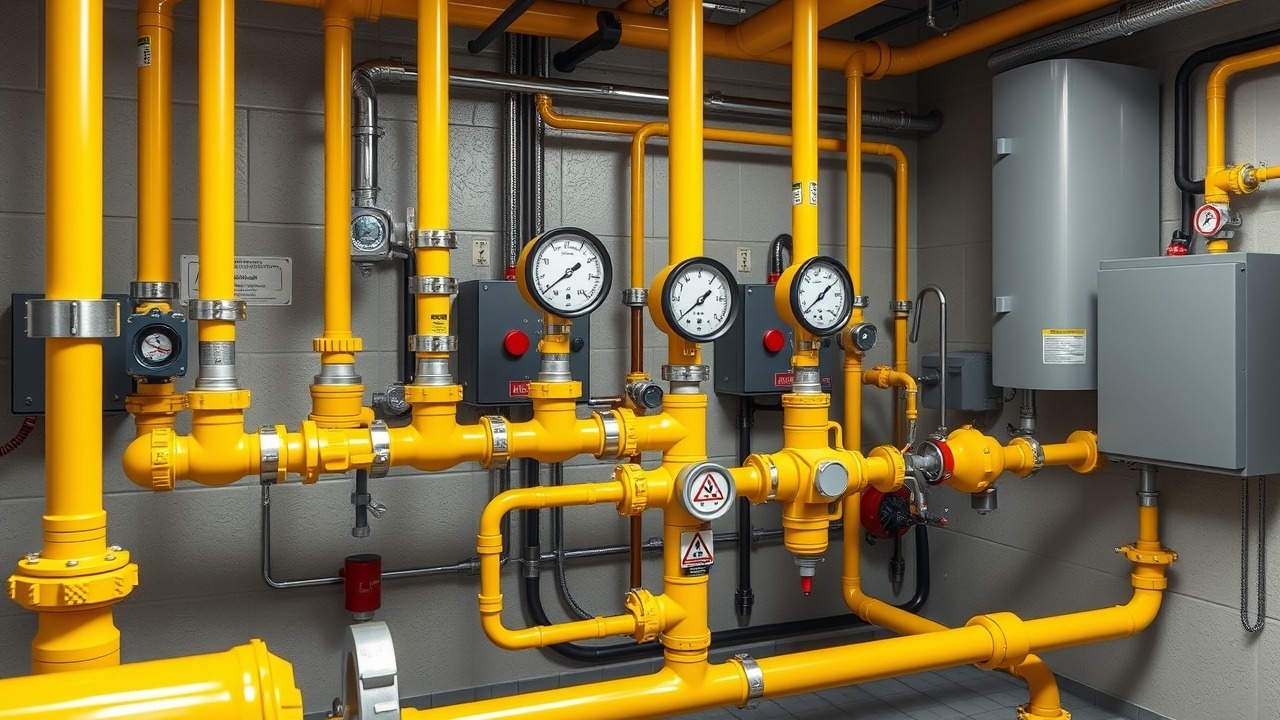
Any F&B unit with a gas connection must have a gas detection system. This includes sensors placed near appliances and the main shut-off valve. These sensors are linked to the fire alarm system and an automatic solenoid valve that cuts off the gas supply if a leak is detected.
2. Centralized vs. Cylinder Gas
In many of Dubai’s master-planned communities, centralized gas systems are available. However, in older buildings, restaurants may need to use LPG cylinders. The storage of these cylinders is strictly regulated; they must be kept in a fire-rated room with proper ventilation and a dedicated gas manifold system. According to the Dubai Civil Defence, all gas piping must be seamless black steel or copper, depending on the specific application and pressure.
Water Supply and Drainage Layouts
Plumbing in a restaurant is significantly more complex than in a standard office. The drainage must be designed to handle high-temperature water (from dishwashers) and high volumes of organic waste.
- 1. Water Filtration: Most F&B units require point-of-entry or point-of-use water filtration to ensure the quality of water used in cooking and beverage preparation meets
- standards.
- 2. Floor Drains: Professional kitchens must have floor gullies and drains with removable gratings to allow for frequent hosing down of the floors.
- 3. Backflow Prevention: To prevent contaminated kitchen water from entering the city’s clean water supply, backflow preventers must be installed on all main water lines.
HVAC and Thermal Comfort
Maintaining a comfortable temperature for diners while managing the immense heat generated in the kitchen is a major challenge. The HVAC system in an F&B unit must be carefully balanced. If the kitchen exhaust removes too much air without a dedicated Fresh Air Handling Unit (FAHU), the restaurant will experience “negative pressure.” This can lead to doors being hard to open, whistling sounds, and odors leaking into the dining area.
The FAHU must be designed to replace the exact amount of air being exhausted (minus a small percentage to maintain a slight negative pressure in the kitchen relative to the dining area). This ensures that kitchen smells do not reach the customers.
A Comparison of F&B Infrastructure Options
Choosing the right systems can impact both your initial capital expenditure (CAPEX) and your ongoing operational expenditure (OPEX).
| Feature | Standard Retail Unit | Shell & Core F&B Unit | Fully Managed Food Court |
|---|---|---|---|
| Power Capacity | Low (10-20 kW) | High (50-150+ kW) | Pre-allocated High Load |
| Exhaust Shaft | None (Requires Exterior Retrofit) | Pre-installed to Roof | Shared Manifold System |
| Grease Management | None | Internal Trap Required | Centralized Grease Trap |
| Approval Difficulty | High (Change of Use required) | Moderate | Low (Pre-approved) |
The Approval Process: From Concept to Completion
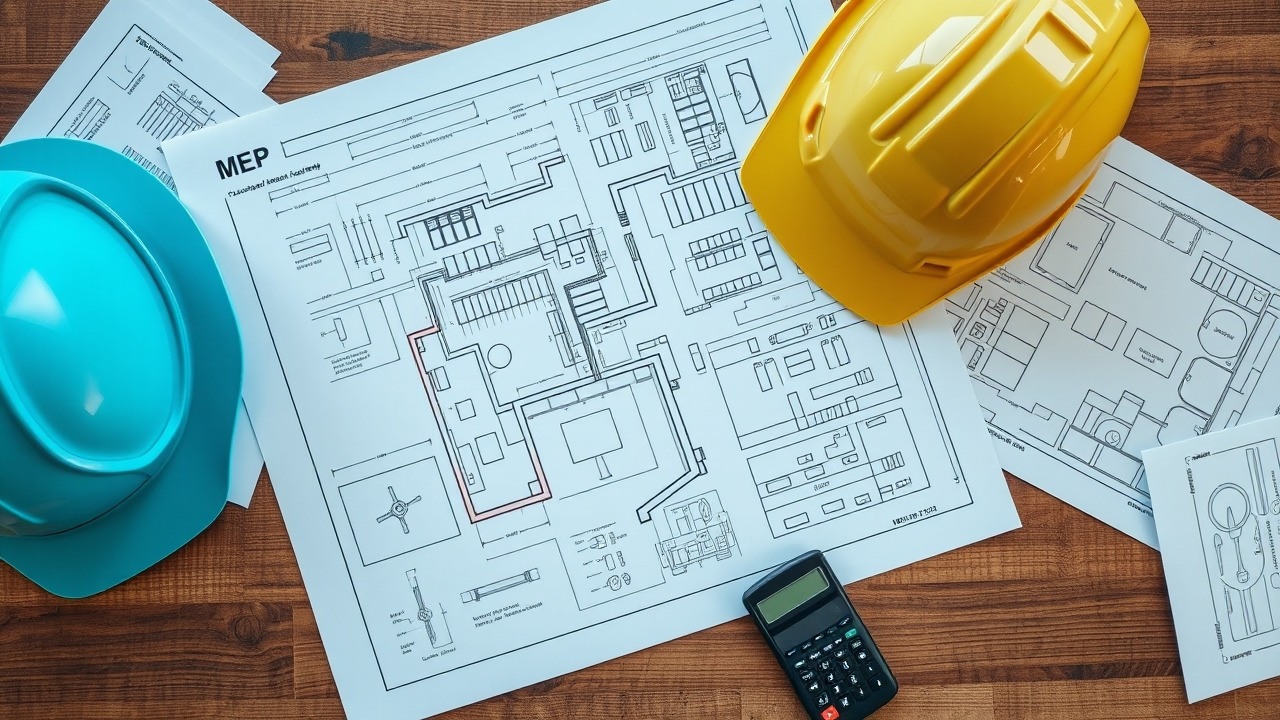
Navigating the approvals for F&B MEP requirements Dubai is a multi-step process that involves several different authorities. The typical workflow includes:
- 1. Concept Design: Creating the MEP layouts based on the kitchen equipment list.
- 2. DM Food Safety Approval: Ensuring the layout complies with hygiene standards (e.g., separate areas for raw and cooked food).
- 3. DEWA Approval: Getting the electrical and water plans approved.
- 4. DCD Approval: Getting the fire fighting, fire alarm, and gas systems approved.
- 5. Fit-out Permit: Once all sub-approvals are in place, a permit is issued to start construction.
- 6. Final Inspection: After construction, each authority must visit the site to verify that the installation matches the approved plans.
Maintenance and Compliance Documentation
Compliance does not end once the restaurant opens. Dubai Municipality requires regular maintenance of MEP systems. Owners must keep a logbook of grease trap cleaning (usually performed by DM-approved waste disposal companies) and ecology unit filter changes. These logs are often checked during surprise inspections by the Food Safety Department.
Frequently Asked Questions
1. Can I open a restaurant in a unit that was previously a retail shop?
Yes, but it requires a “Change of Use” permit from the building’s developer and Dubai Municipality. You will also likely need to upgrade the power supply and install a new exhaust shaft, which can be expensive.
2. How often should a grease trap be cleaned?
This depends on the volume of the kitchen, but typically, passive grease traps should be cleaned every 2 to 4 weeks by a certified service provider.
3. Is an ecology unit mandatory for all restaurants?
If your exhaust discharge is near residential windows or at a low level where odors could disturb the public, an ecology unit is almost always mandatory in Dubai.
4. What is the standard fire suppression system for a commercial kitchen?
The “Ansul” system or a similar wet chemical fire suppression system is the industry standard. It is installed within the kitchen hood and automatically triggers if a fire occurs on the cooking range.
Conclusion
Setting up a food and beverage business in Dubai is a rewarding venture, but it demands meticulous attention to technical detail. By strictly adhering to the F&B MEP requirements Dubai—from the intricacies of grease trap sizing to the sophisticated filtration of ecology units—operators ensure a safe, hygienic, and compliant environment that stands the test of time. Investing in high-quality MEP infrastructure during the fit-out phase not only prevents future legal hurdles but also significantly reduces maintenance costs and operational downtime. In the competitive landscape of Dubai, technical excellence is the true foundation of culinary success.