What Is a “CAT A” vs “CAT B” Fit-Out in Dubai? With Photos and Examples
Understanding the Commercial Real Estate Landscape in Dubai
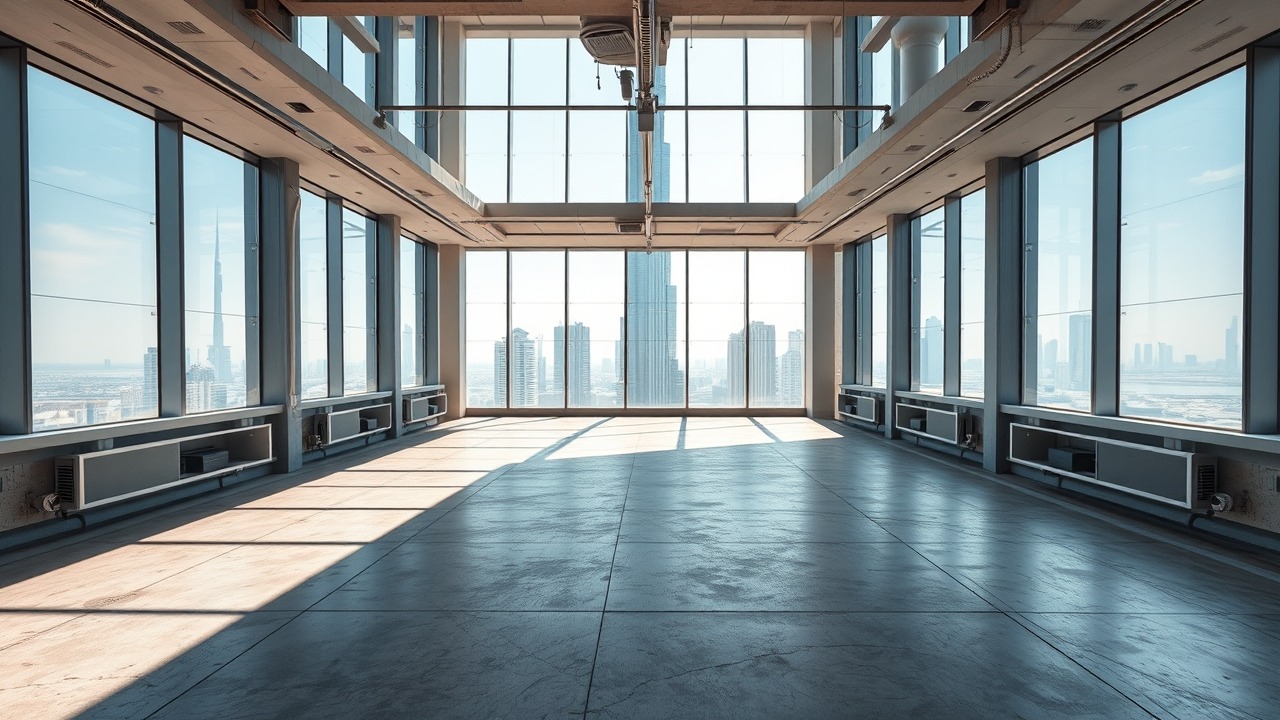
Navigating the commercial property market in Dubai requires a nuanced understanding of how spaces are handed over. Unlike many residential properties that come semi-finished, commercial units in areas like Business Bay, DIFC, and JLT often range from completely raw structures to fully realized corporate headquarters. When browsing for commercial investments or office locations, you might frequently see the terms “Shell and Core,” “CAT A,” and “CAT B.” Each of these categories represents a different stage of the interior construction process, impacting both your initial investment and your move-in timeline.
In the context of the UAE’s rapid growth, selecting the right fit-out level is a strategic financial decision. For those looking at broader market trends, including how commercial and residential sectors intertwine, exploring offplan opportunities can provide insight into upcoming developments and how they might influence future office stock availability. The choice between these levels dictates who is responsible for the costs of installation and maintenance, and it significantly alters the lease negotiation process with Dubai landlords.
What is Shell and Core? The Starting Point
Before diving into the specifics of CAT A and CAT B, we must define the absolute baseline: Shell and Core. This is the most common state for new office handovers in Dubai’s newer skyscrapers. In this state, the building’s outer envelope is finished, but the interior is a blank concrete box. There are no floors, no ceilings, no finished walls, and no internal plumbing or electrical distribution. It is essentially the skeleton of a building.
Tenants who take on a shell and core unit have the ultimate flexibility but face the highest upfront costs. They must manage everything from the initial screeding of the floor to the complex installation of Dubai Civil Defence approved fire systems. This level of customization is ideal for large multinationals that have global brand guidelines to follow and require a bespoke architectural layout from the ground up.
The CAT A Fit-Out: The Developer’s Standard
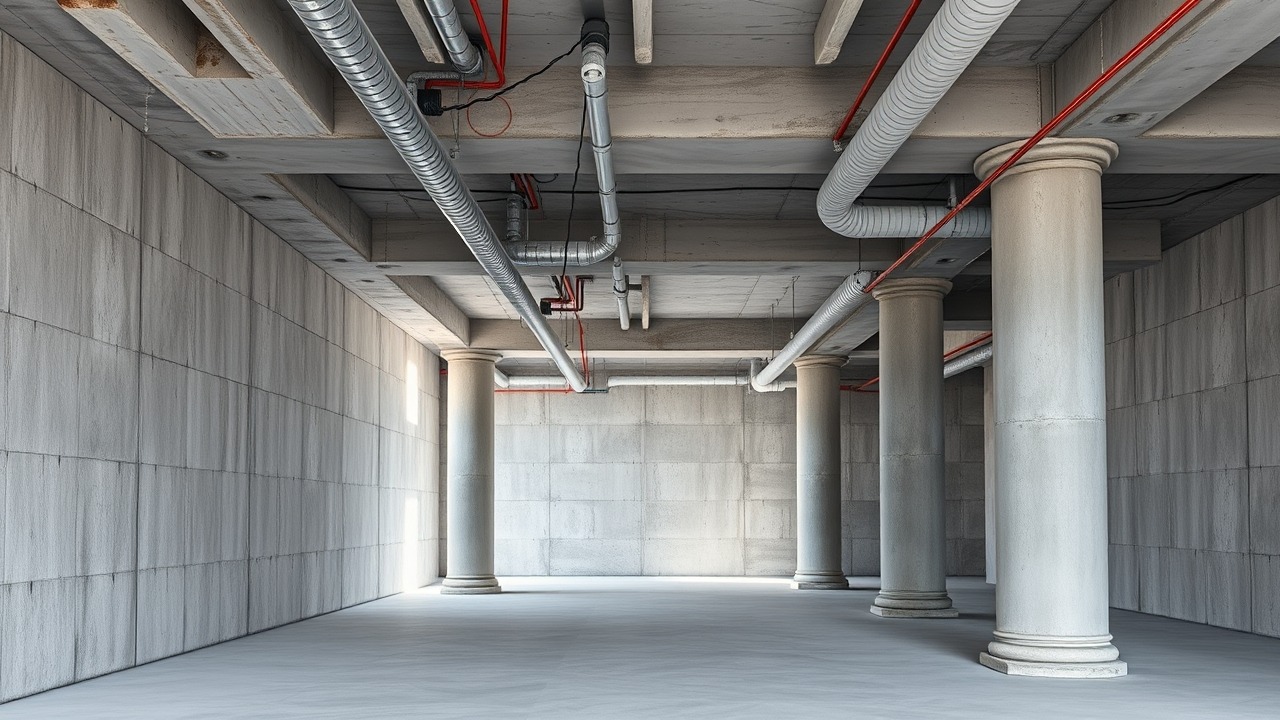
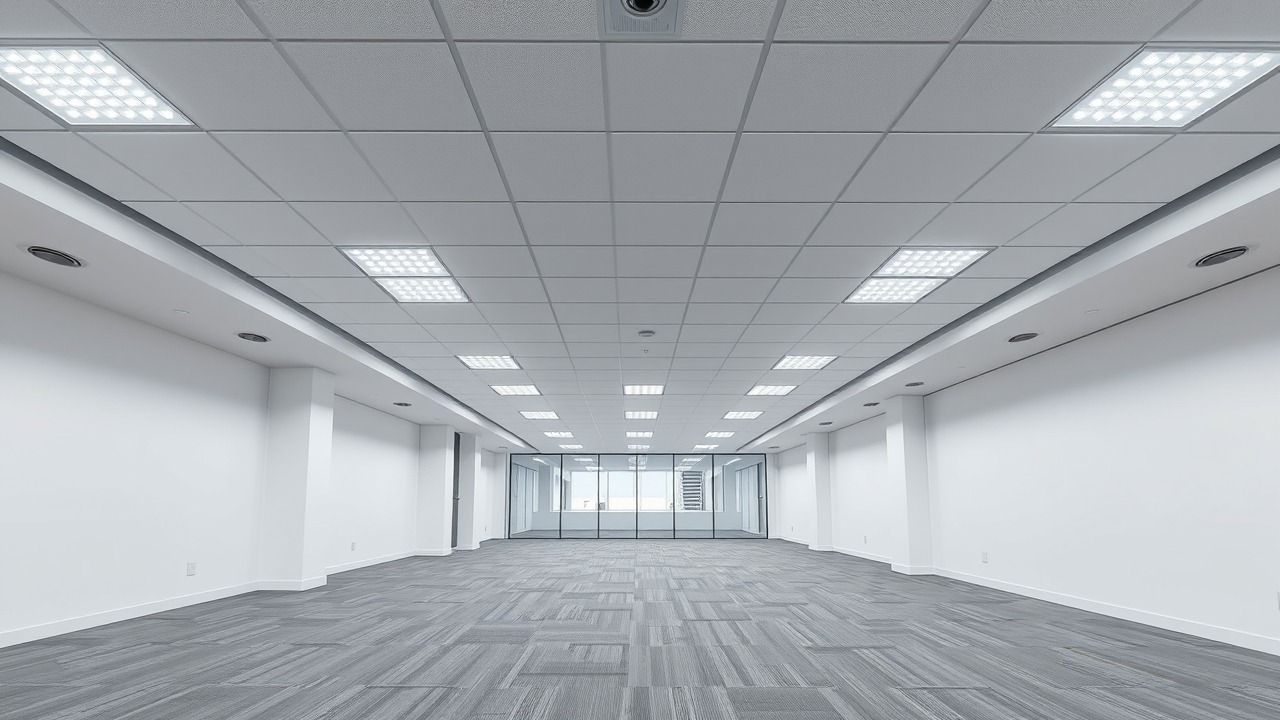
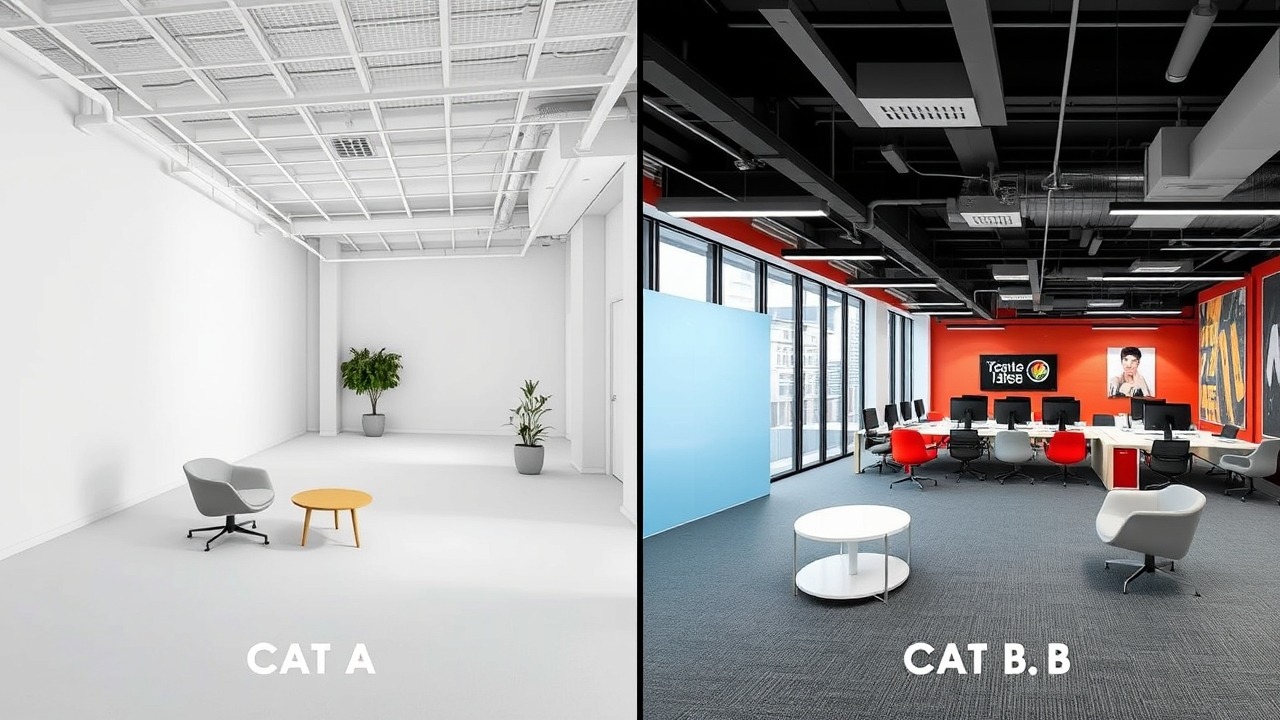
A CAT A fit-out is typically the responsibility of the landlord or the developer. It brings a shell and core space up to a functional, yet basic, standard. It provides a “blank canvas” that is technically operational but not yet aesthetically or practically ready for a business to move its employees into. In the competitive Dubai real estate market, landlords often provide CAT A spaces to make their properties more attractive to potential tenants who want to avoid the heavy lifting of structural MEP (Mechanical, Electrical, and Plumbing) work.
A typical CAT A fit-out in Dubai includes:
- Raised flooring to allow for underfloor cabling and power distribution.
- Suspended ceilings or professionally finished exposed soffits.
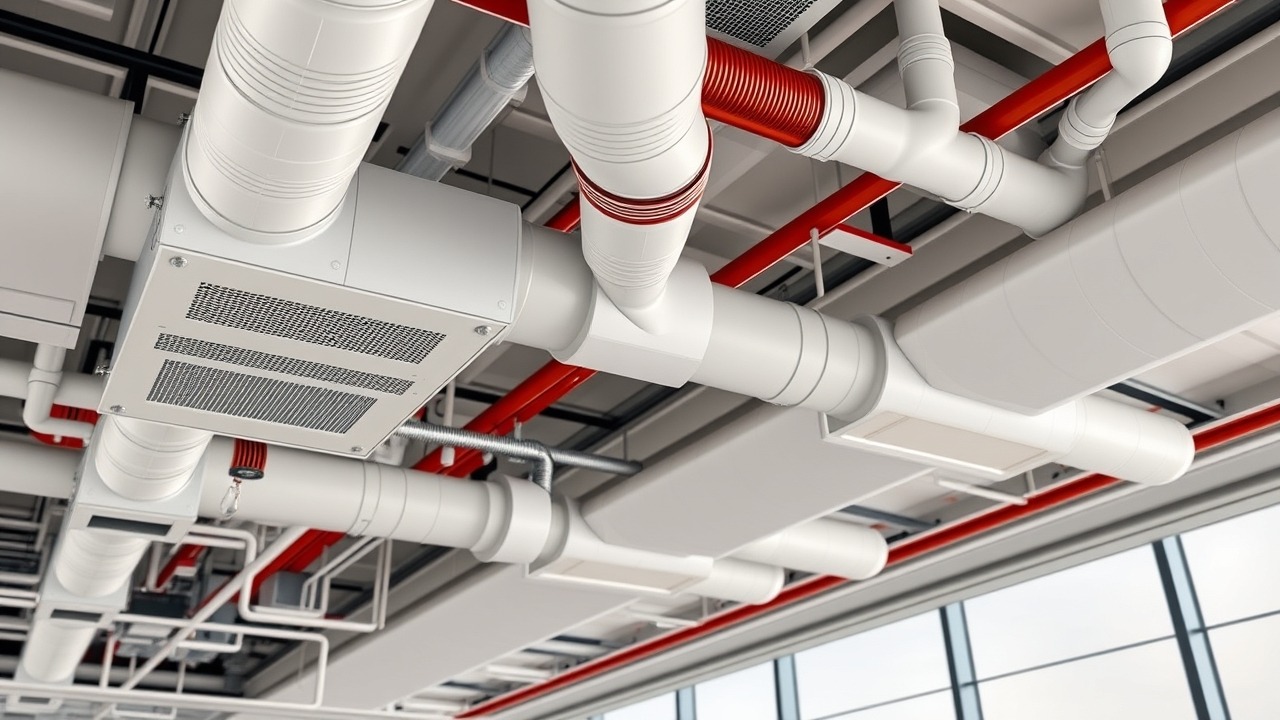
- Basic mechanical and electrical services, including HVAC (Heating, Ventilation, and Air Conditioning) ducting.
- Fire detection and protection systems compliant with the Dubai Civil Defence code.
- Basic lighting fixtures.
- Internal wall finishes (usually plastered and painted white).
- Common areas such as lift lobbies and basic perimeter trunking.
For many businesses, the appeal of a CAT A space is the reduction in lead time. Since the heavy-duty infrastructure like the AC units and the main fire sprinklers are already in place and permitted by the relevant authorities (such as Dubai Municipality or Trakhees), the tenant can focus purely on the aesthetic and functional partitions. If you are looking to secure a space that requires minimal structural intervention, you can contact us to discuss which buildings in the Dubai Freezones currently offer the best CAT A incentives.
The CAT B Fit-Out: Your Brand’s Identity
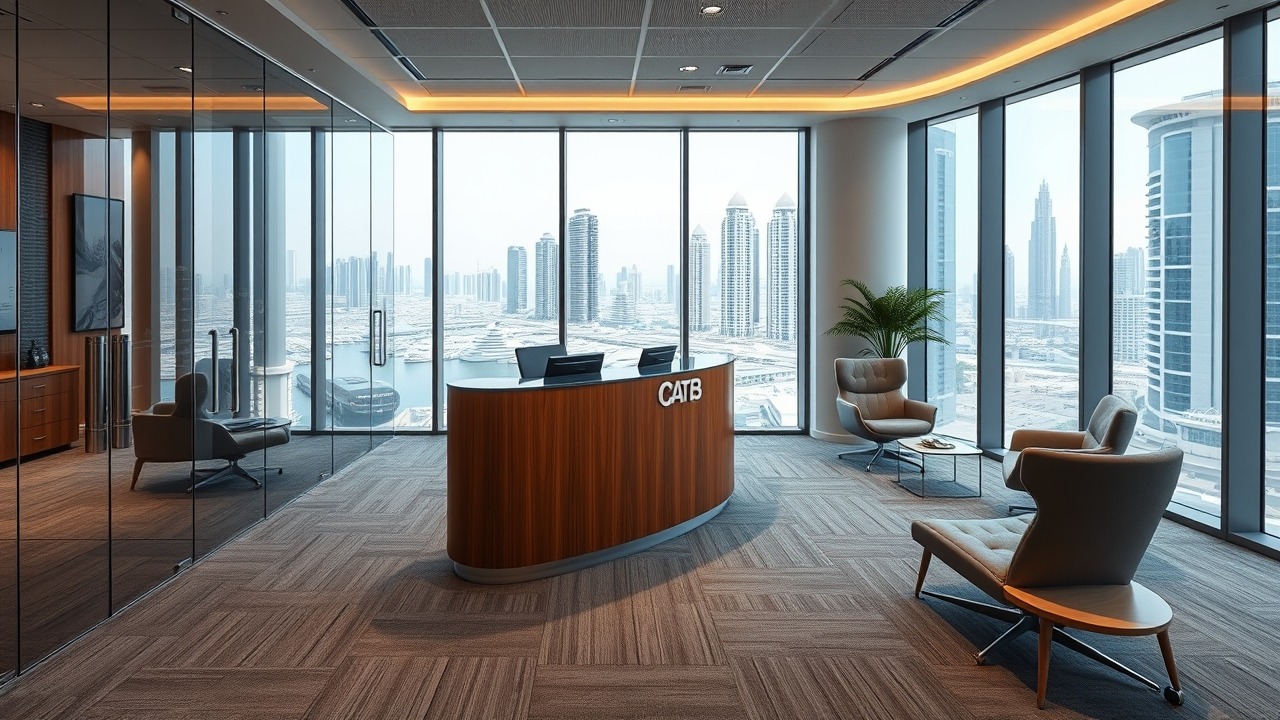
The CAT B fit-out is where the space becomes a home for your company. This phase is entirely tenant-driven and involves transforming the basic CAT A environment into a customized workspace that reflects the company’s culture, workflow, and brand identity. This is the most common type of fit-out work performed by interior contractors in Dubai today.
When you undertake a CAT B project, you are responsible for the “finishing touches” which are often the most complex in terms of design. This includes:
- Installation of partitions to create private offices, meeting rooms, and breakout areas.
- Installation of specialized flooring (carpeting, luxury vinyl tiles, or polished concrete).
- Finalizing the kitchenettes, pantries, and dedicated restrooms if they are within the unit.
- Furniture procurement and installation (workstations, ergonomic chairs, sofas).
- Branding and signage throughout the office.
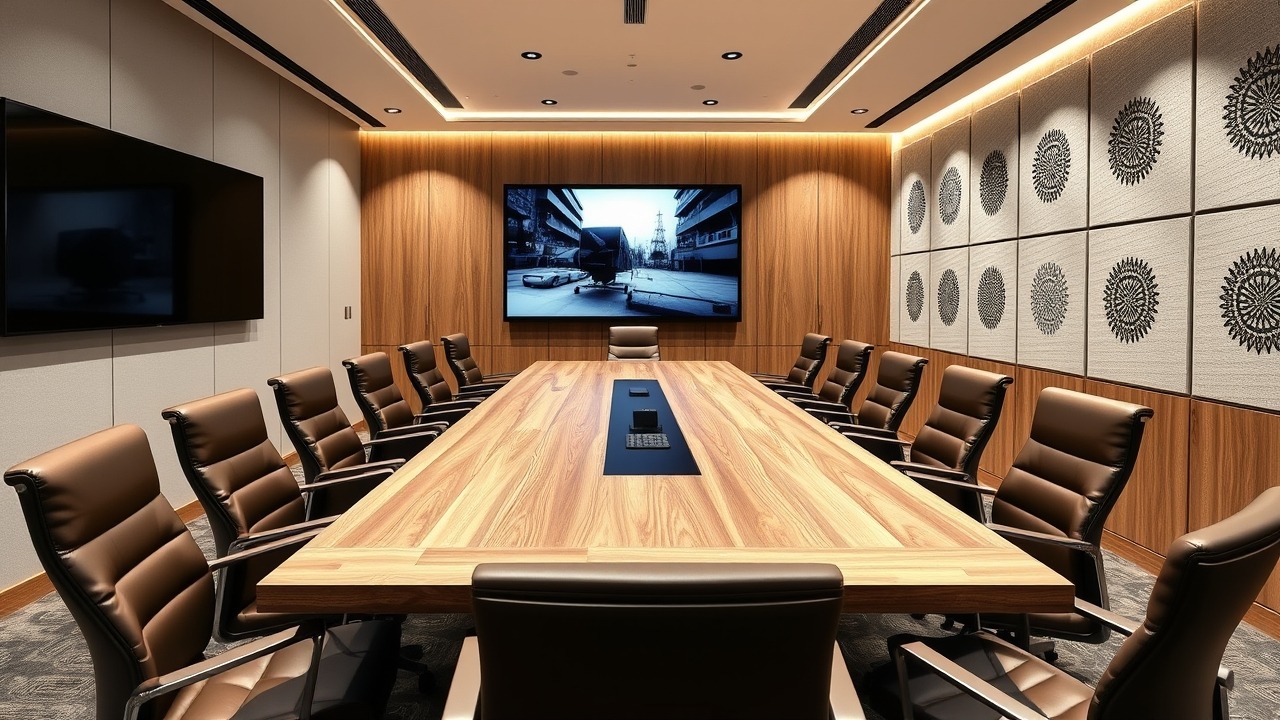
- Specialized lighting and IT infrastructure (servers, data points, and AV equipment for boardrooms).
- Acoustic treatments and decorative wall finishes.
Because CAT B involves specific modifications to the layout, it usually requires a new set of permits. Even if the CAT A had a fire permit, adding walls changes the smoke detector and sprinkler coverage, meaning you will need approval from the building management and often a final inspection from local authorities. This is a critical step in the Dubai fit-out process that many new businesses overlook, potentially leading to fines or delays in obtaining their trade license connection to the premise.
Detailed Comparison Table
To help you visualize the differences and financial implications, the following table breaks down the three primary handover states in the Dubai market.
| Feature | Shell and Core | CAT A Fit-Out | CAT B Fit-Out |
|---|---|---|---|
| Flooring | Raw Concrete | Raised Access Flooring | Carpeting/Vinyl/Finishes |
| Ceilings | Exposed Structure | Suspended Ceiling Grids | Decorative/Acoustic Ceilings |
| MEP / HVAC | Points of Connection Only | Main Ducting & Basic Lighting | Full Distribution to Rooms |
| Partitions | None | None (Open Plan) | Glass/Solid Walls Installed |
| Responsibility | Tenant | Landlord/Developer | Tenant |
| Time to Occupy | 4–8 Months | 2–4 Months | Ready to Move In |
| Permits Required | Full Structural & MEP | Basic Occupancy | Modification & Interior |
Key Considerations for Dubai Tenants
When deciding between a CAT A vs CAT B fit-out, several local factors come into play. Dubai’s regulatory environment is strict, and the climate necessitates high-performance HVAC systems. Here is what you need to consider before signing a lease agreement at the Dubai Land Department.
1. The Reinstatement Clause
In most Dubai commercial leases, there is a “reinstatement clause.” This means that when your lease ends, you may be required to return the office to the state you received it in. If you took the space as CAT A and turned it into a high-end CAT B, you might have to pay to demolish your partitions and remove your custom flooring at the end of five years. Understanding this early can save you significant “exit costs” down the road.
2. DEWA and Cooling Charges
In a CAT A space, the basic AC is installed, but in a CAT B fit-out, you may add server rooms or high-occupancy meeting rooms that require additional cooling. This can impact your monthly DEWA (Dubai Electricity and Water Authority) bills and District Cooling charges (like Empower or Emicool). Always ensure your fit-out contractor conducts a heat load calculation to see if the CAT A infrastructure can handle your CAT B layout.
3. Approvals and NOCs
Dubai is known for its efficiency, but the permit process is multi-layered. For a CAT B fit-out, you will need a No Objection Certificate (NOC) from the building owner, followed by approvals from the relevant Master Developer (e.g., Emaar, Nakheel), and finally the government authority (Dubai Municipality or Trakhees). If you are in a specialized zone like the DIFC, they have their own internal building department with specific aesthetic and safety guidelines.
Estimating Costs: What to Expect in the UAE
The cost of a fit-out varies wildly based on the quality of materials and the complexity of the tech integration. Generally, in Dubai, you can expect the following price ranges:
- CAT A to CAT B: Converting a CAT A space into a functional office typically costs between AED 250 and AED 500 per square foot for a standard finish.
- Shell and Core to CAT B: This full transformation is more expensive, often ranging from AED 450 to AED 900+ per square foot, as it involves the initial MEP and structural work that would usually be in a CAT A.
- High-End Executive Finishes: For luxury offices in the Burj Daman or ICD Brookfield Place, costs can exceed AED 1,200 per square foot due to imported Italian marble, bespoke joinery, and smart-office automation.
It is important to note that these figures usually exclude VAT (5%) and the various administrative fees for permits, which can add another 5–10% to the total project budget. If you are planning a large-scale relocation, consulting with experts early can help you define a realistic budget before you commit to a specific floor plate size.
The Rise of Plug-and-Play Offices
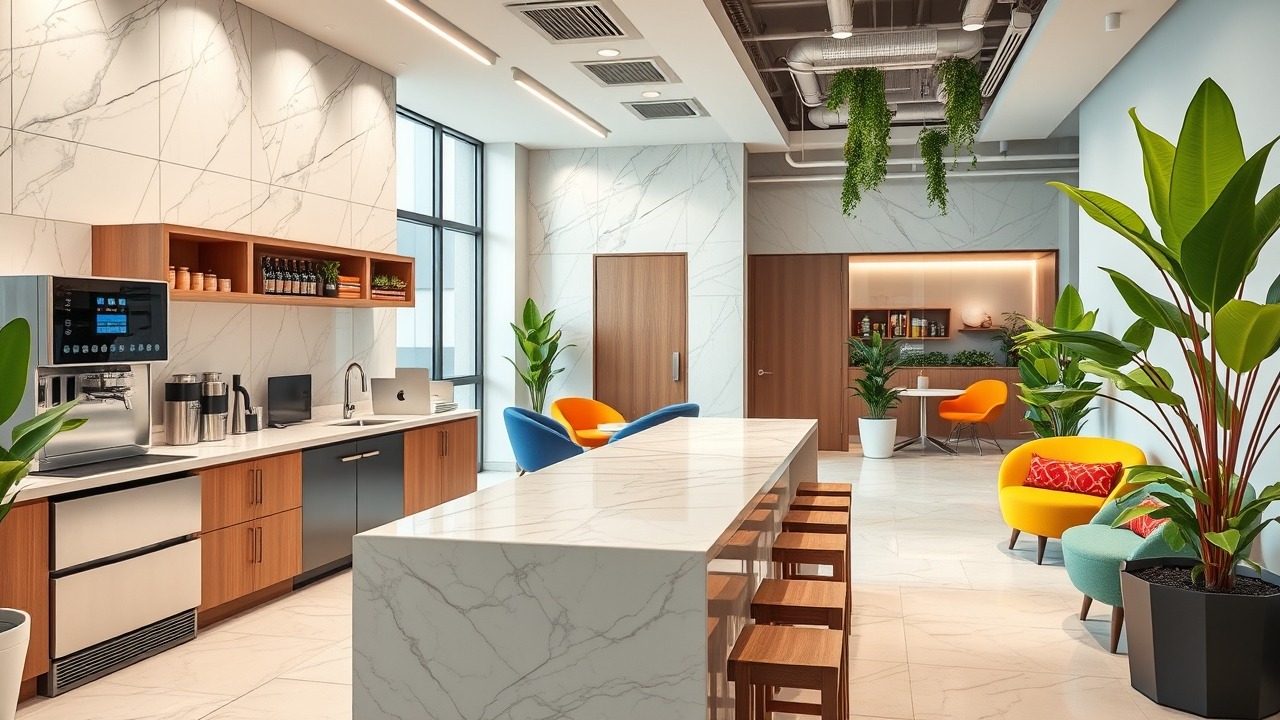
Recently, there has been a shift in the Dubai market toward “Plug-and-Play” offices. These are essentially spaces that a landlord has already fitted out to a CAT B standard. This is highly popular for startups and SMEs who want to avoid the 3-month construction window. While the rent per square foot is higher for these units, the savings on capital expenditure (CAPEX) can be beneficial for cash flow. However, the downside is that you have no control over the layout or the quality of the materials used, which may not align with your corporate branding.
FAQs About Office Fit-Outs in Dubai
Can I do a CAT B fit-out myself?
While you can design it, the actual construction must be carried out by a licensed and insured fit-out contractor registered in Dubai. They must have the correct trade license activity and be approved by the building management where your office is located.
How long does the average fit-out take?
A standard CAT B fit-out for a 2,000 sq. ft. office usually takes 8 to 12 weeks. This includes the time for design, permit approvals (which can take 2-4 weeks), and the actual construction phase.
Is CAT A sufficient for a temporary office?
Technically, no. A CAT A space lacks the privacy and specialized electrical outlets needed for a modern office. You would at least need a “Soft CAT B” which includes basic furniture and data cabling to be operational.
What is CAT A+?
CAT A+ is a relatively new term in the industry. It is a middle ground where the landlord provides a CAT A space but also includes some CAT B elements like basic partitioning and a kitchen, but leaves the final branding and furniture to the tenant. It is designed to bridge the gap between a raw space and a turnkey solution.
Conclusion
Choosing between a CAT A and a CAT B fit-out is more than just a matter of interior design; it is a fundamental business decision that affects your company’s agility, financial health, and employee satisfaction. By understanding the technical requirements of the Dubai market—from Civil Defence approvals to the intricacies of MEP distribution—you can navigate your commercial lease with confidence. Whether you are looking for a raw shell to build your dream headquarters or a streamlined CAT A space that allows for rapid customization, the key is to work with experienced professionals who understand the local landscape. For expert guidance on your next commercial property venture or to explore available units that fit these criteria, reach out to our team today.