
ROI by Property Type 2026: Studios vs 1BR vs 2BR
The Real Estate Landscape Heading Into 2026
As we approach 2026, the global real estate market is undergoing a significant transformation. Driven by demographic shifts, technological integration, and changing labor dynamics, the traditional metrics of property investment are being rewritten. Understanding the nuances of ROI by Property Type 2026 is no longer just about location; it is about the specific utility of the space and how it meets the needs of a more mobile, digital-savvy population. High-density urban centers continue to attract young professionals, while suburban hubs are evolving into self-sustained mini-cities that require a mix of residential formats.
In this environment, investors must look beyond simple surface-level data. The distinction between gross and net ROI becomes critical when factoring in rising service charges, property management fees, and the impact of smart home technology on maintenance costs. To navigate this successfully, one must evaluate the individual performance of studios, 1BRs, and 2BRs through a lens of 2026 market realities.

Studio Apartments: The High-Yield Powerhouses
Studio apartments have long been the darling of the rental-focused investor. By 2026, their dominance in the high-yield category is expected to remain firm, primarily due to their lower entry price point and the rising cost of urban living. As more people move to metropolitan hubs, the demand for affordable, individual living spaces continues to outpace supply.
The Solo Professional Demographic
The primary driver for studio demand is the solo professional. With the average age of marriage increasing and the “digital nomad” lifestyle becoming a corporate standard, the need for compact, efficient housing is at an all-time high. In 2026, we anticipate that studios located near transit hubs or co-working districts will command premium rental rates relative to their square footage.
Short-Term Rental Potential
Another factor boosting ROI by Property Type 2026 for studios is the short-term rental market. Platforms like Airbnb and specialized corporate housing providers favor studios for their turnover efficiency and appeal to solo travelers. Investors who pivot their studio units toward the “aparthotel” model often see net yields that are 2-3% higher than traditional long-term leases, provided the property is in a high-demand tourism or business zone.
1. Lower initial capital requirement.
2. Higher liquidity in the secondary market.
3. Maximized rental yield per square foot.
4. Lower maintenance complexity due to smaller size.
One-Bedroom Apartments: The Balanced Performers
If studios represent high yield and high turnover, one-bedroom (1BR) apartments represent the “Goldilocks” zone of real estate investment. By 2026, 1BR units are projected to be the most resilient asset class, appealing to both high-earning individuals and young couples. This versatility ensures that vacancy rates remain lower compared to other property types.

Broad Tenant Appeal
A 1BR apartment offers a level of privacy that studios lack, making them suitable for long-term tenants. In the 2026 market, where “home offices” are no longer optional, many 1BR layouts are being redesigned to include study nooks or flexible partitions. This makes them highly attractive to the hybrid workforce, which remains a permanent fixture of the global economy according to Forbes reports on future work trends.
Capital Appreciation and Stability
While the yield might be slightly lower than a studio, the capital appreciation for 1BR units tends to be more consistent. They are less sensitive to minor market fluctuations and are often the first choice for first-time homebuyers looking to exit the rental market. This dual-purpose nature—high rental demand and high resale demand—secures their place as a pillar of a balanced portfolio.
1. Higher tenant retention rates (longer leases).
2. Significant potential for capital growth.
3. Ideal for the growing “power couple” demographic.
4. Strong resale value to end-users.
Two-Bedroom Apartments: The Long-Term Capital Gains Play
For investors focused on the 2026 horizon, two-bedroom (2BR) apartments offer a strategic play focused on family demographics and long-term equity. While the initial investment is higher, the ROI by Property Type 2026 for 2BRs is increasingly driven by a shortage of quality family housing in urban centers.

The Rise of Urban Families
A significant trend leading into 2026 is the “stay-in-the-city” family movement. Modern parents are increasingly choosing to raise children in urban environments to stay close to work and cultural amenities. This shift has created a supply gap for 2BR units that feature child-friendly amenities, such as proximity to parks, schools, and secure play areas. Consequently, 2BR apartments in prime family zones are seeing some of the highest capital gains in the residential sector.
Roommate Dynamics and Affordability
Interestingly, 2BR units also serve a segment of the market that uses “house-hacking” or roommate arrangements to manage rising rent costs. By sharing a 2BR, two professionals can often afford a higher standard of living than they would in separate studios. This shared-demand model provides a safety net for investors, as the unit remains affordable to a larger pool of potential residents despite high nominal rent prices.
1. Lower tenant turnover (2-3 year average stays).
2. Highest potential for significant capital appreciation.
3. Attracts high-quality tenants (families and established professionals).
4. Scarcity in premium locations creates upward pressure on prices.
Comparative Analysis of Rental Yields and Growth
To truly understand ROI by Property Type 2026, we must look at the data side-by-side. While local market conditions (such as tax laws or local supply) vary, the general global trend shows a distinct hierarchy of performance metrics. Investors should consider their personal risk tolerance and cash flow requirements when choosing between these three types.

| Metric | Studio | 1-Bedroom | 2-Bedroom |
|---|---|---|---|
| Average Rental Yield | 7.5% – 9% | 6.0% – 7.5% | 5.0% – 6.5% |
| Capital Appreciation Potential | Moderate | High | Very High |
| Tenant Turnover Frequency | High (12 months) | Moderate (18-24 months) | Low (24-36 months) |
| Primary Investor Goal | Monthly Cash Flow | Balanced Growth | Equity Building |
The Strategic Advantage of Off-Plan Investments
One of the most effective ways to maximize ROI by Property Type 2026 is to enter the market early. Purchasing off-plan properties allows investors to lock in current prices for assets that will not be completed until 2026 or later. This “time-arbitrage” strategy often results in immediate equity gain upon handover, as the market price usually appreciates during the construction phase.
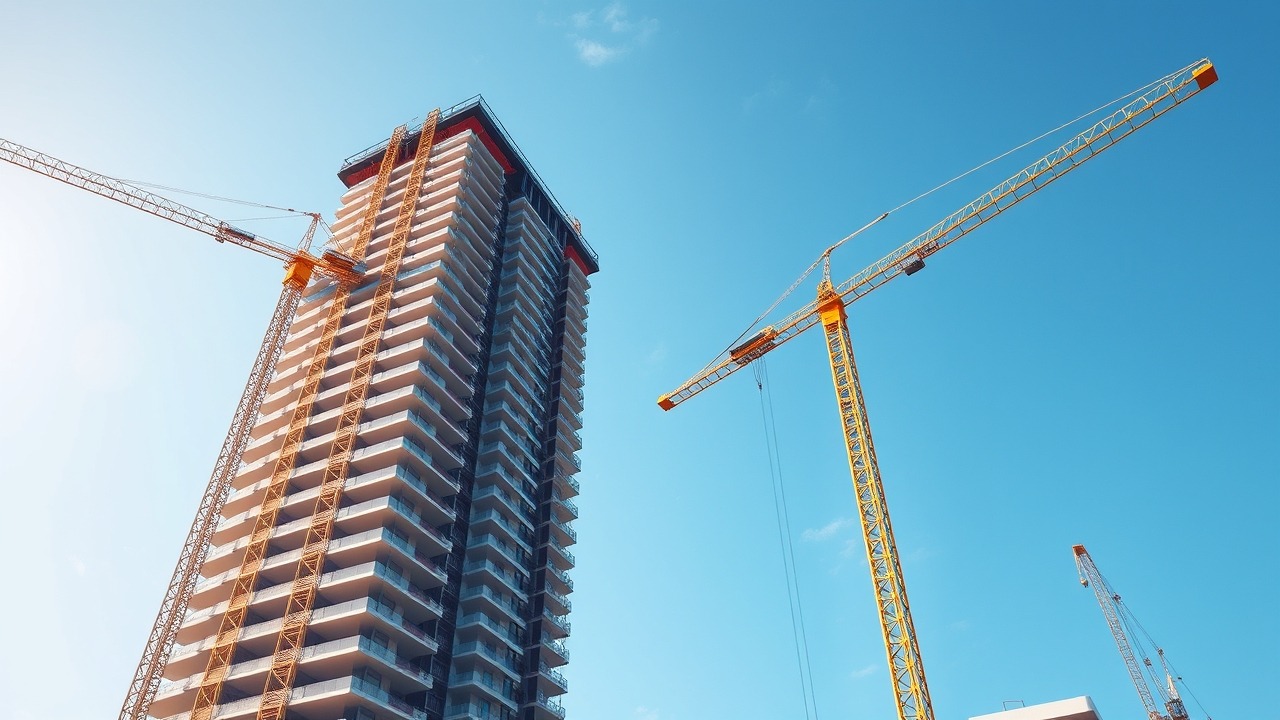
By selecting an off-plan unit, investors also benefit from modern building standards. Properties completing in 2026 will be equipped with the latest energy-efficient technologies and smart-home integrations, which are becoming mandatory for high-tier tenants. These features not only reduce operating costs but also protect the property against future regulatory changes regarding carbon footprints and energy ratings—a major concern for real estate value in the coming decade.
Factors Influencing ROI in 2026
Multiple macroeconomic and local factors will dictate the final ROI by Property Type 2026. According to data from the Dubai Land Department and similar global regulatory bodies, transparency and infrastructure remain the two largest drivers of value. When evaluating a potential investment, consider the following environmental factors:
1. **Infrastructure Projects**: Proximity to new metro lines or major highway upgrades can increase property value by up to 20% by the time of completion in 2026.
2. **Economic Policy**: Tax incentives for foreign investors and long-term residency visas continue to bolster demand for high-end residential units.
3. **Interest Rates**: While 2024 saw fluctuating rates, the 2026 forecast suggests a stabilization that will make mortgage-backed investments more attractive for 2BR family units.
4. **Supply Chain Maturity**: The cost of building materials impacts the price of new inventory. Areas with mature supply chains often offer more stable entry prices for investors.
Technology and the Future of Property Management
The role of technology in maintaining ROI by Property Type 2026 cannot be overstated. We are seeing a shift where property management is becoming automated and data-driven. For studio owners, this means lower overheads for managing high-turnover rentals. For 2BR owners, it means better predictive maintenance that preserves the asset’s long-term value.

PropTech (Property Technology) platforms now allow investors to track their yields in real-time, manage tenant requests via mobile apps, and even utilize AI to optimize rental pricing based on current market demand. This level of control ensures that investors can react quickly to market shifts, protecting their ROI from the effects of temporary oversupply or local economic dips.
How to Select Your Investment Based on 2026 Goals
Choosing the right property type requires a clear alignment with your financial objectives. If you are looking for immediate income to cover lifestyle expenses or further investments, studios are the logical choice. However, if you are looking to park capital and watch it grow over a decade, a 2BR apartment in a developing residential hub might be more appropriate. Many successful investors choose a “ladder” strategy, starting with studios for cash flow and gradually diversifying into 1BR and 2BR units for stability.
For those unsure of where to start, it is highly recommended to contact us for a personalized consultation. Expert guidance can help identify upcoming neighborhoods that are poised for the highest growth in the ROI by Property Type 2026 rankings, ensuring your capital is deployed where it has the most impact.

Market Risks and Mitigation Strategies
No investment is without risk. For 2026, the primary concerns involve potential oversupply in the studio segment and the impact of global inflation on service charges. To mitigate these risks, investors should focus on “flight to quality.” This means choosing properties from reputable developers with a history of high-quality finishes and well-managed facilities. A well-maintained building in a prime location will always outperform a mediocre property, even in a down-market.
1. Diversify across different property types to spread risk.
2. Prioritize locations with limited land for new development (scarcity value).
3. Maintain a liquid reserve to cover potential vacancy periods.
4. Stay informed on local zoning and rental law changes.
Frequently Asked Questions
Which property type has the highest rental yield in 2026?
Generally, studio apartments are expected to offer the highest gross rental yields in 2026, often ranging between 7% and 9%. Their lower purchase price relative to the rent they command makes them the most efficient cash-flow generators in urban environments.
Is a 1BR better than a 2BR for capital appreciation?
While 1BR units offer excellent growth, 2BR units often see higher capital appreciation in family-oriented districts. The scarcity of larger units in central locations tends to drive prices up faster for 2BRs over a 5-to-10-year period.
How does off-plan buying affect ROI?
Buying off-plan can significantly enhance your ROI by Property Type 2026 because you typically purchase the property at a discount compared to the ready-market price. As the building nears completion, the value increases, providing an immediate equity boost upon handover.
Are service charges higher for studios or 2BR apartments?
Service charges are usually calculated per square foot. Therefore, while the total cost is higher for a 2BR, the cost relative to the rental income can sometimes be more favorable for larger units depending on the building’s amenities and management efficiency.
Final Verdict on ROI by Property Type 2026
The most successful real estate strategies for 2026 will be those that prioritize specific utility over general speculation. Studios remain the king of cash flow, 1-bedroom apartments offer the most balanced risk-to-reward ratio, and 2-bedroom units are the premier choice for those seeking long-term equity growth and family-tenant stability. By understanding these dynamics and utilizing tools like off-plan acquisitions and professional management, investors can secure a robust financial future in an ever-changing global market. Selecting the right property today is the foundation for achieving the best ROI by Property Type 2026.