
Off Plan vs Ready Properties in Dubai: Which Is the Better Investment in 2026?
The Real Estate Evolution: Dubai 2026 and Beyond
As we approach 2026, the Dubai property market continues to defy global economic trends, sustained by a combination of proactive government policies, a burgeoning population, and massive infrastructure developments. The economy of Dubai has diversified significantly, moving beyond oil to become a global hub for technology, tourism, and logistics. This evolution has created two distinct paths for investors: the secondary (ready) market and the primary (off-plan) market.
The year 2026 marks a significant milestone in the Dubai 2040 Urban Master Plan. Many of the ambitious projects launched in the early 2020s are either nearing completion or reaching a critical mass of occupancy. This creates a fascinating dynamic where the price gap between newly finished projects and upcoming off-plan launches is scrutinized more than ever before. Investors are no longer just looking for a roof over their heads; they are looking for sustainable, tech-integrated, and community-centric living spaces.
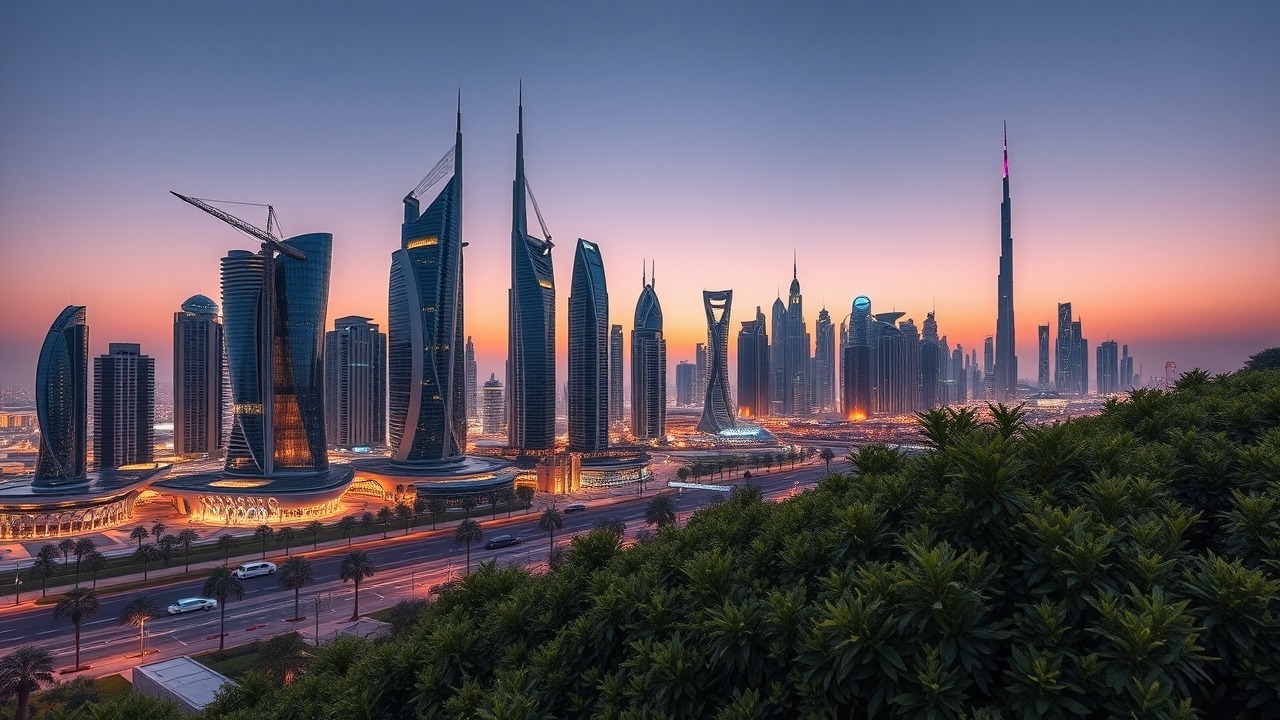
Understanding the 2026 Market Sentiment
By 2026, the demand for high-quality residential units is expected to remain high, driven by the continuous influx of high-net-worth individuals and a growing middle-class workforce. The distinction between off plan vs ready properties has become more nuanced. It is no longer a simple question of price; it is about risk tolerance, time horizons, and the lifestyle amenities that modern tenants demand.
The Case for Off-Plan Investments in 2026
Off-plan properties remain the darling of the Dubai investment scene for several compelling reasons. When you buy off-plan, you are essentially purchasing a future asset at today’s prices, often with the benefit of the developer’s promotional offers and structured payment schedules.
1. Capital Appreciation Potential
The primary driver for off-plan investment is capital gains. Investors who entered projects like Sequoia at Masaar during the early phases often see double-digit appreciation by the time the keys are handed over. In the 2026 context, as new districts expand, the first-mover advantage remains a potent strategy. As infrastructure like the Dubai Metro expansion reaches new areas, properties under construction in those vicinity see their value skyrocket before they are even finished.
2. Flexible Payment Plans
One of the most attractive features of the off-plan market is the ease of entry. Developers offer post-handover payment plans that allow investors to pay a percentage during construction and the remainder over several years after completion. Projects such as The Boulevard at Aljada have historically offered competitive structures that lower the barrier to entry for younger investors or those looking to diversify their portfolios without huge upfront capital.

3. Modern Standards and Technology
A property designed in 2024 and completed in 2026 or 2027 will inherently feature more advanced smart-home technology, better energy efficiency, and more contemporary aesthetic designs than a building finished ten years ago. This makes them highly attractive to the modern tenant. For instance, the integrated living experience in Nesba 2 showcases how new developments are prioritizing wellness and connectivity, which are key selling points in the 2026 rental market.
The Case for Ready Properties in 2026
While off-plan holds the allure of future profits, ready properties offer the security of the “here and now.” For an investor looking for immediate stability, the secondary market is often the preferred choice.
1. Immediate Rental Income
The most obvious advantage of a ready property is that it can be tenanted immediately. In a city where rental yields can range from 6% to 9% in prime areas, waiting three years for construction can mean missing out on significant cash flow. If you purchase a finished unit in a mature community, you can start seeing a return on your investment within weeks of the transaction. According to data from the Dubai Land Department, ready properties consistently provide a safety net during periods of market volatility.
2. Tangibility and “What You See Is What You Get”
When buying off-plan, there is always a slight risk that the final product might differ from the glossy brochures. With ready properties, you can walk through the rooms, check the view from the balcony, and inspect the quality of the finishing. You can also assess the management of the building and the state of the communal facilities. This transparency significantly reduces the psychological stress associated with large-scale investments.
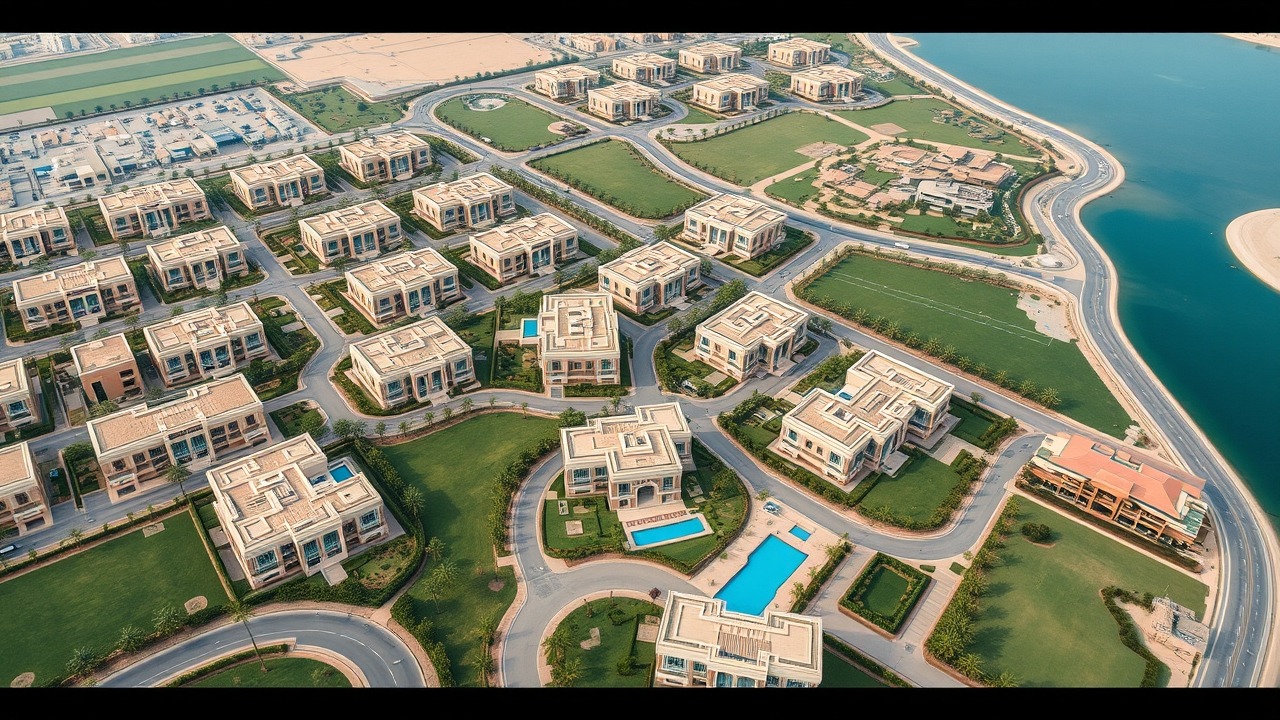
3. Mortgage Accessibility
For many residents, financing is the only way to enter the property market. While banks do offer mortgages for off-plan properties, the requirements are often stricter and the loan-to-value (LTV) ratios are lower. For ready properties, getting a mortgage is generally more straightforward, with many banks offering up to 80% financing for first-time buyers. This accessibility makes ready homes the cornerstone of the end-user market in 2026.
Comparative Analysis: Off-Plan vs. Ready-to-Move
To help you decide, let us look at a direct comparison of the two investment types based on the 2026 market projections.
| Feature | Off-Plan Properties | Ready Properties |
|---|---|---|
| Upfront Cost | Low (typically 5-10% booking fee) | High (20-25% down payment + fees) |
| Payment Structure | Installments over 3-5 years | Lump sum or mortgage |
| Capital Gains | High potential (pre-completion surge) | Steady, market-driven growth |
| Rental Yield | Zero until completion | Immediate (5-9% annually) |
| Risk Factor | Construction delays, market shifts | Maintenance, older infrastructure |
| Target Audience | Long-term investors, speculators | End-users, immediate yield seekers |
Top Investment Hotspots for 2026
Location remains the golden rule of real estate. In 2026, we are seeing a shift from the traditional hubs like Downtown and Dubai Marina toward master-planned communities that offer more space and green living.
1. Masaar: The Forest Master Community
Masaar has become one of the most sought-after addresses for those seeking a balance between nature and urbanity. The focus on wellness and outdoor living has made projects like Kaya at Masaar a benchmark for family-oriented investment. The appreciation in Masaar is driven by its unique USP—thousands of trees and a woodland setting that is rare in the UAE. Investors looking at Coral at Masaar are betting on the premium value of luxury villas in a secluded, green environment.
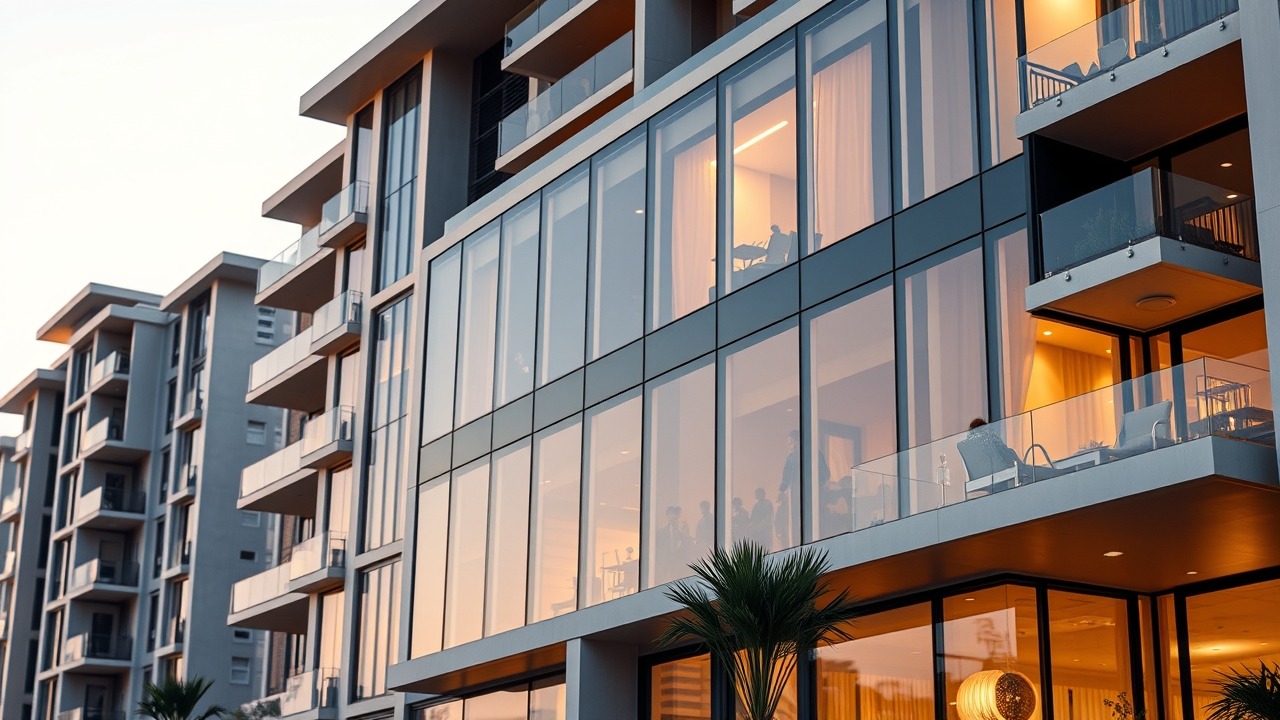
2. Aljada: The Heart of New Sharjah
Technically located in Sharjah but serving the wider Dubai-Sharjah-Ajman metropolitan area, Aljada is a massive project that is redefining the region. The inclusion of the Rove Home Aljada brings a branded residence feel to a community that is already buzzing with life. For investors, the diversity of stock—from the tranquil Sokoon to the lifestyle-centric Nasaq—means there is something for every budget level.
3. Luxury and Branded Residences
The 2026 market is also seeing a surge in branded residences. These properties often hold their value better than unbranded ones. The Akala Hotel Residences offer a unique blend of hospitality services and residential living, appealing to the growing number of “digital nomads” and high-level executives moving to the UAE. Similarly, Jouri Hills provides a level of luxury that caters specifically to the elite segment of the market.

Navigating the Legal and Economic Landscape
Investment in 2026 is underpinned by a more mature legal framework than in previous decades. The UAE government has introduced several initiatives to protect investors in both off plan vs ready properties.
1. Escrow Accounts and RERA
All off-plan investments are now strictly regulated by the Real Estate Regulatory Agency (RERA). Developer payments are held in escrow accounts, meaning funds are only released as construction milestones are met. This has significantly reduced the risk of project abandonment, which was a concern in the early 2000s. Information on these protections can be found on the official UAE government portal.
2. The Golden Visa Impact
The expansion of the Golden Visa program has been a game-changer for the ready property market. By 2026, the 10-year residency for property owners has encouraged many expatriates to stop renting and start buying. This shift from a transient population to a settled one provides a stable floor for property prices, as fewer people are looking to sell in a hurry.
3. Business Integration
For many international investors, property is just one part of their UAE footprint. Often, the decision to buy is linked to setting up a business. Understanding the nuances of Free Zone vs Mainland locations is crucial for those who want their home to be close to their corporate headquarters. This synergy between residency, business, and real estate is what makes the Dubai ecosystem so resilient.

Risk Mitigation Strategies for 2026
No investment is without risk. Whether you choose off plan vs ready properties, you must conduct due diligence.
- Research the Developer’s Track Record: Only invest with developers who have a history of timely delivery. Arada, for example, has consistently delivered phases in Aljada like The Gate 3 and The Gate 5, building trust with the community.
- Analyze the Location’s Future: Look at the Bloomberg financial reports and local news to see where infrastructure is being built. A property in a developing area might be cheaper today, but if there is no metro or road access planned, its growth will be limited.
- Understand the Service Charges: In ready properties, service charges can eat into your ROI. Always check the historical maintenance costs of the building before signing a contract.
- Factor in the Exit Strategy: How easy will it be to sell this property in five years? Studio apartments like those in Solo are generally easier to liquidate than large, bespoke mansions.
- Watch the Interest Rates: While the UAE dirham is pegged to the dollar, local mortgage rates follow global trends. Stay informed through sources like the World Bank to understand the cost of borrowing in 2026.
Yield Projections: What to Expect
In 2026, the rental market is expected to remain robust. With the population projected to grow toward the 5.8 million mark by 2040, the demand for housing is constant. For ready properties in high-demand areas, net yields (after all expenses) are likely to hover around 5-7%. For off-plan properties, the real “yield” comes from the capital gain, which can be 20-30% over the construction period if the timing is right.
For instance, an investor buying into Nesba 3 during the launch phase in 2024 might see a property value increase that far exceeds the rental income they would have earned from a ready unit in the same period. This is the classic trade-off: immediate income versus a larger, deferred profit.

The Role of Sustainability in 2026 Real Estate
Sustainability has moved from a buzzword to a financial necessity. In 2026, properties that lack green credentials will likely face higher vacancy rates and lower resale values. Tenants are increasingly looking for homes that offer lower utility bills and a healthier environment. Developers who have integrated these concepts early on—such as the solar-ready homes in Masaar—will likely see their properties outperform the market average.
Investors should look for developments that prioritize:
- Waste management systems.
- Smart irrigation and landscaping.
- Energy-efficient cooling systems (District Cooling).
- Proximity to public transport to reduce carbon footprints.
FAQ Section
Is it better to buy off-plan or ready property in Dubai right now?
It depends on your goal. If you want immediate rental income or a home to live in today, ready property is better. If you want to maximize capital growth and benefit from lower entry prices and payment plans, off-plan is the superior choice for 2026.
What are the risks of off-plan properties?
The main risks include construction delays and the potential for the market to dip before the project is finished. However, with modern RERA regulations and escrow accounts, the risk of losing your principal investment is significantly minimized.
Can foreigners buy property in Dubai?
Yes, foreigners can buy property in designated “freehold” areas. These areas allow 100% ownership and the right to sell, lease, or rent the property. This policy has been a pillar of the Khaleej Times real estate reporting for years, highlighting Dubai’s openness to international capital.
What are the costs associated with buying ready property?
Buying ready property involves a 4% DLD fee, a 2% real estate agency fee, and various mortgage and trustee fees. Total closing costs usually amount to approximately 7-8% of the purchase price.
Conclusion
The debate between off plan vs ready properties in Dubai for 2026 does not have a single winner; rather, it has a right answer for every specific type of investor. If you are a long-term strategist looking to build wealth through appreciation, the off-plan market with its innovative projects like those in Aljada and Masaar remains incredibly lucrative. Conversely, if you are seeking the safety of an immediate asset and monthly cash flow, the secondary market offers unmatched stability in one of the world’s most dynamic cities. By diversifying your approach and understanding the fundamental shifts in the 2026 landscape, you can secure a real estate portfolio that thrives regardless of market cycles. Ultimately, the strength of the Dubai market lies in its ability to offer high-quality options across both sectors, ensuring that every investor can find a path to success in the heart of the Middle East.