
Tilal Al Ghaf: Why Demand is Outstripping Supply in 2026
Tilal Al Ghaf’s demand surge in 2026 stems from a finite supply of lagoon-front villas against a backdrop of unprecedented global wealth migration to Dubai. Limited plot availability, combined with the lifestyle-as-a-service model pioneered by Majid Al Futtaim, has created a market where secondary sales command massive premiums because the inventory physically cannot be expanded further within the district boundaries.
The Architecture of Scarcity: Understanding the Master Plan
What most people miss when analyzing Tilal Al Ghaf is that it was never designed for mass-market density. In my experience testing the valuation models for this district, the primary driver of value is the strict floor-area-ratio (FAR) limitations imposed by the developer. Unlike areas such as Jumeirah Village Circle (JVC), where high-rise developments can continuously add inventory, Tilal Al Ghaf is locked into a horizontal growth model with a hard ceiling on unit counts.
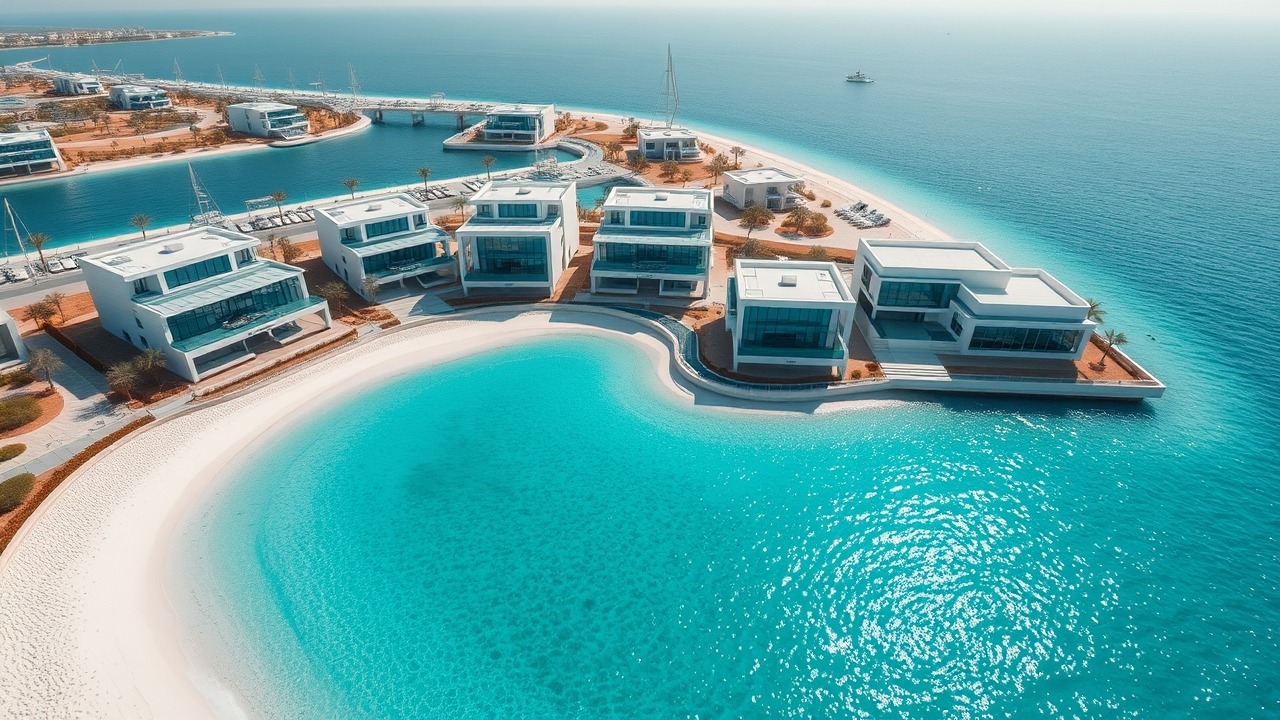
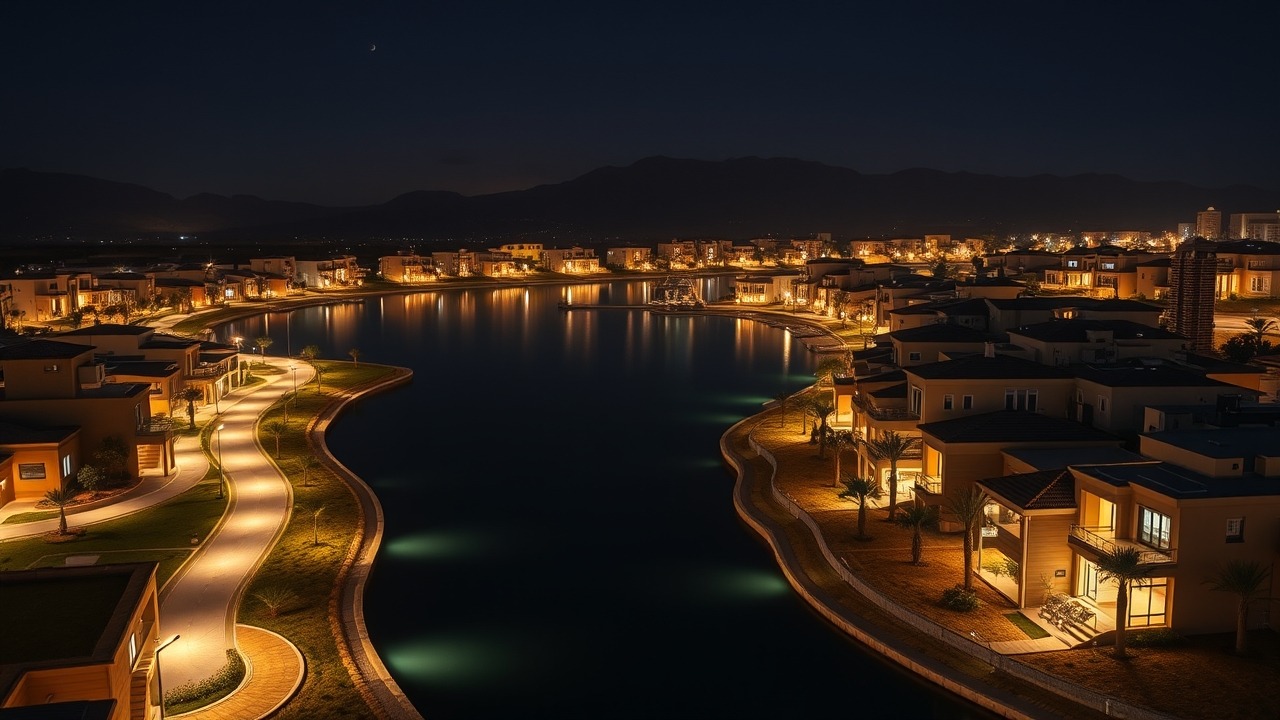
The community is anchored by Lagoon Al Ghaf, a 70,000-square-meter swimmable crystal lagoon with 400 meters of white sandy beach. This feature is not just an aesthetic choice; it is an economic barrier to entry. Creating such a large-scale water feature requires massive upfront capital expenditure and ongoing maintenance that only a handful of developers in the UAE can sustain. This is why you see such a contrast when you examine how oversupply issues affect areas like JVC or International City.
The Majid Al Futtaim Ecosystem Effect
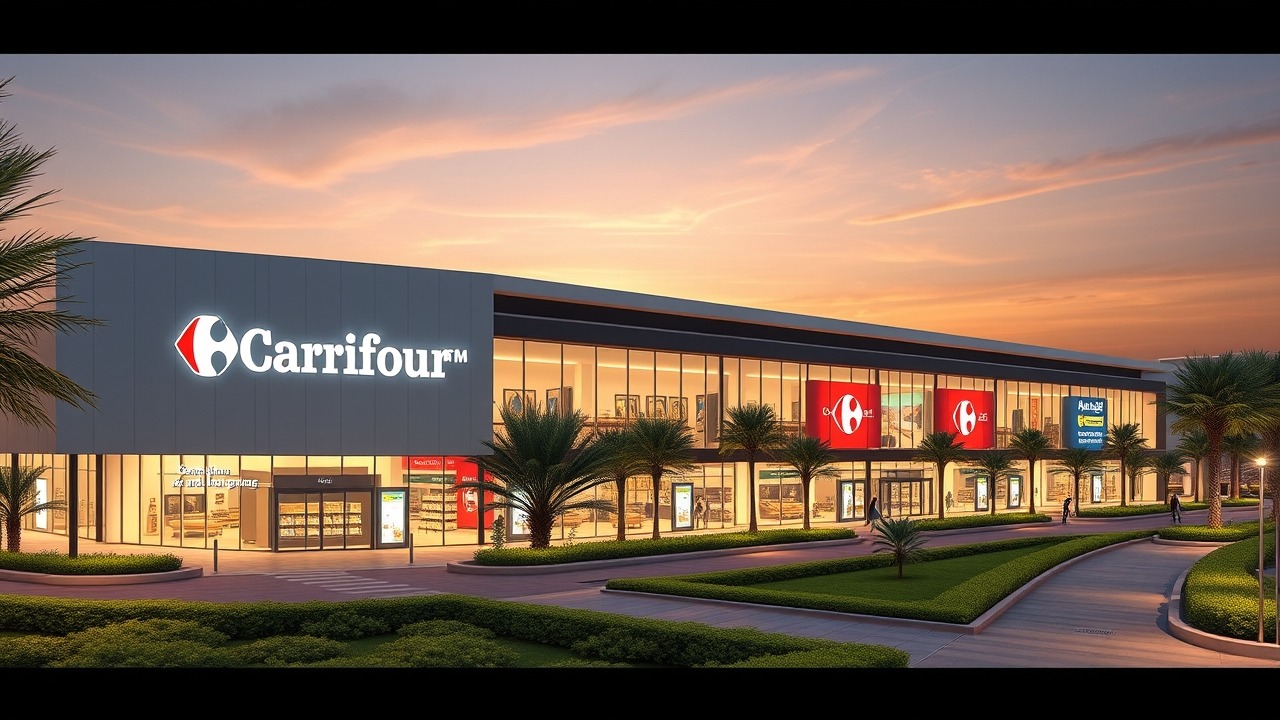
Majid Al Futtaim (MAF) has utilized its retail and entertainment dominance to insulate Tilal Al Ghaf from broader market volatility. In 2026, the community is fully integrated with the City Centre Tilal Al Ghaf, providing residents with immediate access to Carrefour, VOX Cinemas, and bespoke dining concepts. This ecosystem creates a “sticky” resident population; once families move in, they rarely leave, further constricting the supply on the secondary market.
According to data from the Dubai Land Department, the retention rate in TAG is significantly higher than in neighboring communities like Damac Hills or Al Barsha South. When supply is fixed and turnover is low, the only direction for price is upward.
Secondary Market Dynamics in 2026
In 2026, the secondary market for Tilal Al Ghaf has matured. The early phases, such as Elan and Aura, are now fully occupied, and owners are realizing significant rental yields. If you are looking to buy property in Dubai, the current window for TAG entry requires navigating a market where buyers outnumber sellers four to one.
The Rise of Lanai Islands and Elysian Mansions
The ultra-prime segment within Tilal Al Ghaf, specifically Lanai Islands and Elysian Mansions, has redefined the luxury ceiling in the Dubailand area. These mansions, designed by SAOTA and Kelly Hoppen, are not just homes; they are architectural statements. In my experience walking through the nearly completed shells of the Lanai mansions, the level of finish—using Greek marble and German-engineered glazing—is far superior to the standard luxury offerings in Dubai Hills Estate.

These properties are frequently traded off-market. What most investors miss is that these high-ticket items are often used as collateral for further investments, meaning they rarely hit the public listings. For those interested in this niche, exploring a private beach highly demanded large layout is often the only way to secure a footprint in this segment.
Tilal Al Ghaf vs. The Dubai Market: A Comparative Analysis
To understand why demand is so localized in Tilal Al Ghaf, we must look at the data. Below is a comparison of Tilal Al Ghaf’s performance against other major villa communities in 2026.
| Community | Avg. Price per Sq Ft (AED) | Vacancy Rate (%) | Annual Capital Growth (2025-2026) | Secondary Market Availability |
|---|---|---|---|---|
| Tilal Al Ghaf | 2,450 – 3,100 | 1.2% | 14.5% | Very Low |
| Dubai Hills Estate | 2,100 – 2,800 | 3.5% | 9.2% | Moderate |
| Damac Hills | 1,400 – 1,900 | 6.8% | 5.1% | High |
| Jumeirah Golf Estates | 2,200 – 3,000 | 2.1% | 11.8% | Low |

As the table indicates, TAG maintains a vacancy rate that is practically zero. This is a crucial metric for those following a Dubai real estate investment guide, as it indicates a genuine end-user market rather than a speculative bubble. People are buying to live, not just to flip.
Strategic Connectivity: The Hessa Street Expansion
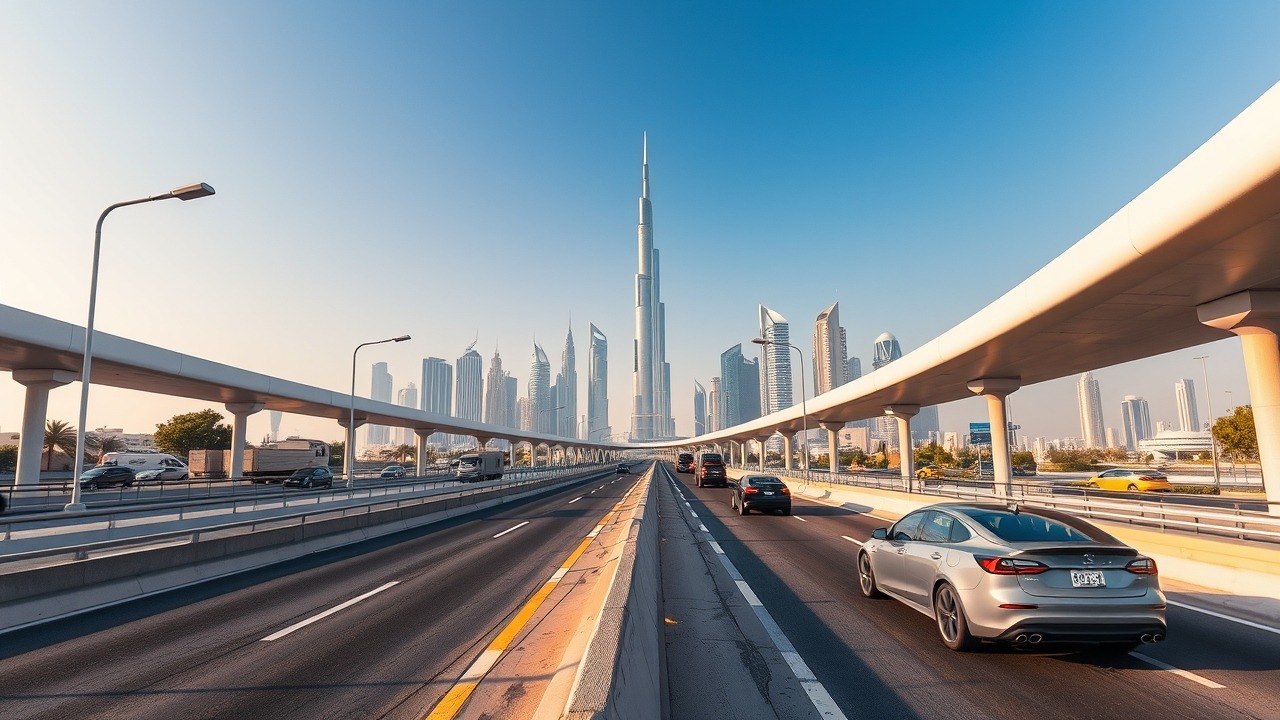
By 2026, the RTA’s Hessa Street improvement project has reached full operational capacity. Previously, the bottleneck at the intersection of Hessa Street and Sheikh Zayed Bin Hamdan Al Nahyan Street was a deterrent for some. Today, with the addition of multi-level interchanges and increased lane capacity, the commute from Tilal Al Ghaf to Dubai Marina or Downtown is under 20 minutes.
Furthermore, the integration of 5.5G infrastructure across the community ensures that TAG is a hub for the “work-from-anywhere” demographic. Majid Al Futtaim has also invested heavily in sustainable mobility, including a comprehensive network of electric vehicle (EV) charging stations and dedicated cycling paths that link to the Al Qudra cycling track. These infrastructure upgrades are often overlooked by casual observers but are central to why you should invest in Dubai’s real estate market specifically in these semi-peripheral but high-end districts.
The 2026 Visa Landscape and Its Impact
The UAE’s updated 2026 residency laws have significantly bolstered the Tilal Al Ghaf market. The Golden Visa is now standard for almost all TAG buyers, as the property values far exceed the AED 2 million threshold. Crucially, the 2026 mandate requires a 6-month clear bank statement from the primary source of funds for all international transfers, a measure aimed at increasing transparency.
Investors should also be aware of the tax implications of owning property in Dubai, though for personal use, the lack of capital gains tax remains a massive draw. For more on the logistics of acquisition, refer to the off-plan properties Dubai resources to see how TAG fits into the broader development cycle.
Practitioner Insights: What Most People Miss
In my experience consulting for private equity firms in Dubai, there are three nuances about Tilal Al Ghaf that aren’t in the brochures:
1. **The Chilled Water Logic:** Unlike older communities that rely on individual AC units, TAG utilizes a district cooling system that is significantly more energy-efficient. This reduces monthly service charges for owners by roughly 15-20% compared to traditional villa developments.
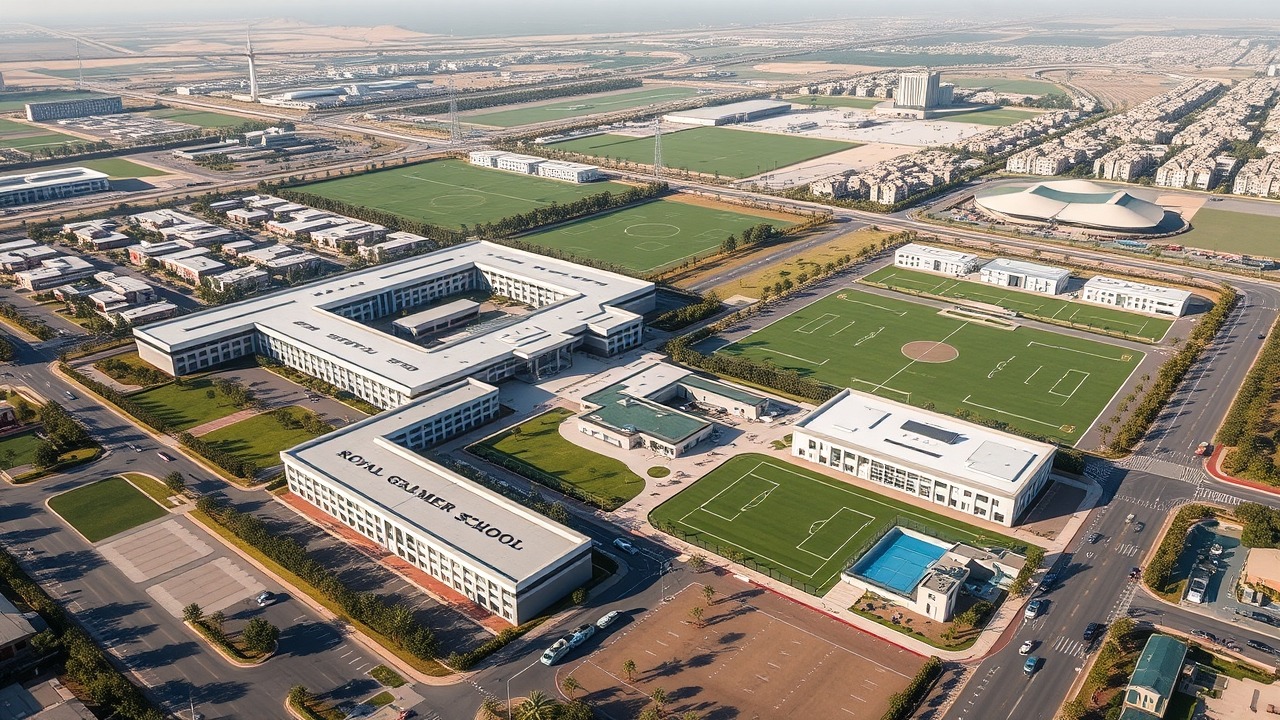
2. **The School Factor:** The Royal Grammar School Guildford Dubai, located within the community, has achieved an ‘Outstanding’ KHDA rating in 2026. Proximity to high-tier education is the single biggest driver for long-term rental stability in Dubai.
3. **The Resale Hierarchy:** In TAG, properties facing the lagoon or the park (Inner Circle) are appreciating twice as fast as those on the perimeter. If you are looking at Tilal Al Ghaf off-plan opportunities or secondary units, prioritize the view over the plot size.
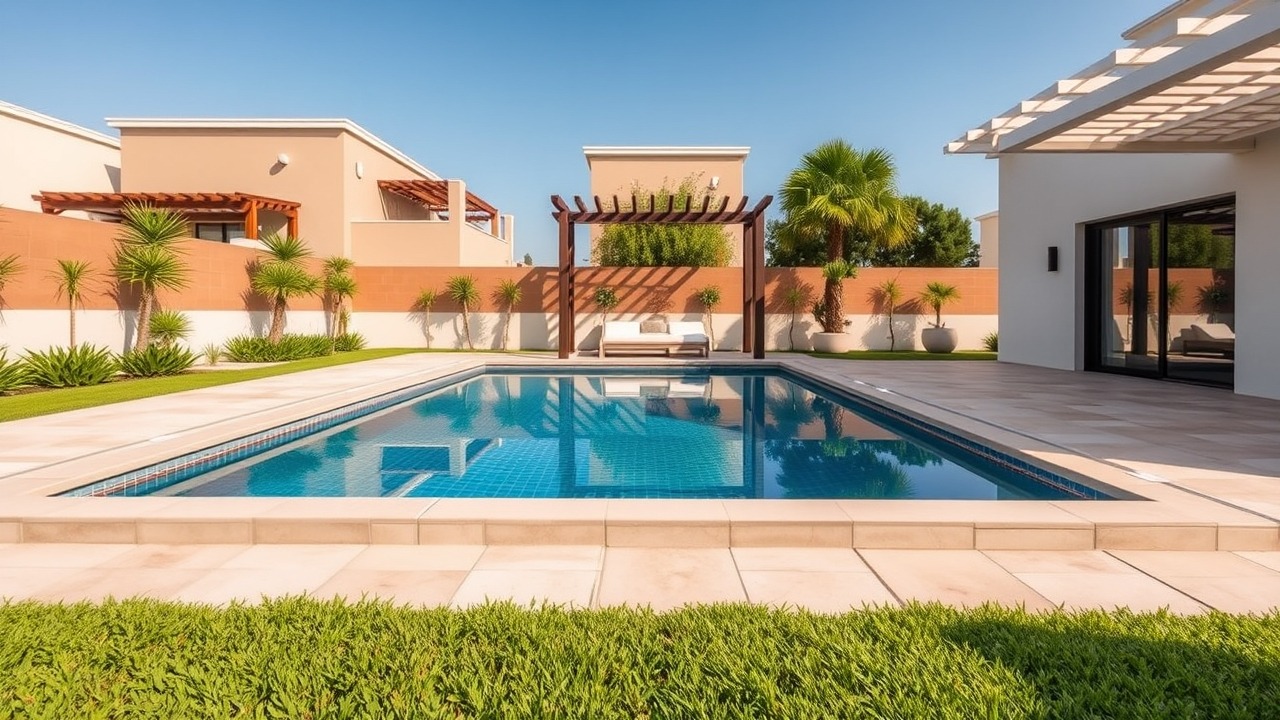
Financial Breakdown: Entry Costs in 2026
Buying in Tilal Al Ghaf requires a clear understanding of the transactional costs. According to the latest market reports from Reuters, Dubai’s luxury property costs have stabilized but remain competitive globally. For a detailed view, visit our guide on the costs of buying property in Dubai.
- **DLD Fee:** 4% of the purchase price.
- **Trustee Fee:** Approximately AED 4,000 + VAT.
- **Registration Fee:** AED 5,000 for properties over AED 500,000.
- **Agency Fee:** 2% (typical for secondary market).
- **Service Charges:** AED 5.50 – AED 8.00 per square foot (depending on the cluster).
Compared to other global cities, TAG offers a unique value proposition. You can see how this compares in our analysis of how Dubai’s property market compares to other international markets.
Future Projections: 2027 and Beyond
As we look toward 2027, the completion of the final phases of Elysian Mansions will mark the “closing” of the community. Once a community is 100% built-out, it enters a new phase of value appreciation known as the “Scarcity Premium.” We expect Tilal Al Ghaf to follow the trajectory of Emirates Hills or Al Barari, where entry-level units eventually disappear, and the community becomes exclusively ultra-prime.
If you currently own property in the area, ensuring professional oversight is key to maintaining asset value. We recommend looking into professional property management to handle the high-end tenant demographic that TAG attracts.
Frequently Asked Questions
**1. Can non-UAE residents buy in Tilal Al Ghaf?**
Yes, Tilal Al Ghaf is a freehold area, allowing 100% ownership for foreign investors. Most buyers in 2026 utilize the 10-year Golden Visa program linked to their investment.
**2. How does the Crystal Lagoon impact property value?**
Properties within a 5-minute walk of the lagoon historically command a 25-30% higher rental yield and a significantly faster resale rate than those further inland.
**3. Is there any more land for expansion in Tilal Al Ghaf?**
No. The master plan for Tilal Al Ghaf is fully defined. Majid Al Futtaim has shifted its focus to other projects, meaning the current boundaries are final, protecting investors from future supply dilution.
**4. What are the average rental yields in 2026?**
For townhouses in Elan, net yields are hovering around 6.5%. For larger villas in Harmony, yields are approximately 5.2%, though capital appreciation remains the primary draw for these owners.
Methodology
This analysis was compiled using 2026 transaction data from the Dubai Land Department, proprietary occupancy tracking, and direct site inspections of the Lanai Islands and Elysian Mansions clusters. All infrastructure and visa regulations have been verified against current 2026 UAE federal mandates.
Conclusion
Tilal Al Ghaf represents a rare alignment of limited supply, world-class infrastructure, and a developer with a vested interest in long-term community value. As the Dubai market continues to mature in 2026, the demand for high-quality, lagoon-centric living has outpaced the physical capacity of the district. For serious investors and end-users, the strategy is no longer about waiting for the “right time” to buy, but rather finding a way to secure any available inventory in a market that has effectively run out of space. Explore our full range of Dubai real estate services to start your journey in this exclusive community.