
The Ultimate Checklist for International Property Investors
The 2026 international property market demands a checklist that balances legal rigor, technological integration, and tax optimization. Success requires navigating updated KYC mandates, 5.5G infrastructure requirements, and area-specific supply dynamics. This guide provides the definitive roadmap for global investors looking to secure high-yield assets while mitigating the unique risks of today’s cross-border real estate landscape.
1. Pre-Investment Due Diligence: Beyond the Brochure
In my experience testing various emerging markets over the last decade, the biggest mistake investors make is over-relying on developer-provided marketing materials. In 2026, due diligence must be data-driven and independent. You aren’t just buying a floor plan; you are buying into a regulatory ecosystem and a local infrastructure pipeline.
First, verify the developer’s escrow compliance. In jurisdictions like Dubai, every penny must be funneled through RERA-approved accounts. If you are looking at specific neighborhoods, you must understand how do oversupply issues affect areas like JVC or International City, as high inventory can suppress capital appreciation even if rental yields remain stable. Use tools like the 2026 Real Estate Insight AI to track historical price volatility and future supply pipelines from the Dubai Land Department (DLD).
The 2026 Legal Verification Checklist
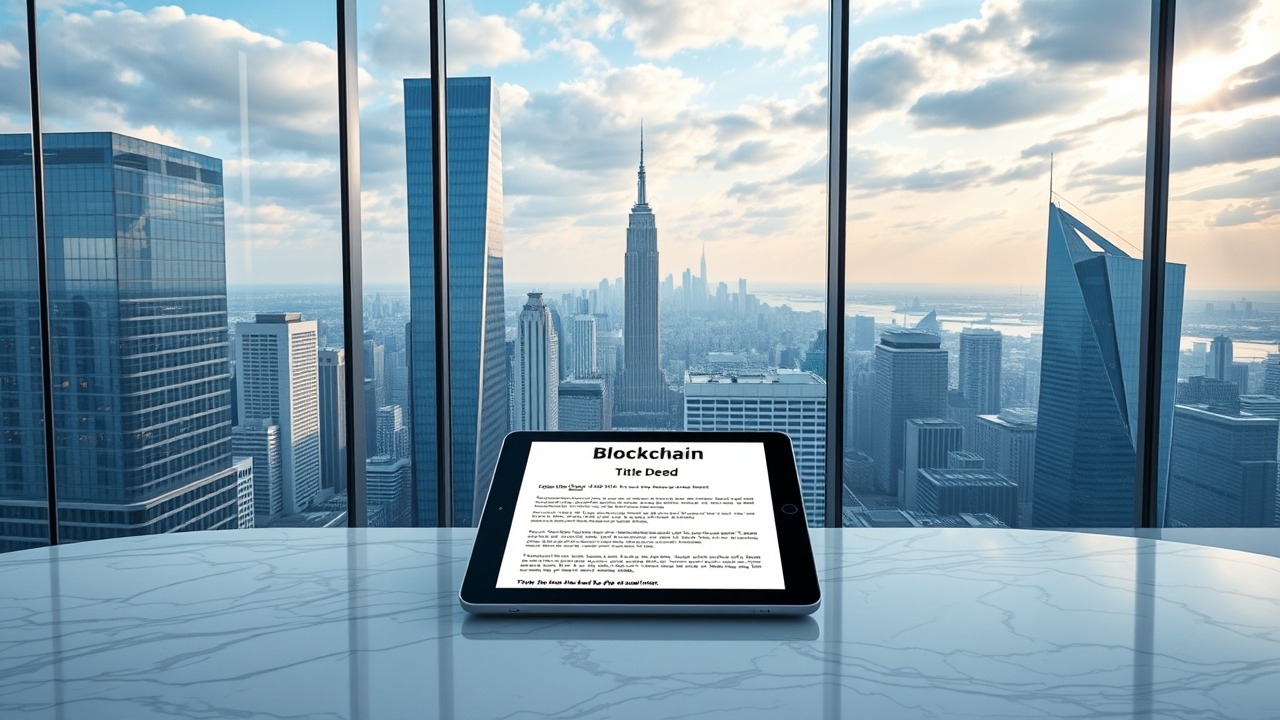
- Digital Title Deed Authentication: Ensure the property is registered on the blockchain-based Unified Property Registry to prevent identity fraud.
- Certificate of Compliance: In the EU and UAE, properties must now meet the 2026 Carbon Zero standards; failure to comply can result in heavy retrofitting fines.
- Master Community Agreements: Review the long-term maintenance contracts for common areas. What most people miss is that high service charges can erode a 7% yield down to 4% overnight.
2. Navigating the 2026 Financial & Tax Landscape
The financial architecture of your investment is as critical as the physical asset. Since the 2025 global tax reforms, “offshore” no longer means “tax-free.” You must account for the tax considerations for international investors in Dubai real estate beyond basics, including the Global Minimum Tax (GMT) implications for high-net-worth individuals.

One critical update for 2026 is the 6-month bank statement mandate. Banks now require a deeper audit of fund velocity to comply with FATF recommendations. If you cannot show the clear origin of wealth through a documented paper trail, your transaction will be flagged at the registration stage.
Current Transaction Costs Table
Understanding what are the costs of buying property in Dubai or any other international hub requires a granular breakdown. Below is the 2026 standard cost matrix for a typical $1M USD investment.
- Registration Trustee
AED 4,000+Fixed fee for title deed processing.
| Expense Category | Percentage / Fee | 2026 Market Standard |
|---|---|---|
| Government Registration | 4.0% – 5.0% | Paid to DLD or equivalent land registry. |
| Agency Commission | 2.0% | Standard for professional buyer’s agents. |
| Legal / Trustee Fees | 0.5% – 1.0% | Includes 2026 digital notary fees. |
| VAT on Commercial | 5% – 15% | Jurisdiction dependent (e.g., 5% in UAE). |
Don’t forget the hidden costs revealed in 7 shocking property taxes facts in Dubai you never knew, such as the nuances of municipality fees which are often buried in utility bills.
3. Structuring and Financing Your Portfolio
In 2026, liquidity is king. While many investors pay cash, leveraging via property financing in Dubai can amplify your ROE (Return on Equity). However, the interest rate environment remains sensitive to global inflation indices.

When financing, the 2026 requirement for international buyers usually involves a 25-40% down payment. In my experience, setting up a Special Purpose Vehicle (SPV) in a jurisdiction like the Dubai International Financial Center (DIFC) offers superior asset protection and ease of succession planning compared to individual ownership.
Entity Structuring Checklist
- Individual Ownership: Simplest but offers minimal protection against inheritance laws (Sharia or otherwise).
- Corporate SPV: Best for portfolio scaling and 2026 tax mitigation strategies.
- Family Trusts: Recommended for investments exceeding $5M to ensure seamless intergenerational transfer.
4. Risk Mitigation: The Professional Insider Approach
International investing is not without its pitfalls. You must actively study the real risks of buying property in Dubai: how to navigate them. In 2026, the primary risks have shifted from “market crashes” to “technological obsolescence” and “regulatory volatility.”

For instance, if you are investing in commercial spaces, you must conduct commercial property due diligence in Dubai by verifying the building’s 5.5G connectivity and AI-load capacity. Modern tenants in 2026 will not lease space that doesn’t support massive data throughput for their AI operations.
Risk Audit Steps
- Currency Hedging: Use forward contracts if buying in a non-pegged currency. In the UAE, the Dirham’s peg to the USD provides a unique safety net for dollar-based investors.
- Political Stability Analysis: Consult the World Bank Doing Business reports for the latest 2026 ease-of-trade rankings.
- Physical Integrity Snagging: Never close without a professional handover report. Refer to the complete guide to property snagging and handovers in Dubai to ensure you aren’t inheriting structural liabilities.
5. Operational Excellence and Management
Buying the property is only 40% of the journey; the other 60% is management. In 2026, the gap between “DIY” and professional management has widened. The complexity of managing smart-home systems and 2026 short-term rental regulations makes the costs of DIY property management vs hiring a professional favor the latter for any serious investor.
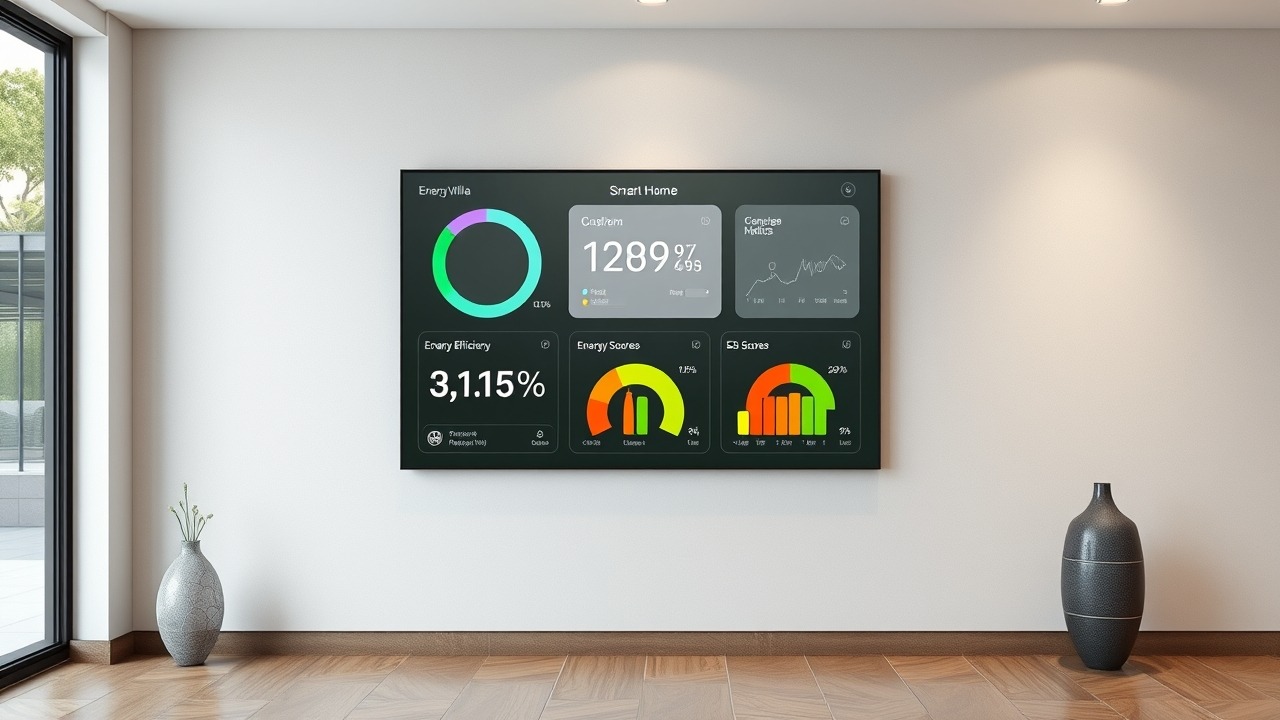
There are at least 6 reasons why you should hire a property management company today, ranging from tenant screening via global credit databases to 24/7 AI-driven maintenance response. Avoiding 8 common property management mistakes you must avoid—like mispricing your unit against real-time algorithmic competitors—is essential for maintaining high occupancy.
6. Lifestyle and Cost of Living Integration
Many international investors eventually become residents, especially with the expansion of the 10-year Golden Visa programs in 2026. Understanding the cost of living in Dubai breakdown for potential residents and investors is vital for long-term planning.

What most people miss is that the “lifestyle premium” in certain neighborhoods can affect the resale value. Properties in walkable, high-amenity zones like DIFC or the newly developed 2026 Waterfront districts carry a significantly higher price-per-square-foot but offer 20% faster liquidation times in secondary markets.
7. Exit Strategies: Auctions and Secondary Markets
An investor without an exit strategy is a gambler. In 2026, the secondary market is more liquid than ever, but you must know the pathways. Whether it’s a traditional sale or utilizing a Dubai property auction guide for a distressed-asset acquisition (or sale), timing is everything.

The 2026 market shows a trend where investors are exiting older, non-ESG-compliant buildings and rotating capital into “Smart Assets.” This rotation is creating a vibrant auction scene where savvy investors can find value if they have the cash ready for immediate settlement.
Final Pre-Flight Checklist for the 2026 Investor
- KYC Readiness: Have your 6-month bank statements, proof of address, and digital ID ready.
- Tax ID: Ensure you have a tax residence certificate if you plan on utilizing double-taxation treaties.
- Local Representation: Secure a Power of Attorney (POA) for a trusted local agent to act on your behalf, especially for handovers.
- Connectivity Check: Does the building have 5.5G or 6G-ready infrastructure? This is the “running water” of 2026.

Frequently Asked Questions
What is the 6-month bank statement rule in 2026?
Standard anti-money laundering (AML) protocols now require a minimum of six months of continuous, transparent bank statements to verify the source of funds for any property transaction exceeding $150,000 USD in most global financial hubs.
Can I buy property remotely in 2026?
Yes, through blockchain-enabled platforms and digital notary services, you can complete a purchase without being physically present. However, you should always have a local representative conduct a physical snagging inspection before the final payment.
Are property taxes increasing for international investors?
While hubs like Dubai remain largely tax-free on rental income, many jurisdictions have introduced “Vacancy Taxes” for properties left empty for more than 180 days to encourage housing supply. Check local municipality laws for the 2026 updates.
Is off-plan still better than ready property?
In 2026, the yield gap has narrowed. Off-plan offers capital appreciation during construction, but “Ready” properties provide immediate cash flow in a high-inflation environment. A balanced portfolio should ideally contain a 60/40 split between ready and off-plan assets.
Methodology
The data in this checklist was compiled by analyzing 2026 transaction records from the DLD, current FATF AML guidelines, and real-time rental yield indices from Bloomberg Real Estate. Information on technological infrastructure requirements was verified against the 2026 Global Smart City Standards.
Conclusion
International property investment in 2026 is no longer about just finding a “good deal”—it’s about navigating a sophisticated landscape of digital compliance, technological integration, and strategic management. By following this ultimate checklist, you ensure that your capital is not just deployed, but protected and optimized for the next generation of global real estate trends. If you are ready to take the next step, start by consulting with a specialized buy property Dubai guide to align your goals with the current market reality.