
FAQs: Commercial Property Leasing in Dubai for First-Time Tenants
Commercial property leasing in Dubai refers to the legal process of renting business premises, such as offices, retail shops, or warehouses, within the emirate’s diverse economic jurisdictions. For first-time tenants, it involves navigating specific RERA regulations, choosing between Mainland or Free Zone licenses, and ensuring compliance with the Ejari registration system for operational legality.
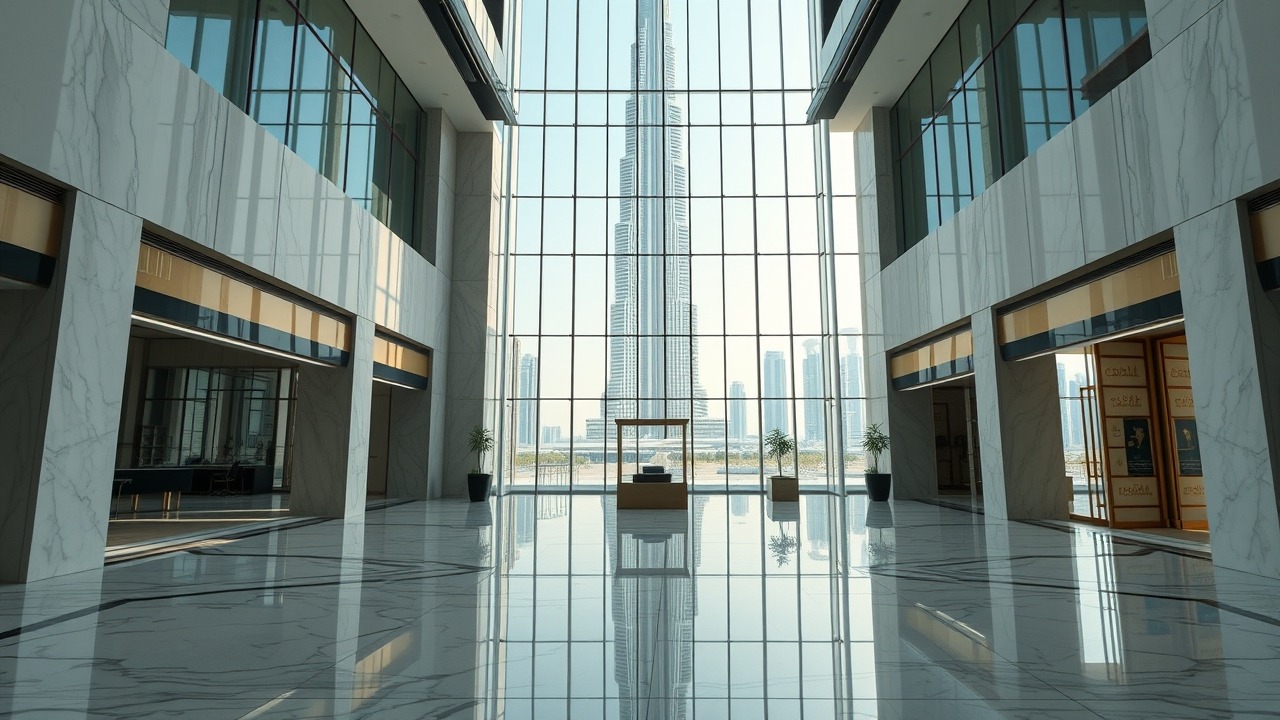
Understanding the Dubai Commercial Real Estate Landscape
Dubai is a global hub that offers a unique dual-system for business operations. Before signing a lease, a first-time tenant must understand that location isn’t just about the view; it is inextricably linked to your business license. Unlike many global cities, where you can rent an office and then register a business, in Dubai, your license type dictates where you can physically operate.
The regulatory framework is primarily overseen by the Dubai Land Department (DLD) and the Real Estate Regulatory Agency (RERA). These bodies ensure that the relationship between landlords and tenants is transparent and that all contracts are recorded in a central database known as Ejari. For those looking at future developments, exploring offplan commercial projects can provide insight into upcoming business districts that may offer competitive rates.
The Two Primary Jurisdictions
- Mainland (DED): Companies licensed by the Dubai Department of Economy and Tourism (DET) can operate anywhere in the UAE. Mainland offices are popular in areas like Business Bay, Sheikh Zayed Road, and Deira.
- Free Zones: These are special economic zones (e.g., DMCC, DIFC, DAFZA) where 100% foreign ownership is standard. However, a Free Zone company must generally have its office within that specific zone’s boundaries.
Types of Commercial Properties Available
First-time tenants are often surprised by the variety of office conditions available in the market. Understanding these terms is crucial for budgeting your initial capital expenditure.
Shell and Core
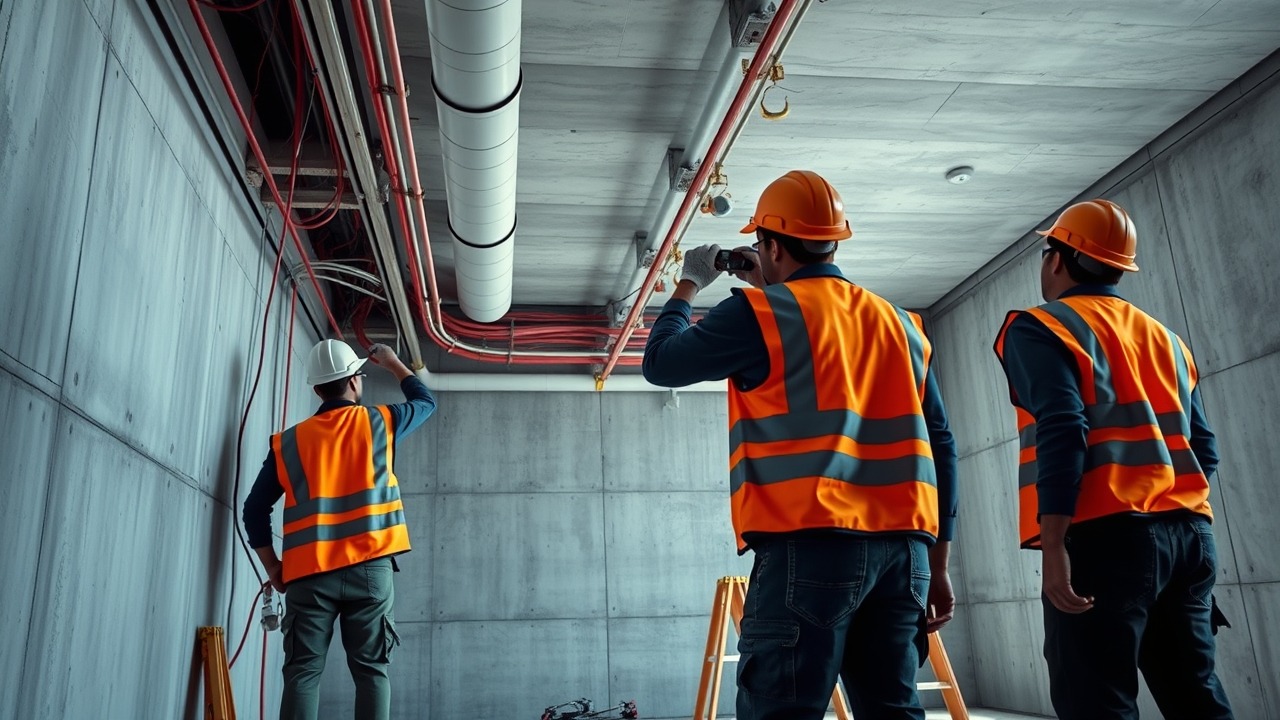
A shell and core unit is essentially a concrete box. It has no flooring, no finished ceiling, and often no internal plumbing or electrical wiring beyond the main connection points. While the rent is lower, the tenant bears the high cost of the fit-out. This is ideal for large corporations that want a bespoke brand identity in their workspace.
Fitted Offices
Fitted offices come with flooring, ceilings, and basic partitions. In some cases, they may even include lighting and air conditioning systems. These are ready for the tenant to move in their furniture and start operations. This is often the preferred choice for startups and SMEs looking to minimize initial setup time.
Serviced and Coworking Spaces
For those who require flexibility, serviced offices provide fully furnished units with shared reception, meeting rooms, and IT infrastructure. These are typically inclusive of DEWA (utilities) and internet bills, making them the simplest entry point into commercial property leasing in Dubai.

The Step-by-Step Leasing Process
Navigating the lease process requires a systematic approach to ensure that you do not fall foul of local regulations or find yourself with a space you cannot legally use.
1. Define Your License Requirements
Your first step is not finding the property, but identifying your license. If you have a Free Zone license, you must look within that zone. If you have a Mainland license, you have more geographical freedom. Ensure the activity on your license matches the intended use of the property (e.g., you cannot run a retail shop from a unit designated as an office).
2. Property Viewing and Due Diligence
Once you have shortlisted properties, conduct thorough inspections. Check the building’s parking allocation, as this is a common pain point in Dubai. Verify that the landlord actually owns the property by requesting a copy of the Title Deed. If the landlord is a company, ensure the person signing the lease has the Power of Attorney (POA) to do so.
3. Making an Offer and Letter of Intent (LOI)
In the commercial sector, it is common to issue a formal Letter of Intent. This outlines your proposed rent, the number of checks (installments), the lease duration, and any requested fit-out periods (rent-free periods allowed for you to renovate the space).
4. Signing the Tenancy Contract
Commercial leases in Dubai are typically longer than residential ones, often ranging from 3 to 5 years. Pay close attention to the escalation clause, which dictates how much the rent can increase in subsequent years. Ensure all verbal promises regarding maintenance or parking are written into the contract.
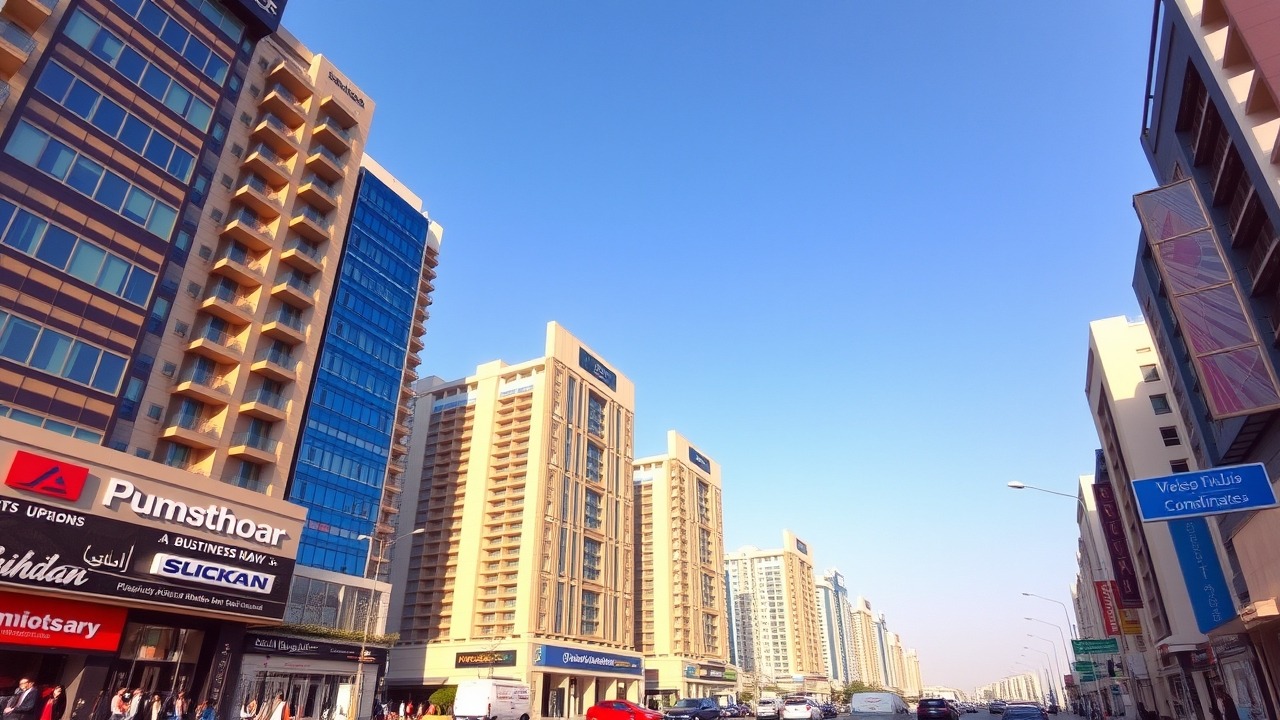
Financial Obligations for Tenants
Budgeting for commercial property leasing in Dubai involves more than just the annual rent. First-time tenants often overlook the associated fees that can add 15-25% to the first year’s costs.
Annual Rent and Payment Terms
Rent is traditionally paid via post-dated checks (PDCs). While 1 to 4 checks are standard, some landlords may offer a discount for a single-check payment. Be aware that a bounced check is a serious legal matter in the UAE.
Security Deposit
For commercial units, the security deposit is usually equivalent to 5% to 10% of the annual rent. This is refundable upon the expiration of the lease, provided the property is returned in the agreed-upon condition.
Value Added Tax (VAT)
In accordance with Federal Tax Authority regulations, a 5% VAT is applicable on all commercial leases. This is an additional cost on top of the rent and is generally non-negotiable.
Agency Commission
Real estate agents typically charge 5% of the first year’s rent as a commission fee. Ensure your agent is RERA-certified to protect your interests during the negotiation.

Comparison: Mainland vs. Free Zone Leasing
Choosing between Mainland and Free Zone is the most significant decision a first-time tenant will make. The following table highlights the key differences.
| Feature | Mainland (DED) | Free Zone (e.g., DMCC, DIFC) |
|---|---|---|
| Ownership | Can be 100% foreign-owned for many activities | 100% foreign ownership guaranteed |
| Geographic Scope | Can trade anywhere in the UAE and internationally | Can trade within the zone and internationally |
| Office Location | Anywhere in the Dubai Mainland area | Must be within the specific Free Zone |
| Physical Office | Mandatory (minimum size applies) | Mandatory (Flexi-desks allowed in some zones) |
| Regulator | Dubai Department of Economy & Tourism | Individual Free Zone Authority |
The Importance of Ejari
Ejari, which means ‘My Rent’ in Arabic, is the mandatory registration system for all lease contracts in Dubai. It serves as a legal protection for both parties. Without an Ejari certificate, you cannot:
- Apply for or renew your Trade License.
- Connect DEWA (electricity and water) services.
- Sponsor employees for residency visas.
- Apply for telecommunications services (Etisalat/du).
- Open a corporate bank account.
The registration is usually the responsibility of the tenant, although the landlord must provide the necessary documents, including their Title Deed and Emirates ID copy. The process can be completed online or at authorized typing centers.
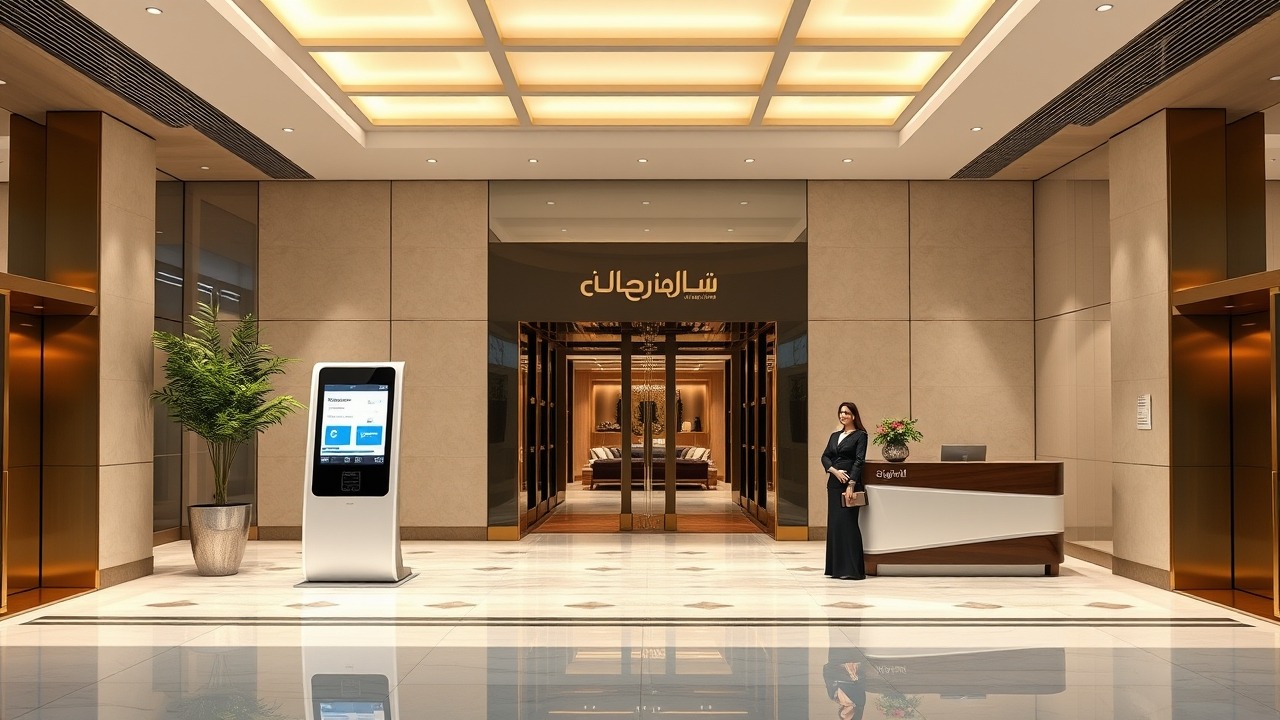
Fit-Outs and Alterations
If you are leasing a shell and core or even a semi-fitted unit, you will likely want to make changes. This is a heavily regulated phase of commercial property leasing in Dubai.
NOCs and Approvals
Before any hammer hits a wall, you must obtain a No Objection Certificate (NOC) from the landlord. Subsequently, you need approvals from the building management, Dubai Municipality, and sometimes the Dubai Civil Defense (for fire safety compliance). Hiring a certified fit-out contractor who understands these permit processes is essential to avoid fines or delays.
Fit-Out Period
Always negotiate a “rent-free fit-out period.” Landlords commonly offer 1 to 3 months of free rent at the start of the lease to account for the time it takes to get permits and complete renovations. During this time, you will still be responsible for paying service charges and utilities.
Key Clauses to Watch Out For
Commercial lease agreements can be complex. First-time tenants should be particularly wary of the following clauses:
- Reinstatement Clause: This requires you to return the office to its original state (e.g., removing all partitions) at the end of the lease. This can be a significant expense.
- Sub-leasing: Most commercial contracts forbid sub-leasing without express written consent. If you plan to share the space with a partner company, ensure this is permitted.
- Termination: Check the penalties for early termination. Standard practice often involves a penalty of 2 to 3 months’ rent if you break the lease early.
- Maintenance: In commercial leases, the tenant is often responsible for internal maintenance (AC servicing, plumbing within the unit), while the landlord covers structural issues.
Navigating Challenges and Dispute Resolution
Even with the best preparation, disputes can arise. The Rental Dispute Center (RDC) at the Dubai Land Department is the primary body for resolving conflicts. Common issues include unreasonable rent hikes or the landlord’s failure to maintain the building’s common areas.
The RERA Rental Index provides a guide for allowable rent increases, but it is important to note that commercial properties sometimes have more flexibility in their contractual terms than residential ones. Always keep a paper trail of all communications with your landlord. If you are unsure about the legalities of a specific situation, you can always contact us for professional guidance on the market landscape.
FAQs for First-Time Tenants
1. Can I lease a commercial property without a trade license?
No. You generally need a valid trade license or at least an initial approval from the licensing authority to sign a commercial lease. The Ejari certificate, which is required for the final license issuance, is tied directly to the tenancy contract.
2. Who pays for the building’s service charges?
In most commercial property leasing in Dubai arrangements, the landlord pays the service charges to the building’s Owners Association. However, some contracts may structured as “net leases” where the tenant pays a base rent plus a share of the operating expenses. Always clarify this before signing.
3. What happens if my trade license is not approved?
This is a significant risk. It is advisable to include a contingency clause in your lease or LOI stating that the contract is dependent on the successful issuance of your trade license. This protects you from being locked into a lease for a business you cannot legally operate.
4. Are there hidden costs in commercial leasing?
Beyond rent and VAT, watch out for the “Chiller” charges. Some buildings have centralized cooling where the cost is included in the rent, while others require the tenant to pay based on consumption. Also, consider the cost of parking—if the unit comes with only one space, you may need to rent additional slots from the building management.
5. Is it better to buy or lease commercial property in Dubai?
For most first-time businesses, leasing is the preferred route as it preserves capital for operational growth. However, for established firms with long-term stability, purchasing commercial property can offer significant ROI and eliminate the risk of rent fluctuations.

Conclusion
Commercial property leasing in Dubai is a sophisticated process that offers immense opportunities for businesses looking to establish a presence in one of the world’s most dynamic markets. By understanding the distinction between Mainland and Free Zone jurisdictions, budgeting accurately for both direct and indirect costs, and ensuring all legal requirements—especially Ejari—are met, first-time tenants can set a solid foundation for their business operations. While the landscape may seem daunting initially, the structured regulatory environment provided by RERA and the DLD ensures that your investment and your rights as a tenant are well-protected. With the right preparation and professional advice, finding the perfect commercial space in Dubai becomes a strategic milestone in your company’s success story.