
Clinics and Healthcare Facilities in Dubai: Licensing and Fit-Out Considerations
Dubai has rapidly ascended as a global hub for medical tourism and world-class healthcare delivery. The emirate’s strategic location, coupled with its advanced infrastructure, makes it a prime destination for medical entrepreneurs and international healthcare providers. However, the path to opening a medical facility—whether it be a small dental clinic, a specialized polyclinic, or a full-scale hospital—is governed by stringent regulations designed to protect patient safety and maintain high standards of care. In this guide, we explore the multifaceted aspects of healthcare facility licensing and the critical fit-out considerations that define the success of a medical establishment in the UAE.
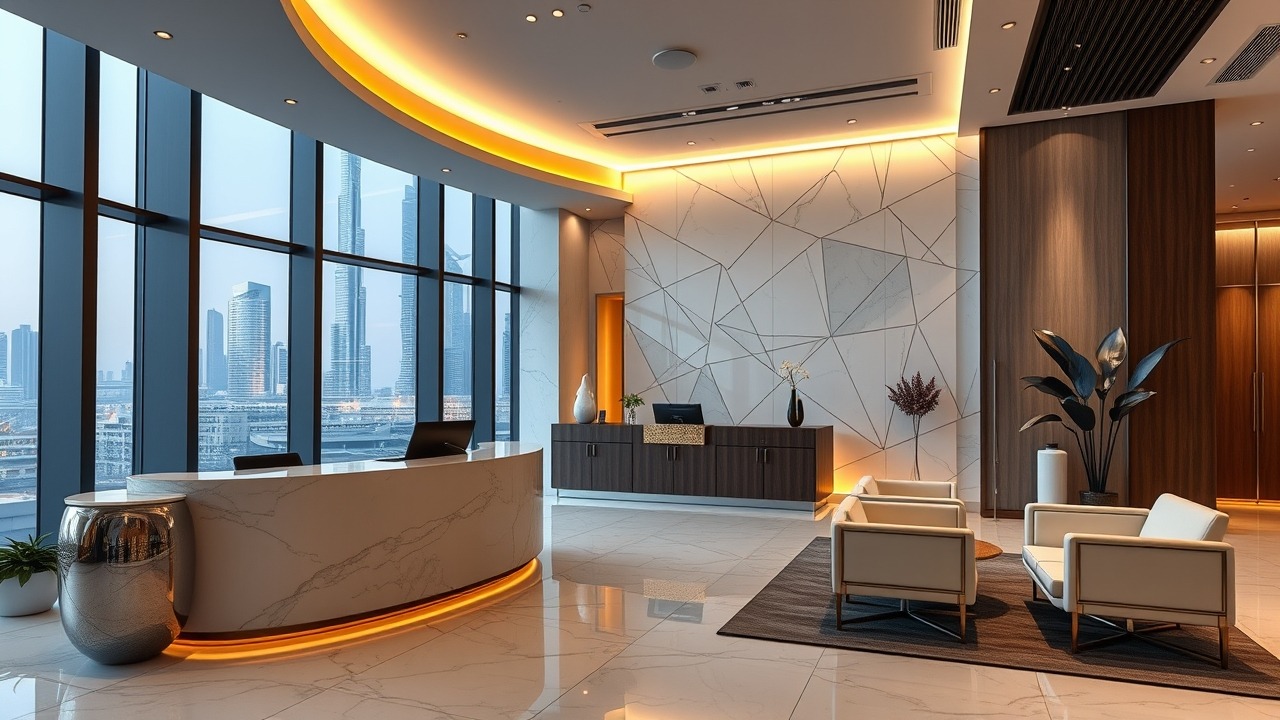
The Regulatory Landscape: DHA vs. DHCC
The first step for any healthcare provider is understanding the jurisdiction in which they will operate. In Dubai, there are two primary regulatory bodies for healthcare facility licensing, each with its own set of rules and geographical boundaries.
1. Dubai Health Authority (DHA)
The DHA regulates all medical facilities located on the Dubai “Mainland.” This includes everything from clinics in residential areas like Jumeirah to facilities in commercial hubs like Business Bay. The DHA manages the licensing of both the facility itself and the individual medical professionals working within it through the Sheryan portal. If you are looking to secure a prime location for your clinic, you might explore the latest offplan commercial developments that are increasingly being designed with healthcare infrastructure in mind.
2. Dubai Healthcare City (DHCC)
DHCC is a dedicated healthcare free zone. It operates under its own regulatory body, the Dubai Healthcare City Authority (DHCA). This free zone offers benefits such as 100% foreign ownership and specialized clusters for medical excellence. However, facilities licensed under DHCC are generally restricted to operating within the physical boundaries of the free zone.
3. Ministry of Health and Prevention (MOHAP)
While the DHA handles most Dubai-specific licensing, MOHAP sets the overarching national standards and handles federal-level medical regulations. Coordination with MOHAP is often required for pharmaceutical licensing and certain specialized medical equipment imports.
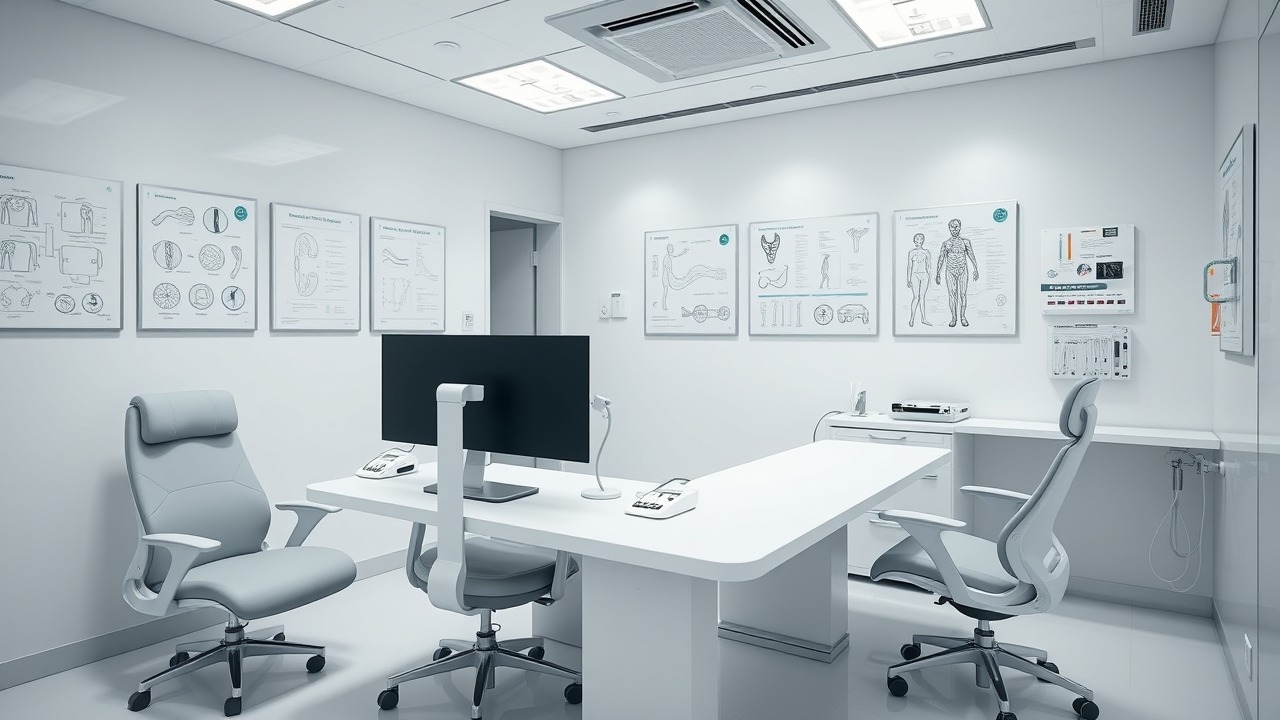
The Licensing Process: Step-by-Step
Securing a healthcare facility licensing permit is a multi-phased approach that requires coordination between legal, clinical, and architectural teams. Failure to follow these steps sequentially often leads to significant delays in the project timeline.
- Trade Name Reservation: Before clinical approvals can begin, you must reserve a trade name with the Department of Economy and Tourism (DET) or the relevant free zone authority. The name must reflect the clinical activity.
- DHA Initial Approval: This involves submitting a detailed proposal via the Sheryan system. You must define the facility type (e.g., General Clinic, Specialized Center) and the list of services to be provided.
- Space Selection and Layout Approval: The physical site must meet specific DHA guidelines regarding size, location, and accessibility. A preliminary floor plan, designed by a DHA-approved consultant, must be submitted for review.
- Civil Defense and Municipality Approvals: Alongside medical approvals, the facility must comply with fire safety standards (Dubai Civil Defense) and general building codes (Dubai Municipality).
- Fit-Out and Construction: Once the layout is approved, the physical construction can begin. This phase must be executed by contractors experienced in medical standards. For expert guidance on managing this phase, you can contact us to ensure your project meets all technical benchmarks.
- Medical Equipment and Staffing: You must list all major medical equipment. Simultaneously, all doctors, nurses, and technicians must be licensed by the DHA or have their credentials verified through the Dataflow process.
- Final Inspection: Once the facility is ready, a DHA inspector will visit the site to verify that the fit-out matches the approved plans and that all infection control measures are in place.
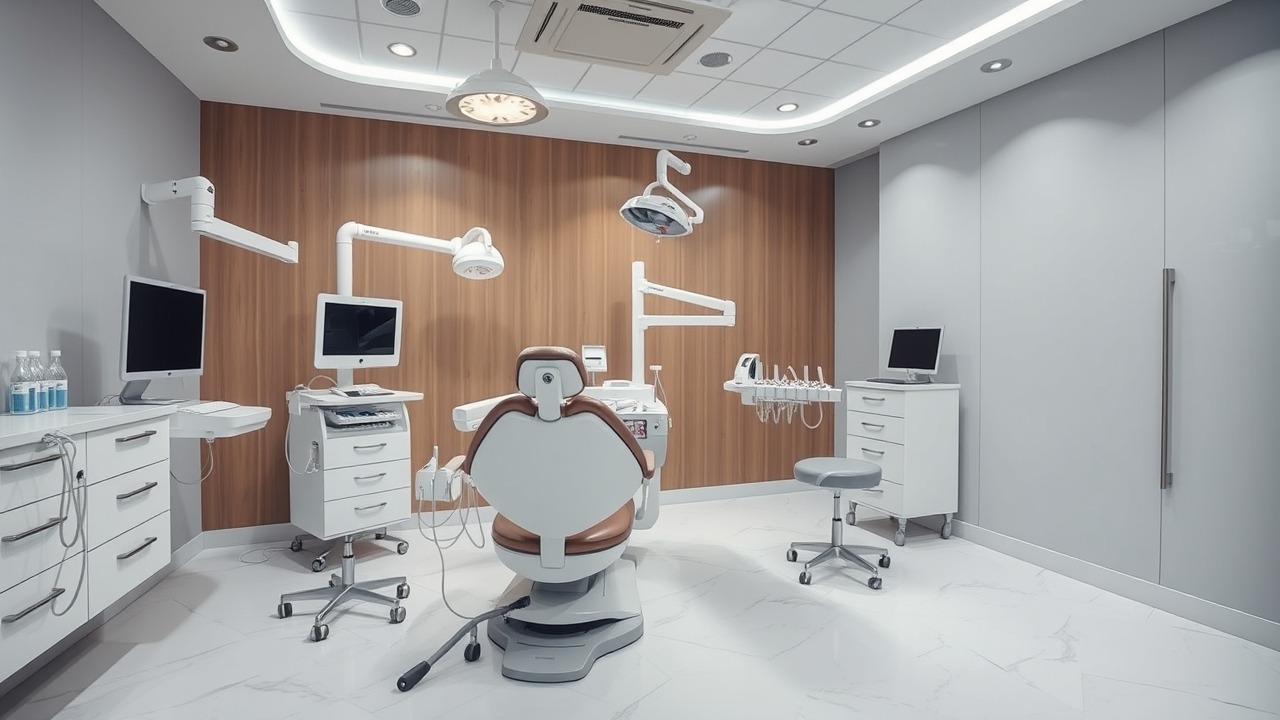
Technical Fit-Out Considerations: Building for Health
Designing a healthcare facility is vastly different from a standard commercial or residential project. The technical requirements for healthcare facility licensing are exhaustive, focusing on hygiene, patient flow, and safety.
Mechanical, Electrical, and Plumbing (MEP) Standards
MEP is the backbone of any medical facility. In Dubai, the DHA mandates specific standards for air quality and electrical redundancy. Isolation rooms, for instance, require dedicated exhaust systems and HEPA filtration to prevent cross-contamination. Surgical suites must maintain positive air pressure and specific humidity levels to minimize infection risks. To understand the latest in building standards, referencing government resources such as the Dubai Health Authority official portal is essential for up-to-date compliance checklists.
Infection Control and Sterilization
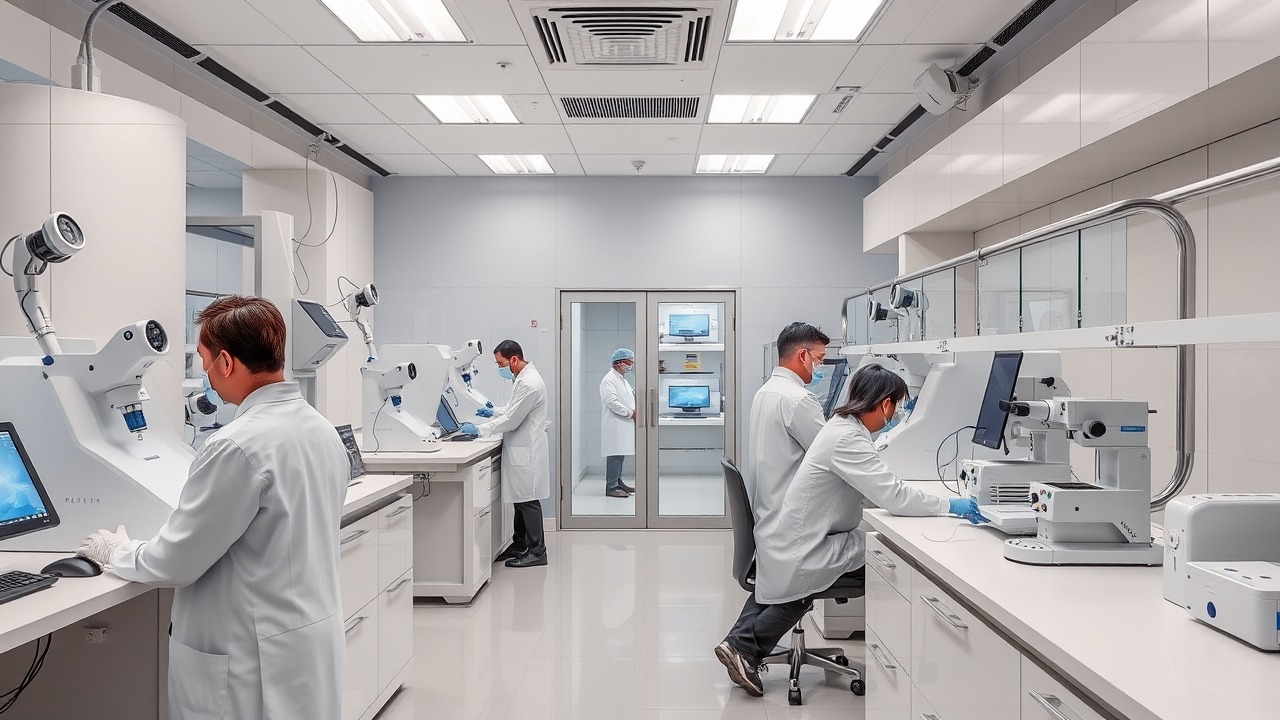
Every clinic must have a designated Central Sterile Services Department (CSSD) or a dedicated sterilization room, depending on its size. The workflow within these rooms must follow a strict “dirty-to-clean” unidirectional path. Surfaces must be non-porous and antimicrobial. Vinyl flooring with coved skirtings is a standard requirement to eliminate corners where bacteria can thrive.
Comparison: DHA Mainland vs. DHCC Freezone
Choosing the right jurisdiction is a strategic business decision. The following table highlights the key differences between the two primary licensing paths in Dubai.
| Feature | DHA (Mainland) | DHCC (Freezone) |
|---|---|---|
| Ownership | 100% Foreign ownership possible (Professional License) | 100% Foreign ownership |
| Location Flexibility | Anywhere in Dubai Mainland | Restricted to DHCC Zones |
| Regulatory Body | Dubai Health Authority | DHCC Authority |
| Target Market | Local community and residents | Medical tourism and specialized clusters |
| Recruitment | DHA-licensed professionals only | DHCC-licensed professionals |
Designing for the Patient Experience
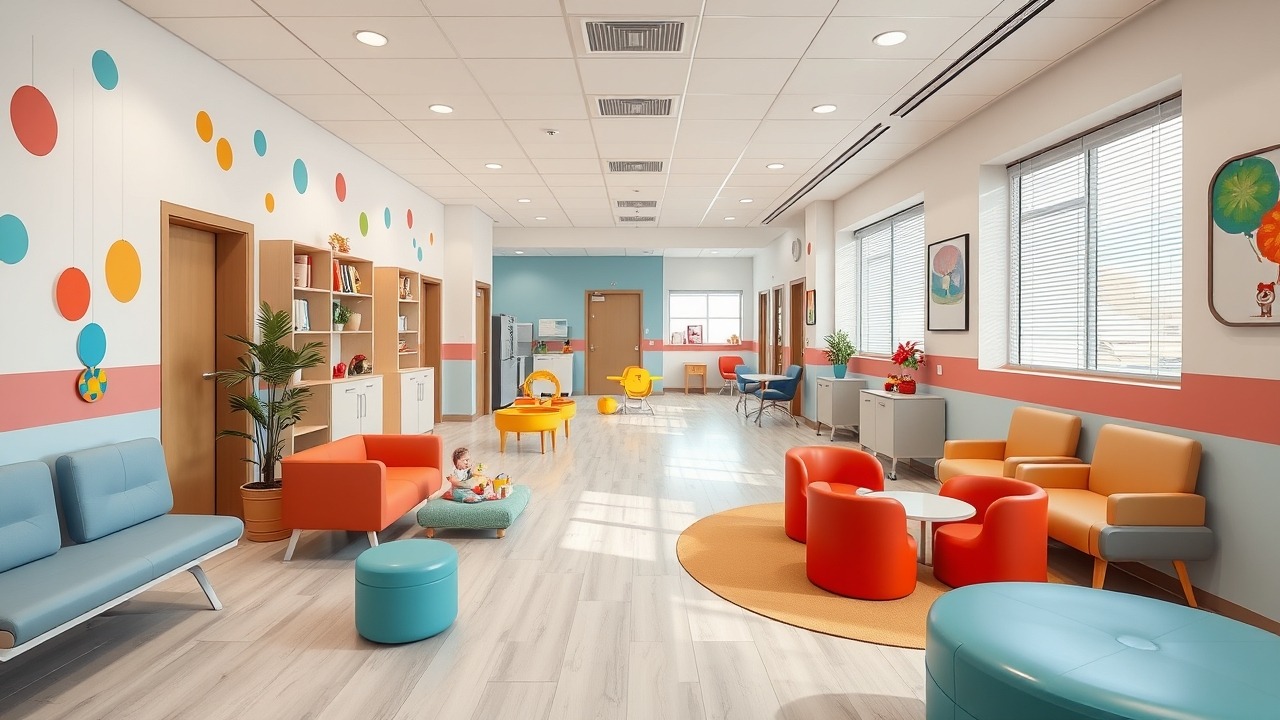
While compliance is mandatory, the design of a clinic should also prioritize the patient’s psychological well-being. Modern healthcare architecture in Dubai is moving away from the cold, clinical look of the past. Incorporating biophilic design—such as indoor plants, natural light, and organic textures—can significantly reduce patient anxiety.
1. Waiting Area Ergonomics
Waiting rooms are the first point of contact. They should be spacious enough to allow for social distancing while remaining welcoming. Providing amenities such as charging stations, high-speed Wi-Fi, and clear signage improves the perceived quality of care. Many providers are looking at offplan units that offer high ceilings and large glass facades to maximize this aesthetic appeal.
2. Privacy and Confidentiality
Soundproofing is a critical but often overlooked aspect of clinic fit-outs. Consultation rooms must be designed with acoustic insulation to ensure that doctor-patient conversations remain confidential. This is not just a design preference but a requirement under patient privacy laws in the UAE.
3. Accessibility
The Dubai Universal Design Code mandates that all healthcare facilities be accessible to People of Determination. This includes ramps, wide doorways, accessible restrooms, and low-height reception desks. Non-compliance in this area can result in the rejection of the final inspection for healthcare facility licensing.
The Role of Technology in Modern Clinics
The integration of smart technology is no longer optional. The DHA’s “Salama” project and the widespread use of Electronic Medical Records (EMR) mean that clinics must have robust IT infrastructures. Servers must be secure, and data must be stored in compliance with UAE data residency laws. Telemedicine capabilities are also being integrated into physical clinic designs, with dedicated rooms for remote consultations equipped with high-definition cameras and diagnostic peripherals.
Furthermore, the use of automated systems for lighting and climate control (BMS) can significantly reduce the operational costs (OPEX) of a facility. In a city where temperatures frequently exceed 40 degrees Celsius, efficient cooling systems that do not compromise air purity are a major investment. For those starting from scratch, it is wise to contact us early in the design phase to integrate these technologies into the initial drawings.
Sustainability in Healthcare Fit-Outs
Sustainability is becoming a core focus in Dubai’s 2030 vision. For medical facilities, this translates to using eco-friendly building materials, LED lighting, and water-efficient fixtures. Some facilities are even exploring the use of solar panels to offset the high energy consumption of medical machinery. Using low-VOC (Volatile Organic Compound) paints and adhesives is essential in a medical setting to maintain air quality and ensure the health of both patients and staff.
Frequently Asked Questions
What is the minimum size requirement for a clinic in Dubai?
The minimum size depends on the facility type. A general clinic usually requires a minimum of 1,200 to 1,500 square feet, while specialized centers may require significantly more. Each consultation room must typically be at least 12 square meters.
How long does the healthcare facility licensing process take?
On average, the process takes between 4 to 8 months. This includes trade name reservation, DHA initial approval, fit-out construction, and final inspection. Delays usually occur during the fit-out phase if the contractor is not familiar with medical codes.
Can I convert a residential villa into a clinic?
Yes, but only in specific areas designated by the Dubai Municipality and the DHA. The villa must undergo a “Change of Use” permit process and meet all clinical standards, which often involves significant structural modifications to accommodate MEP requirements.
Is medical malpractice insurance mandatory?
Yes, all licensed healthcare professionals and the facility itself must have valid medical malpractice insurance to operate in Dubai, as per federal law.
Conclusion
Navigating the complexities of healthcare facility licensing and fit-out in Dubai requires a strategic blend of regulatory knowledge, technical expertise, and patient-centric design. By understanding the rigorous standards set by the DHA and DHCC, and ensuring that every element—from HVAC systems to acoustic insulation—is meticulously planned, providers can establish facilities that are not only compliant but also competitive in Dubai’s thriving healthcare market. The journey from a conceptual layout to a fully operational clinic is demanding, yet the opportunity to contribute to one of the world’s most dynamic medical ecosystems is immensely rewarding. To ensure your facility meets every standard from day one, it is essential to partner with experts who understand the unique landscape of the UAE’s healthcare sector.