
As of mid-2026, Dubai Science Park (DSP) has transitioned from a niche commercial hub into one of the most sought-after residential micro-markets for high-skilled expatriates. The primary driver of this demand is the massive influx of R&D professionals, clinical researchers, and energy consultants who prioritize proximity to the district’s specialized laboratory and office infrastructure. For investors, this creates a high-tenure, low-vacancy environment rarely seen in more speculative areas.
The 2026 Professional Demographic Shift
The tenant profile in Dubai Science Park has evolved significantly over the last 24 months. What used to be a transient workforce has stabilized into a community of long-term residents. This is largely due to the Dubai Science Park mandate to host over 400 companies, including global giants in pharma and green tech. In my experience managing portfolios in this area, what most people miss is the “Ph.D. Factor”—the high concentration of tenants with advanced degrees who demand specific lifestyle amenities, such as proximity to co-working spaces and high-speed 5.5G connectivity for remote research synchronization.
The Dubai Science Park area has benefited from the UAE’s 2026 updated residency laws, which now grant streamlined 10-year Golden Visas to specialized engineering and scientific staff. This has anchored a wealthy professional class to the district, moving away from short-term hotel apartments toward long-term unfurnished or premium-furnished units.
Rental Market Dynamics: 2026 Data Analysis
Understanding the current numbers is vital for any landlord looking at maximizing your investment in rental property. The following table illustrates the rental price trajectory from 2024 to the 2026 projections, reflecting the supply-demand imbalance in the Al Barsha South corridor.
| Unit Type | Avg. Rent 2024 (AED) | Avg. Rent 2026 (AED) | Y-o-Y Increase (%) |
|---|---|---|---|
| Studio | 55,000 | 72,000 | ~14.5% |
| 1 Bedroom | 85,000 | 110,000 | ~13.8% |
| 2 Bedroom | 125,000 | 155,000 | ~11.5% |
While the broader Dubai real estate market trends show a stabilization in luxury villas, the mid-market segment in DSP is actually accelerating. This is due to the lack of new handovers in 2025, which has left a vacuum for professionals arriving to work in the newly completed Biotech Phase II expansion.
Why Professionals are Avoiding the Traditional Business Districts
In previous years, professionals working in DSP might have opted to live in Dubai Marina or Downtown. However, 2026 traffic patterns and the development of local infrastructure have changed this behavior. Practitioners in the area report that the “15-minute city” concept, heavily promoted by the Dubai 2040 Urban Master Plan, is the primary driver.
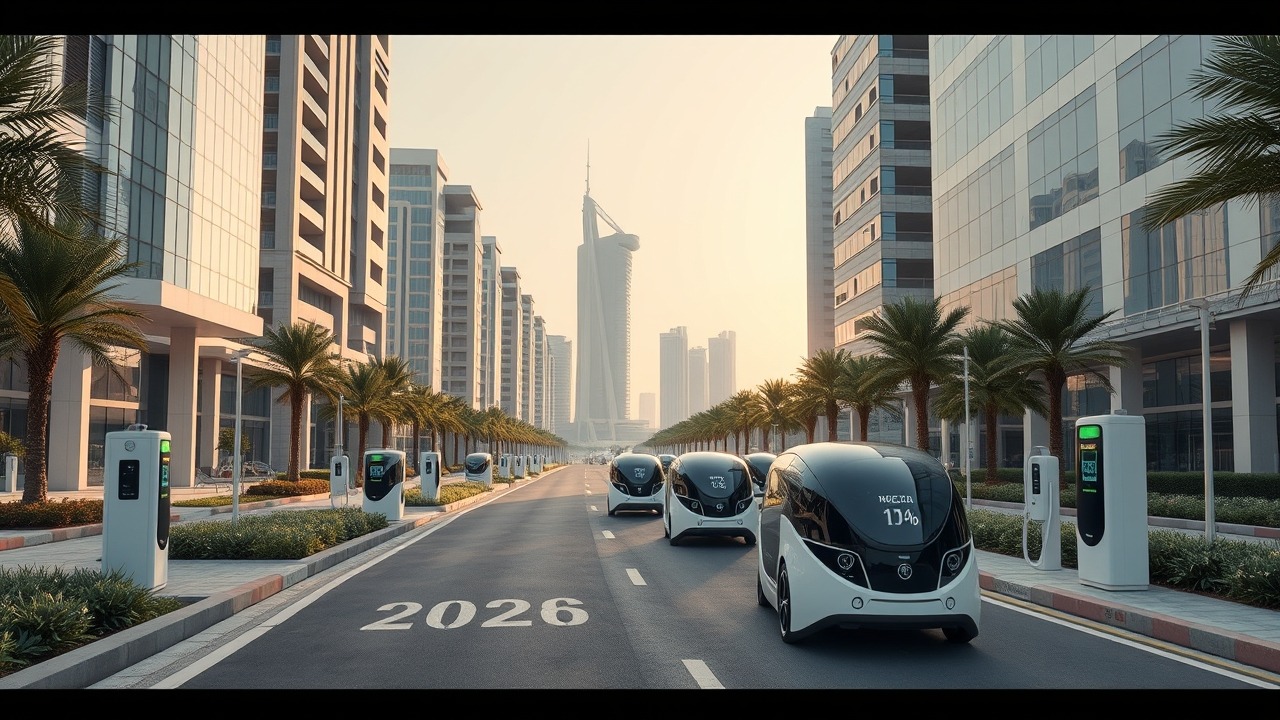
- Proximity to Labs: Many biomedical roles require on-site presence for sensitive experiments, making a 5-minute commute via electric scooter or autonomous pod a massive lifestyle advantage.
- Tech-Integrated Living: New residential projects in DSP are incorporating AI-driven property management systems that sync with the TECOM Group worker ecosystem.
- Community Gaps: Areas like Tilal Al Ghaf are seeing demand outstrip supply, pushing professionals who want high-end community vibes but work in science toward the high-rise luxury of DSP.

Investment Analysis: The Case for DSP Buy-to-Let
When looking at the highest rental yield areas in Dubai for 2026, Dubai Science Park consistently ranks in the top tier. The reason is the “Rental Floor.” Because the tenant base is corporate-backed (often with housing allowances from multinational pharma firms), rents are less sensitive to retail market fluctuations.
Capital Appreciation vs. Yield
While yields are high, capital appreciation in DSP has also seen a 12% rise in 2026. This is linked to the saturation of the off-plan location in Dubai Science Park. Most available land has now been allocated, meaning the secondary market is becoming the only entry point for new investors. I often tell my clients: what most people miss is that DSP isn’t just a residential area; it’s an extension of the Dubai Industrial City and Knowledge Park corridors, creating a “Science Triangle” of demand.
For those considering entry, understanding the ROI for properties in Dubai requires looking at net figures. After service charges—which are relatively moderate in DSP compared to JLT or Business Bay—the net ROI remains incredibly healthy for the 2026-2028 cycle.
The Impact of the D33 Agenda on Rental Demand
The Dubai Economic Agenda (D33) has specifically targeted a doubling of the city’s R&D contribution to GDP. In real terms, this means more labs, more clinical trial centers, and more logistics hubs. Each of these facilities requires a workforce of 50 to 500 professionals. In 2026, we are seeing the second-order effects of this policy: the “Science Park Premium.”
Professional tenants in this sector are typically looking for 1-bedroom units with a dedicated study space—a direct result of the hybrid working models adopted by global tech firms. Properties that offer this configuration are currently commanding a 10% premium over standard layouts. If you are looking to enter this market, checking the latest off-plan projects is essential to ensure you are buying the right floor plan for this specific demographic.
Comparative Landscape: DSP vs. Neighboring Areas
To truly understand why demand is centered here, we must look at the alternatives. Arjan is often considered a neighbor, but it lacks the commercial anchor of the Science Park. Expo City’s impact on South Dubai rental prices has drawn some attention away, but for the specialist working in pharma, Expo City is simply too far for a daily commute.
What I’ve observed in the 2026 market is a flight to quality. Professionals are willing to pay more to live in a building that features advanced air filtration and LEED certification—standards that are becoming mandatory in DSP’s new developments under the Dubai Development Authority regulations. This sustainability focus is not just marketing; it is a core requirement for European and American expats who dominate the science sector workforce.
Actionable Strategies for Landlords in 2026
If you already own property in DSP or are planning to buy, you need to differentiate. The standard of fit-out in 2026 has elevated. Simply offering a “standard” apartment is no longer enough to secure a top-tier science professional. Use these 15 simple ways to make your rental property stand out to ensure you capture the 110k+ AED rental bracket.
Practical Implementation Tips:
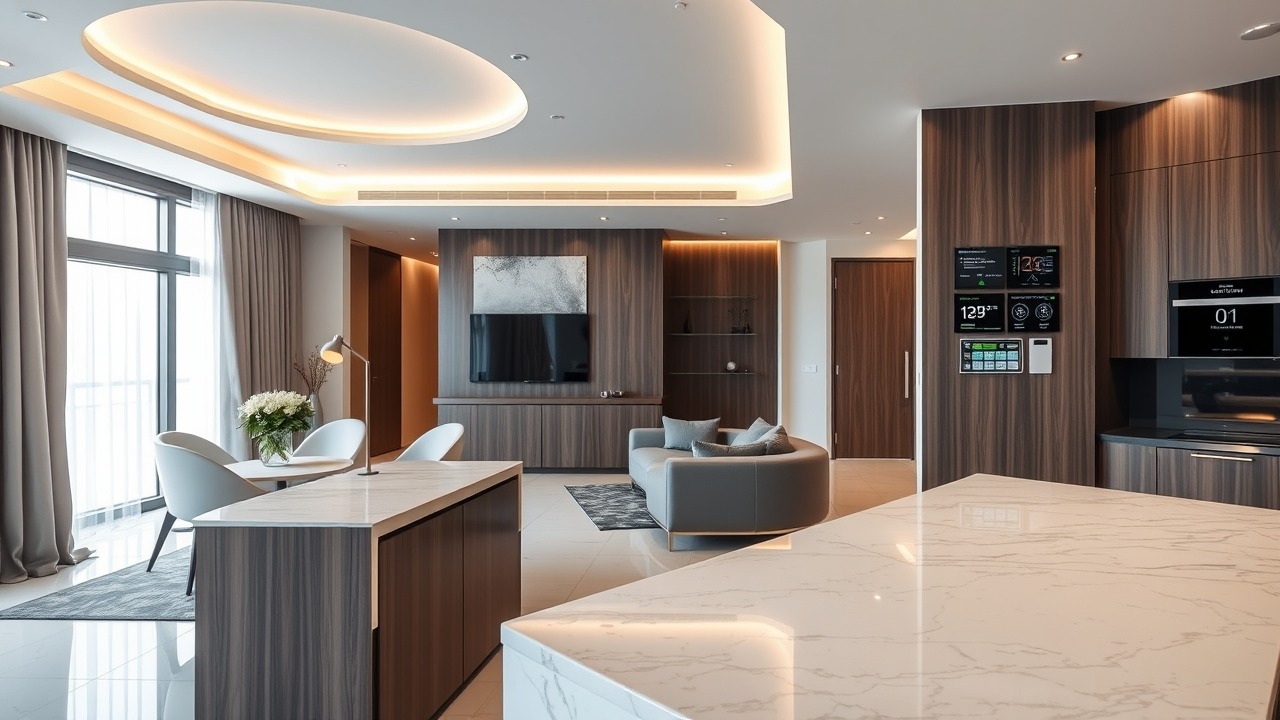
- Smart Home Integration: Ensure your unit is compatible with the latest Zigbee 3.1 or Matter protocols. Scientists love data; smart meters that show energy savings are a major selling point.
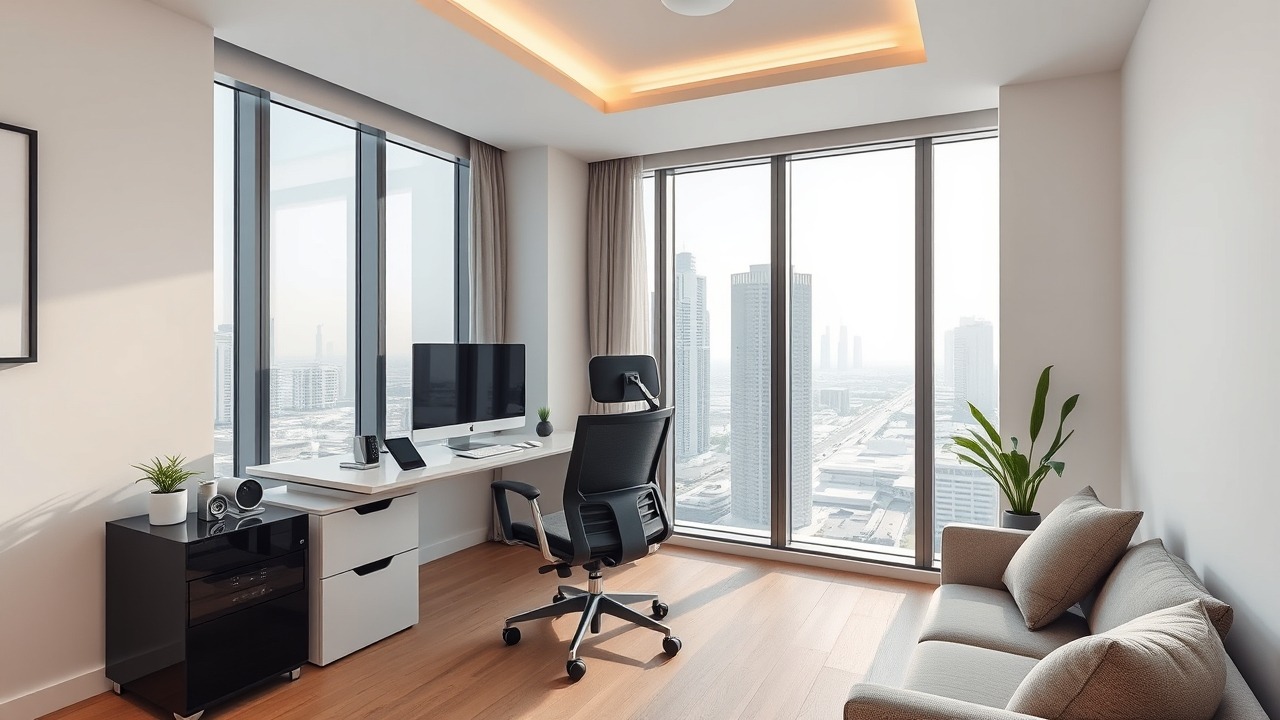
- Home Office Ergonomics: Replace the traditional dining nook with a high-quality built-in desk and acoustic paneling.
- Flexible Leasing: Many science professionals arrive on 6-month consulting contracts before converting to full-time residency. Offering a 6-month lease at a 20% premium can significantly boost your annual yield.
Furthermore, many investors are asking: is investing in emerging areas in Dubai a good idea? In the case of DSP, it is no longer an “emerging” area but a “maturing” one. The risk profile is lower than in 2022, but the entry price is higher. This is the hallmark of a stable, long-term asset class.

The Future: Dubai Science Park in 2027 and Beyond
Looking ahead, the demand shows no signs of cooling. The UAE Ministry of Economy has recently announced new incentives for genomic research startups to base themselves in DSP. This ensures a fresh pipeline of high-earning tenants through at least 2030. For those still weighing the benefits of why to invest in Dubai’s real estate market, the specialized industrial districts like DSP provide the best hedge against general market volatility.
The synergy between the workspace and the living space in DSP is becoming seamless. With the potential extension of the Dubai Metro Blue Line significantly easing access to the district by 2028-2029, the current “early-mover” investors in the 2026 cycle are likely to see another wave of capital appreciation.
Frequently Asked Questions
What is the average ROI for apartments in Dubai Science Park in 2026?
In 2026, investors are seeing net ROIs between 7.5% and 8.5%. This is driven by high occupancy rates and the district’s status as a specialized free-zone hub, attracting stable, corporate-backed tenants.
Which unit types are most in demand in DSP?
1-bedroom apartments with study rooms are the highest in demand. The shift toward hybrid work and the high number of single professionals or couples in the science sector makes these units highly liquid and profitable.
How has the D33 agenda affected DSP?
The D33 agenda has directly increased the number of licensed companies in DSP, leading to a 30% increase in the professional workforce since 2023. This has created a sustained supply shortage in the residential segment of the park.
Is Dubai Science Park a freehold area?
Yes, Dubai Science Park is a designated freehold area, allowing 100% ownership for foreign investors. This has been a major factor in attracting international capital into the district’s residential developments.
Methodology
This report was compiled using 2026 real estate transaction data from the Dubai Land Department, combined with corporate growth statistics from TECOM Group. Market forecasts were verified against the 2026-2030 Dubai Urban Planning updates and current residency visa issuance trends for the scientific sector.
Conclusion
The rental demand from professionals in Dubai Science Park is not a temporary spike but a structural shift in the Dubai economy. As the city moves toward a knowledge-based GDP, the districts that house that knowledge—specifically DSP—will continue to outperform the general market. For the savvy investor, the focus should remain on high-spec, tech-integrated units that cater to the unique needs of the global scientific community. By aligning your property portfolio with the strategic growth of the UAE’s R&D sector, you are securing an asset that is both resilient and highly remunerative in the long term.
