
Dubai South and JAFZA for Logistics: Warehouse Location Pros and Cons
The Strategic Importance of Dubai in Global Supply Chains
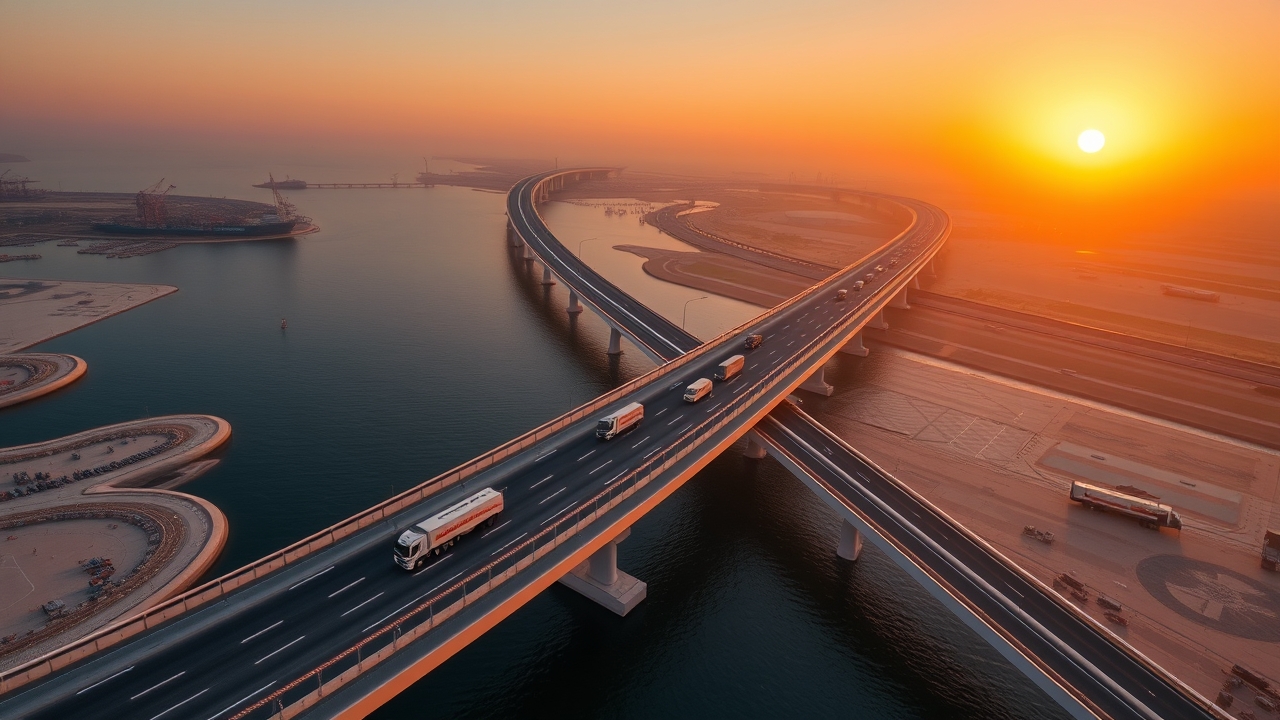
Dubai has long served as the crossroad between the East and the West. Its geographic location provides a unique gateway to the Middle East, Africa, and South Asia (MEASA) region. For logistics companies, the choice of warehouse location is not merely a real estate decision; it is a strategic maneuver that dictates delivery speed, customs efficiency, and operational overhead. When evaluating Dubai South and JAFZA for Logistics, one must consider the sheer scale of investment the UAE government has poured into these zones.
The city’s logistics infrastructure is anchored by two massive hubs: DP World’s Jebel Ali Port and the expansive Al Maktoum International Airport. Between them lies a customs-bonded corridor that allows for the seamless movement of goods in record time. This ecosystem is part of a broader vision to make Dubai the global leader in logistics by 2030.
Dubai South: The Aerotropolis of the Future
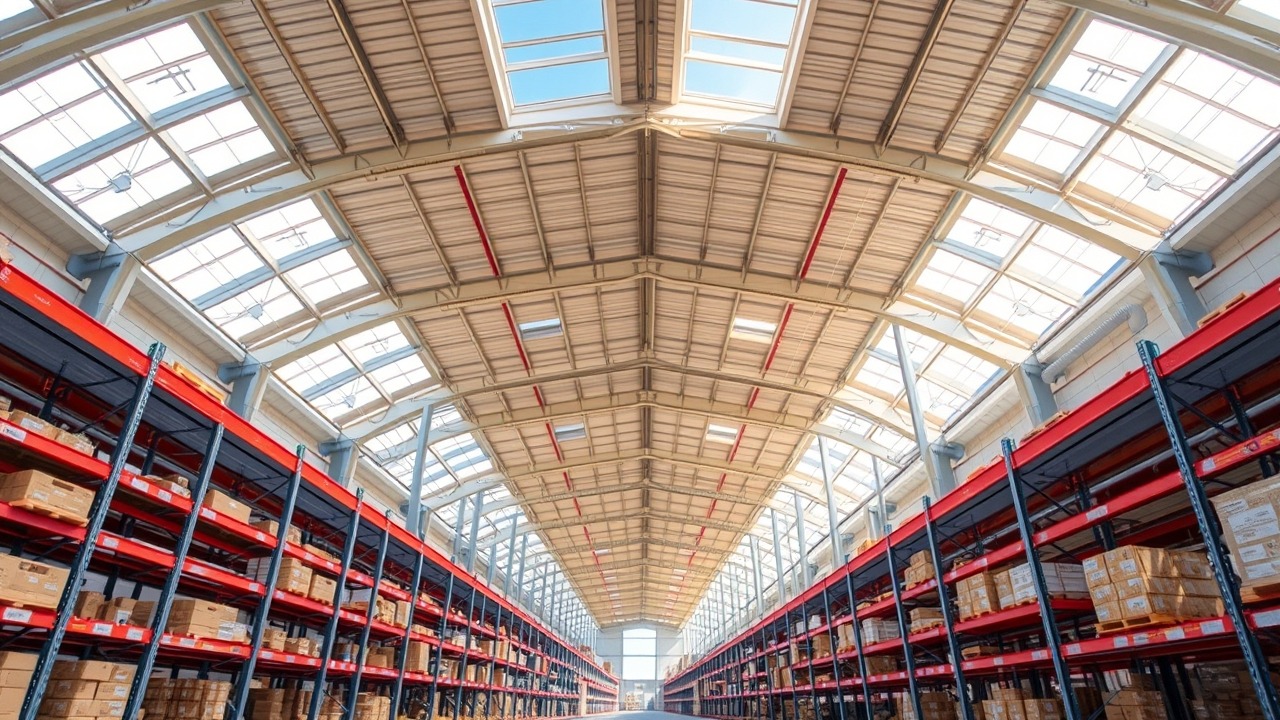
Dubai South, formerly known as Dubai World Central, is a massive 145-square-kilometer master-planned city. It is designed to support every conceivable type of business and industry, but its heart is the Logistics District. If you are looking at Dubai South, you are looking at a future-proofed environment built around the world’s largest airport in the making.
Key Features of the Logistics District
- 1. Proximity to Al Maktoum International Airport (DWC).
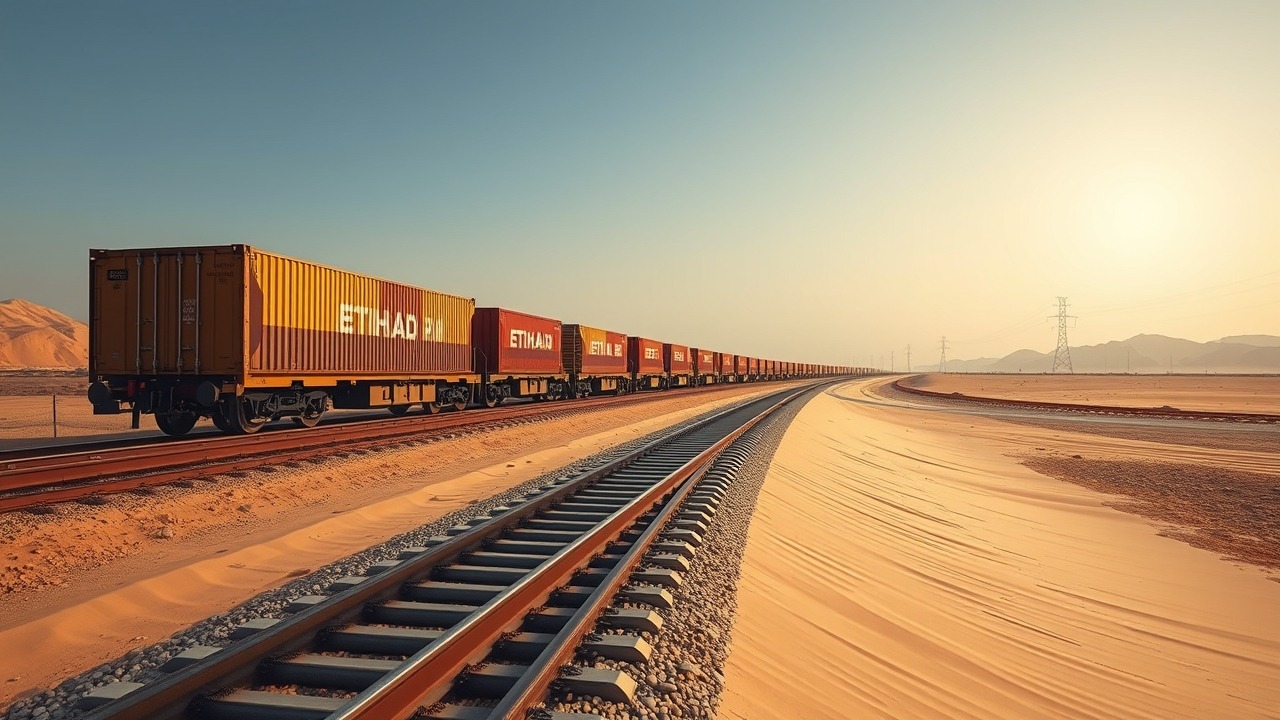
- 2. Direct access to the Etihad Rail network, which will eventually connect the entire GCC.
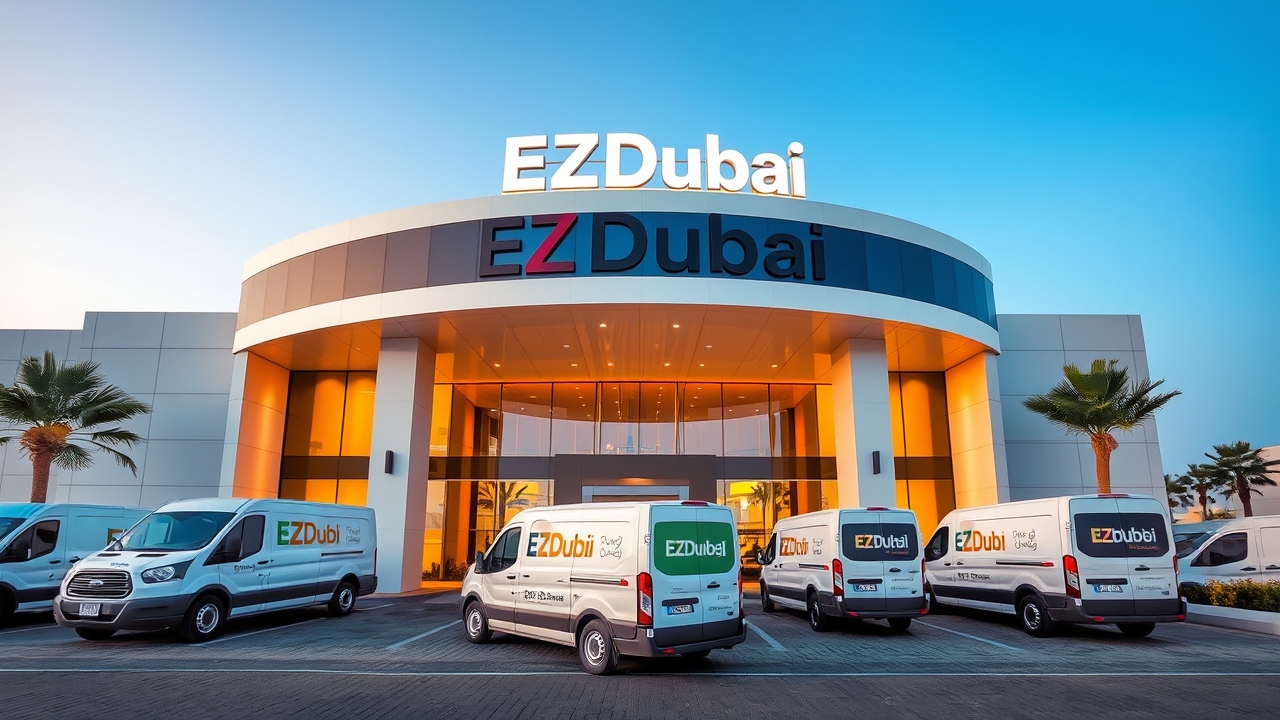
- 3. Dedicated EZDubai e-commerce zone, specifically designed for fast-moving consumer goods and last-mile delivery.
- 4. Flexible licensing options that cater to international logistics providers.
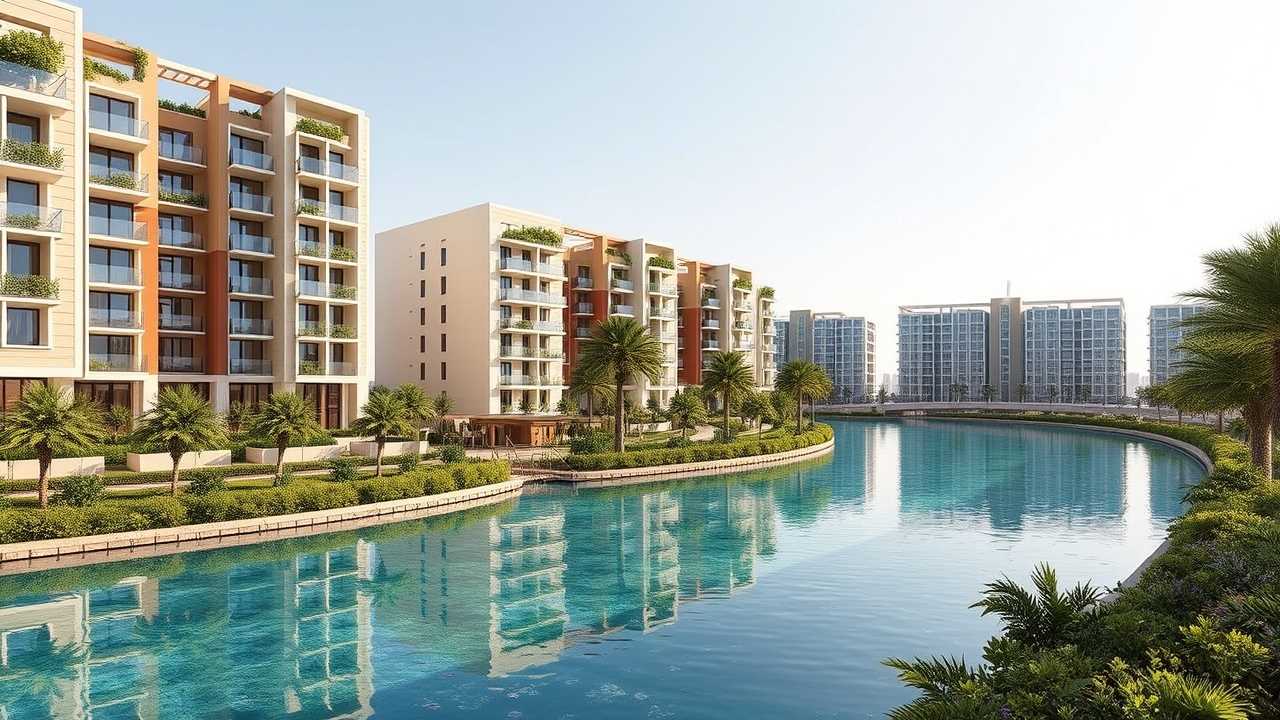
For businesses that require rapid turnaround times for air cargo, this zone is unparalleled. The infrastructure is modern, featuring wide road networks that accommodate heavy-duty vehicles without the congestion found in older parts of the city. Furthermore, the residential component is rapidly growing, with developments like Azizi Venice providing luxury living options for executives and staff working in the nearby industrial hubs.
Pros of Locating Your Warehouse in Dubai South
- Air Freight Dominance: Being adjacent to DWC means cargo can be moved from the tarmac to the warehouse in minutes.
- E-commerce Focus: With the rise of online shopping, Dubai South has created a specialized infrastructure to support digital commerce giants.
- Expansion Space: Unlike more mature zones, Dubai South still offers significant land plots for build-to-suit warehouse projects.
- Integrated Living: The area is designed as a city, meaning employees have access to housing, schools, and retail, reducing commute times.
Cons of Locating Your Warehouse in Dubai South
- Distance from Sea Ports: While connected by a corridor, it is further from Jebel Ali Port compared to JAFZA.
- Maturity of Ecosystem: While growing fast, it does not yet have the decades-long established network of small-to-medium specialized service providers that older zones possess.
- Construction Activity: Being a developing master-plan, there is ongoing construction which can occasionally lead to road diversions.
JAFZA: The Industrial Powerhouse
The Jebel Ali Free Zone (JAFZA) is one of the world’s most successful free zones. Established in 1985, it has evolved into a massive industrial complex that hosts thousands of companies, including many from the Fortune 500. According to DP World, JAFZA accounts for a significant portion of Dubai’s non-oil GDP.
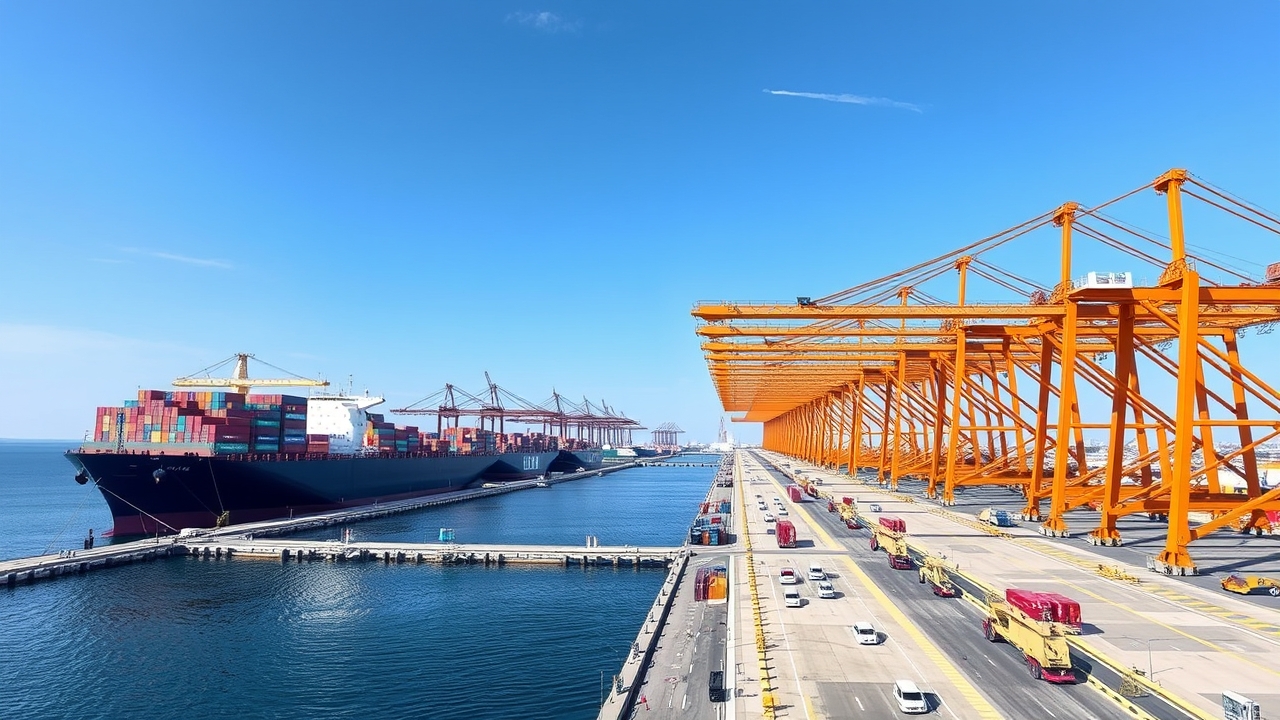
When comparing Dubai South and JAFZA for Logistics, JAFZA stands out for its unmatched maritime connectivity. It is built directly around Jebel Ali Port, the largest man-made harbor in the world and the busiest port in the Middle East.
Infrastructure and Scalability in JAFZA
- 1. Access to 150+ ports worldwide via Jebel Ali Port.
- 2. Specialized plots for chemical storage, steel, and automotive industries.
- 3. On-site customs and administrative services to speed up paperwork.
- 4. A mature business community with deep-rooted supply chain partners.
JAFZA is often the first choice for companies dealing in heavy industry, bulk commodities, and sea-shipped consumer goods. The regulatory framework is highly refined, offering a clear path for business setup, though companies must often weigh the free zone vs mainland advantages depending on their local distribution needs.

Pros of Locating Your Warehouse in JAFZA
- Maritime Synergy: Direct integration with the port reduces drayage costs and container handling times.
- Global Reputation: JAFZA is a globally recognized brand, which can add prestige and trust to an international logistics firm.
- Comprehensive Services: From deep-freeze storage to hazardous material handling, JAFZA has specialized facilities for every niche.
- Volume Discounts: Large-scale operators often find better economies of scale due to the sheer volume of trade passing through the zone.
Cons of Locating Your Warehouse in JAFZA
- Limited Expansion: Because it is so popular, prime warehouse space near the port can be scarce and expensive.
- Traffic Congestion: The high volume of trucks entering and exiting the port can lead to significant traffic during peak hours.
- Aging Infrastructure: Some of the older sections of JAFZA have warehouses that may require modernization compared to the brand-new facilities in Dubai South.
The Dubai Logistics Corridor: Bridging Air and Sea
One of the most innovative features of the Dubai logistics landscape is the Dubai Logistics Corridor. This is a unified customs-bonded area that links Jebel Ali Port, the Logistics District in Dubai South, and Al Maktoum International Airport. This corridor is central to why companies look at Dubai South and JAFZA for Logistics collectively rather than as isolated islands.
The corridor allows goods to be moved from sea to air (or vice versa) in less than four hours. This is a game-changer for perishables, high-value electronics, and fashion items that may arrive by sea but need to be dispatched globally via air to meet tight deadlines. According to Dubai Customs, this integration significantly reduces the documentation and inspection time required for transshipments.
Warehouse Costs and Specifications
The cost of leasing or building a warehouse varies significantly between the two zones. Generally, JAFZA commands a premium due to its proximity to the port and its established status. However, Dubai South offers competitive rates to attract new businesses and large-scale e-commerce fulfillment centers.
When selecting a facility, businesses must choose between various warehouse types:
- 1.
Shell and Core:
- Just the basic structure, allowing the tenant to install their own racking and cooling systems.
- 2.
Fitted Warehouses:
- Ready-to-use spaces with lighting, fire suppression, and basic flooring.
- 3.
Cold Storage:
- Specialized units for food or pharmaceutical products.
- 4.
Light Industrial Units (LIUs):
- Smaller spaces combined with office facilities, ideal for SMEs.
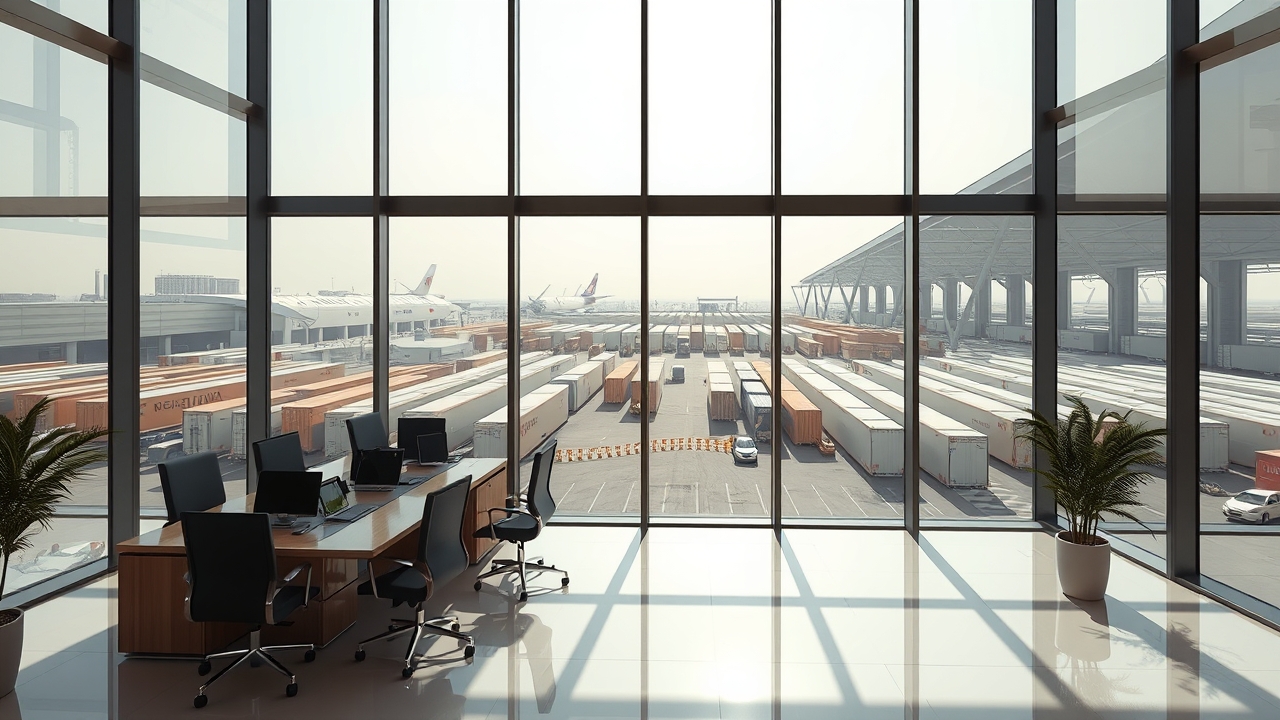
Comparison Table: Dubai South vs JAFZA
To help visualize the differences between Dubai South and JAFZA for Logistics, the following table summarizes the key metrics:
| Feature | Dubai South (Logistics District) | JAFZA (Jebel Ali Free Zone) |
|---|---|---|
| Primary Connectivity | Al Maktoum International Airport | Jebel Ali Port |
| Best For | Air cargo, E-commerce, Last-mile delivery | Sea freight, Heavy industry, Bulk trading |
| Infrastructure Age | New / Cutting-edge | Established / Varied |
| Expansion Potential | High (大量 land available) | Moderate (Prime plots are limited) |
| Average Lease Rates | Lower to Moderate | Moderate to High |
| Customs Integration | Seamless (Dubai Logistics Corridor) | Seamless (Direct Port Access) |
Living and Working: The Real Estate Perspective
For a logistics operation to be successful, the well-being of its workforce is paramount. One of the major advantages of the recent developments in Dubai South is the focus on residential communities. Employees working in the Logistics District can live in nearby high-quality apartments, which is a significant draw for talent acquisition.
The rise of the “15-minute city” concept in Dubai South means that industrial workers and executives alike have access to parks, shopping centers, and healthcare. This is a contrast to the more industrial-heavy environment of JAFZA, where most workers commute from areas like Discovery Gardens, Al Furjan, or even further into the city. For investors, purchasing residential property in these areas can be lucrative, especially when considering the pros and cons of buying property in Dubai to house a corporate workforce.
Sustainability in Logistics
Both Dubai South and JAFZA are moving toward greener logistics solutions. The UAE’s commitment to Net Zero 2050 is driving these zones to implement solar-powered warehouses, energy-efficient lighting, and water recycling systems. When choosing between Dubai South and JAFZA for Logistics, savvy business owners are now looking at the environmental footprint of their warehouse location. Dubai South, being newer, has more buildings that meet LEED certification standards, while JAFZA is retrofitting older units to meet modern sustainability requirements.
Frequently Asked Questions
1. Can I move goods between JAFZA and Dubai South without paying customs duties?
Yes, the Dubai Logistics Corridor acts as a bonded area, allowing for the transfer of goods between the two zones without the payment of customs duties or the need for repeated inspections, provided the goods are for transshipment or export.
2. Which zone is better for an e-commerce startup?
Dubai South is generally considered better for e-commerce due to the EZDubai zone, which is specifically tailored for high-frequency, small-parcel movements and has direct links to air freight for international shipping.
3. Are there office spaces available within these industrial zones?
Yes, both zones offer a variety of office solutions. You can choose between standalone office buildings or warehouses that include mezzanine office space. For those needing a separate corporate headquarters, exploring the costs of fitted offices is recommended.
4. Is 100% foreign ownership allowed?
Both Dubai South and JAFZA are free zones, which means they allow for 100% foreign ownership, full repatriation of profits, and exemption from personal and corporate income taxes (subject to UAE Federal Tax Law compliance).
Contact Us to Find Your Ideal Warehouse Location
Selecting the right hub for your operations is a decision that impacts your bottom line for years to come. Whether you prefer the maritime strength of Jebel Ali or the aerial speed of Dubai South, our experts are here to guide you through the leasing, legal, and setup process. Fill the form on the right side on desktop and at the end of the article on mobile to Learn More about the best logistics opportunities in Dubai today.