
Education and Training Centers in Dubai: Zoning, Parking, and Safety Rules
Understanding the Regulatory Framework for Educational Facilities
The landscape for education and training centers in Dubai is governed by a multi-tiered regulatory system. Unlike standard commercial offices, educational institutions cater to a high volume of daily visitors, ranging from students and instructors to administrative staff and parents. This demographic profile necessitates higher standards for safety, accessibility, and infrastructure. The primary authorities involved include the Department of Economy and Tourism (DET) for mainland licenses, various Free Zone authorities for localized permits, and the KHDA, which acts as the academic regulator for all private education entities in the emirate.
When selecting a location, investors must distinguish between the specific needs of a vocational training center versus a primary school or a higher education institute. Each has a unique set of requirements regarding square footage, student-to-teacher ratios, and facility amenities. Navigating these rules is the first step in ensuring a successful and legally compliant establishment in one of the world’s most dynamic educational hubs.
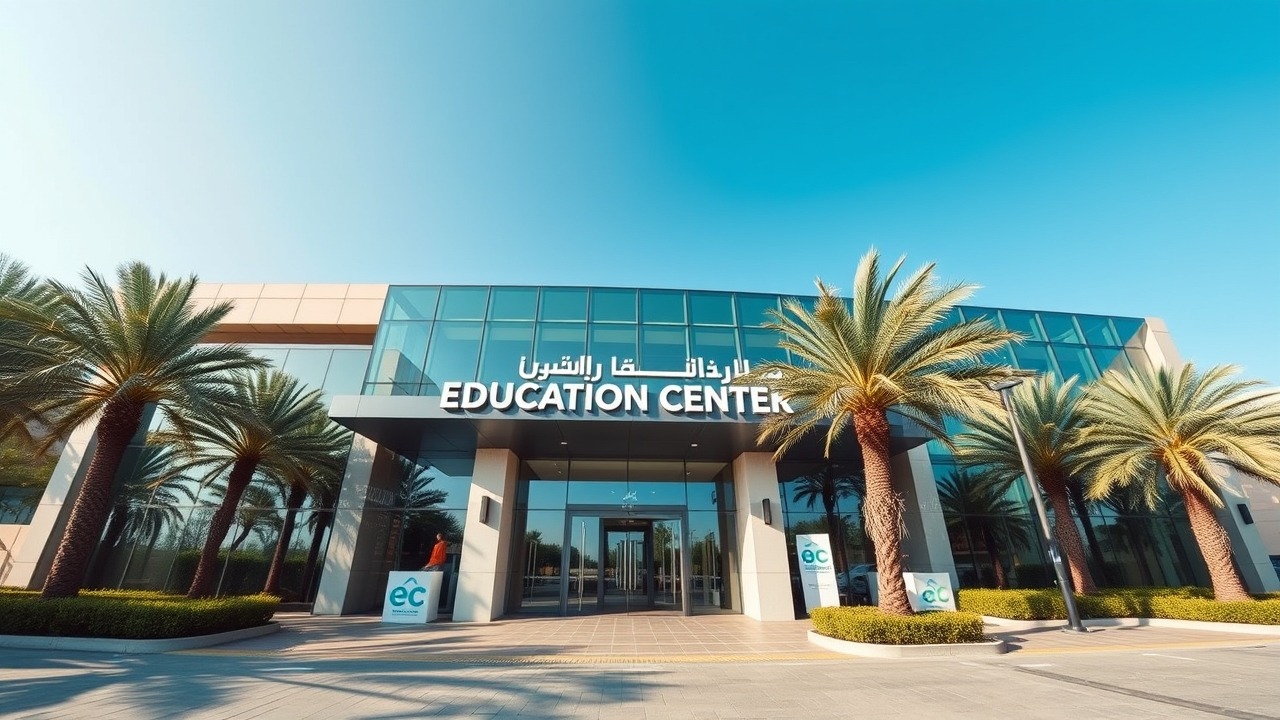
Zoning Regulations: Where Can You Establish a Center?
Zoning is perhaps the most critical factor when planning an education center. Dubai is meticulously planned, and the location of your facility must align with the land-use designations set by the Dubai Municipality (DM) or the relevant Free Zone authority. In Dubai, educational activities are typically restricted to specific zones to prevent residential disturbances and manage traffic flow.
Mainland vs. Free Zone Zoning
In the Dubai Mainland, education and training centers are generally permitted in commercial buildings (C) or dedicated educational plots (E). It is rare to find approval for these centers in residential villas unless the villa is located on a major arterial road specifically designated for commercial or professional use. Even then, a “Change of Use” permit from the Dubai Municipality is mandatory. This process involves a technical review of the building’s structural integrity and its ability to handle increased foot traffic.
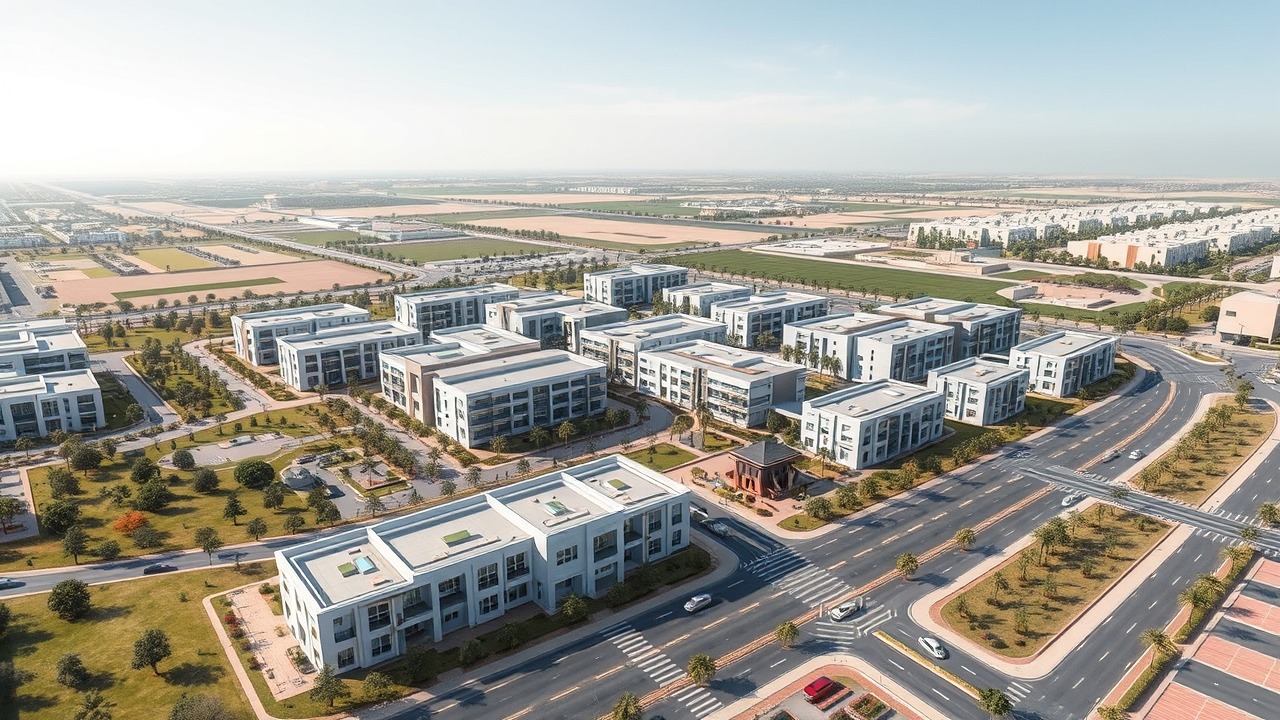
Conversely, Free Zones like Dubai Knowledge Park (DKP) and Dubai International Academic City (DIAC) are purpose-built for education. These zones offer streamlined processes and pre-approved zoning for various educational activities. However, the costs associated with leasing in these specialized clusters are often higher than in mainland commercial districts. For those looking for long-term investments in growing neighborhoods, exploring offplan commercial spaces in emerging districts like Dubai South or Arjan can provide a strategic advantage as these areas are being developed with modern zoning standards in mind.
The Role of KHDA in Location Approval
Before a lease is signed, the KHDA must provide an initial approval for the site. They evaluate whether the location is suitable for the specific type of training being offered. For example, a heavy machinery training center would not be permitted in a high-rise office tower in Business Bay due to noise and safety concerns. The KHDA ensures that the environment is conducive to learning and that the surrounding businesses do not pose a risk or distraction to students.
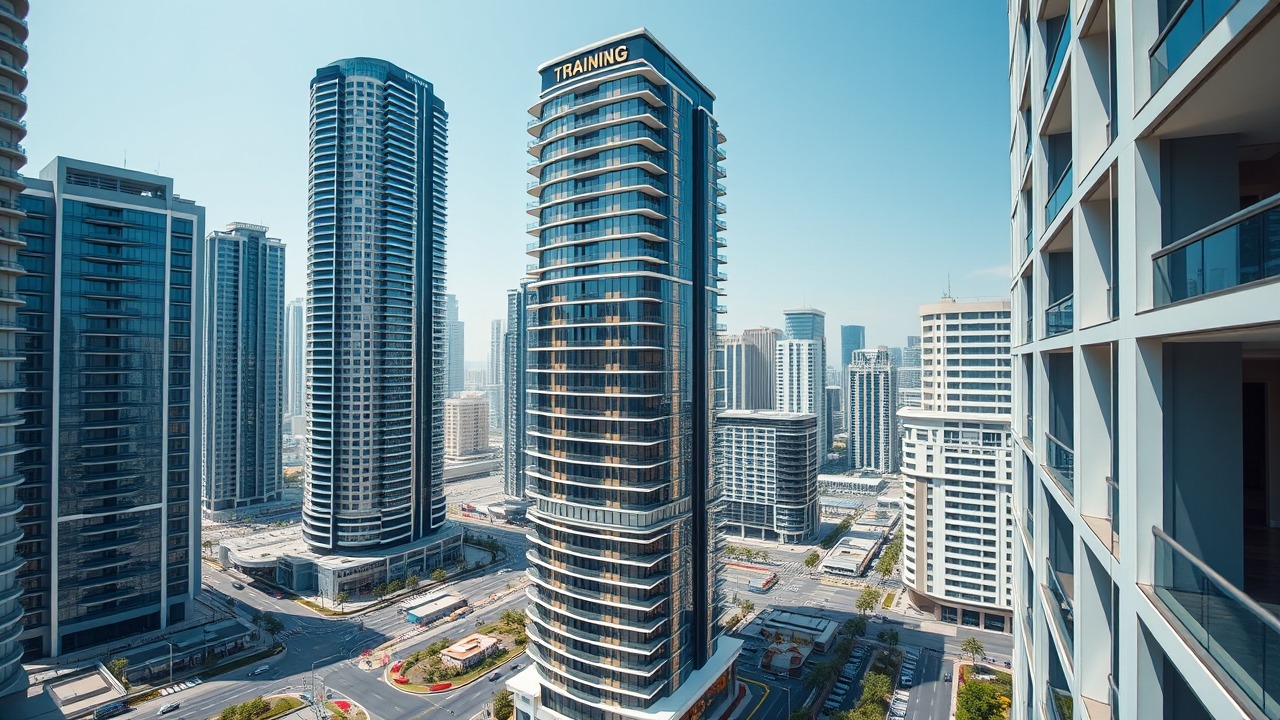
Parking Requirements and Traffic Impact
The Roads and Transport Authority (RTA) has strict guidelines for parking provisions for education and training centers in Dubai. Because these centers attract a high number of occupants simultaneously—particularly during class start and end times—the standard commercial parking ratio is often insufficient.
Standard Parking Ratios
- Training Centers (General): Typically require 1 parking space for every 500 to 750 square feet of Gross Floor Area (GFA).
- Technical and Vocational Institutes: May require additional spaces for equipment transport and larger student vehicles.
- Pick-up and Drop-off Zones: Crucial for centers catering to minors. These zones must be integrated into the site plan to prevent traffic congestion on public roads.
Failure to provide adequate parking can lead to the rejection of the building permit or the trade license. In densely populated areas like Bur Dubai or Deira, securing enough parking spaces can be a significant challenge. Many operators choose to lease additional spaces in nearby parking lots or provide shuttle services to mitigate this issue. If you are struggling with the logistics of site selection, it is often helpful to contact us for expert guidance on commercial real estate compliance.
Accessibility Standards
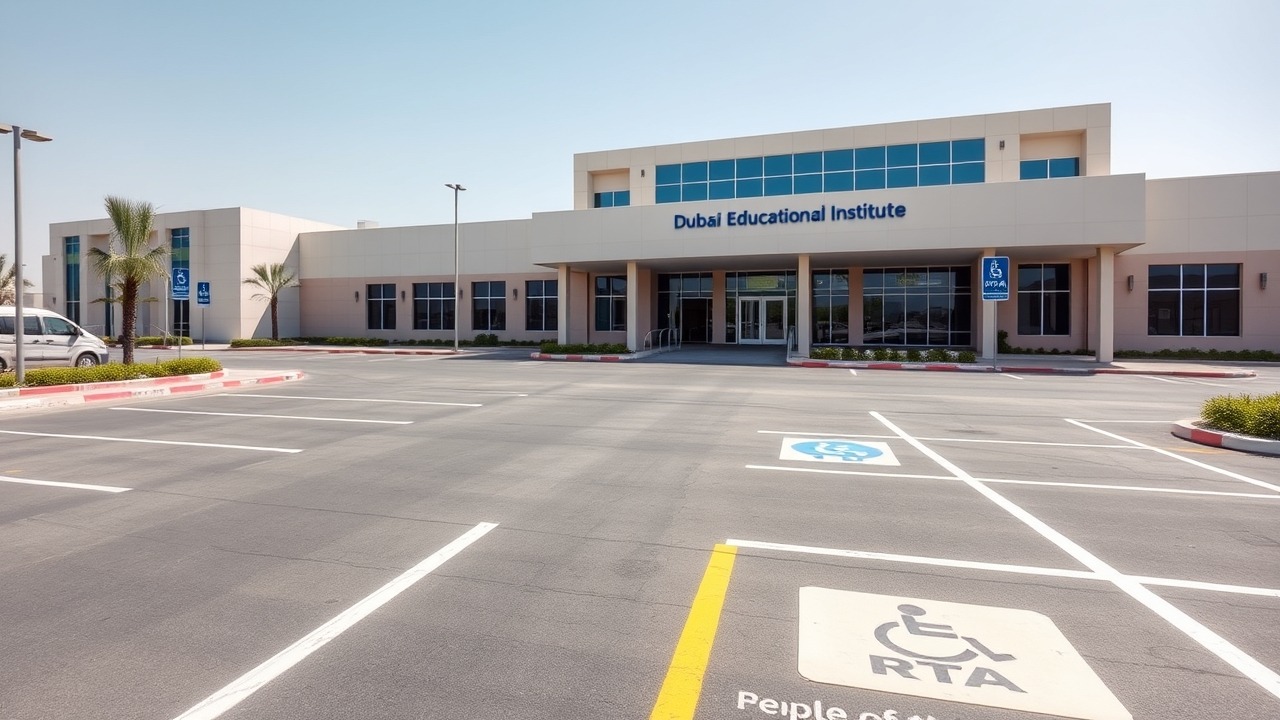
Beyond the number of spots, the RTA and Dubai Municipality require that parking facilities be accessible. This includes designated spaces for People of Determination (POD), which must be located closest to the main entrance and feature appropriate signage and ramp access. The dimensions of these spaces must comply with the Dubai Universal Design Code, ensuring that the facility is inclusive for all members of the community.
Safety Rules and Civil Defence Compliance
Safety is non-negotiable for educational institutions. The Dubai Civil Defence (DCD) mandates that all education and training centers in Dubai adhere to the UAE Fire and Life Safety Code of Practice. This code is one of the most stringent in the world, designed to ensure rapid evacuation and fire suppression in the event of an emergency.
Fire Alarm and Suppression Systems
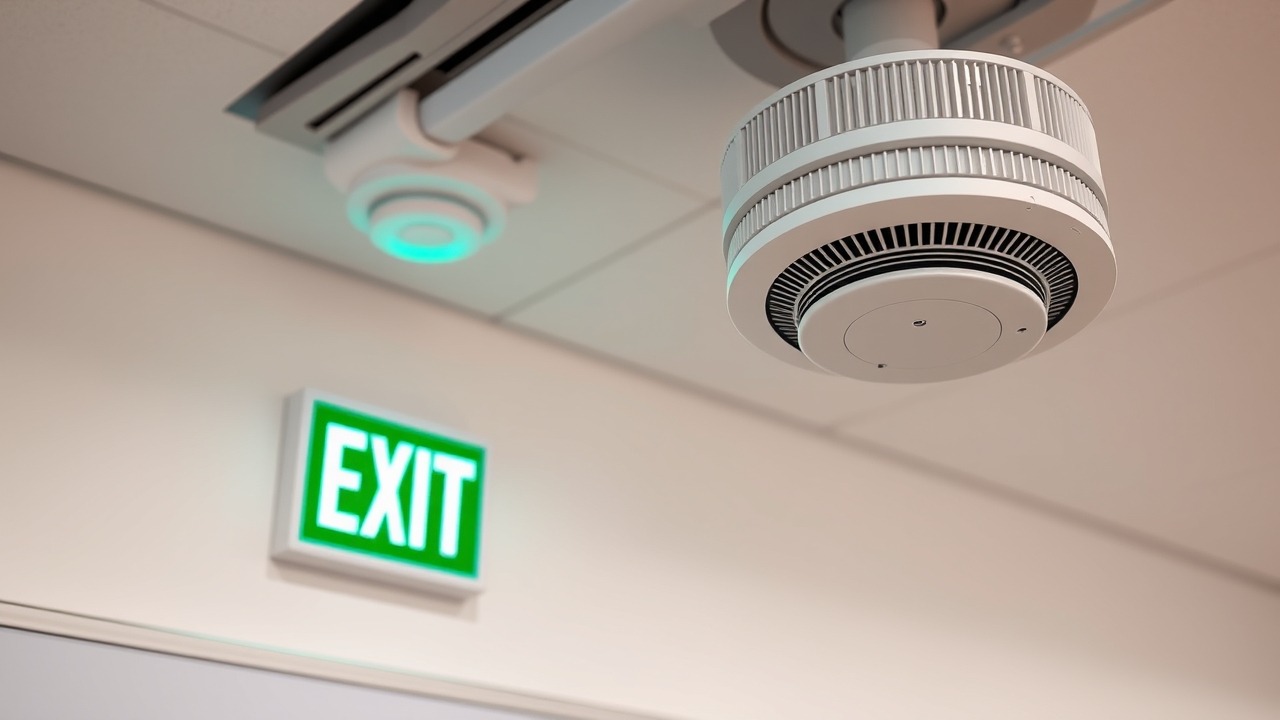
Every center must be equipped with a centralized fire alarm system that is directly linked to the Dubai Civil Defence via the “Hassantuk” system. This 24/7 monitoring service ensures that emergency responders are alerted the moment a smoke detector or heat sensor is triggered. Additionally, the facility must have:
- Automatic sprinkler systems covering the entire floor area.
- Fire extinguishers (CO2 and Water) placed at strategic intervals.
- Fire hose reels and hydrants accessible to the DCD.
- Emergency lighting and illuminated exit signs with battery backups.
Evacuation and Emergency Planning
The physical layout of the center must facilitate quick egress. Corridor widths are regulated based on the maximum occupancy of the classrooms. For instance, a corridor serving a capacity of more than 50 students must be wider than a standard office hallway. All doors in the path of egress must open in the direction of travel (outward-swinging) and be fitted with panic hardware. Regular fire drills are a mandatory part of the operational license, and records of these drills must be maintained for inspection by the authorities.
Architectural and Interior Standards
The internal design of education and training centers in Dubai is subject to health and safety audits by the Dubai Municipality. These standards ensure that the physical environment supports the well-being of students and staff.
Space and Ventilation
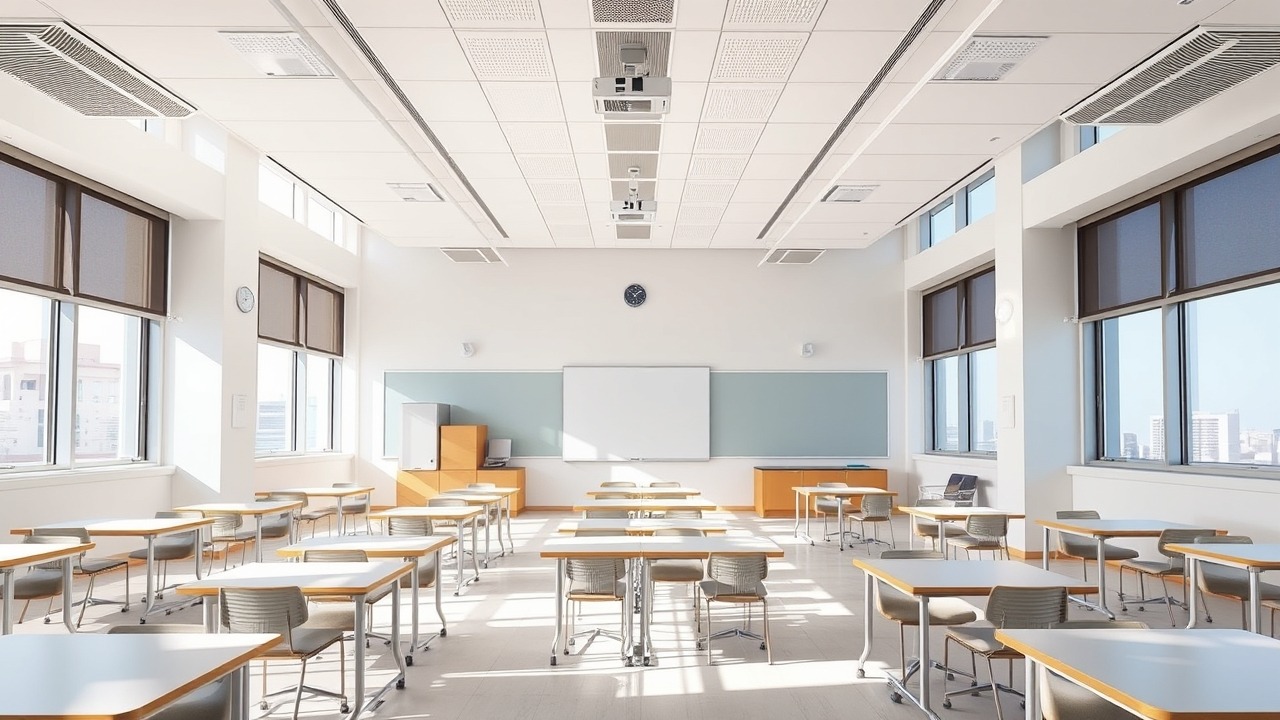
The KHDA prescribes a minimum square footage per student to prevent overcrowding. For a standard classroom, this is often around 1.5 to 2 square meters per student, though this varies by the type of activity. Ceiling heights are also regulated; a minimum height of 2.7 to 3.0 meters is generally required to ensure adequate air volume and lighting distribution. Speaking of air, the HVAC (Heating, Ventilation, and Air Conditioning) systems must provide a specific fresh air exchange rate to maintain indoor air quality, which is critical in a desert climate like Dubai’s.
Acoustics and Lighting
Learning environments require specialized acoustic treatment to minimize echo and external noise. Walls between classrooms often need a higher Sound Transmission Class (STC) rating than standard office partitions. Similarly, lighting must be flicker-free and provide a minimum of 300 to 500 lux on desk surfaces to prevent eye strain. Incorporating natural light is encouraged but must be balanced with thermal insulation to maintain energy efficiency, as outlined in the Al Sa’fat – Dubai Green Building Evaluation System.
The Licensing Process: Step-by-Step
Opening an education center involves a sequential approval process that can take anywhere from three to six months, depending on the complexity of the facility and the speed of fit-out works.
- **Initial Approval (DET/Free Zone):** Registering the trade name and getting preliminary approval for the educational activity.
- **KHDA Educational Permit:** Submitting a detailed academic plan, staff qualifications, and the proposed facility layout for approval.
- **Site Inspection and Tenancy:** Securing a physical location that meets the zoning and parking criteria mentioned earlier.
- **Fit-out Permits:** Obtaining approvals from Dubai Municipality and Civil Defence for the interior construction and fire safety systems.
- **Final Inspection:** Once the fit-out is complete, authorities conduct a final walk-through to ensure the site matches the approved plans.
- **Issuance of Trade License:** The final step which allows the center to legally operate and enroll students.
It is vital to consult official resources like the KHDA official website or the Dubai Municipality portal for the most up-to-date fee structures and technical circulars.
Comparison of Licensing Authorities for Training Centers
Choosing the right authority impacts your costs, target market, and operational flexibility. Below is a comparison of the primary options available in Dubai.
| Feature | Dubai Mainland (DET) | Dubai Knowledge Park (Free Zone) | Dubai Silicon Oasis (DSO) |
|---|---|---|---|
| **Target Market** | Local Dubai market and schools | Specialized training & HR companies | Tech-focused and vocational training |
| **Zoning Flexibility** | Moderate (Commercial towers) | High (Dedicated academic hub) | High (Integrated community) |
| **Parking Availability** | Variable; often challenging | Dedicated campus parking | Usually included in lease |
| **Initial Costs** | Lower setup fees; higher rent | Higher setup fees; higher rent | Moderate setup and rental fees |
| **Safety Standards** | DCD & DM standard | DCD & Zone-specific guidelines | DCD & DSO Authority rules |
Health and Environmental Considerations
Education centers are classified as sensitive environments, meaning they must follow strict hygiene protocols. The Dubai Health Authority (DHA) may also be involved if the center includes a clinic or provides health-related training. All facilities must have a dedicated first-aid room or a well-equipped first-aid kit, depending on the number of students. Furthermore, the use of non-toxic materials for paints, floorings, and furniture is mandatory to ensure the safety of students, particularly in centers catering to younger children.
Waste management is another critical area. Education centers generate significant amounts of paper and plastic waste. Dubai Municipality encourages the implementation of recycling programs within these facilities. Some free zones have mandatory waste segregation policies that centers must follow as part of their environmental commitment.
Future Trends in Educational Real Estate
The shift towards hybrid learning has influenced the physical requirements for education and training centers in Dubai. There is a growing demand for “flexible learning spaces”—classrooms that can be easily reconfigured with movable partitions and modular furniture. Additionally, there is a push for higher technological integration, requiring robust high-speed internet infrastructure and dedicated server rooms with specialized cooling requirements. Investors are increasingly looking at offplan commercial projects that are designed with these technological needs in mind, rather than retrofitting older buildings.
Sustainability is also becoming a priority. Newer education centers are striving for LEED or Al Sa’fat certification to reduce operational costs and appeal to environmentally conscious students. This involves the use of solar panels, water-saving fixtures, and smart building management systems that control lighting and AC based on occupancy.
Frequently Asked Questions
1. Can I open a training center in a residential area in Dubai?
Generally, no. Education and training centers in Dubai are restricted to commercial buildings or educational plots. Only in specific cases where a villa is located on a main commercial road and a “Change of Use” permit is obtained from the Dubai Municipality can such a facility be permitted.
2. How many parking spots do I need for my center?
The RTA typically requires one parking bay per 500-750 square feet of Gross Floor Area for training centers. However, this ratio can change based on the specific type of education provided and the location’s traffic density. It is best to check the RTA’s latest Parking Standards Manual.
3. Do I need KHDA approval if I am in a Free Zone?
Yes, all private education and training providers in Dubai, regardless of whether they are in the mainland or a Free Zone, must obtain an educational permit from the KHDA to operate legally and issue recognized certificates.
4. What are the fire safety requirements for an educational center?
Centers must have a DCD-approved fire alarm system, sprinklers, fire extinguishers, and clear, illuminated exit paths. All systems must be integrated with the Hassantuk 24/7 monitoring service. Specific corridor widths and door types are also required based on the occupancy load.
Conclusion
Establishing one of the premier education and training centers in Dubai is a rewarding venture that requires meticulous planning and a deep understanding of local regulations. From the initial zoning checks and RTA parking calculations to the rigorous safety standards set by the Dubai Civil Defence, every detail is designed to ensure a high-quality, safe learning environment. By aligning your facility with the KHDA’s vision and investing in compliant, modern infrastructure, you can build a sustainable institution that contributes to the emirate’s thriving knowledge economy.