
Handover Checklist 2025: Title Deed, Oqood, Snagging, DEWA
As the Dubai real estate market continues its trajectory of unprecedented growth, 2025 marks a pivotal year for thousands of investors receiving keys to their new properties. Whether you are a first-time buyer or a seasoned investor, the period between the completion notice and moving in is fraught with administrative and technical complexities. Navigating this phase requires a systematic approach to ensure your investment is legally protected and physically sound.

Understanding the Legal Framework: Oqood vs. Title Deed
The journey of property ownership in Dubai officially begins with the registration of the sales agreement with the Dubai Land Department (DLD). However, there is often confusion regarding the distinction between an Oqood and a Title Deed, particularly during the transition phase of property completion.
1. What is Oqood?
Oqood is an Arabic word meaning “contracts.” In the context of Dubai real estate, it refers to the pre-title register maintained by the DLD. When you purchase an off-plan property, the developer is legally obligated to register the transaction in the Oqood system. This acts as a temporary registration that protects the buyer’s rights before the building is physically completed. It ensures that the same unit cannot be sold to multiple parties and verifies that the developer has met the necessary regulatory requirements to sell off-plan.
2. Transitioning to a Title Deed
Once the project reaches completion and the developer receives the Building Completion Certificate (BCC) from the local municipality, the property is eligible for a permanent Title Deed. This document is the ultimate proof of ownership. To facilitate this, the developer will initiate the process of converting the Oqood into a Title Deed in the owner’s name. This process is essential for anyone looking to sell the property on the secondary market or secure a mortgage against a ready property.
For more details on this specific legal transition, you can explore the title deed registration in Dubai step-by-step process explained to understand the documentation and costs involved, such as the 4% DLD fee and administrative charges.
The Pre-Handover Financial Settlement
Before the developer allows you to inspect the property or collect the keys, all financial obligations must be cleared. This stage often involves more than just the final installment of the purchase price. In 2025, developers have streamlined these payments through digital portals, but the variety of fees remains consistent.
1. Common Handover Fees
In addition to the property price, be prepared for the following costs:
- DLD Registration Fees: Usually 4% of the property value plus knowledge and innovation fees.
- Service Charges: Developers often require the first year or quarter of service charges to be paid in advance.
- Administration Fees: Charges for processing the handover and issuing NOCs (No Objection Certificates).
- Utility Connection Deposits: While paid to third parties, these are necessary for the property to be functional.
2. Payment Plans and Mortgages
If you are on a post-handover payment plan, ensure that your post-dated cheques or digital payment authorizations are in order. For those transitioning from a construction-linked plan to a bank mortgage, the timing is critical. Banks usually require the Title Deed or a specific notification from the developer to release the final funds. Understanding post-handover payment plans in Dubai 2025 is vital for managing your cash flow during this high-expense period.
Professional Snagging: Ensuring Quality Control
Snagging is perhaps the most critical technical step in the handover checklist 2025. It refers to the process of identifying defects or “snags” in the property that the developer must rectify before you officially take possession. While many buyers attempt to do this themselves, the complexity of modern Dubai skyscrapers and villas often necessitates professional intervention.
1. Why You Need a Professional
Professional snagging companies use advanced tools such as thermal imaging cameras to detect moisture behind walls or electrical hotspots that are invisible to the naked eye. They check for:
- MEP (Mechanical, Electrical, and Plumbing) issues: Ensuring AC units are balanced and drains are not blocked by construction debris.
- Finishing Quality: Checking for uneven tiling, paint drips, or scratched glass.
- Safety Compliance: Verifying that fire alarms, sprinklers, and balcony railings meet UAE safety standards.
Investors should consult the complete guide to property snagging and handovers in Dubai to understand what a comprehensive report should look like and how to hold developers accountable for repairs.

2. The Snagging Process Steps
- Booking the Inspection: Coordinate with the developer for a 2-4 hour window.
- The Site Visit: The inspector walks through every room, testing every socket, tap, and appliance.
- The Report: A detailed PDF with photos and descriptions of every issue found.
- Developer Rectification: The developer usually takes 7 to 14 days to fix the identified snags.
- Re-inspection: A follow-up visit to ensure the work has been completed to a satisfactory standard.
Utility Connections: DEWA, Gas, and Cooling
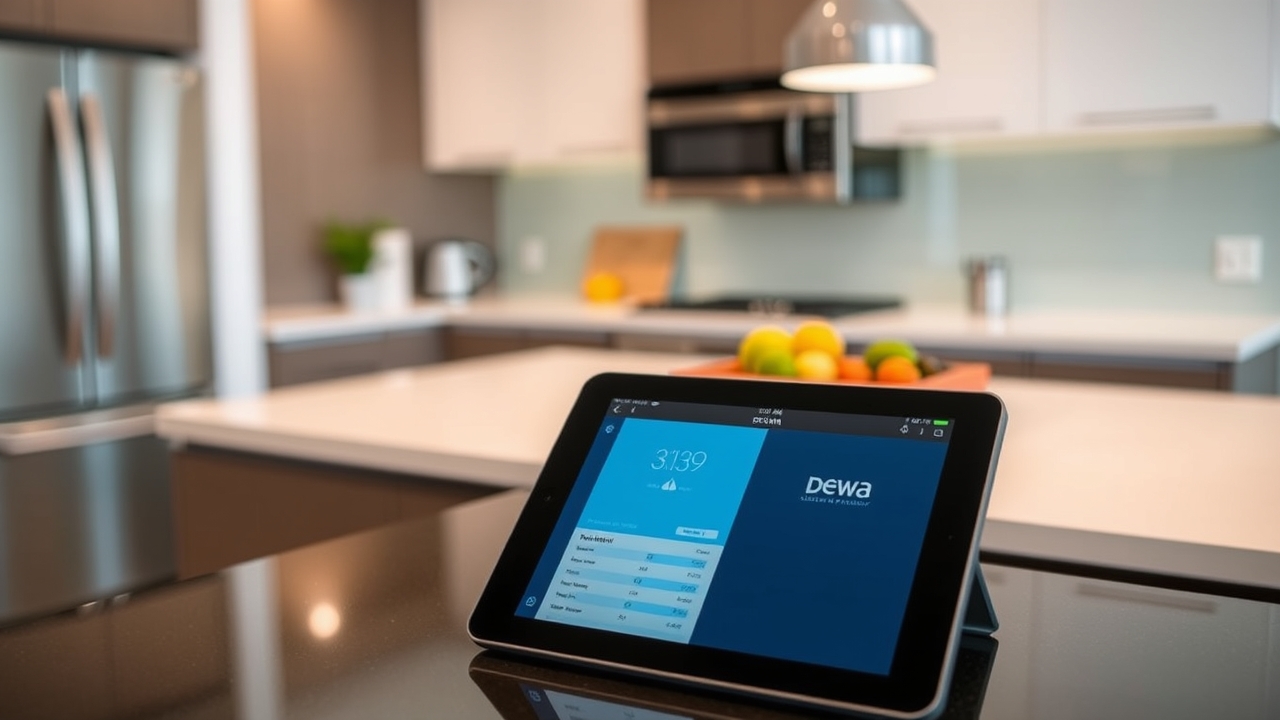
A property in Dubai cannot be legally occupied without active utility connections. The primary provider is the Dubai Electricity and Water Authority (DEWA). In 2025, the activation process is almost entirely digital through the DEWA Smart App or website.
1. DEWA Registration Steps
To set up your account, you will need your Ejari (if renting) or the Title Deed/Sales Purchase Agreement (if owning). The steps include:
- Applying for a “Move-in” request online.
- Providing your Emirates ID and passport copy.
- Paying the security deposit (typically AED 2,000 for apartments and AED 4,000 for villas).
- Paying the activation fee and knowledge/innovation fees (approximately AED 130).
2. District Cooling and Gas Services
In many master-planned communities like Downtown Dubai, Dubai Marina, or JLT, air conditioning is provided via District Cooling (e.g., Empower, Emicool, or Tabreed). This requires a separate registration and deposit. Similarly, if your building has centralized gas, you must register with providers like Lootah BC Gas or Emirates Gas. Do not wait until moving day to start these applications, as they can take 2-3 working days to process.
Comparison: Off-Plan vs. Ready Property Handover
Understanding the differences in the handover process depending on the property status is essential for setting realistic expectations.
| Feature | Off-Plan Property (Handover 2025) | Ready Property (Secondary Market) |
|---|---|---|
| Registration Type | Oqood converting to Title Deed | Immediate Title Deed Transfer |
| Inspection | Comprehensive Snagging by Developer | Due Diligence by Buyer |
| Warranty | 1-year defects liability / 10-year structural | As-is condition (usually no warranty) |
| Service Charges | Calculated from completion date | Pro-rated from transfer date |
| Utility Setup | First-time activation | Transfer of existing account |
A Checklist for International Investors
For those purchasing from abroad, the handover checklist 2025 involves additional logistical layers. Since you may not be physically present in Dubai, appointing a Power of Attorney (POA) or a property management firm is standard practice. They can handle the financial settlements, represent you during the snagging inspection, and collect the keys on your behalf.
If you are an overseas buyer, checking the off-plan Dubai the ultimate checklist for international investors will provide a roadmap for managing your property from a distance, including tax considerations and remote banking requirements.
Post-Handover: Moving In and Property Management
Once you have the keys and the Title Deed in hand, the process transitions from acquisition to management. There are several administrative tasks that must be completed immediately to ensure a smooth living or renting experience.
1. Move-in Permits (MIP)
Most master developers (such as Emaar, Nakheel, or Dubai Properties) require a Move-in Permit. This is requested through the community management portal. You will typically need to upload your Title Deed, Emirates ID, and a copy of the DEWA activation. Without this permit, security will not allow moving trucks to enter the community or use the service elevators.
2. Homeowners Association and Service Charges
In 2025, the management of common areas is strictly regulated by the Real Estate Regulatory Agency (RERA). Ensure you are registered with the Mollak system, which is Dubai’s online portal for service charge invoicing and payment. Transparent payment of service charges ensures the upkeep of gymnasiums, pools, and landscaping, which directly impacts your property’s appreciation.
3. The Defects Liability Period (DLP)
Standard Dubai contracts include a one-year Defects Liability Period. During this time, the developer is responsible for fixing any non-wear-and-tear issues (such as a malfunctioning AC motor or a leaking pipe) free of charge. Keep a log of any issues that arise in the first 12 months and submit them formally to the developer’s facility management team.
Frequently Asked Questions
1. How long does the handover process usually take?
From the moment you receive the notice of completion, the financial settlement and snagging process typically take 30 to 60 days. Delays often occur if the developer has a high volume of units to deliver simultaneously or if major snags are found.
2. Can I refuse handover if snags are not fixed?
Legally, you can delay the final signing of the handover form if there are “major” defects that render the property uninhabitable (e.g., no water, electricity, or major structural issues). For minor aesthetic snags, developers usually insist on handover with a written undertaking to fix the issues within a specific timeframe.
3. What happens if I don’t register for Oqood?
Failure to register for Oqood is a risk to your investment. According to DLD regulations, all off-plan sales must be registered. If your developer has not initiated this, you should contact the Dubai Land Department immediately to protect your ownership rights.
4. Is property insurance mandatory at handover?
If you have a mortgage, the bank will require building insurance. If you are a cash buyer, while not legally mandatory for apartments (as the building structure is often covered by the HOA), it is highly recommended to have contents and home insurance to protect your interior fit-outs and personal belongings.
Final Steps for a Successful Handover
The transition from a construction site to a home is a milestone that requires diligence and organization. By following a robust handover checklist 2025, you ensure that every legal document—from the initial Oqood to the final Title Deed—is accurately processed, and every technical aspect of the property is inspected to the highest standards. Remember that the quality of your handover experience sets the tone for your long-term relationship with the property, whether you intend to reside in it or use it as a high-yield rental asset. Stay proactive, utilize professional services for snagging, and ensure all utility accounts are in your name before moving day. With the right preparation, the handover of your Dubai property will be the rewarding experience it was always meant to be.