
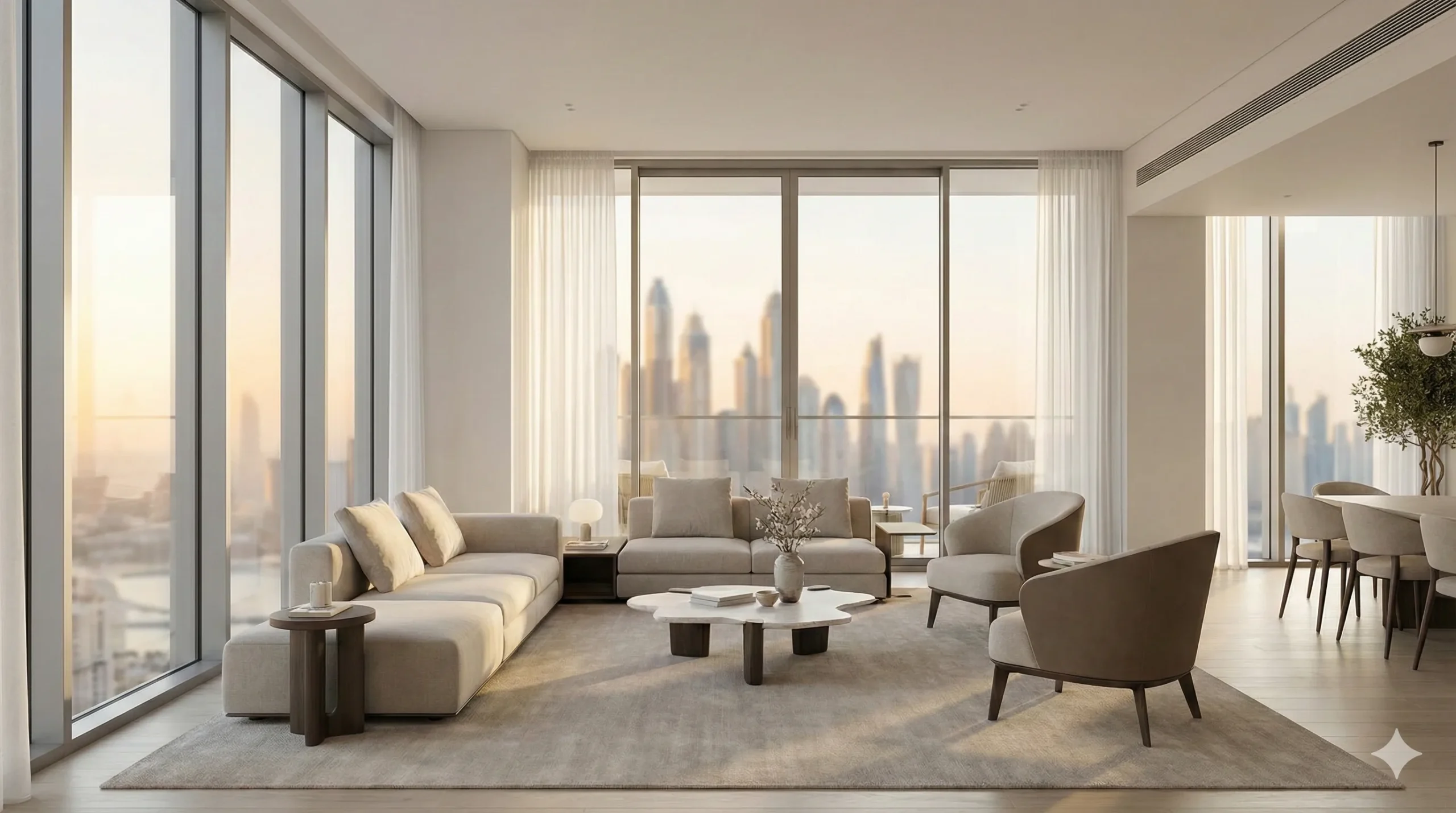
How to Maximize Rental Income from Your Dubai Apartment
Maximizing rental income from your Dubai apartment requires a strategic combination of smart property presentation, competitive pricing based on current market data, and proactive tenant management. It involves more than just collecting rent; it requires optimizing the asset through cost-effective upgrades, choosing the right rental model (short-term vs. long-term), and minimizing vacancy periods to ensure a consistent high return on investment (ROI).
Understanding the Dubai Rental Landscape
Dubai remains one of the most attractive real estate markets in the world, offering rental yields that often outperform major global cities like London, New York, or Hong Kong. However, simply owning a property does not guarantee top-tier returns. To truly succeed, landlords must treat their property as a business.
The market is dynamic. Trends shift between luxury waterfront living and affordable community hubs. Successful investors stay informed about these shifts. For example, knowing whether families are migrating toward townhouses or if young professionals are seeking studio apartments in Business Bay can dictate how you market your unit. If you are looking to expand your portfolio to capture these trends, browsing the latest properties for sale in Dubai can help you identify high-yield opportunities before prices rise further.
Short-Term vs. Long-Term: Choosing Your Model
One of the first decisions a landlord must make is whether to lease the apartment on a short-term basis (holiday home) or a long-term basis (standard yearly contract). Both strategies have distinct advantages depending on your location and financial goals.
Short-Term Rentals (Holiday Homes)
Dubai is a global tourism hub, attracting millions of visitors annually. Properties located in prime areas like Downtown Dubai, Dubai Marina, or Palm Jumeirah often perform exceptionally well as holiday homes.
Pros: Potential for significantly higher gross income (20-40% higher than long-term), flexibility to use the property yourself, and the ability to adjust pricing during peak seasons (winter, events).
Cons: Higher turnover costs, utility bills are paid by the landlord, and income can be seasonal.
Regulation: Requires registration with the Department of Economy and Tourism (DET).
Long-Term Rentals
This is the traditional route involving an annual lease registered via Ejari.
Pros: Consistent, predictable income stream. The tenant pays for utilities and internet. Lower vacancy risk once a tenant is secured.
Cons: Rent increases are regulated by the RERA Rental Index, limiting how quickly you can raise prices.
Regulation: governed strictly by the Dubai Land Department (DLD), ensuring rights for both parties.
Strategic Upgrades to Boost Appeal
You do not need a complete renovation to increase your rental asking price. Small, strategic improvements can drastically change the perceived value of an apartment. Tenants in Dubai are discerning; they look for modern, clean, and well-maintained spaces.
High-Impact, Low-Cost Upgrades:
Fresh Paint: A coat of neutral, light paint (whites, creams, light greys) makes a space feel larger and cleaner.
Lighting: Replace yellow, dim bulbs with bright, energy-efficient LED lighting. Consider adding statement light fixtures in the dining area.
Kitchen Refresh: If replacing cabinets is too expensive, consider wrapping the cupboard doors with a modern vinyl finish or simply changing the handles to matte black or brushed gold.
Bathroom Fixtures: Replace old faucets and showerheads. A rainfall showerhead is a small luxury that tenants love.
Smart Home Features: Installing a smart thermostat or keyless entry lock can appeal to tech-savvy tenants and justify a premium rent.
The Power of Furnishing
A common question landlords ask is: “Should I rent it furnished or unfurnished?”
In the current market, furnished apartments often command a premium, particularly for new expats who have just arrived in the UAE and do not want the hassle of buying furniture immediately. However, the furniture must be modern and durable. Avoid heavy, dated styles.
If you choose to furnish, aim for a “hotel-chic” aesthetic. If you prefer the unfurnished route, ensure the white goods (kitchen appliances) are included and in excellent working order, as this is often a deal-breaker for tenants.
Pricing It Right: The Balancing Act
Overpricing your unit is the fastest way to lose money. Every month your apartment sits vacant is a month of lost income that you can never recover.
To set the right price, you must analyze the competition. Look at comparable properties for rent in Dubai to see what similar units in your building are listing for. Note that “listed” price is not always the “transacted” price.
Factors Influencing Price:
View: A Burj Khalifa or Sea View commands a premium.
Floor: High floors are generally preferred due to less noise and better views.
Upgrades: As mentioned above, a well-maintained unit beats a tired one.
Building Amenities: Gym, pool, and parking availability.
Using the RERA Rental Index Calculator is essential for understanding the legal benchmarks for your area, especially when looking to increase rent for existing tenants.
Professional Property Management
Managing a property in Dubai can be a full-time job. Between marketing the unit, conducting viewings, screening tenants, registering Ejari, collecting cheques, and handling 2 a.m. maintenance emergencies, it can become overwhelming. This is where professional management becomes an investment, not an expense.
A dedicated property management team ensures your asset remains in pristine condition and your tenants remain happy. Happy tenants renew their leases, which is the golden key to maximizing ROI. Turnover costs (painting, cleaning, agent fees, vacancy) eat into profits significantly.
Benefits of Professional Management:
Higher Occupancy Rates: Professionals have wider marketing reach.
Quality Tenant Screening: avoiding bad debt and legal headaches.
Maintenance Efficiency: Access to vetted contractors at better rates.
Legal Compliance: Ensuring all notices and contracts adhere to UAE law.
Marketing Your Property Effectively
In the digital age, the first viewing happens online. If your listing photos are dark, blurry, or cluttered, potential tenants will scroll past them in seconds.
Photography Checklist:
Declutter all surfaces.
Open all curtains and blinds to let natural light in.
Turn on all lights.
Use a wide-angle lens (or hire a professional photographer).
Highlight unique selling points (balcony, pool, gym).
Beyond visuals, your description should be compelling. Highlight the lifestyle—proximity to the metro, nearby schools, supermarkets, and beach access.
Minimizing Vacancy Periods
Vacancy is the silent killer of rental yields. To minimize this:
Be Flexible with Cheques: While one cheque was the norm historically, accepting 2, 4, or even 12 cheques (often via direct debit) widens your pool of potential tenants significantly.
Start Marketing Early: Do not wait for the current tenant to leave. Start marketing 60 days prior to the lease expiry if you know they are vacating.
Incentivize: If the market is slow, consider offering a 13-month contract (one month free) or including chiller fees to close the deal.
Investing in Off-Plan for Future Yields
Sometimes, the best way to maximize income is to buy at the right price point initially. Off-plan properties often come with attractive payment plans and lower entry prices compared to ready units. By purchasing in a developing area, you can benefit from capital appreciation by the time the building is handed over, alongside high initial rental yields.
Reviewing current off-plan projects in Dubai can help you spot upcoming hotspots before they become saturated. Smart investors look for projects with unique amenities or strategic locations near upcoming infrastructure (like new metro lines).
Financial Discipline and Maintenance
Finally, treat your rental income as revenue and your maintenance as operating costs. Do not ignore small maintenance issues. A leaking tap can turn into water damage that ruins cabinetry. A faulty AC unit can lead to mold.
Adopt a preventative maintenance schedule. Servicing the AC units twice a year extends their lifespan and keeps electricity bills lower for your tenant (a happy tenant stays longer). Set aside a small percentage of the rental income (3-5%) into a sinking fund for these repairs so they never catch you off guard.
Why Partner with West Gate Dubai
At West Gate Dubai, we understand that your property is a significant asset that requires careful nurturing to reach its full potential. Our approach combines data-driven market analysis with personalized service. We don’t just list homes; we position them to attract the highest quality tenants in the market.
Whether you need assistance with marketing, tenant screening, or full-service property management, our team is dedicated to increasing your yields while decreasing your stress.
We have a robust portfolio of investment opportunities. If you are looking to buy, sell, or lease, we have many more properties available than what is listed online. To discuss your specific needs, please fill out the form to be contacted by a professional agent, and we will guide you through the process.
FAQs
1. How much can I increase my rent in Dubai?
Rent increases in Dubai are governed by the RERA Rental Index. You cannot arbitrarily raise the rent; the allowable increase depends on how much your current rent is below the average market rental rate for your specific area and unit type.
2. Is it better to rent short-term or long-term?
Short-term rentals often generate higher yields (gross) but require more management and have higher operating costs (utilities/cleaning). Long-term rentals offer stability and consistent cash flow with fewer day-to-day hassles, making them ideal for investors seeking passive income.
3. Do I need to pay tax on rental income in Dubai?
Currently, there is no personal income tax on residential rental income for individuals in Dubai. However, commercial properties and corporations may be subject to different tax regulations, and you should always consult with a tax advisor regarding your specific situation.
4. Who pays for maintenance in a rental property?
Generally, the landlord is responsible for major maintenance (structural issues, AC compressors, electrical faults) and service charges. The tenant is typically responsible for minor maintenance (consumables like lightbulbs) and keeping the property in good condition, subject to the specific terms in the tenancy contract.
Ready to Optimize Your Investment?
Maximizing your rental income doesn’t have to be a guessing game. By leveraging professional insights, high-quality marketing, and strategic upgrades, you can significantly boost your property’s performance. Whether you need help managing your current unit or want to explore high-yield off-plan projects in Dubai, the right strategy makes all the difference.
Stop leaving money on the table. Contact us today to discuss how our property management services can turn your apartment into a high-performing asset. Remember, we have many more properties available and valid strategies to share—simply fill out the form to be contacted by a professional agent regarding your real estate goals.