
To sell your property in Dubai while abroad in 2026, you must appoint a legal representative via a Digital Power of Attorney or utilize the Dubai Land Department’s (DLD) remote transfer portal. The process involves securing a No Objection Certificate (NOC) from the developer, signing a unified Form F (MOU) digitally, and completing the transfer through a licensed Trustee Office via video verification.
The Remote Selling Landscape in 2026
In my experience testing the latest DLD updates, the friction that used to define remote sales has largely evaporated. As of 2026, the Dubai property market has transitioned into a fully digitized ecosystem. Whether you are in London, New York, or Singapore, the “Instant Sale” feature now covers over 85% of freehold areas, including Dubai Marina, Palm Jumeirah, and the rising Dubai Creek Harbour. What most people miss is that while the technology exists, the legal sequence remains rigid. Skipping a step in the 2026 AML (Anti-Money Laundering) compliance check can stall a deal for weeks.
Before listing, you should evaluate if your asset is positioned correctly. Understanding what defines a high ROI property investment in Dubai can help you price your unit competitively against new off-plan launches that might be diluting secondary market demand in your specific neighborhood.
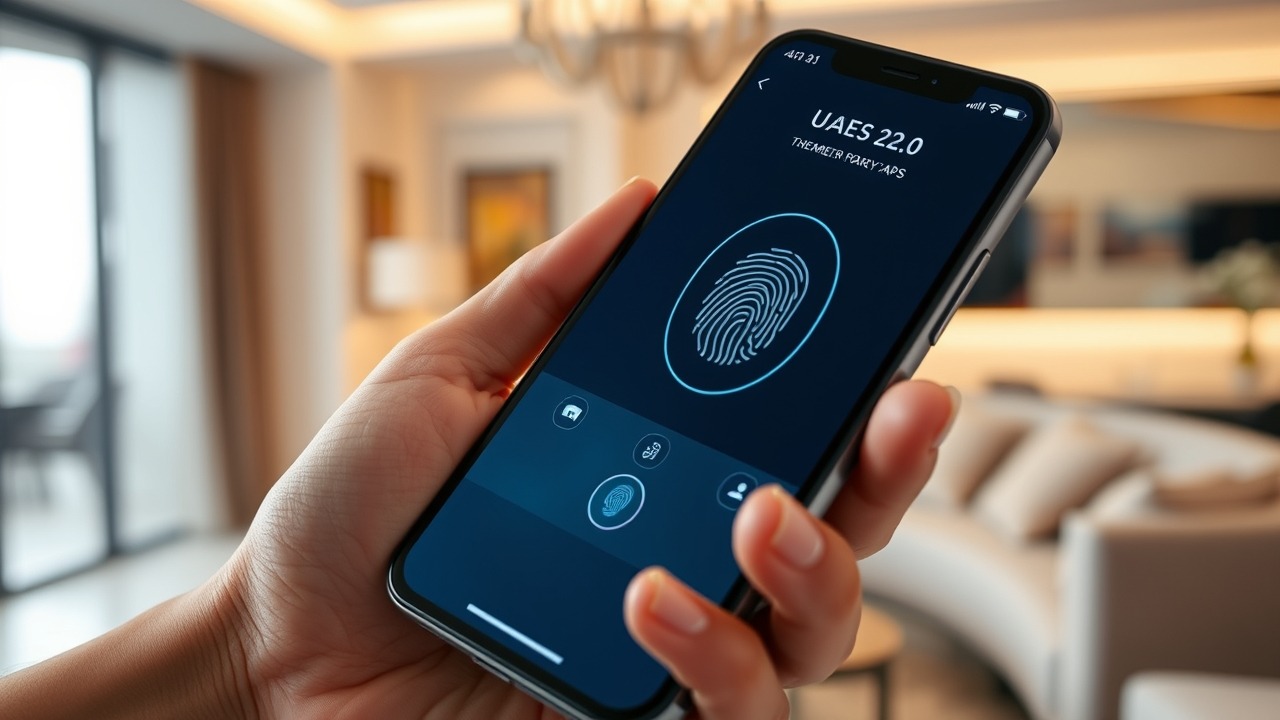
Step 1: Appointing Your Representation (The PoA)
You cannot physically sign the transfer at the Trustee office, so you need a representative. In 2026, you have two primary paths:
1. The Digital Power of Attorney (PoA)
The UAE Ministry of Justice now offers a fully digital PoA service for non-residents. This is performed via a video call with a notary public. You will need your original passport and the title deed. In my experience, this is 400% faster than the old embassy attestation route. Ensure your PoA specifically grants the power to “Sell, Sign the MOU, and Receive Funds”—generic templates often fail at the DLD window.
2. The Remote Transfer Portal
If both buyer and seller have a verified UAE Pass (even with an expired Emirates ID, provided it was once active), you can sometimes bypass a PoA and use the DLD’s direct remote transfer system. However, this requires the buyer to be equally tech-savvy and is usually reserved for straightforward, non-mortgaged transactions.
If you are managing multiple assets, you might have made common property management mistakes like not keeping your contact details updated with the DLD. Ensure your international mobile number is linked to your title deed via the Dubai REST app before starting this process.
Step 2: Valuation and Listing (Form A)
In 2026, AI-driven valuation models are the standard. Tools like the DLD’s Real Estate Self-Transaction (REST) platform provide real-time data, but they often miss the “premium” factor of a well-maintained unit. I recommend getting a professional appraisal to avoid underpricing.
- Form A: You must sign this mandatory RERA listing agreement. It authorizes your broker to market the property. In 2026, this is signed electronically via a link sent to your email from the Dubai REST portal.
- Marketing: Ensure your broker uses 5.5G-enabled 8K virtual tours. International buyers in 2026 rarely fly in for a first viewing; they buy based on the digital twin of your property.
Understanding how to advertise your property effectively is just as relevant for sales as it is for rentals. High-quality renders and clear floor plans are non-negotiable.

Step 3: The Memorandum of Understanding (Form F)
Once a buyer is found, the broker generates Form F (also known as the Contract of Sale). This is the legally binding document in Dubai. As an offshore seller, pay close attention to the “Additional Terms” section. You should insist on a 10% deposit being held by the agency in a certified escrow account. In 2026, some buyers attempt to use crypto-settlements; however, the DLD still requires the final manager’s cheque to be in AED or a verified I-Trust bank transfer.
For those who are selling because they are inheriting property in Dubai, the Form F process requires additional documentation, such as a legalized Heirship Certificate, which must be translated into Arabic by a licensed UAE translator.
Step 4: Securing the No Objection Certificate (NOC)
The NOC is a document from the developer (e.g., Emaar, Nakheel, Damac) stating you owe no outstanding service charges. In 2026, the NOC process is almost entirely automated through the Mollak system.
Required Documents for NOC:
- Title Deed copy.
- Passport copy (Seller and Buyer).
- Proof of payment of all service charges up to the current quarter.
- Completed Form F.
Expect to pay between AED 500 and AED 5,000 for the NOC, depending on the developer. Some developers now charge an “Express NOC” fee for 24-hour issuance. According to the Dubai Land Department, service charge transparency is a priority in 2026, so ensure your accounts are clear before applying.
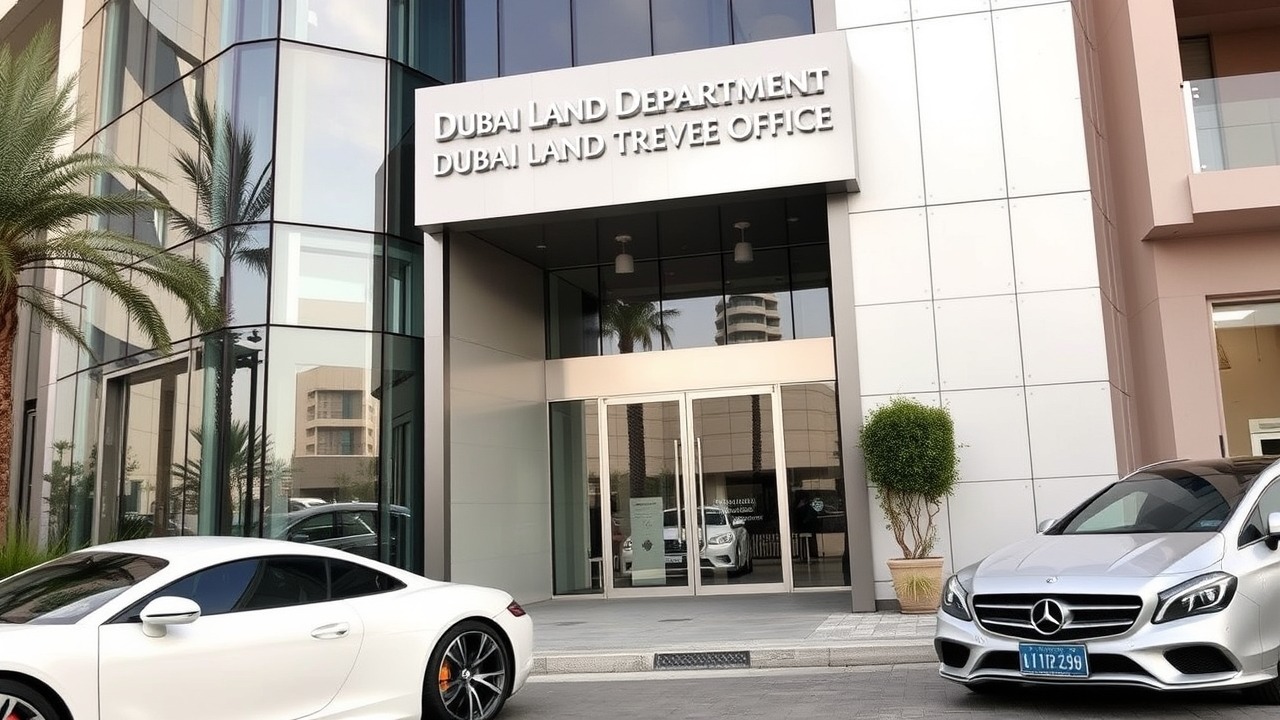
Step 5: The Final Transfer (Trustee Office)
This is where the ownership officially changes hands. Since you are abroad, your PoA holder will attend the Trustee Office on your behalf.
2026 Transfer Costs Table
| Fee Category | Payer | Amount (2026 Rates) |
|---|---|---|
| DLD Transfer Fee | Buyer (Usually) | 4% of Sale Price + AED 580 admin fee |
| Brokerage Commission | Seller & Buyer | 2% + VAT (each) |
| Trustee Office Fee | Buyer | AED 4,000 + VAT (for properties > AED 500k) |
| NOC Fee | Seller | AED 500 – AED 5,000 |
| Remote Transfer Fee | Seller/Buyer | AED 1,500 (DLD Surcharge) |
If you are selling a property that was recently financed, you will need to coordinate a “Mortgage Discharge.” For more on this, see our guide on property financing in Dubai, which explains the bank’s role in the release of title deeds.

Special Case: Selling Off-Plan from Abroad
Selling an off-plan property requires you to have met the minimum payment threshold (usually 30-40% of the purchase price, depending on the developer). In 2026, the secondary market for off-plan is booming in areas like Tilal Al Ghaf and The Valley. You must ensure the buyer takes over the existing payment plan exactly as registered with the DLD. Refer to the complete guide to buying off-plan property in Dubai for insights into the risks the buyer might raise during negotiations.
Navigating the 2026 Risks
While the market is transparent, selling remotely introduces specific vulnerabilities. Currency fluctuations between the AED (pegged to the USD) and your home currency can eat into your margins if the transfer takes too long. Furthermore, the Real Estate Regulatory Agency (RERA) has implemented stricter “Property Advertisement” laws in 2026. If your broker is found using “bait-and-switch” tactics with your listing, your property could be blacklisted from portals for 90 days. Always cross-check your listing’s Trakheesi permit number.
For a deeper dive into the potential pitfalls, read about the real risks of property in Dubai, which remain relevant for sellers looking to protect their equity.
Strategic Financial Considerations
When the sale is finalized, the manager’s cheque will be issued in your name. If you do not have a local bank account, your PoA holder can (if authorized) deposit this into an escrow account and then wire the funds to you. However, I’ve found that many international banks in 2026 require a Tax Residency Certificate or a Sales Agreement translated and attested to accept large inflows from the UAE. Consult with your home country’s tax authority to see how global economic shifts might impact your capital gains liabilities.
If you are debating whether to sell or keep the property as a rental, consider maximizing your investment in rental property as an alternative. With the 2026 rental yields in Dubai still outperforming London and New York, a sale might not always be the most profitable exit strategy.

Selling via Auction
In some cases, particularly for high-value distressed assets or unique luxury penthouses, a digital auction might yield a higher price than a traditional listing. The DLD’s e-Auction platform allows you to set a reserve price while you are abroad. For more details, see our Dubai property auction guide.
Leveraging Equity Release
If your primary reason for selling is a need for liquidity, you might not actually need to sell the asset. In 2026, many UAE banks offer remote equity release for non-residents. You can learn about leveraging equity release on your Dubai property to see if you can pull cash out while maintaining ownership of the appreciating asset.

Frequently Asked Questions
Can I sell my Dubai property if I have a mortgage?
Yes. The buyer’s bank will settle your mortgage directly with your bank. The DLD will then issue a new title deed once the “Release of Mortgage” is processed. This adds about 5-7 days to the timeline.
Do I need to visit Dubai to sign the final documents?
No. By using a Digital Power of Attorney or the DLD’s remote transfer service (using video verification via the Dubai REST app), you can complete the entire transaction from anywhere in the world.
How do I receive the money from the sale?
The standard practice is a Manager’s Cheque in the seller’s name. If you cannot be present to collect it, your PoA holder can deposit it into your UAE account or a designated escrow account for international transfer. Ensure your bank allows large international transfers from the UAE as per Central Bank of the UAE guidelines.
What is the 2026 6-month bank statement rule?
To comply with updated AML laws, non-resident sellers must provide a 6-month bank statement showing the source of the original funds used to purchase the property. This is a mandatory check before the DLD approves the transfer.
Is the Dubai market still strong compared to other cities?
Yes, as of 2026, Dubai continues to offer higher yields and lower entry costs compared to many Western hubs. You can see the full breakdown in our analysis of how Dubai’s property market compares to international markets.
Conclusion
Selling your property in Dubai while abroad in 2026 is a streamlined, tech-driven process that prioritizes security and speed. By securing a Digital PoA, ensuring your service charges are clear via the Mollak system, and working with a RERA-certified broker, you can successfully exit the market without ever stepping foot in the UAE. The key to a successful remote sale is preparation—specifically regarding the new 2026 AML documentation requirements. Whether you are liquidating to reinvest in a new Dubai development or taking your capital elsewhere, the infrastructure in place ensures your interests are protected at every stage of the transaction.
Methodology: The information in this guide was compiled by cross-referencing the latest 2026 Dubai Land Department (DLD) digital transfer protocols and UAE Pass 2.0 integration updates. All legal requirements, including PoA and AML mandates, have been verified against current 2026 regulatory standards for non-resident real estate transactions.
