
Fire Safety and HSE Requirements for Commercial Premises in Dubai: A Practical Guide
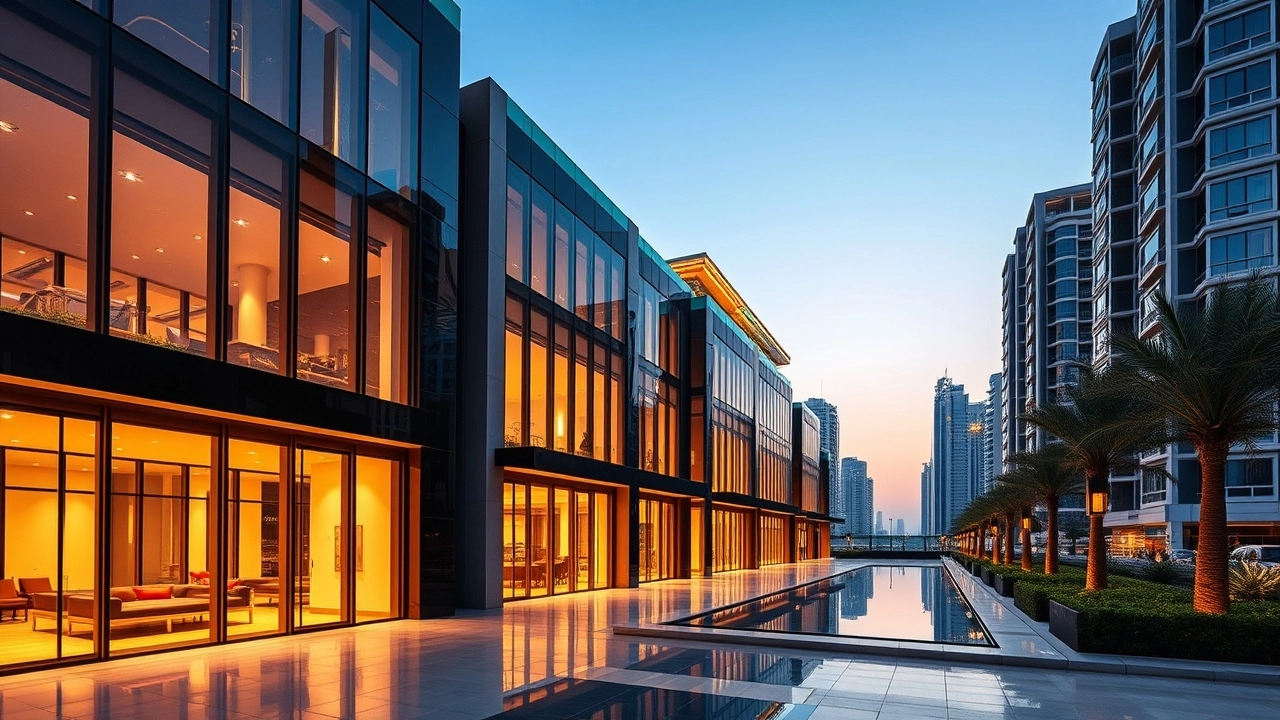
In the fast-paced and ever-evolving business landscape of the United Arab Emirates, understanding the Fire Safety and HSE Requirements for Commercial Premises in Dubai is not merely a legal checkbox; it is a fundamental pillar of operational excellence and business continuity. As the city continues to cement its status as a global commercial hub, the authorities have implemented some of the world’s most stringent safety standards. Whether you are an investor looking into off-plan properties in Dubai or a business owner setting up a retail outlet in Downtown, navigating these regulations is essential for protecting your assets, your employees, and your reputation.
The Importance of Fire Safety and HSE Requirements for Commercial Premises in Dubai
Dubai’s commitment to safety is visible in its iconic skyline. Behind the gleaming glass facades of the Burj Khalifa and the corporate towers of Business Bay lies a complex network of safety systems governed by the Dubai Civil Defense (DCD). The primary objective of these regulations is to minimize the risk of fire-related incidents and ensure a healthy working environment for all occupants. For property owners, compliance is directly linked to the ROI for properties in Dubai, as a well-maintained, compliant building attracts higher-quality tenants and maintains its market value over time.
HSE (Health, Safety, and Environment) protocols extend beyond fire prevention. They encompass indoor air quality, ergonomic workstations, waste management, and emergency preparedness. In a region where temperatures can soar, HSE requirements also focus on cooling systems and the prevention of heat-related illnesses for staff. Failing to meet these standards can lead to heavy fines, legal liabilities, and even the forced closure of the premises.
Legal Framework for Fire Safety and HSE Requirements for Commercial Premises in Dubai
The legal backbone of safety in the emirate is the UAE Fire and Life Safety Code of Practice. This comprehensive document, updated periodically by the federal authorities, outlines the technical specifications for every type of building, from small warehouses to massive shopping malls. For commercial premises, the Dubai Civil Defense is the primary regulatory body responsible for inspections, approvals, and the issuance of safety certificates.
The Role of Dubai Civil Defense (DCD)
Every commercial unit in Dubai must obtain a DCD completion certificate before it can be occupied. This process involves a rigorous review of architectural plans, fire alarm systems, and suppression equipment. Furthermore, businesses must renew their Annual Maintenance Contracts (AMC) with DCD-approved service providers to ensure that all systems are functional year-round. This is a critical step for anyone following a Dubai real estate investment guide, as non-compliance can stall the leasing process indefinitely.
HSE and Dubai Municipality
While DCD handles fire safety, the Dubai Municipality and the Ministry of Human Resources and Emiratisation (MOHRE) oversee broader HSE standards. These include workplace hygiene, ventilation, and the structural integrity of the workspace. For specialized industries like food and beverage or manufacturing, additional health and safety permits are required to ensure public safety.
Essential Components of Fire Safety and HSE Requirements for Commercial Premises in Dubai
To achieve compliance, commercial premises must be equipped with specific hardware and software solutions. These systems are designed to detect, contain, and extinguish fires with minimal human intervention. Below is a breakdown of the essential requirements:
- Fire Detection Systems: Smoke detectors, heat sensors, and manual call points must be installed in every room and corridor. These must be linked to a central control panel.
- Fire Suppression Systems: This includes automatic sprinklers, fire extinguishers (CO2, Water, or Dry Powder), and fire hose reels. In server rooms or areas with sensitive electronics, specialized gas-based suppression systems (like FM-200) are mandatory.
- Emergency Lighting and Exit Signage: In the event of a power failure, illuminated exit signs and emergency lights must guide occupants to the nearest assembly point.
- Hassantuk System: A mandatory 24/7 smart monitoring system that connects building fire alarms directly to the DCD command center for immediate response.
- Fire Doors and Compartmentation: Commercial units must use fire-rated doors that can withstand high temperatures for a specified period (usually 60 to 120 minutes) to prevent the spread of flames.
Comparison of Safety Requirements by Property Type
The following table illustrates how safety requirements vary across different commercial categories in Dubai:
| Property Type | Key Fire Requirement | Primary HSE Priority | Inspection Frequency |
|---|---|---|---|
| Corporate Office | Automatic Sprinklers & Smoke Detectors | Ergonomics & Air Quality | Annual |
| Retail / F&B | Kitchen Suppression Systems (Wet Chem) | Food Hygiene & Waste Management | Bi-Annual / Random |
| Warehouses | High-Hazard Sprinkler Systems | Chemical Storage & PPE Usage | Quarterly / Annual |
Maintaining Fire Safety and HSE Requirements for Commercial Premises in Dubai
Installation is only the first half of the battle. The second half is continuous maintenance. The Dubai Civil Defense requires all commercial buildings to have a valid Annual Maintenance Contract (AMC) with a certified fire safety company. This ensures that every fire extinguisher is pressurized, every sprinkler head is clear, and the alarm system is communicating correctly with the Hassantuk gateway.
From an HSE perspective, regular audits should be conducted to identify potential hazards. This includes checking for frayed electrical wiring, ensuring that emergency exits are not blocked by inventory, and verifying that the HVAC system is providing adequate fresh air. For those exploring Dubai real estate investment, a property with a clean maintenance record is a far more attractive asset than one with pending DCD violations.
The Role of the Safety Officer
In larger commercial complexes or high-occupancy buildings, the appointment of a dedicated Safety Officer is often a requirement. This individual is responsible for conducting fire drills, training employees on emergency protocols, and serving as the point of contact during government inspections. They ensure that the Fire Safety and HSE Requirements for Commercial Premises in Dubai are integrated into the daily culture of the workplace.
Financial and Legal Implications of Non-Compliance
The Dubai government takes safety violations very seriously. The penalties for failing to meet Fire Safety and HSE Requirements for Commercial Premises in Dubai can be severe, ranging from five-figure fines to the total suspension of a trade license. These costs can significantly impact the tax implications and overall costs of running a business in the region.
Furthermore, insurance companies in the UAE often refuse to pay out claims if it is discovered that the fire safety systems were not maintained according to DCD standards. This leaves the property owner or business operator liable for millions of dirhams in damages. Investing in compliance is, therefore, a form of financial insurance that protects your capital from unforeseen disasters.
HSE Standards: Beyond Fire Prevention
While fire is the most immediate threat, HSE encompasses the broader well-being of the workforce. In Dubai, this includes specific regulations regarding indoor environmental quality (IEQ). Commercial premises must ensure that lighting levels are sufficient to prevent eye strain and that noise levels are kept within acceptable limits to prevent long-term hearing damage.
Waste Management and Sustainability
Modern HSE requirements also touch upon environmental responsibility. Commercial units are encouraged (and in some zones, required) to implement recycling programs and reduce energy consumption. This aligns with Dubai’s broader 2030 sustainability goals. For investors, choosing properties with “Green Building” certifications can lead to lower utility costs and higher demand from multinational tenants who prioritize ESG (Environmental, Social, and Governance) standards.
Emergency Evacuation Planning
Every commercial unit must have a clearly defined evacuation plan. This plan should be displayed prominently in common areas and include a map of the floor, the location of the nearest exits, and the designated assembly point outside the building. Regular fire drills—at least once every six months—are mandatory to ensure that all occupants know exactly what to do in an emergency.
How West Gate Dubai Supports Commercial Property Owners
At West Gate Dubai, we understand that the technicalities of Fire Safety and HSE Requirements for Commercial Premises in Dubai can be overwhelming for both new investors and seasoned business owners. Our team of experts provides comprehensive guidance on selecting properties that meet the highest safety standards, ensuring that your investment is secure from day one.
Whether you are looking for apartments in Dubai Marina for a home office or a sprawling commercial space in JLT, we help you navigate the DCD approvals and municipality requirements. We work closely with certified contractors to ensure that any fit-out work is compliant with the latest UAE Fire and Life Safety Code of Practice.
Why Choose Us for Your Commercial Journey?
Navigating the Dubai market requires local expertise and a deep understanding of regulatory shifts. From understanding payment plans to ensuring your commercial unit is ready for inspection, West Gate Dubai is your partner in success. We don’t just find you a property; we ensure that the property is a safe, compliant, and profitable asset.
Conclusion: Securing Your Business Future
In conclusion, mastering the Fire Safety and HSE Requirements for Commercial Premises in Dubai is an essential component of professional property management and investment. By adhering to the standards set by the Dubai Civil Defense and the Municipality, you protect your most valuable assets—your people and your property. While the initial setup and ongoing maintenance require an investment of time and resources, the peace of mind and legal security they provide are invaluable.
As Dubai continues to grow as a global commercial powerhouse, staying ahead of safety regulations will remain a key differentiator for successful businesses. If you are ready to explore the commercial real estate market or need expert advice on property compliance, contact West Gate Dubai today. Our team is ready to help you navigate the complexities of Fire Safety and HSE Requirements for Commercial Premises in Dubai, ensuring your business thrives in a safe and secure environment.