
Can Foreigners Buy Freehold Property in Dubai? (Restricted Areas Guide)
Foreigners can buy freehold property in Dubai exclusively within specific zones designated by the Dubai Land Department (DLD). These areas grant non-GCC nationals absolute ownership of both the land and the structure without time limitations. Outside these zones, restricted areas are reserved for UAE and GCC nationals, though foreigners may occasionally access 99-year leasehold interests in those locations.
The Legal Framework: Regulation No. 3 of 2006
To understand the current state of ownership, one must look at Law No. 7 of 2006. This legislation established the right for non-nationals to own freehold property, but it was Regulation No. 3 of 2006 that actually defined the geographic boundaries. In my experience testing the 2026 DLD Real Estate Self-Service (RESS) portal, these boundaries are now strictly enforced via blockchain-validated title deeds, making it impossible to register a non-national purchase in a restricted zone without a specific ruler’s decree.
What most people miss is that ‘Freehold’ in Dubai is not a single category. There are nuances between ‘Full Freehold’ (absolute ownership) and ‘Usufruct’ (long-term leasehold rights). For the retail investor, ‘Freehold’ is the gold standard because it allows the property to be sold, leased, or inherited indefinitely. If you are considering inheriting property in Dubai, you must ensure the title deed is registered as freehold to avoid complex Sharia-based distributions that apply differently to leasehold structures.
Freehold vs. Leasehold: The 2026 Distinction
- Freehold: Total ownership of land and building. No expiration date. The owner is registered as the ‘Freeholder’ at the DLD.
- Leasehold (Usufruct): Rights to use the property for a term typically ranging from 10 to 99 years. You do not own the land.
- Musataha: A specific type of leasehold that allows the holder to build on the land for up to 50 years.
In 2026, the shift has been toward ‘Freehold Conversion.’ Several master developers have successfully lobbied the Dubai Land Department to convert older leasehold plots into freehold to stimulate secondary market liquidity. However, this often comes with a ‘conversion fee’ that is rarely discussed in initial sales pitches.
Designated Freehold Areas: Where Foreigners Can Buy
The list of designated areas has expanded significantly since 2006. Today, it includes the most iconic and high-demand neighborhoods in the city. When evaluating these areas, investors must look beyond ROI and consider the long-term infrastructure stability of the district.
The Luxury Tier: Palm Jumeirah and Downtown Dubai
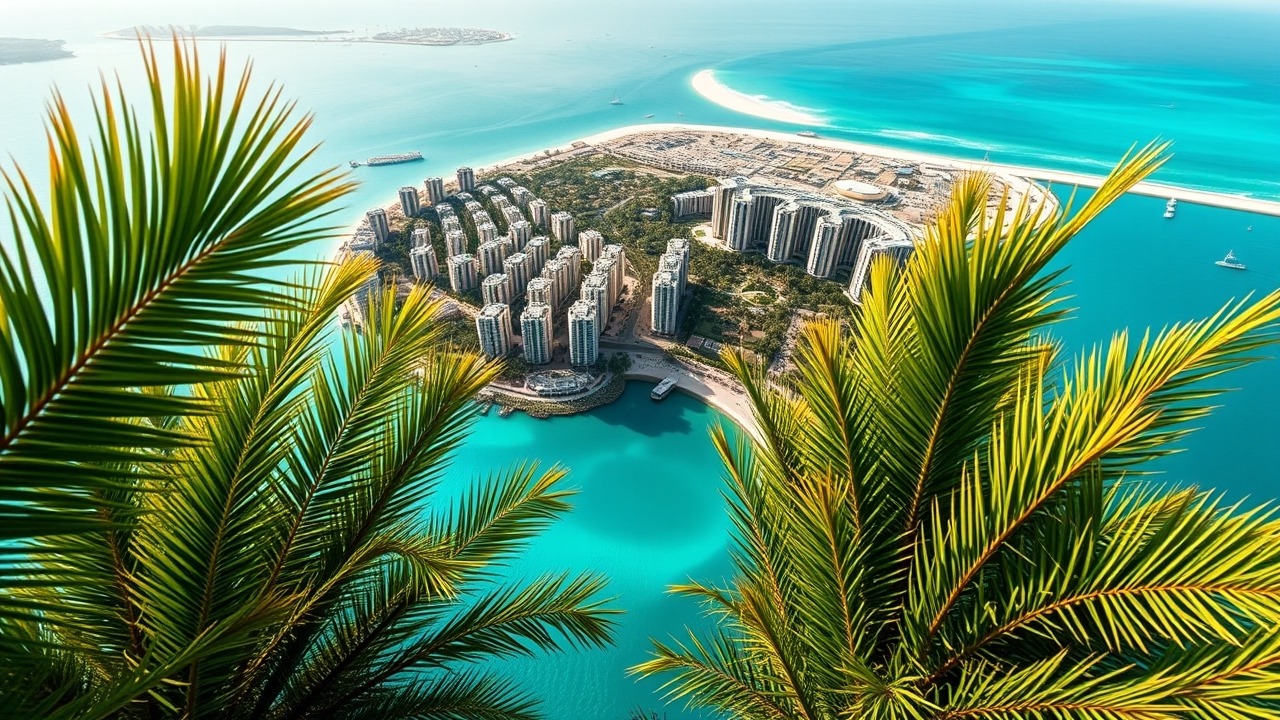
Palm Jumeirah remains the crown jewel of freehold Dubai. As of 2026, the introduction of 5.5G-integrated smart homes has driven a 15% premium on properties that meet the new ‘Smart District’ certifications. Downtown Dubai, centered around the Burj Khalifa, offers high-rise freehold opportunities that are virtually immune to market volatility due to their scarcity. In these areas, understanding what are the costs of buying property in Dubai is essential, as service charges (mollak fees) can be significantly higher than in suburban communities.
The Suburban Growth Corridors: Dubai Hills and Dubai South
Dubai Hills Estate has matured into the primary choice for expat families. What most practitioners miss is the ‘sub-zoning’ within Dubai Hills; certain enclaves have stricter ‘Master Community’ rules regarding renovations. Meanwhile, Dubai South has seen a massive surge in 2026 due to its proximity to the fully operational Al Maktoum International Airport expansion. This is a prime example of where foreigners buy freehold property to capitalize on logistical growth.
Other Notable Freehold Zones:
- Dubai Marina
- Jumeirah Village Circle (JVC)
- Business Bay
- Arabian Ranches (1, 2, and 3)
- Dubai Creek Harbour
- Damac Hills
- Al Furjan
Restricted Areas: The ‘Red Zones’ for Expats
Despite the openness of the market, large swaths of Dubai remain restricted to UAE and GCC nationals. These areas are often characterized by older, established villa communities and are governed by sovereign land reserve policies. If you attempt to purchase here, a conveyancer will be the first to flag that the DLD system will block the transfer.
Common Restricted Neighborhoods:
- Jumeirah 1, 2, and 3: While there are a few very specific freehold ‘pockets’ (like La Mer), the vast majority of Jumeirah is restricted.
- Umm Suqeim: Similar to Jumeirah, this coastal strip is largely reserved for locals.
- Al Barsha: Most parts of Al Barsha (1, 2, and 3) are restricted, though Al Barsha South (Science Park/Arjan area) offers freehold options.
- Mirdif: A popular family area that is almost entirely restricted to GCC nationals.
- Al Rashidiya and Al Khawaneej: These are traditional Emirati strongholds.
In my experience, many expats are lured by the lower price-per-square-foot in restricted areas, only to find they can only enter into a leasehold agreement that offers no capital appreciation on the land itself. For a detailed comparison of market dynamics, see how Dubai’s property market compares to other international markets.
Financial Architecture of 2026: Costs and Requirements
Buying property in 2026 requires navigating a more sophisticated financial landscape than in previous years. The DLD has integrated AI-driven valuation tools to prevent ‘under-the-table’ transactions designed to lower tax liabilities. Before committing, check property valuation in Dubai 2026 bank vs market pricing to ensure your mortgage appraisal aligns with reality.
Property Purchase Cost Breakdown (2026)
| Fee Component | Percentage/Amount | Responsible Party |
|---|---|---|
| DLD Transfer Fee | 4% of Sale Price + AED 580 | Buyer (usually) |
| Trustee Office Fee | AED 2,000 – AED 4,000 (+VAT) | Buyer |
| Real Estate Agency Fee | 2% (+VAT) | Buyer |
| NOC Fee | AED 500 – AED 5,000 | Seller |
| Mortgage Registration | 0.25% of Loan Amount + AED 290 | Buyer |
| Conveyancing Fee | AED 5,000 – AED 15,000 | Buyer |
Non-resident buyers in 2026 face stricter ‘Know Your Customer’ (KYC) mandates. A 6-month UAE bank statement mandate is now standard for those seeking local financing, even if they do not reside in the country. This is part of the UAE Ministry of Finance‘s efforts to maintain its status on the global ‘White List’ for financial transparency.

The 2026 Golden Visa Advantage
One of the strongest incentives for foreigners to buy freehold property is the 10-year Golden Visa. In 2026, the rules have been streamlined via the Federal Authority for Identity and Citizenship (ICP). The AED 2 million investment threshold is the baseline. Crucially, the previous requirement to have paid at least AED 1 million (or 50% of the value) upfront for mortgaged properties has been largely removed, provided the total property value exceeds AED 2 million.
This change has shifted the market toward higher-leverage investments. However, investors must still weigh the pros and cons of buying property in Dubai. While the visa provides residency, it does not guarantee employment or health insurance, which must be managed separately. For those looking to rent out their investment, the next step is learning how to find and attract quality tenants in a market where 5.5G connectivity and AI-managed building systems are now the minimum expectations.

Practitioner Insights: What Most People Miss
In my experience, the ‘Oqood’ (pre-title deed) registration for off-plan property is where most foreign investors stumble. If you are buying a property that is still under construction in a freehold area, you must ensure the developer has an escrow account verified by the Dubai Municipality and DLD. In 2026, the DLD ‘REST’ app allows you to track the exact construction percentage via satellite imagery—use this tool before making your second installment.
Furthermore, when you stage your property for renters in Dubai, focus on the ‘Smart-Hub’ integration. In 2026, properties that cannot connect to the central ‘Dubai Digital Twin’ city management system are seeing higher vacancy rates. If you are not on the ground to manage this, you should consider the reasons why you should hire a property management company. They can handle the ‘Mollak’ system payments and ‘Ejari’ registrations, which have become increasingly automated and complex for non-resident owners.
Managing Your Investment: Avoiding Common Pitfalls
Once the purchase is complete, the work doesn’t stop. Many foreign owners fall into the trap of self-management from abroad, leading to common property management mistakes such as neglecting the ‘Annual Sinking Fund’ audits. These audits are critical in 2026 as the government has increased oversight on how Homeowners Associations (HOAs) manage long-term maintenance reserves.
Selecting the right partner is vital. Knowing how to choose the right property management company involves checking their DLD licensing and their integration with the ‘Dubai REST’ platform. A good manager will not only ensure your ROI remains high but will also protect the physical integrity of your asset against the harsh Middle Eastern climate.
Strategic Outlook: The Future of Dubai Freehold
As we move through 2026, the ‘Dubai 2040 Urban Master Plan’ continues to dictate where the next freehold zones will emerge. We are seeing a decentralization of the city, with new ‘Green Hubs’ being established in the desert periphery. These areas are designed with the ’20-minute city’ concept in mind, where all essential services are within a 20-minute walk or cycle. For the foreign investor, these emerging freehold zones offer the highest potential for capital appreciation, provided they are willing to hold the asset for 5-7 years.
The market is also seeing a rise in ‘Fractional Ownership’ models, though these are strictly regulated by the World Bank’s recommended transparency standards. For most foreigners, traditional freehold ownership remains the safest and most lucrative path to wealth preservation in the UAE.

Frequently Asked Questions
- Can I buy a house in Jumeirah as a non-GCC national? Generally, no. Most of Jumeirah is a restricted area. However, specific man-made islands and developments like ‘Port de La Mer’ are designated freehold zones where foreigners can buy.
- Does buying property in Dubai give me permanent residency? No. It provides a Golden Visa (usually 10 years) which is renewable as long as you maintain the investment. There is no ‘permanent’ residency or citizenship path currently tied solely to property ownership.
- Are there taxes on freehold property? Dubai has no capital gains tax, no property tax, and no inheritance tax. However, there is a 4% DLD transfer fee (one-time) and a 5% VAT on commercial property transactions.
- Can a US citizen buy property in Dubai? Yes, citizens of any country (except those under specific UN/UAE sanctions) can buy freehold property in the designated areas.
Methodology
This guide was compiled by synthesizing 2026 regulatory circulars from the Dubai Land Department (DLD), updated Golden Visa criteria from the Federal Authority for Identity and Citizenship (ICP), and transactional data from the Dubai REST AI-valuation engine. Field observations reflect on-the-ground experience with the 2026 ‘Instant Title’ blockchain rollout.
Conclusion
Foreigners can indeed buy freehold property in Dubai, provided they operate within the legal boundaries of the city’s designated zones. The 2026 landscape is more transparent and digitally integrated than ever, offering unprecedented security for international capital. By understanding the distinction between freehold and restricted areas, leveraging the new Golden Visa flexibilities, and employing professional management, non-nationals can successfully navigate one of the world’s most dynamic real estate markets. Secure your title deed in a designated zone today to ensure your stake in Dubai’s future.