
Commercial Lease Regulations in Dubai: Rights and Obligations of Tenants
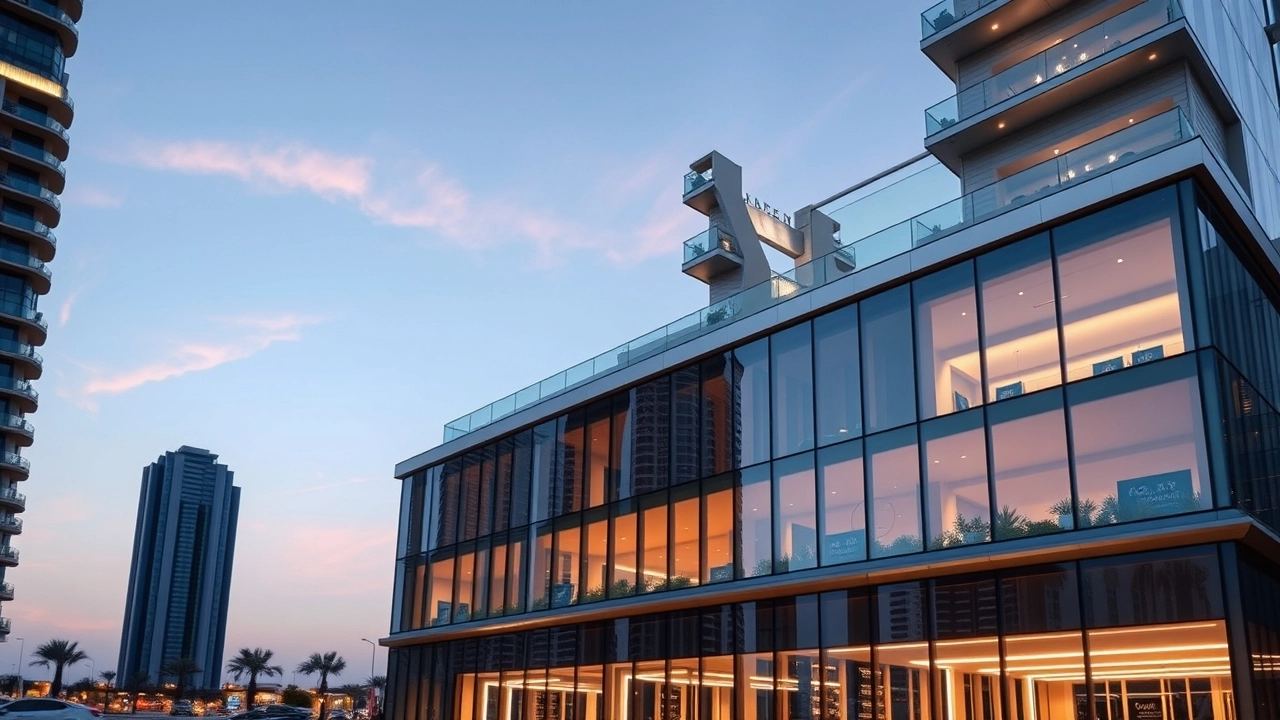
Navigating the complex landscape of commercial lease regulations in Dubai is a critical step for any entrepreneur, corporate entity, or investor looking to establish a physical presence in the Middle East’s most vibrant business hub. Dubai’s legal framework is designed to provide a balanced environment where both landlords and tenants can thrive, yet the nuances of these laws often require professional interpretation. At West Gate Dubai, we understand that securing the right commercial space is not just about the location; it is about understanding the legalities that protect your business operations. Whether you are leasing a high-rise office in Business Bay or a retail outlet in a bustling mall, being well-versed in the commercial lease regulations in Dubai ensures that your investment remains secure and your rights are upheld throughout the duration of your tenancy.
Understanding the Legal Framework of Commercial Lease Regulations in Dubai
The primary legislation governing the relationship between landlords and tenants in the emirate is Law No. 26 of 2007 (as amended by Law No. 33 of 2008). These laws form the bedrock of commercial lease regulations in Dubai. While many people associate these regulations with residential properties, they apply with equal force to commercial units, albeit with specific considerations for business operations. The Dubai Land Department (DLD) and the Real Estate Regulatory Agency (RERA) are the governing bodies responsible for enforcing these rules.
The Role of RERA and the DLD
RERA acts as the regulatory arm of the DLD, setting the standards and providing the tools—such as the RERA Rental Price Index—to ensure transparency. For commercial tenants, understanding the commercial lease regulations in Dubai means knowing that your lease must be registered with Ejari. Ejari is an electronic registration system that makes the private lease agreement a legally binding document recognized by the Dubai government. Without an Ejari certificate, a tenant cannot obtain or renew a trade license, nor can they connect essential utility services like DEWA.
Mainland vs. Free Zone Jurisdictions
It is important to note that commercial lease regulations in Dubai may vary depending on whether the property is located in the “Mainland” or within a “Free Zone” (such as DIFC or DMCC). While RERA laws generally apply across the board, specific Free Zones may have their own internal regulations and dispute resolution centers. Businesses should always verify if their specific zone has additional requirements that supersede or complement the general Dubai tenancy laws.
Key Tenant Rights Under Commercial Lease Regulations in Dubai
As a business owner, you possess several fundamental rights under the commercial lease regulations in Dubai. These rights are designed to prevent landlord exploitation and provide a stable environment for your business to grow. Understanding these rights is as crucial as knowing why you should invest in Dubai’s real estate market in 2025.
- Right to a Move-in Ready Property: The landlord is legally obligated to hand over the property in a state that is fit for its intended use. If the unit requires major structural repairs before you can start operations, the landlord must address these issues unless the contract explicitly states otherwise.
- Right to Quiet Enjoyment: Once the lease is signed, the tenant has the right to use the property without undue interference from the landlord. The landlord cannot enter the premises without prior notice and a valid reason, such as inspection or necessary repairs.
- Maintenance Rights: Under standard commercial lease regulations in Dubai, the landlord is responsible for major maintenance and structural repairs (such as roof leaks or plumbing failures), while the tenant handles minor, day-to-day maintenance.
- Protection Against Unfair Eviction: A landlord cannot simply terminate a commercial lease at will. There are specific legal grounds for eviction, such as non-payment of rent or the need to demolish the building, and these require formal notice periods (typically 12 months for non-renewal).
Essential Obligations for Tenants in Dubai’s Commercial Market
While rights provide protection, obligations ensure the continuity of the lease. Adhering to the commercial lease regulations in Dubai requires tenants to be diligent in their responsibilities. Failure to meet these obligations can lead to legal disputes and potential eviction.
Timely Payment of Rent
The most basic obligation is the payment of rent as per the agreed schedule. In Dubai, rent is typically paid via post-dated checks. If a check bounces, it is not only a breach of contract but can also lead to criminal proceedings under UAE law. Ensuring you have a clear understanding of the costs of buying or renting property in Dubai is essential for cash flow management.
Proper Use of the Premises
Commercial tenants must use the property only for the activity specified in the lease and their trade license. For example, you cannot use an office space as a retail warehouse or a residential dwelling. Violating the usage clause is a direct breach of commercial lease regulations in Dubai and can result in immediate lease termination.
Alterations and Fit-outs
Most commercial spaces in Dubai are handed over as “shell and core,” meaning the tenant is responsible for the interior fit-out. However, you must obtain written consent from the landlord and the necessary permits from the DLD and Dubai Municipality before commencing any work. Upon the expiry of the lease, the commercial lease regulations in Dubai often require the tenant to restore the property to its original condition, unless otherwise agreed.
Navigating Rent Increases and Commercial Lease Regulations in Dubai
One of the most debated aspects of commercial lease regulations in Dubai is the matter of rent increases. To prevent arbitrary hikes, RERA established the Rental Price Index and the Rental Increase Calculator. Before a landlord can increase the rent, they must comply with the following:
- Notice Period: The landlord must provide at least 90 days’ notice before the lease expires if they intend to increase the rent or change the terms of the contract.
- RERA Compliance: Any increase must align with the RERA calculator. If the current rent is within 10% of the market average, no increase is allowed. If it is significantly lower, a tiered percentage increase (5% to 20%) may be applied.
- Mutual Agreement: While the RERA calculator provides a framework, landlords and commercial tenants are encouraged to negotiate. In many cases, long-term tenants can negotiate a lower increase by highlighting their reliability.
For investors, understanding these caps is vital when calculating the ROI for properties in Dubai, as it dictates the potential income growth of a commercial asset.
The Role of Ejari in Commercial Lease Regulations in Dubai
As mentioned earlier, Ejari is non-negotiable. It is the official record of your lease agreement. The commercial lease regulations in Dubai mandate that the landlord is responsible for the cost of Ejari registration, though in practice, many tenants handle the administrative process to ensure it is done promptly.
| Feature | Tenant Responsibility | Landlord Responsibility |
|---|---|---|
| Ejari Registration | Ensuring completion for trade license | Providing necessary title deeds |
| Major Maintenance | Reporting issues immediately | Structural and MEP repairs |
| Utility Bills (DEWA) | Timely payment of consumption | N/A (Unless inclusive) |
| Property Taxes | Housing fees (via DEWA) | Property ownership taxes (if any) |
| Internal Fit-out | Cost and permit management | Approval of designs |
Failing to register with Ejari leaves the tenant without legal recourse in the event of a dispute. If you are looking for a new space, our team at West Gate can assist you in finding the perfect off-plan project or ready commercial unit that meets all regulatory standards.
Dispute Resolution and Commercial Lease Regulations in Dubai
Even with the best intentions, disputes can arise. The commercial lease regulations in Dubai provide a clear path for conflict resolution through the Rental Dispute Center (RDC), located at the DLD headquarters. The RDC acts as a specialized court for all rental-related disagreements.
Common Causes for Disputes
Disputes often stem from disagreements over rent increases, unreasonable withholding of the security deposit, or failure to perform essential repairs. Before filing a case with the RDC, parties are usually encouraged to attempt mediation. If mediation fails, a formal case can be filed, and a judge will issue a binding decision based on the commercial lease regulations in Dubai.
The Importance of the Security Deposit
In commercial leases, the security deposit is typically higher than in residential ones (often 5-10% of the annual rent). According to commercial lease regulations in Dubai, the landlord must refund this deposit upon the expiry of the lease, provided the property is returned in the agreed condition. Tenants should always document the property’s condition with photos and a signed inspection report at the start of the lease to protect their deposit.
Termination and Renewal: What the Law Says
Understanding the exit strategy is just as important as the entry. Commercial lease regulations in Dubai specify that if a tenant wishes to renew their lease, they should notify the landlord within the timeframe specified in the contract (usually 60-90 days). If the contract is silent on the renewal period, the law generally assumes a renewal under the same terms.
For early termination, tenants must be cautious. Most commercial contracts include a penalty clause (often 2-3 months’ rent) for breaking the lease early. It is vital to review these clauses carefully before signing. If you are unsure about the tax implications of your commercial space, refer to our guide on tax implications of owning property in Dubai to ensure your business remains compliant.
How West Gate Dubai Helps You Navigate Commercial Lease Regulations in Dubai
At West Gate Dubai, we pride ourselves on being more than just real estate agents; we are your strategic partners in the Dubai market. Navigating commercial lease regulations in Dubai can be daunting, but our team of experts is here to simplify the process. From identifying high-yield commercial hubs to reviewing lease agreements and ensuring Ejari compliance, we provide a end-to-end service for business owners and investors alike.
Whether you are interested in Dubai Marina commercial opportunities or looking for emerging areas with high growth potential, we have the local knowledge to guide you. Our deep understanding of commercial lease regulations in Dubai ensures that your business is protected, your costs are optimized, and your tenancy is hassle-free.
In conclusion, mastering the commercial lease regulations in Dubai is the foundation of a successful business venture in the UAE. By understanding your rights regarding maintenance and rent caps, and fulfilling your obligations regarding Ejari and property usage, you create a stable environment for your enterprise. As the market continues to evolve, staying informed through reputable partners like West Gate and official sources like the RERA portal will keep you ahead of the curve. If you are ready to secure your next commercial space or need expert advice on your current lease, contact West Gate Dubai today to speak with our dedicated consultants.