
Signage Rules for Retail Units in Dubai: Approvals and Design Do’s/Don’ts
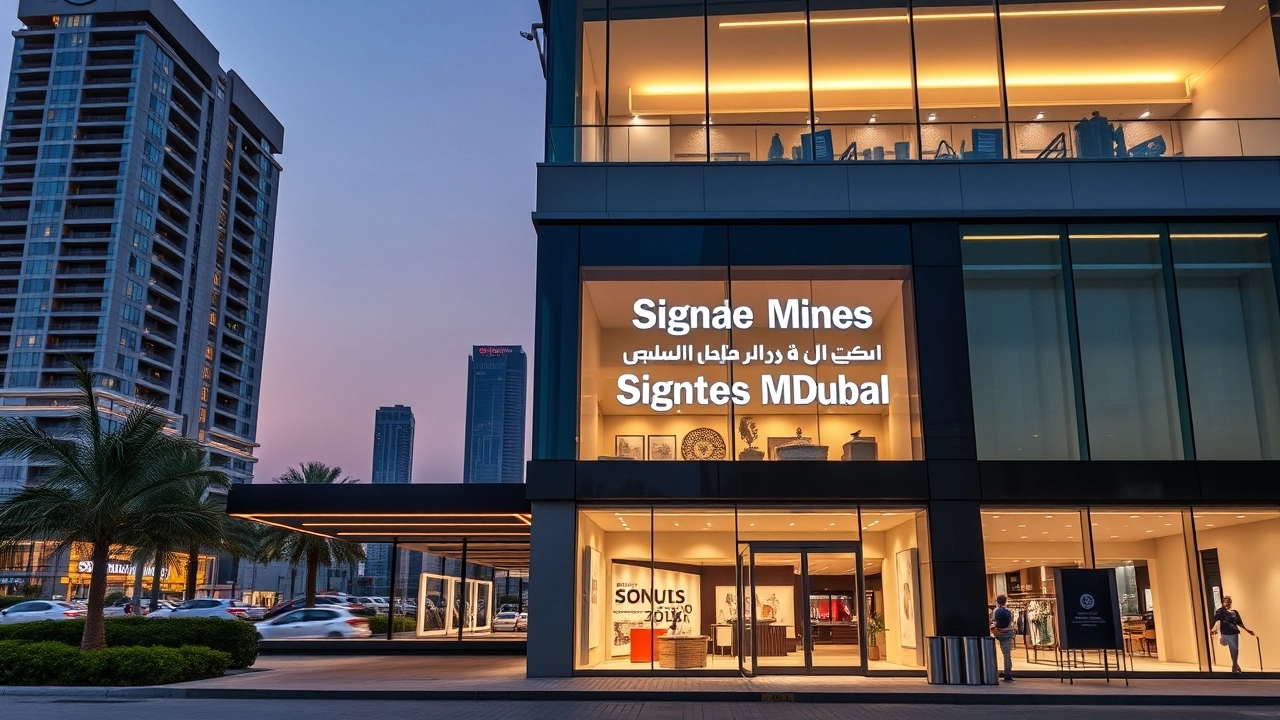
Establishing a physical presence in the world’s most vibrant commercial hub requires more than just a great location; it requires a deep understanding of the signage rules for retail units in Dubai. For entrepreneurs and international brands entering the market, your storefront is your first handshake with the customer. However, in Dubai, that handshake is governed by strict aesthetic, linguistic, and safety standards. Whether you are setting up a boutique in Dubai Marina or a flagship store in a new mall, failing to adhere to these regulations can lead to significant fines, delays, or the forced removal of your branding. At West Gate Dubai, we specialize in helping clients navigate the complexities of the local market, ensuring that every aspect of their investment is legally sound and commercially optimized.
Why Signage Rules for Retail Units in Dubai Matter for Your Business
In a city known for its architectural marvels and pristine urban planning, the signage rules for retail units in Dubai serve a dual purpose: maintaining the city’s visual harmony and protecting consumer rights. The Dubai government, through various departments, ensures that commercial signage does not obstruct public pathways, distract drivers, or detract from the aesthetic value of the neighborhood.
For a business owner, compliance is mandatory for several reasons. First, obtaining a signage permit is often a prerequisite for finalizing your trade license or renewing your lease agreement. Second, the rules dictate that signage must be bilingual, featuring both Arabic and English. This is a strategic requirement that ensures inclusivity in a multicultural society while honoring the national language of the UAE. Understanding these Dubai real estate investment nuances is vital for any long-term business strategy.
Primary Authorities Enforcing Signage Rules for Retail Units in Dubai
Navigating the approval landscape requires knowing which authority holds jurisdiction over your specific location. The signage rules for retail units in Dubai are primarily enforced by three main bodies:
- Dubai Municipality (DM): The primary regulator for signage on buildings located in mainland Dubai. They oversee technical specifications, safety, and aesthetic integration.
- Department of Economy and Tourism (DET): Formerly known as DED, they manage the content of the sign, ensuring the trade name matches the license and that the Arabic translation is accurate.
- Trakhees: If your retail unit is located in a “Special Development Zone” or a Free Zone (like JLT or certain areas of JVC), Trakhees is the authority that will issue your No Objection Certificate (NOC) and signage permits.
It is essential to consult with experts before manufacturing your sign, as each authority has slightly different requirements regarding dimensions and illumination levels. For those looking at off-plan properties in Dubai for future retail use, understanding these zoning laws early can save thousands in redesign costs.
The Approval Process for Signage Rules for Retail Units in Dubai
Securing approval for your retail signage is a multi-step process that involves both the landlord and the government. You cannot simply hang a sign once you have signed a lease. Here is the standard workflow to ensure you are following the signage rules for retail units in Dubai:
- Landlord NOC: Before approaching the government, you must obtain a No Objection Certificate from the building owner or the developer (e.g., Emaar, Nakheel). They will review your design to ensure it fits the building’s overall look.
- Technical Drawings: You must submit detailed architectural drawings of the sign, including dimensions, materials, weight, and the method of installation.
- Content Approval: Submit the proposed text to the DET. The signage rules for retail units in Dubai strictly require that the Arabic text be placed above or to the right of the English text and must be a linguistically correct translation, not just a phonetic transliteration.
- Payment of Fees: Once the design is approved, you will be required to pay a signage fee, which is often calculated based on the square footage of the sign.
For more detailed information on the financial aspects of setting up a business, you might want to review what are the costs of buying property in Dubai to understand the broader economic environment.
Design Do’s and Don’ts: Following Signage Rules for Retail Units in Dubai
The design phase is where most businesses face challenges. To remain compliant with the signage rules for retail units in Dubai, you must balance your brand identity with local regulations. Here is a breakdown of the critical design parameters.
The “Do’s” of Retail Signage
- DO Use High-Quality Materials: Dubai’s climate is harsh. Regulations often specify that materials must be weather-resistant, non-flammable, and durable against extreme heat and sand.
- DO Prioritize Arabic Calligraphy: Ensure the Arabic font is legible and aesthetically pleasing. It should be of equal or greater prominence than the English text.
- DO Consider Illumination: LED lighting is preferred for energy efficiency. Ensure that the light intensity does not cause a glare that could disturb neighbors or traffic.
- DO Align with the Façade: The sign should look like an integrated part of the building, not an afterthought.
The “Don’ts” of Retail Signage
- DON’T Use Prohibited Colors: Some areas have restrictions on neon or overly flashing lights that could be deemed a public nuisance.
- DON’T Cover Windows or Vents: Signage should never obstruct emergency exits, ventilation systems, or more than a certain percentage of window space.
- DON’T Use Unlicensed Trademarks: Your signage must strictly reflect the name on your Dubai Land Department registered lease and your trade license.
- DON’T Install Without a Permit: Fines for unauthorized signage can be substantial and may lead to the temporary closure of your shop.
Comparative Costs and Timelines for Signage Approvals
Understanding the financial and temporal commitment is crucial for business planning. Below is a general estimate of what to expect when navigating the signage rules for retail units in Dubai.
| Permit Type | Primary Authority | Estimated Timeline | Average Cost (AED) |
|---|---|---|---|
| Mainland Shop Sign | Dubai Municipality / DET | 5 – 10 Working Days | AED 500 – 2,000 (Annual) |
| Free Zone Signage | Trakhees / DDA | 7 – 14 Working Days | AED 1,500 – 5,000 (Varies) |
| Temporary Promotional Sign | Dubai Municipality | 2 – 3 Working Days | AED 250 – 1,000 |
| 3D/Illuminated Signage | DM / Civil Defence | 10 – 15 Working Days | Subject to Size/Tech |
Note: Costs are estimates and can change based on specific area regulations and sign dimensions.
Common Compliance Challenges and Legal Risks
Ignoring the signage rules for retail units in Dubai can result in more than just a slap on the wrist. The Dubai Municipality regularly conducts inspections to ensure all commercial entities are following the law. Common violations include using unauthorized languages, protruding too far into the sidewalk, or using outdated branding that no longer matches the trade license.
Furthermore, if you are investing in areas like JVC or International City, you should be aware of how local management rules might differ. For instance, oversupply issues in JVC can lead to stricter competition, making your signage even more important, but also making the authorities more vigilant about maintaining order. Legal non-compliance can also complicate the process of selling your business or property later on, as any outstanding fines must be cleared before a transfer of ownership can occur.
How West Gate Assists with Signage Rules for Retail Units in Dubai
At West Gate Dubai, we understand that the signage rules for retail units in Dubai are just one piece of the puzzle when it comes to successful commercial real estate. Our team provides end-to-end support for investors and business owners. Whether you are looking to buy property in Dubai for retail purposes or need assistance managing a portfolio of commercial assets, we have the expertise to guide you.
We work closely with certified contractors who understand the technical requirements of the Dubai Municipality and the DET. By partnering with us, you ensure that your retail unit is not only beautiful and eye-catching but also 100% compliant with the law. This proactive approach prevents costly mistakes and allows you to focus on what matters most: growing your business in the world’s most dynamic market.
The Future of Retail Branding in Dubai
As we look toward 2025 and beyond, the signage rules for retail units in Dubai are expected to evolve with technology. We are seeing a shift toward digital signage and interactive displays. However, even the most advanced digital screens must comply with the foundational rules of language, safety, and location. Staying ahead of these trends is why many investors choose to invest in Dubai’s real estate market in 2025, as the city continues to modernize its regulatory frameworks to support innovation.
Conclusion
Mastering the signage rules for retail units in Dubai is a fundamental step for any business owner looking to achieve long-term success in the UAE. From the initial NOC from your landlord to the final inspection by the Dubai Municipality, every detail matters. By ensuring your branding is bilingual, structurally sound, and legally permitted, you protect your investment and contribute to the professional image of Dubai’s commercial landscape. If you are ready to take the next step in your commercial journey, or if you have questions about property compliance and management, contact West Gate Dubai today. Our experts are ready to help you navigate the signage rules for retail units in Dubai and ensure your business stands out for all the right reasons.