DED vs Free Zone Licensing: How to Choose the Right Office Location in Dubai
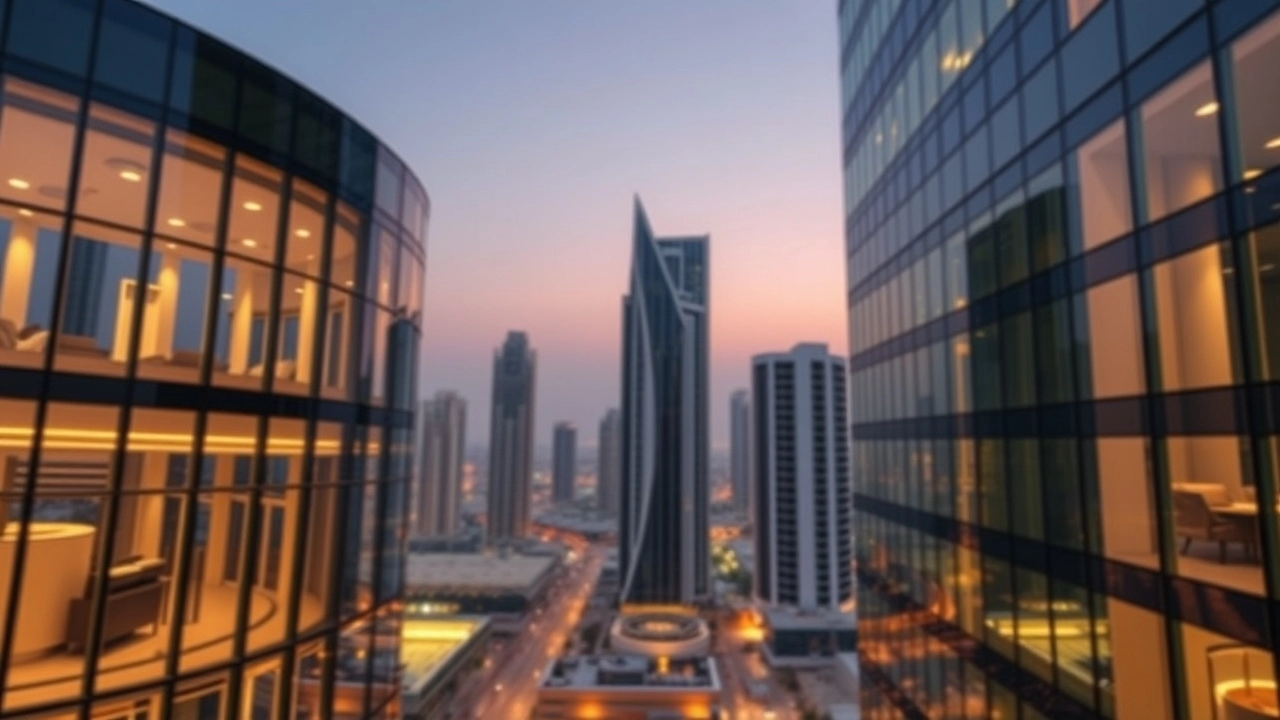
Deciding to launch or expand a business in the United Arab Emirates is a strategic milestone, but it comes with a fundamental legal hurdle: choosing between DED vs Free Zone licensing. This decision is not merely a matter of administrative preference; it is the single most important factor that dictates where your physical office can be located. In Dubai’s fast-paced real estate market, your trade license acts as a geographic anchor, tethering your operations to specific districts or allowing you the freedom to roam the mainland. Understanding the nuances of these licensing frameworks is essential for any investor or entrepreneur looking to secure a prime piece of Dubai real estate.
Understanding the Core Differences of DED vs Free Zone Licensing
Before diving into the real estate implications, we must define what these licenses actually represent. A DED license, issued by the Dubai Department of Economy and Tourism (formerly Department of Economic Development), allows a company to operate anywhere within the Dubai “Mainland” and conduct business directly with the local UAE market. Historically, this required a local Emirati partner, but recent law changes now allow 100% foreign ownership for most commercial and industrial activities.
Conversely, Free Zone licensing is issued by independent jurisdictions known as Free Trade Zones (e.g., DMCC, DIFC, JAFZA). These zones were created to attract foreign investment by offering 100% ownership, tax exemptions, and customs benefits. However, the trade-off is geographic: a Free Zone company is legally restricted to operating within the physical boundaries of that specific zone. If you have a DMCC license, your physical office must be located within the Jumeirah Lakes Towers (JLT) area or designated DMCC buildings.
The Impact of the 2021 Foreign Ownership Law
In mid-2021, the UAE government implemented a landmark change allowing foreigners to own 100% of a mainland (DED) company. This narrowed the gap between DED vs Free Zone licensing, as the ownership benefit was no longer exclusive to Free Zones. Consequently, many businesses that previously chose Free Zones for ownership reasons are now looking at mainland offices in areas like Business Bay and Sheikh Zayed Road to gain better access to the local market.
Geographical Restrictions: Where Can You Rent with DED vs Free Zone Licensing?
The most significant impact of DED vs Free Zone licensing is the limitation on your office location. If you opt for a mainland license, the entire map of Dubai is essentially your oyster. You can lease an office in a high-rise on Sheikh Zayed Road, a warehouse in Al Quoz, or a retail unit in Jumeirah. This flexibility is a massive advantage for businesses that require proximity to specific clients or logistical hubs.
On the other hand, Free Zone entities are confined to their specific “designated zones.” For example:
- DIFC License: You must be located within the Dubai International Financial Centre.
- DWTC License: You must be located within the One Central or Dubai World Trade Centre complex.
- DAFZ License: You must be near the Dubai Airport Freezone area.
- Silicon Oasis (DSO) License: You are restricted to the Silicon Oasis district.
If you mistakenly lease an office in a mainland area while holding a Free Zone license, you will not be able to register your Ejari (the mandatory UAE tenancy contract registration), which is a prerequisite for visa processing and license renewal. For more on the logistics of property acquisition, see our guide on buying property in Dubai.
Cost Analysis: Comparing DED vs Free Zone Licensing Fees and Rents
When evaluating DED vs Free Zone licensing, the total cost of occupancy is a primary concern. While Free Zone licenses often have lower upfront setup costs and do not require a physical office in some “flexi-desk” arrangements, the long-term rental costs in premium zones like DIFC can be significantly higher than mainland alternatives. Below is a comparison table to help visualize the cost structures.
| Feature | DED (Mainland) License | Free Zone License |
|---|---|---|
| Physical Office Requirement | Mandatory (Min. 200 sq. ft. usually) | Optional (Flexi-desk/Virtual options) |
| Location Flexibility | Anywhere in Dubai Mainland | Restricted to the specific Free Zone |
| Rental Rates | Highly variable (Budget to Luxury) | Generally higher in premium zones |
| Ejari Registration | Mandatory via DLD | Internal Free Zone lease (Equivalent to Ejari) |
| Customs Duties | 5% on imported goods | 0% within the zone |
Understanding these costs is vital for calculating your Return on Investment (ROI). Whether you are leasing or looking at commercial off-plan properties in Dubai, the license type will dictate your recurring overheads. For a deeper look at financial planning, check out our article on the costs of buying property in Dubai.
The Strategic Importance of DED vs Free Zone Licensing for Logistics
For businesses involved in trading, logistics, or distribution, the choice of DED vs Free Zone licensing is a matter of operational survival. A mainland company can distribute goods freely within the UAE market without additional customs barriers. This makes mainland locations like Al Quoz, DIP (Dubai Investment Park), and Jebel Ali Industrial areas highly attractive for warehouses and distribution centers.
Conversely, Free Zone companies are technically considered “offshore” or outside the UAE customs territory. While they can trade internationally with ease, selling goods directly into the UAE mainland requires a local distributor or a 5% customs duty payment. This is why many large-scale manufacturers choose JAFZA (Jebel Ali Free Zone) for its proximity to the port, while their sales offices might be mainland-based to facilitate local distribution.
The Dual Licensing Option
To bridge the gap, the Dubai government introduced Dual Licensing. This allows Free Zone companies (specifically those in certain zones like DAEP or DED-partnered zones) to obtain a mainland license without having to rent a separate physical office on the mainland. This is a game-changer for consultants and service providers who want the benefits of a Free Zone but need the legal right to work on mainland government contracts.
Real Estate Trends: Why DED vs Free Zone Licensing Matters for Landlords
If you are a real estate investor looking to purchase commercial property, the DED vs Free Zone licensing landscape determines your pool of potential tenants. When you buy a commercial unit in Business Bay, you are targeting mainland (DED) entities. Business Bay has become the de facto financial hub for mainland companies, offering high-grade office space with proximity to Downtown Dubai. You can see why this area is a top pick in our Dubai real estate investment guide.
If you invest in a commercial unit in JLT, your tenants must be DMCC-licensed. This creates a “captive market.” The demand for space in JLT is driven entirely by the popularity of the DMCC Free Zone. If the Free Zone introduces business-friendly policies, your property value and rental yields are likely to rise. Investors must monitor the regulatory health of the specific Free Zone just as much as the property’s physical condition. For those looking for high yields, exploring Dubai’s rental goldmines is a great next step.
Legal Compliance: Ejari and Office Inspections
One of the most overlooked aspects of DED vs Free Zone licensing is the compliance audit. The Dubai Land Department (DLD) and the Department of Economy and Tourism (DET) conduct inspections to ensure that mainland companies are operating from a legitimate physical address. A “paper office” or a fake address can lead to heavy fines and the suspension of your trade license.
In a Free Zone, the authorities (like the DMCC or DIFC) manage their own property registers. While the process is often more streamlined, the rules are strictly enforced. You cannot share an office with another company unless the Free Zone specifically allows for “Business Centers” or “Co-working” licenses. This strictness ensures that the commercial real estate market remains transparent and professional.
For more information on the legalities of property and business, visiting the official Dubai Land Department website is highly recommended for the latest updates on commercial regulations.
Choosing Your Ideal District Based on Licensing
Your choice of DED vs Free Zone licensing should ideally follow your business strategy. Here is a breakdown of popular districts based on license type:
Mainland (DED) Prime Locations:
- Business Bay: The heart of mainland commerce. Perfect for corporate headquarters.
- Sheikh Zayed Road: High visibility and prestige. Ideal for showrooms and law firms.
- Al Quoz: The hub for creative studios, showrooms, and light industrial work.
- Deira/Bur Dubai: Traditional trading hubs with high footfall for retail.
Free Zone Prime Locations:
- DIFC: The leading financial hub for the MEASA region. Essential for fintech and hedge funds.
- JLT (DMCC): A diverse hub for commodities trading and general services.
- Dubai Internet City/Media City: The go-to zones for tech giants and media agencies.
- Dubai Design District (d3): Specifically for the fashion and design industry.
Choosing the wrong location can be a costly mistake. If you’re unsure where to start, contact West Gate Dubai today for a professional consultation on commercial property availability.
Future Outlook: Licensing and the 2025 Market
As we look toward the future, the distinction in DED vs Free Zone licensing continues to evolve. With the introduction of the 9% Corporate Tax in the UAE, the tax advantages of Free Zones are now subject to “Qualifying Income” criteria, making the mainland more competitive than ever. This shift is expected to drive demand for mainland commercial spaces throughout 2025.
For investors, this means that mainland commercial assets may see significant capital appreciation. As more businesses move to the mainland to simplify their operations, the demand for high-quality office space in areas like Business Bay and Downtown will likely outpace supply. Read more about these trends in our analysis of why to invest in Dubai in 2025.
Conclusion: Making the Right Move with DED vs Free Zone Licensing
In conclusion, the debate over DED vs Free Zone licensing is not just an administrative choice—it is a foundational business decision that defines your physical presence in the city. Whether you require the total geographic freedom of a mainland license or the specialized ecosystem of a Free Zone, your office location will be the face of your brand. By aligning your trade license with your long-term real estate goals, you ensure operational efficiency and legal compliance. At West Gate Dubai, we specialize in navigating these complexities, helping you find the perfect office space that matches your DED vs Free Zone licensing requirements. Ready to secure your business’s future? Reach out to our expert team today to explore the best commercial opportunities in the market.